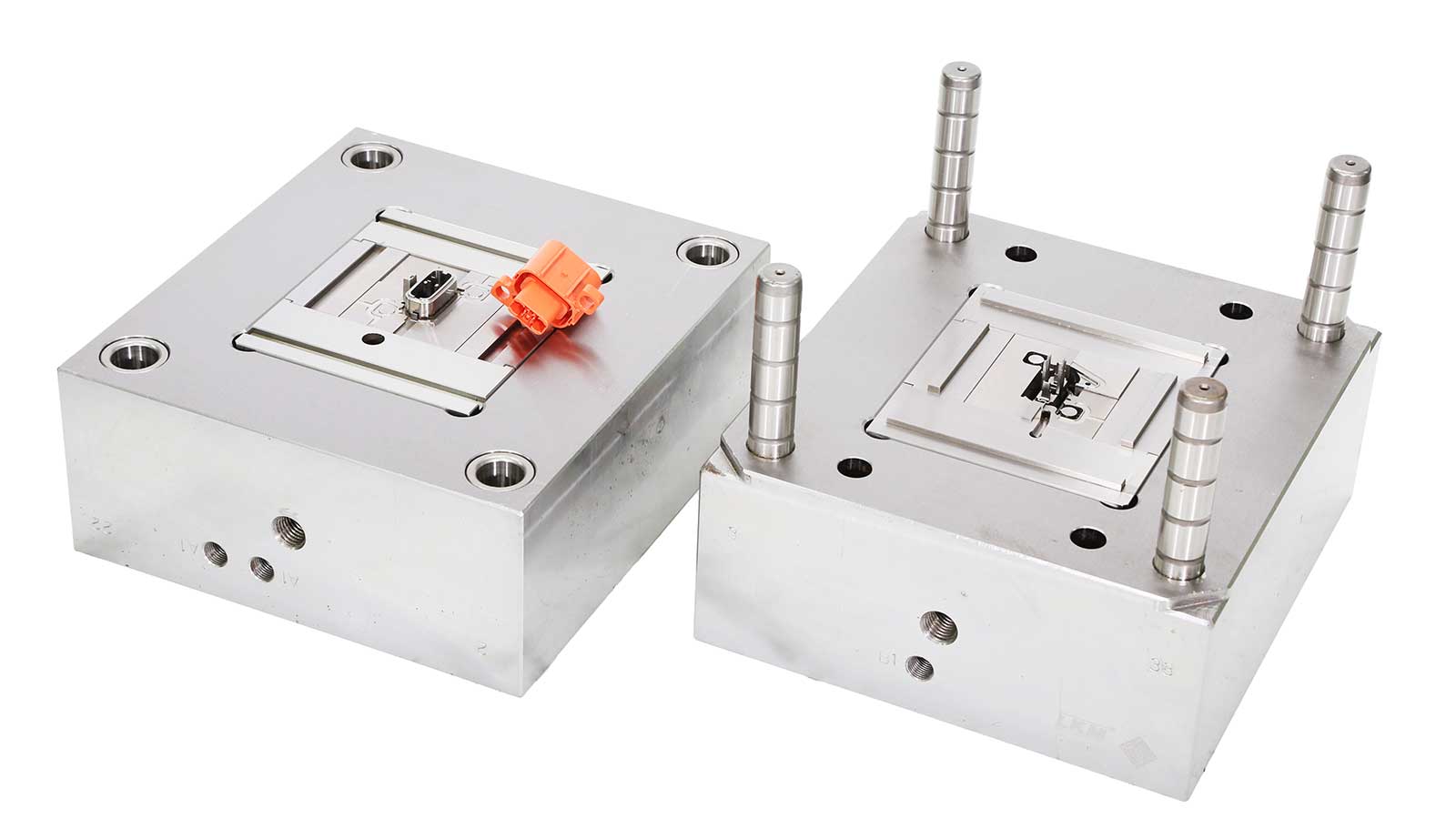



In the precision production system of the manufacturing industry, plastic molds hold a pivotal position. As a key tool for producing high-precision and high-quality plastic parts, they are essential for ensuring the smooth progress of large-scale production and processing, as well as safeguarding the production schedule and quality of manufactured parts. So, what exactly makes a plastic mold qualified and truly suitable for large-scale production needs? The following will elaborate in detail from several key dimensions.
Feed and Ejection Mechanism: Stable and Smooth, Avoiding Damage
The feed and ejection mechanism, as an important part of plastic molds, directly impacts production efficiency and part quality through its operational stability. During long-term continuous operation, this mechanism must maintain a high degree of stability. It should not only ensure convenient and efficient feed and ejection operations but also guarantee smooth operation without any scratches or bumps. Additionally, it must prevent abnormal situations such as jamming or sudden ejection, which could disrupt the production process and ensure the continuity and stability of production.
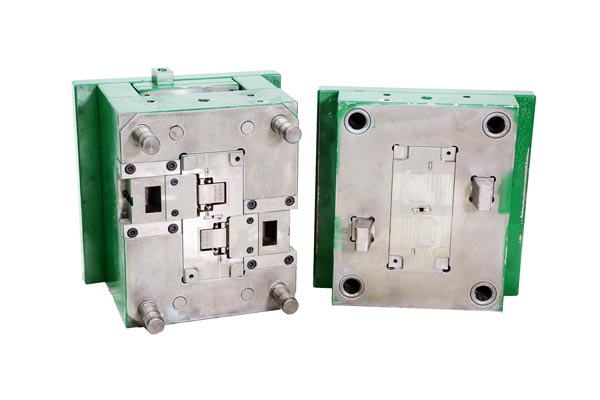
Positioning System: Precise and Reliable, Without External Force
The positioning system is a crucial guarantee for the precise molding of plastic molds. An ideal positioning system should have the ability to achieve precise positioning autonomously without relying on external force. For general process parts, accurately placing them in a reliable and effective positioning system is a prerequisite for ensuring consistent part dimensions and shapes. Moreover, the guiding mechanism, as an important part of the positioning system, requires uniform and reasonable dynamic clearances. These clearances should be controlled within a reasonable range to ensure uniformity. At the same time, the guiding mechanism should have sufficient stiffness and good operational stability to cope with various stresses and vibrations during the production process, ensuring precise and stable mold opening and closing movements.
Ejection Mechanism: Stable Demolding, Protecting Parts
The design rationality and operational stability of the ejection mechanism have a direct impact on the integrity and quality of the manufactured parts. A qualified ejection mechanism should have stable and reliable working performance. It should be able to promptly and accurately eject the parts from the mold before the mold cools down. During the demolding process, it must ensure that the parts are not damaged or deformed, maintaining their appearance quality and dimensional accuracy. Meanwhile, the ejection mechanism should operate smoothly without any stuttering or jamming faults during operation to ensure high production efficiency and continuity.
In conclusion, qualified plastic molds need to meet high standards in key aspects such as the feed and ejection mechanism, positioning system, and ejection mechanism. Only by satisfying these core standards can plastic molds play their due role in large-scale production and processing, providing a solid guarantee for the manufacturing industry to produce high-quality and high-precision plastic parts and helping enterprises gain an advantage in the fierce market competition.