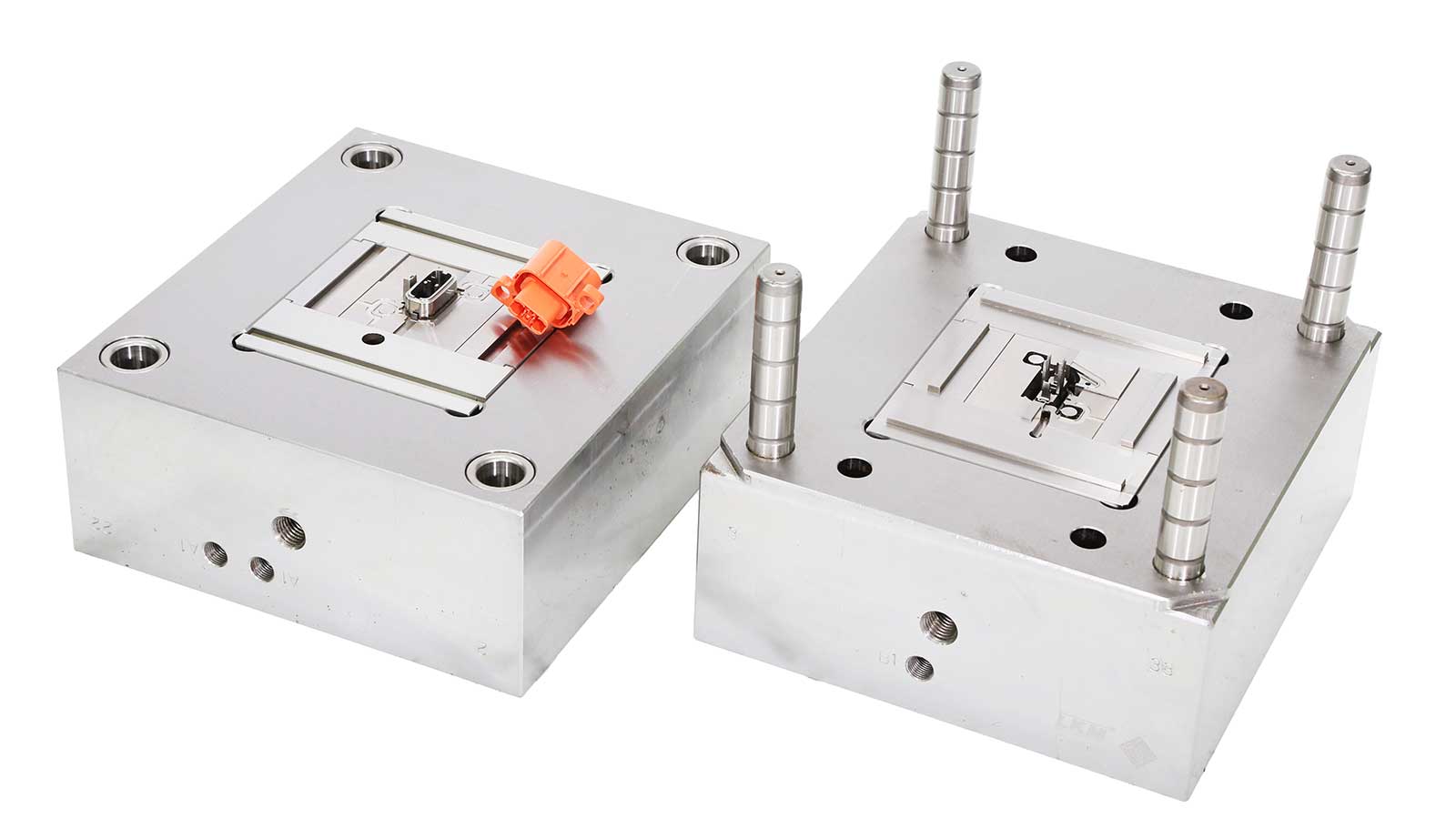
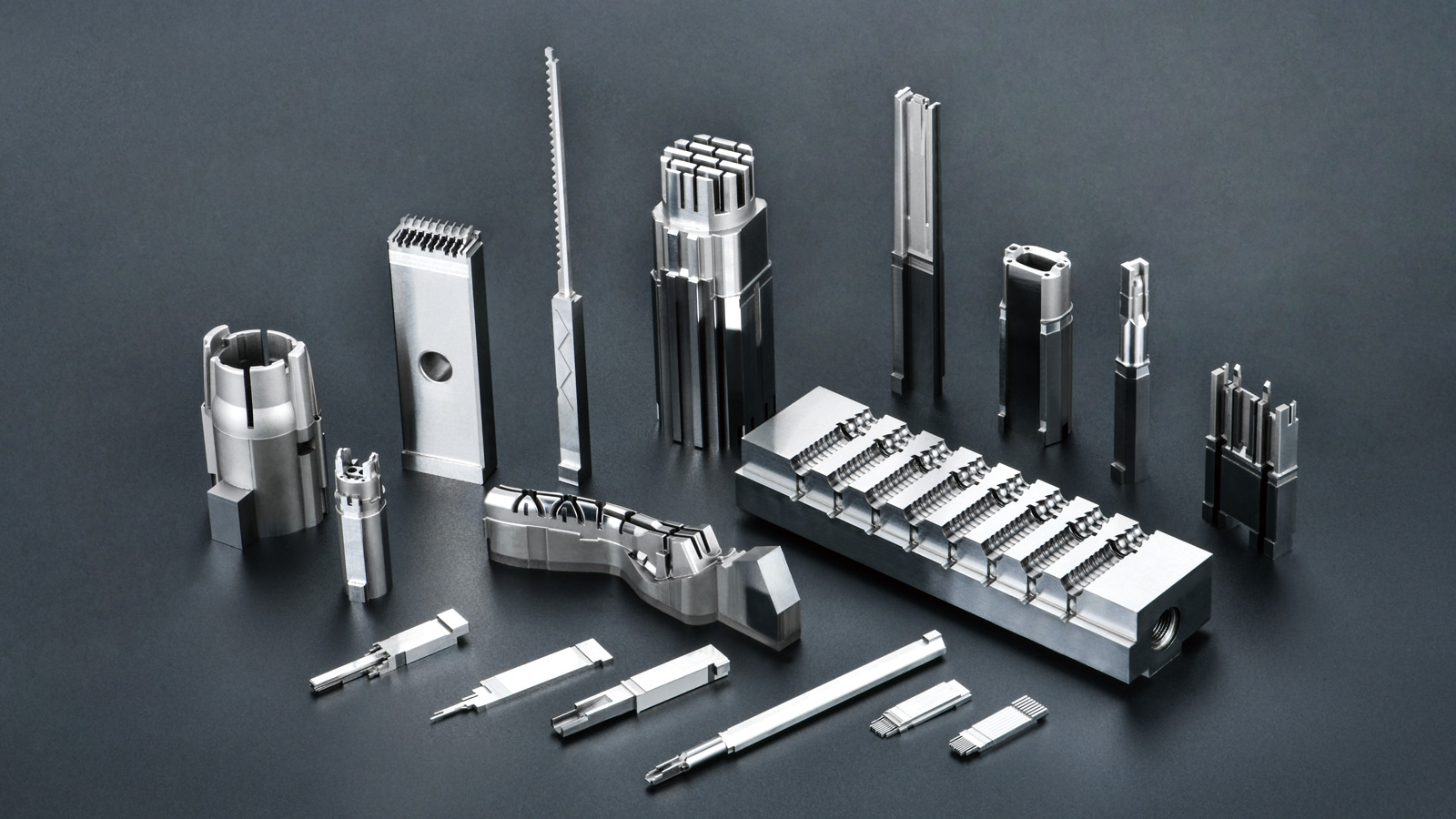
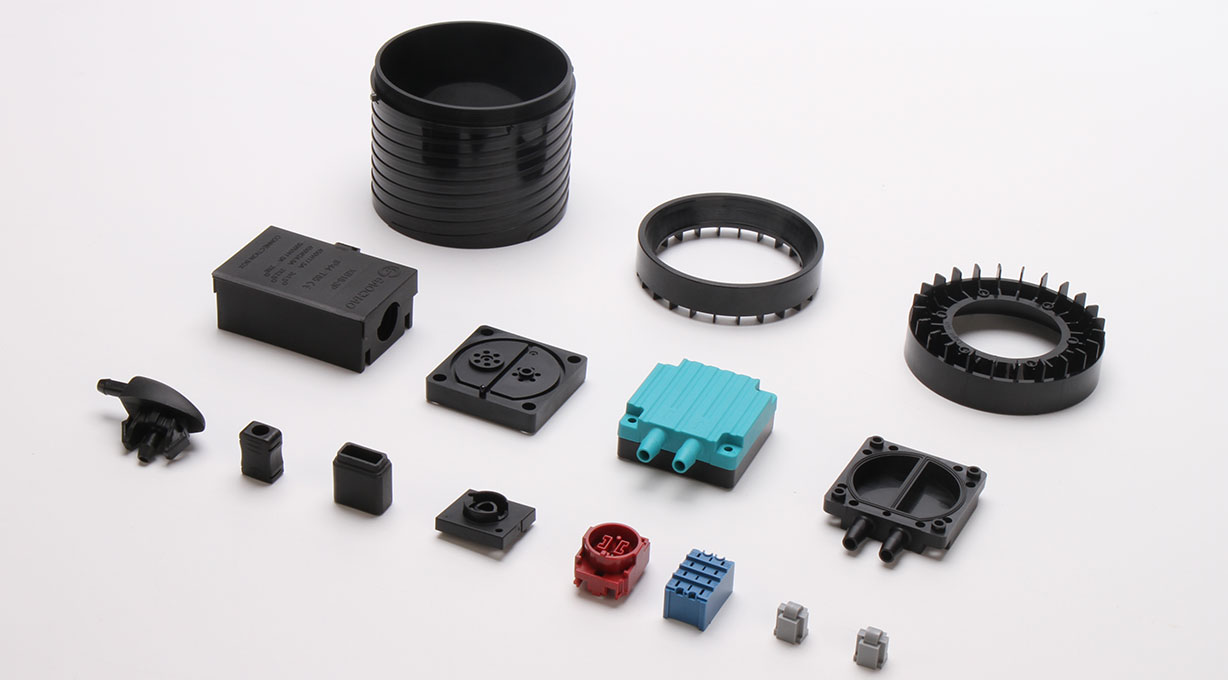





In the precise field of plastic mold design, clearance design is a crucial aspect to ensure mold performance, enhance product quality, and guarantee a smooth production process. Reasonable clearance design can effectively reduce interference and wear between mold components, extend the mold’s service life, and lower the failure rate during production. So, what are the specific clearance data standards in plastic mold design? Next, this article will elaborate on the relevant clearance standards based on the practical experience of engineers from Dongguan Yize Mold, hoping to provide valuable references for industry peers.
I. Clearance Standards for Positioning Components
- Positioning Ring and Faceplate: The positioning ring should have a unilateral clearance of 0.1mm from the faceplate. This standard ensures accurate positioning of the positioning ring on the faceplate while avoiding installation difficulties or component damage caused by interference fits.
- Nozzle-related Components: The nozzle flange should have a unilateral clearance of 0.5mm from the faceplate. Except for a 20mm sealing area reserved inside the mold core for the nozzle, the rest of the nozzle inside the mold core should have a unilateral clearance of 0.5mm. Additionally, the nozzle should have a unilateral clearance of 0.5mm from the mold base. These clearance settings help ensure the stable installation and normal operation of the nozzle in the mold, allowing the molten plastic to be injected into the mold cavity accurately and smoothly.
II. Clearance Standards for Support and Ejection Components
- Support Pillar: For support pillars with a diameter of less than 50mm, a unilateral clearance of 2mm is required. For those with a diameter of 50mm or more, a unilateral clearance of 3mm is necessary. Appropriate clearance dimensions ensure the stability of support pillars under mold pressure and prevent interference with other components.
- Ejector Pin Holes and Related Parts: Ejector pin holes in the B plate and ejector pin faceplate should have a unilateral clearance of 0.5mm. The ejector pin head on the ejector pin faceplate should have a unilateral clearance of 0.5mm, and the ejector rod spacer on the ejector pin bottom plate should have a unilateral clearance of 0.5mm.
- Spring Holes: Spring holes in the B plate should have a unilateral clearance of 0.5mm. This clearance standard ensures the normal compression and extension of springs in the spring holes, maintaining the elastic function of the ejection system.
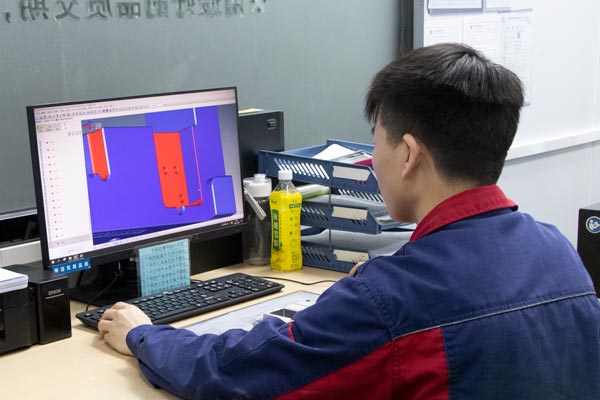
III. Clearance Standards for Side Core-pulling Components
- Inclined Guide Pins and Holes: Inclined guide pins and their holes should have a unilateral clearance of 0.5mm. If the inclined guide pin is long and extends into the B plate, the B plate should also have a unilateral clearance of 2mm for the inclined guide pin. Such designs ensure the smooth movement of inclined guide pins during side core-pulling, preventing wear or jamming caused by friction.
- Slide Seat-related Components: The slide seat has a sliding fit relationship with the B plate, and the slide block seat should have a unilateral clearance of 0.5mm from the mold base. The limit screw head should have a clearance of 1mm on both sides, and the screw top should have a clearance of 2mm from the slide seat. These clearance settings ensure the accurate sliding of the slide seat in the mold, enabling the precise execution of side core-pulling actions.
IV. Clearance Standards for Inclined Top Components
- Inclined Top and B Plate: The clearance between the inclined top and the B plate is generally achieved by wire-cutting circular holes or drilling holes with a milling machine. This processing method ensures the precision of the clearance dimensions, allowing the inclined top to move flexibly within the B plate.
- Inclined Top Guide Blocks: The material of inclined top guide blocks is usually bronze due to its excellent wear resistance and self-lubricating properties. Inclined top guide blocks often adopt a C-angle matched with a rounded corner for clearance with the B plate, mainly to facilitate CNC machining and improve processing efficiency and precision.
- Ejector Pin Faceplate and Inclined Top Seat: The ejector pin faceplate and the inclined top seat adopt a C-angle matched with a rounded corner for clearance, also to facilitate CNC machining and ensure the fit precision between components.
V. Clearance Standards for Insert Components
- Inserts within Inserts: If there are inserts within inserts, a unilateral clearance of 0.5mm is required between the two inserts, and both inserts should be designed with locating lips. The locating lips ensure the relative positional accuracy between the two inserts, preventing misalignment during production.
- Ejector Pin Head Clearance: The ejector pin head also requires clearance. This clearance method is different from the unilateral clearance of 0.5mm for ejector pins. It involves cutting a flat surface anywhere on the ejector pin and designing a U-shaped groove around the ejector pin, mainly to facilitate direct CNC machining and improve processing efficiency.
VI. Clearance Standards for Other Components
- Screw-related Components: Template screws should have a unilateral clearance of 0.5mm from the mold base, and mold core locking screws should have a unilateral clearance of 0.5mm from the mold core. These clearance settings ensure the smooth screwing-in of screws during installation, preventing screw damage or loose installation caused by interference.
- Small Pull Rod Sleeves and Center Guides: Small pull rod sleeves should have a unilateral clearance of 0.5mm from the template, and center guides should have a unilateral clearance of 0.5mm from the template. Appropriate clearance dimensions ensure the stability and flexibility of these components during mold movement.
- Insert and Mold Core: When designing inserts, clearance should also be designed between the insert and the mold core. The insert should have a unilateral clearance of 2mm, and the clearance area should be rounded, mainly to facilitate CNC machining and mold fitting, ensuring the overall quality of the mold.
The clearance standards in plastic mold design form a rigorous and detailed system involving various mold components. Following these standards for design can effectively improve mold performance and quality, reduce production costs, and enhance production efficiency. During the actual design process, designers should fully consider factors such as the mold’s working principle, production requirements, and processing technology, and flexibly apply these clearance standards to ensure the scientific and rational design of the mold.