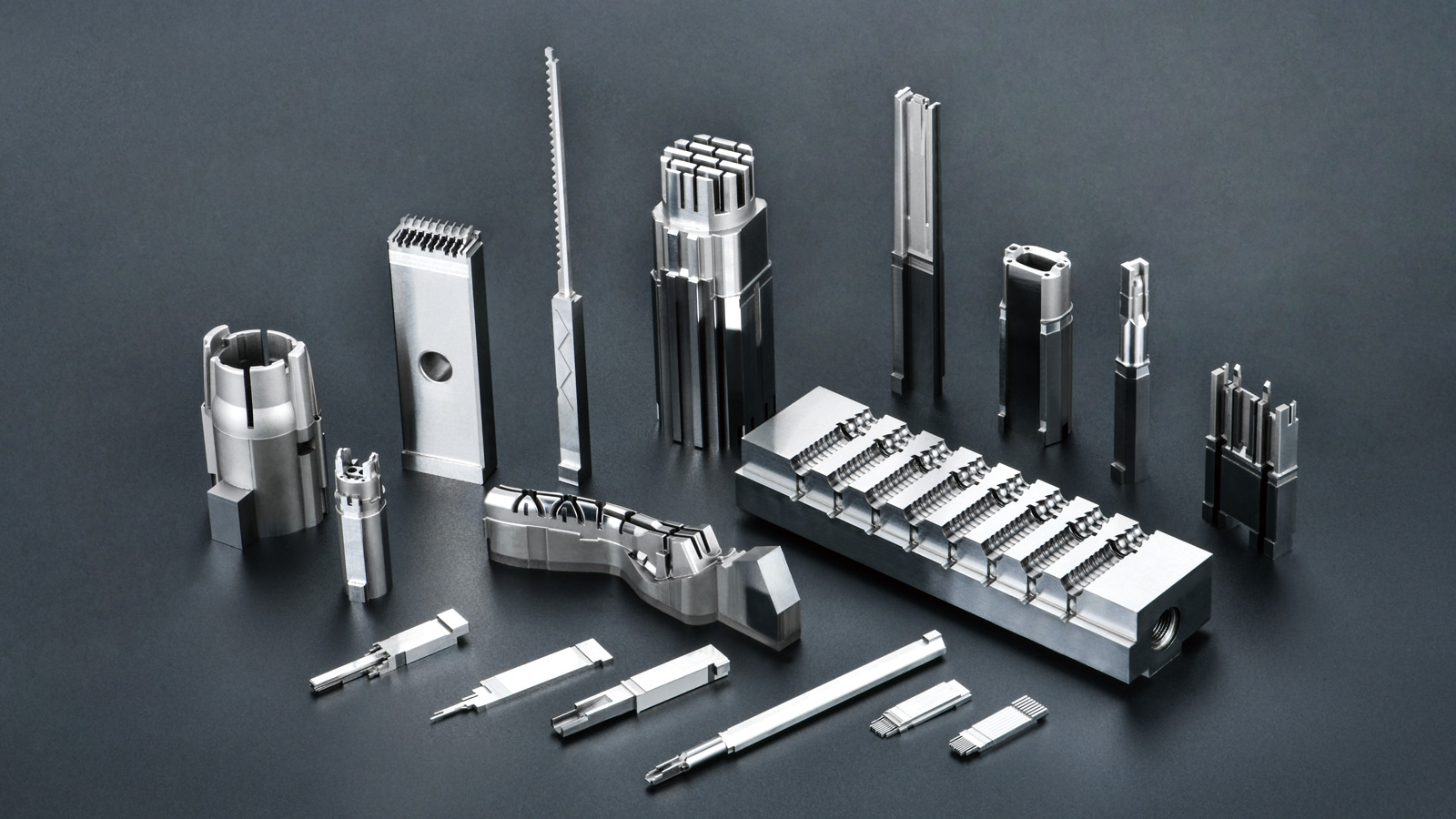
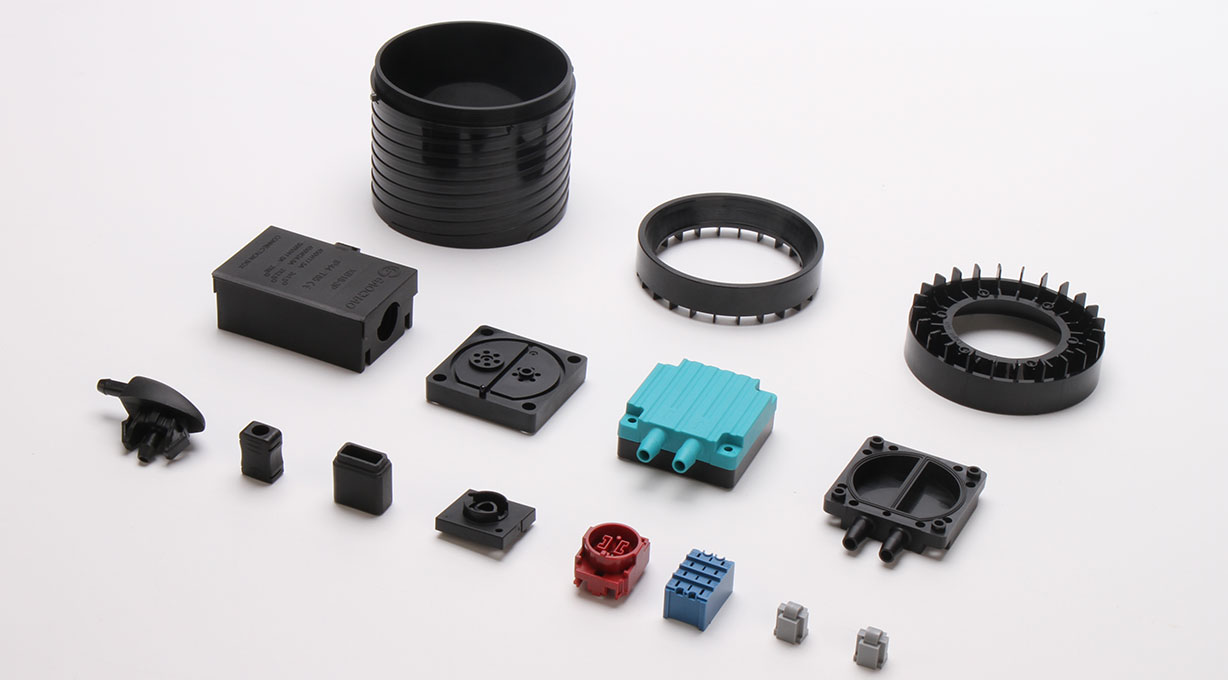





In the field of automotive injection mold processing, given the unique morphology of workpieces, more stringent requirements are imposed on workpiece processing technologies. In this context, crankshaft processing technology has emerged and gradually become an indispensable key technology in this field.
Crankshaft Processing: A Paragon of High-Demand Mass Metal Cutting Processes
Crankshaft processing can be regarded as one of the most demanding mass metal cutting processes currently available. In the complex process of automotive injection mold processing, the crankshaft production line plays a crucial role. It is also the largest consumer of cemented carbide in the entire processing procedure. This characteristic not only reflects the high-intensity and high-precision requirements of crankshaft processing but also underscores its core position in the manufacturing of automotive injection molds.
Traditional Turning: A Simple and Practical Basic Processing Method
For the processing of the ends and journals of a crankshaft, a relatively simple and commonly used method is turning on traditional lathes or turning centers. However, this method requires sufficient space between the tool shank and the surface of the journal being processed to ensure the smooth progress of the machining operation.
Traditional turning offers significant advantages. It can make full use of standard machine tools, cutting tools, and inserts, providing high flexibility in the processing and effectively reducing processing costs. For some automotive injection mold processing scenarios with relatively low precision requirements and smaller production batches, traditional turning is an economical and practical choice.
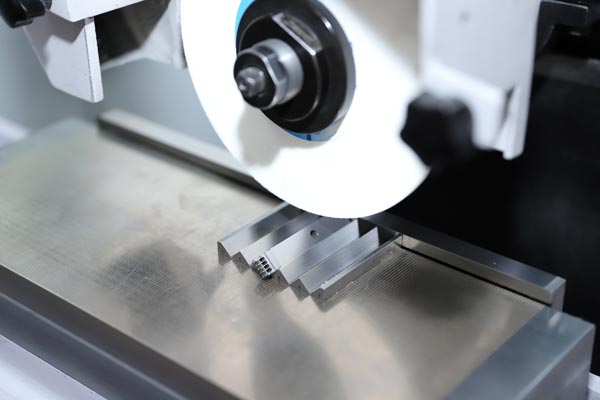
Special-Purpose Machine Tool Turning and Turn-Pulling: Efficient and Precise Processing Tools
A special-purpose machine tool equipped with both turning and turn-pulling capabilities brings a brand-new solution to crankshaft processing. Such a machine tool can precisely machine the journals on the crankshaft’s axis of rotation. In automotive injection mold processing, inserts for rough and finish machining can be simultaneously mounted on the same tool disk. A single complete cutting process can produce workpieces with specific shapes.
The special-purpose machine tool turning and turn-pulling processing method has numerous outstanding advantages. Firstly, it can achieve high repeat positioning accuracy, ensuring that the dimensions and shapes of each processed workpiece are highly consistent, thereby effectively guaranteeing product quality. Secondly, the processed surface quality is good, meeting the stringent requirements of automotive injection molds for surface smoothness. Moreover, the tolerance control is small, further enhancing the precision and stability of the products. Additionally, this processing method can extend the tool life, reduce the number of tool changes, significantly improve the utilization rate of the machine tool, and greatly shorten the processing time, thereby improving production efficiency and reducing production costs.
The Core Objectives of Crankshaft Processing: Comprehensively Improving Processing Efficiency
Regardless of the crankshaft processing method used, in automotive injection mold processing, the overall objectives are highly consistent. Specifically, it is necessary to effectively control the generation of chips to prevent them from adversely affecting the processing and product quality; extend the tool life to reduce tool replacement costs and downtime; shorten the processing cycle to meet the large-scale production requirements of the automotive industry; and improve product quality to ensure that the precision and performance of automotive injection molds meet high standards, thereby providing a solid guarantee for the overall quality and safety of automobiles.