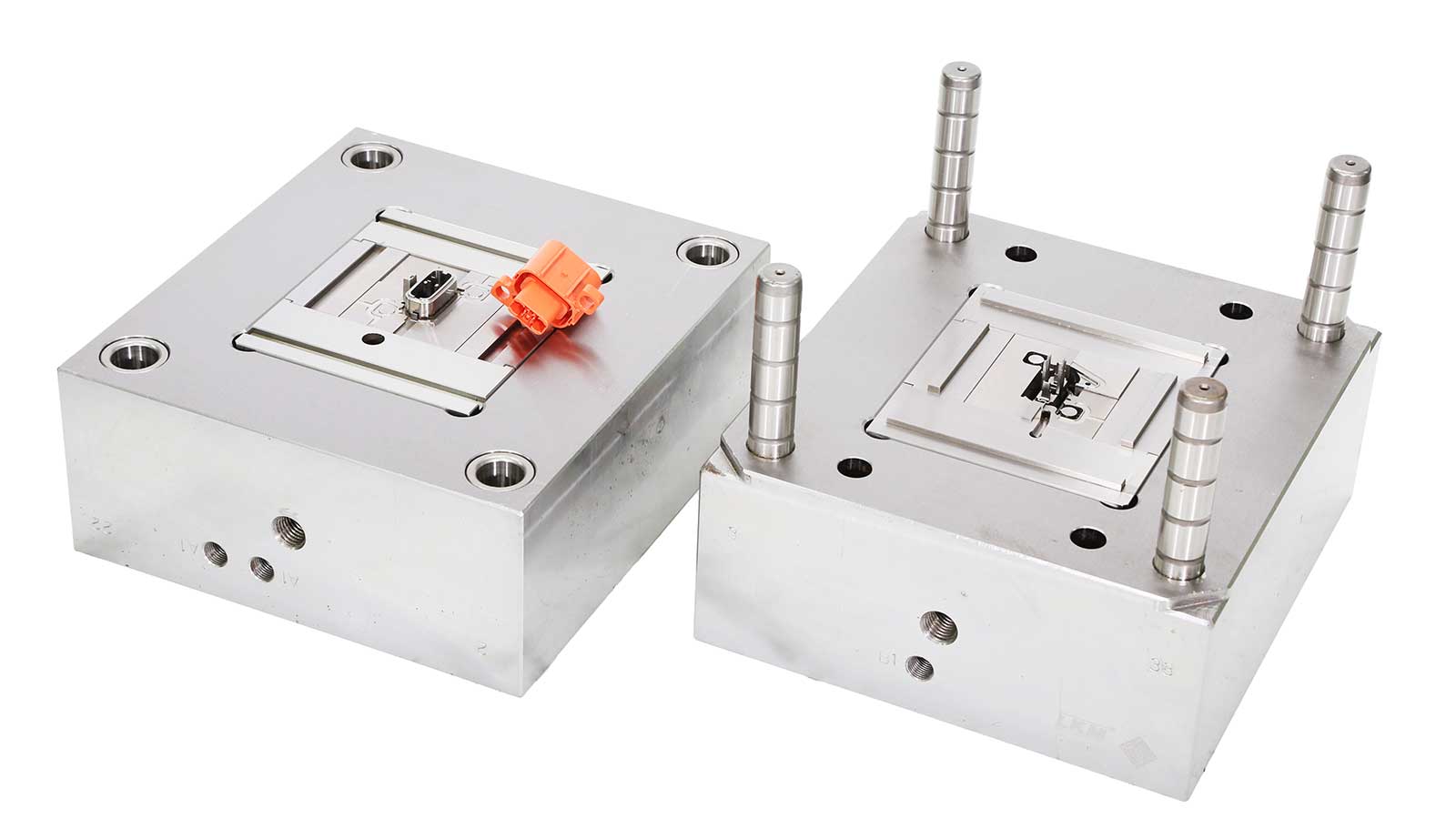

In the field of plastic mold design and manufacturing, when a product has an undercut structure, a specific mechanism is usually required to achieve demolding. The inclined top mechanism is one of the widely used options. Its application principle is similar to that of the guide rail slider mechanism. During the demolding process of injection-molded parts, since the plastic push plate can only eject the product in a single direction, when the product has structures such as a core, hole pitch, or recessed groove that are inconsistent with the demolding direction, an undercut will form. In this case, an additional mechanism needs to be added to demold in other directions so that the undercut can slide out smoothly.
Selection of Mechanisms in Custom Plastic Injection Molding
After comprehensively considering factors such as cost, production and processing difficulty, and usage efficiency, if both the guide rail slider mechanism and the inclined top mechanism can be used in a plastic mold, for internal undercuts, the inclined top mechanism is preferred; for external undercuts, the guide rail slider mechanism is preferred. The inclined top mechanism has significant advantages. Its structure is simple, which facilitates production and processing. It has a low cost and occupies a small space. However, the inclined top mechanism also has certain drawbacks. Compared with other structures, its reliability and compressive strength are relatively poor, it is prone to damage, and its ejection stroke is small. Nevertheless, using an inclined top for demolding undercuts in plastic molds is still one of the key methods. Many complex structures are evolved from the inclined top, such as front mold inclined tops, delayed inclined tops, accelerated inclined tops, and inclined tops on guide rail sliders.
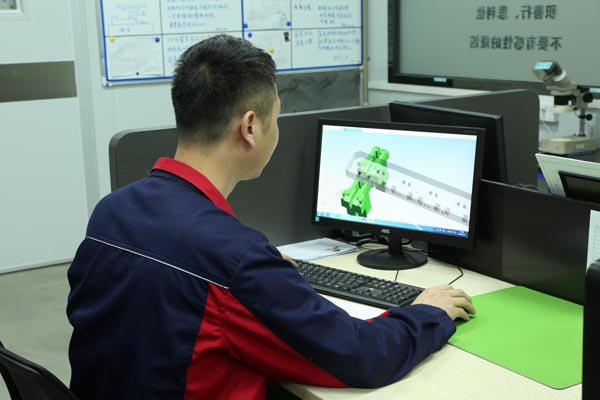
Components of the Inclined Top in Plastic Molds
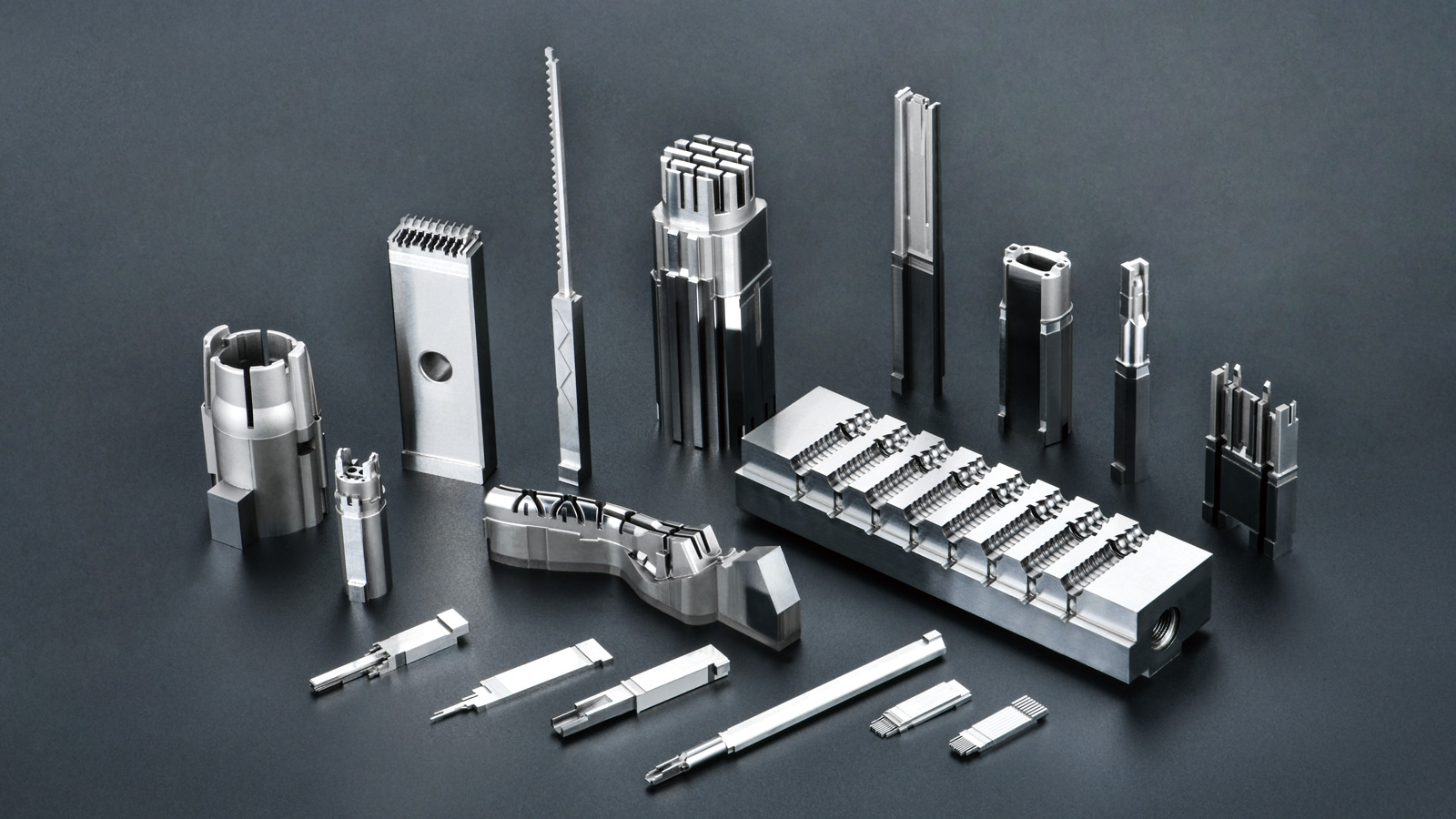
- Inclined Top Head: As the key forming part of the inclined top mechanism, the bottom of the undercut position is usually designed as a straight cylindrical surface to facilitate production and processing and mold fitting. The other three sides are set with an inclination for better cooperation with other components. To prevent the inclined top from scooping up the plastic during ejection, the top surface of the inclined top head is generally lower than the plastic level surface.
- Inclined Top Rod: The inclined top rod plays an important role in connecting the inclined top base and the inclined top head. During the ejection process of the inclined top, it needs to bear the ejection force to ensure the smooth progress of the demolding process.
- Guide Block: During the manufacturing of plastic molds, to reduce the torsional deformation of the moving mold plate, clearance is often provided to reduce friction. Adding a guide block can effectively achieve precise positioning and adjust the mold accuracy, ensuring the normal operation of the mold and product quality.
- Guide Post: For combined inclined tops, two guide posts are usually provided for lubrication and guidance. Since the inclined top rod may experience wear during long-term movement, adding guide posts can effectively reduce wear. At the same time, when there are problems with the mold accuracy, the guide posts are convenient for maintenance and replacement, improving the mold maintenance efficiency.
- Inclined Top Base: In an integrated inclined top, there are mainly two guiding methods: “T”-shaped slot guiding and pin guiding. Pin guiding is more commonly used because it is easy to process and install. “T”-shaped slot guiding is relatively more expensive, requiring a separate “T”-shaped base, and its processing and cooperation are more complex than pin guiding.
In conclusion, the design of the inclined top mechanism in plastic molds requires a comprehensive consideration of multiple factors such as product structure, cost, production and processing difficulty, and usage efficiency. Reasonable selection of the mechanism type and precise design of each component are of great significance for ensuring the normal operation of the mold, improving product quality, and reducing production costs.