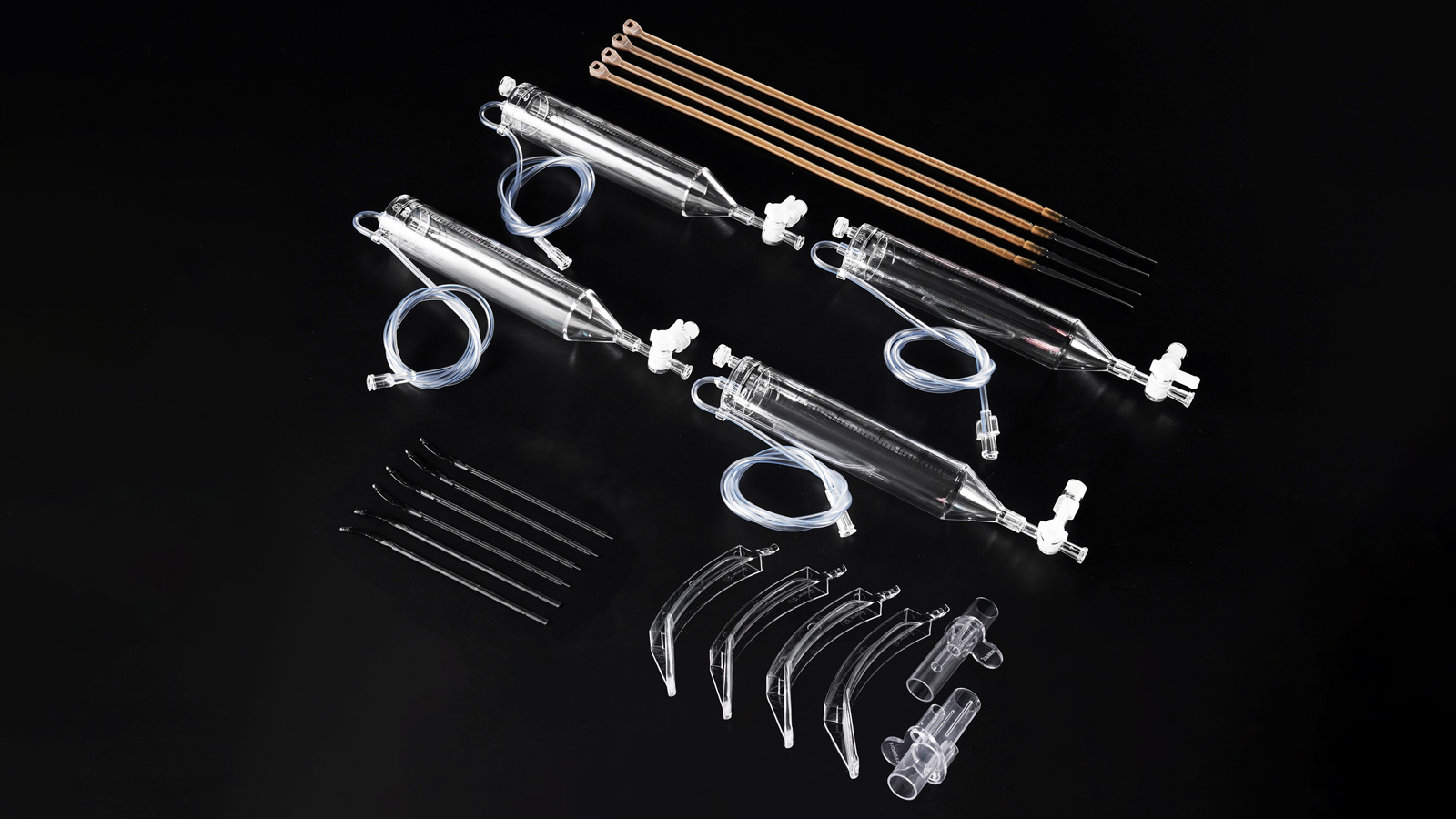
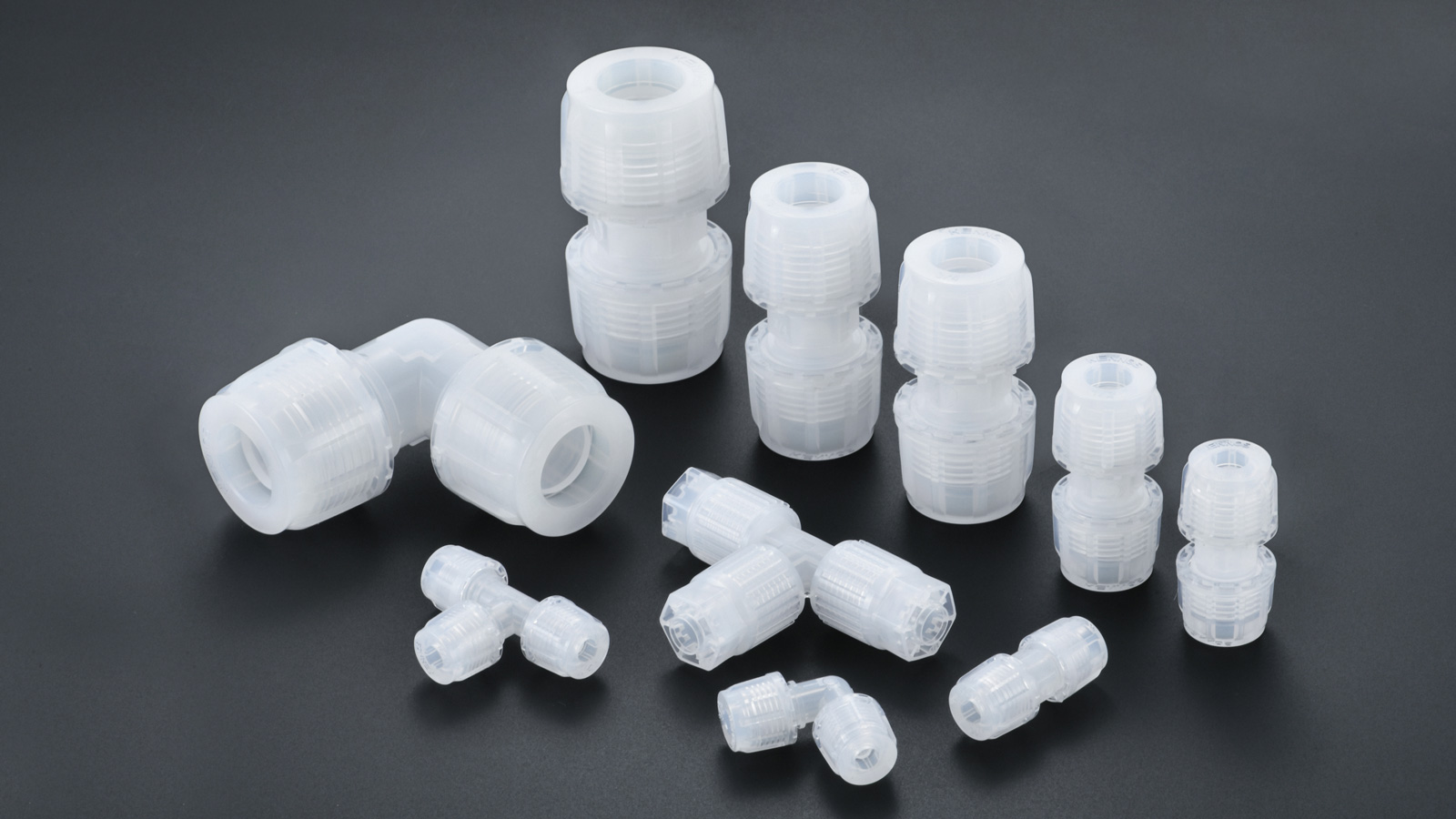
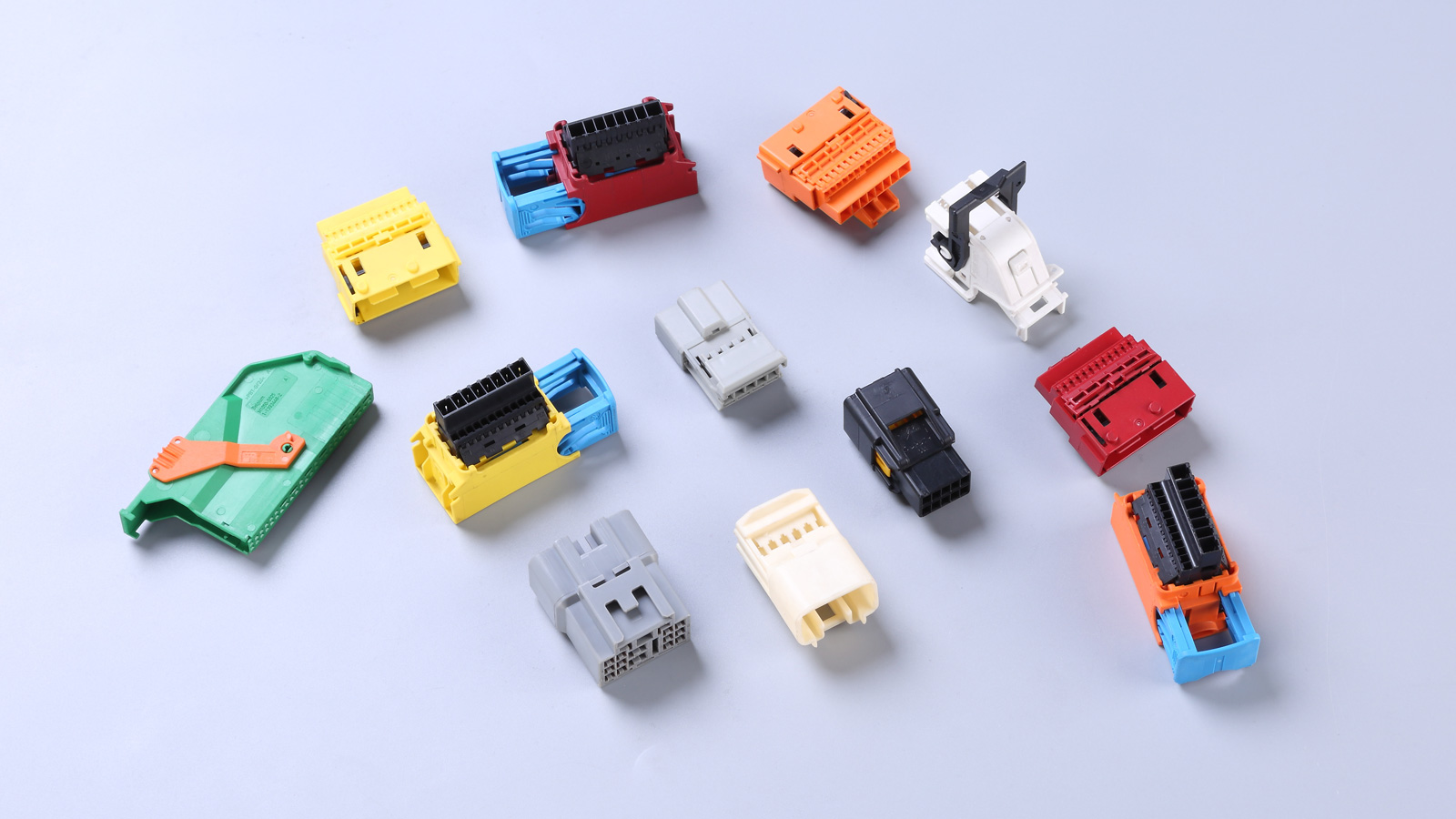
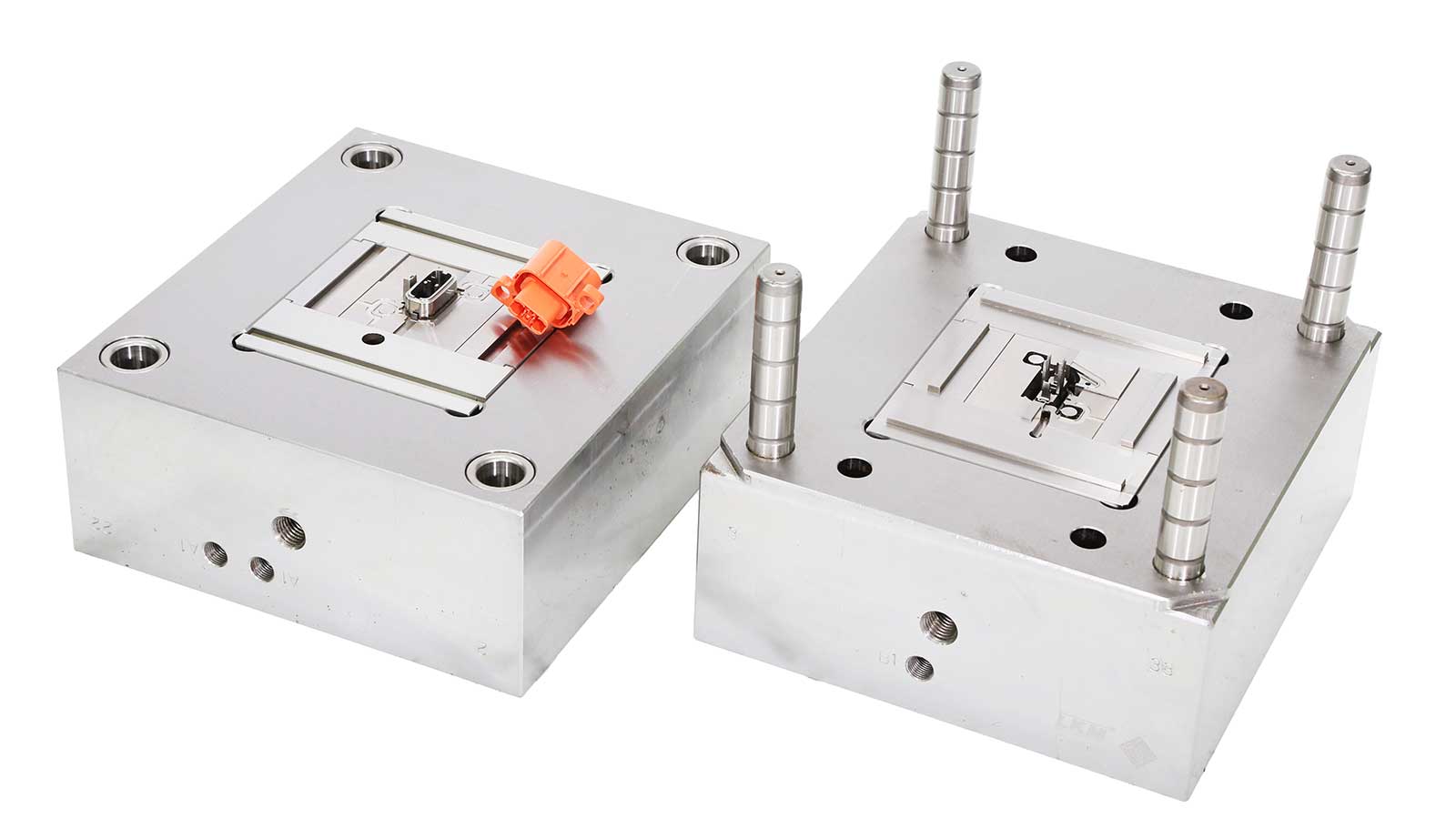
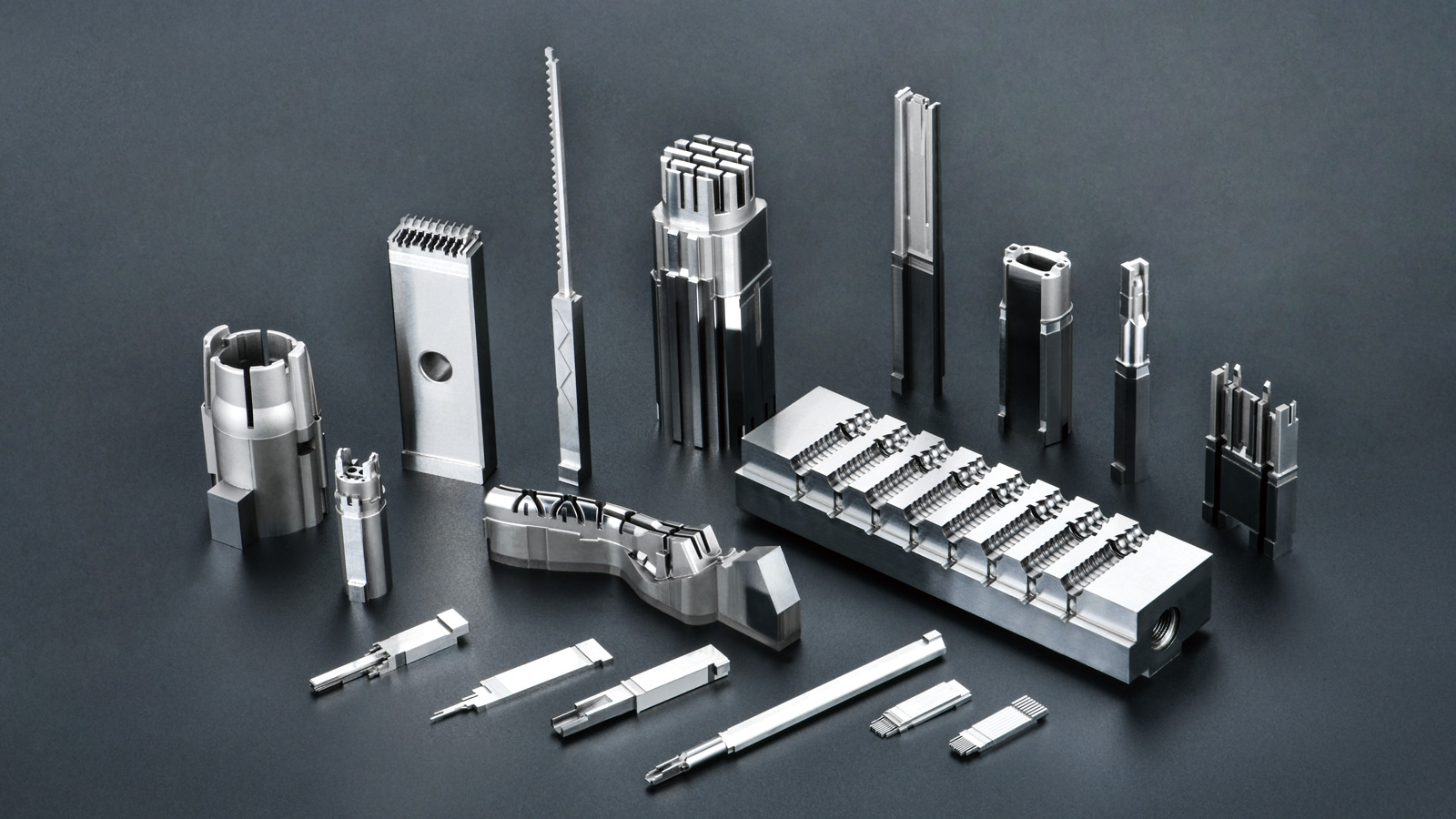
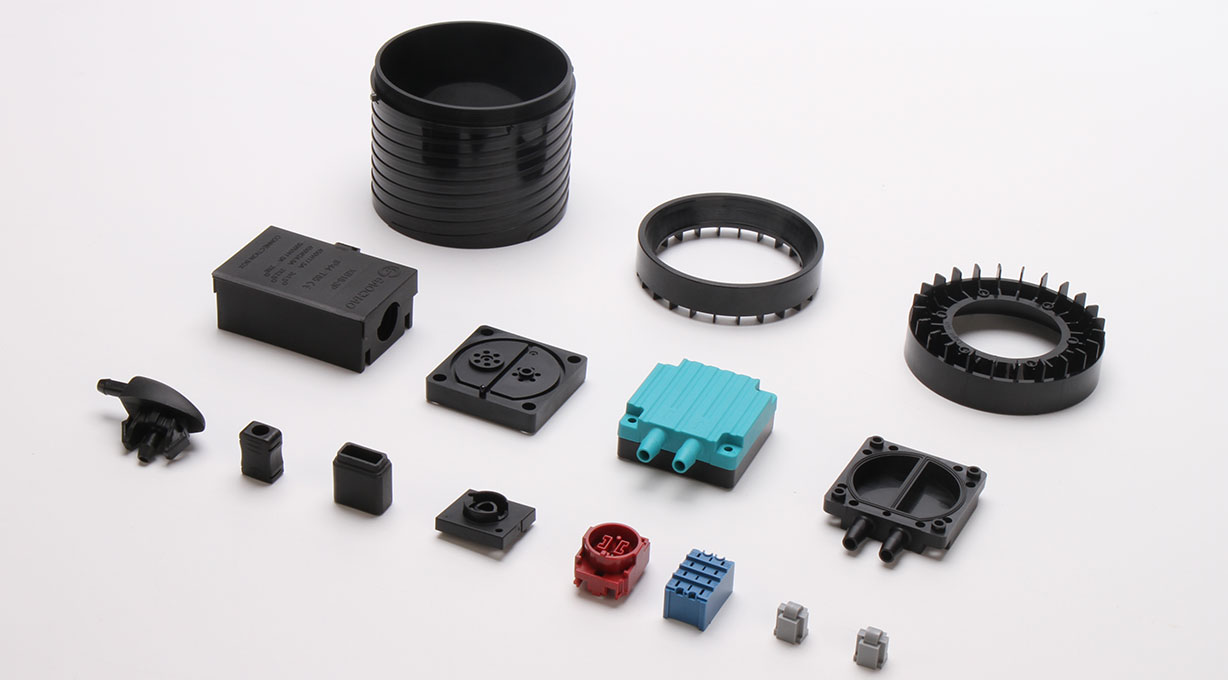

In the field of industrial production, precision injection molds play a pivotal role. Once a precision injection mold malfunctions after being put into mass production, the production line will be forced to shut down abnormally, resulting in unforeseeable losses. Therefore, how to effectively improve the stability of precision injection molds has become a crucial step in reducing economic losses and ensuring smooth production.
Design and Manufacturing Phase: Personnel Factors as the Foundation
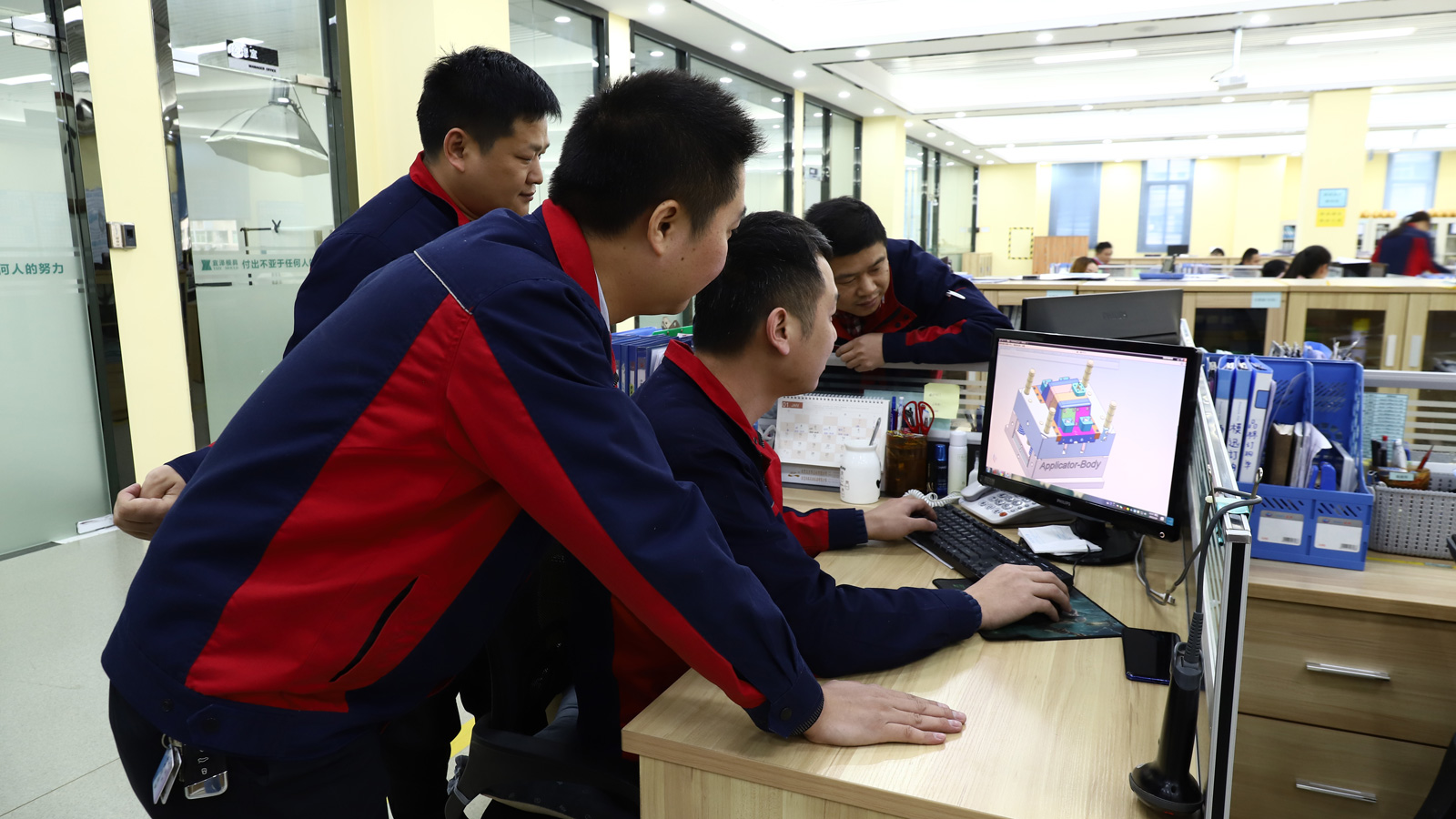
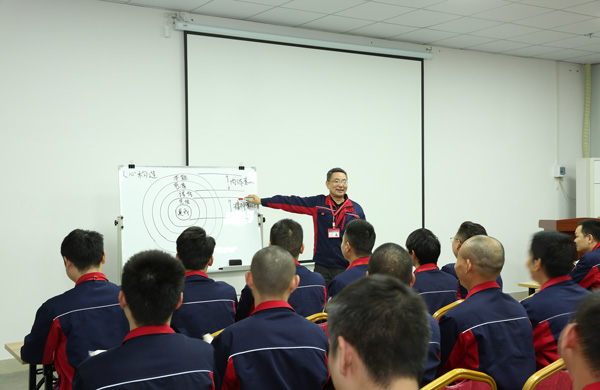
In the design and manufacturing process of precision injection molds, the work experience and operational skills of engineering personnel are fundamental factors influencing mold stability. The rationality of mold design cannot be confirmed without mold trials. Especially for precision injection molds, due to their high precision requirements, multiple mold trials and repeated modifications are often necessary to finalize a reasonable design scheme. This requires engineering personnel to not only possess solid professional knowledge but also have rich practical experience, enabling them to promptly identify problems during mold trials and rapidly propose effective solutions.
Key Influencing Factors: Multi-dimensional Analysis
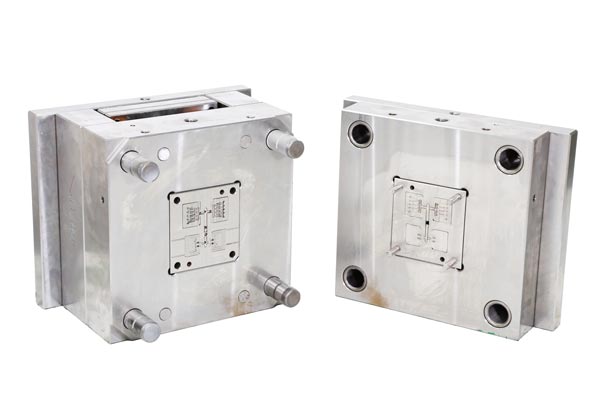
There are numerous factors influencing the stability of precision injection molds, covering multiple dimensions such as materials and structure. The details are as follows:
- Material Usage Methods: Different usage methods can significantly impact the performance of mold materials. For example, improper processing techniques may lead to stress concentration inside the material, thereby reducing the mold’s stability and service life. Therefore, reasonably selecting and strictly adhering to material usage methods is an important prerequisite for ensuring mold stability.
- Strength Requirements for Structural Components: The strength of mold structural components directly relates to the mold’s load-bearing capacity and resistance to deformation during the production process. If the strength of structural components is insufficient, under harsh working conditions such as high pressure and high temperature, the mold is prone to deformation, cracking, and other issues, seriously affecting normal production. Therefore, when designing molds, it is essential to accurately calculate and reasonably set the strength requirements for structural components based on actual production needs.
- Material Performance Stability: The stability of material performance is an important guarantee for mold stability. If there are significant fluctuations in material performance, such as differences in hardness and toughness between different batches, it will lead to dimensional deviations and surface quality degradation in the mold during production, thereby affecting product quality and stability. Therefore, selecting materials with stable performance and strictly controlling the quality fluctuation range of materials are key measures to improve mold stability.
- Material Fluctuation Characteristics: Material fluctuation characteristics include dimensional fluctuations and composition fluctuations. These fluctuations will directly affect the machining accuracy and assembly quality of the mold. For example, excessive dimensional fluctuations in materials may result in uneven fitting clearances between mold parts, affecting the mold’s sealing and motion accuracy. Therefore, strict detection and control of material fluctuation characteristics are required during material procurement and processing to ensure they meet mold manufacturing requirements.
- Material Variation Range: The material variation range reflects the performance changes of materials under different environmental conditions. For example, some materials may soften or creep under high-temperature conditions, causing changes in the mold’s dimensions and shape. Therefore, when selecting mold materials, it is necessary to fully consider their material variation range to ensure that the mold can maintain stable performance under various environmental conditions.
- Additive Selection: Additives play an important role in improving material performance, but different types of additives have varying impacts on mold stability. For example, some additives may react chemically with other components in the material, leading to a degradation in material performance; while others may improve the material’s wear resistance, corrosion resistance, and other properties, thereby enhancing the mold’s stability and service life. Therefore, when selecting additives, scientific and reasonable selection and matching should be carried out according to the specific usage requirements of the mold.
Stability Classification: Dual-dimensional Control
The stability of precision injection molds can be divided into two dimensions: manufacturing process stability and production stability. Manufacturing process stability refers to a process scheme capable of producing qualified products. A stable manufacturing process scheme should have clear process parameters, a reasonable processing flow, and strict quality control standards, ensuring that the quality of mold products produced under the same production conditions is stable and reliable. Production stability refers to a stable production and manufacturing capacity during the production process, including the stable operation of equipment, proficient operation of personnel, and timely supply of materials. Only by ensuring the stability of both manufacturing processes and production can the stability performance of precision injection molds be effectively controlled, achieving efficient and high-quality production goals.
In conclusion, improving the stability of precision injection molds is a systematic project. It requires starting with personnel factors in the design and manufacturing phase, comprehensively analyzing key factors influencing stability, and strictly controlling stability from the two dimensions of manufacturing processes and production. Only in this way can precision injection molds maintain stable and reliable performance during the production process, creating greater economic and social benefits for enterprises.