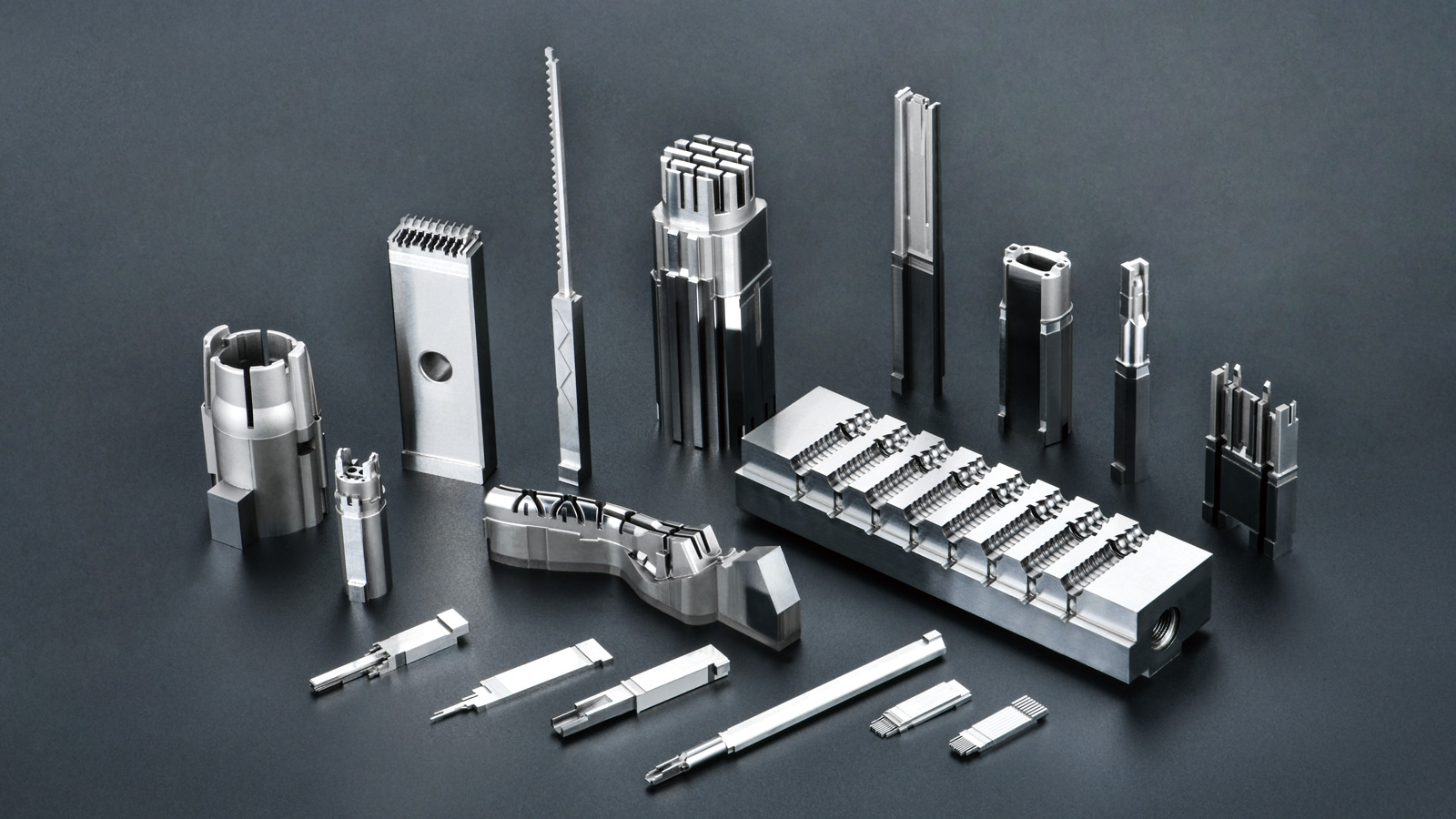
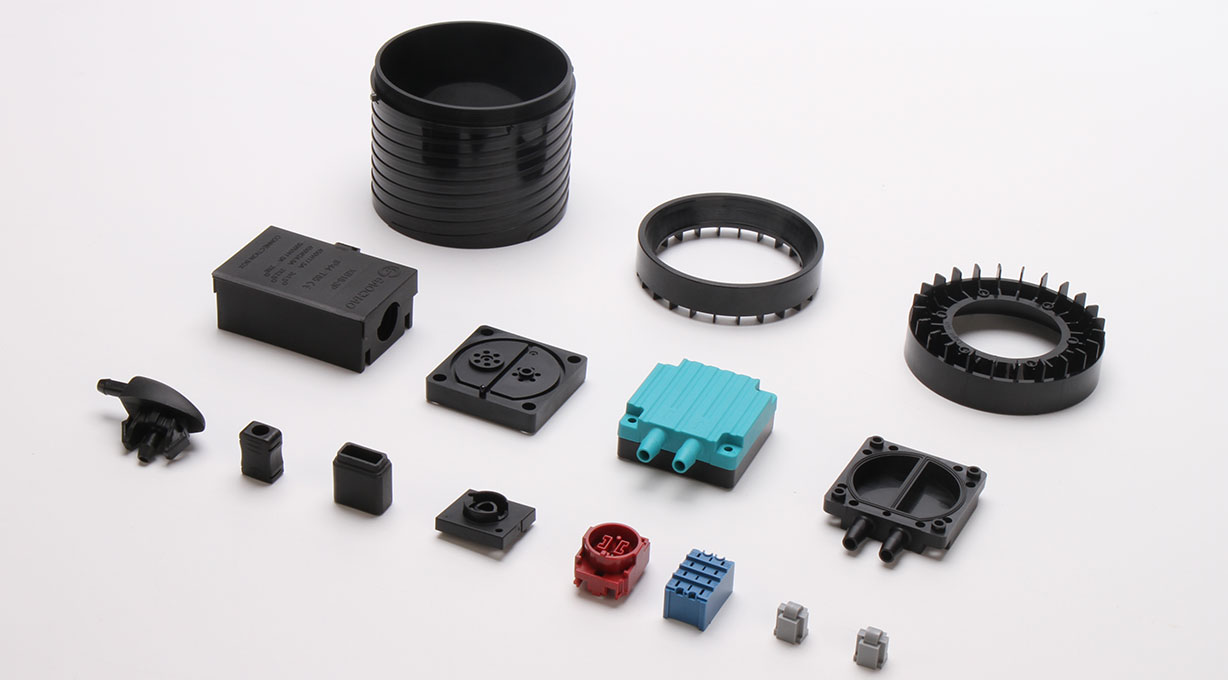





In the field of precision injection mold processing, quality control of formed parts is of utmost importance, and the methods for determining their quality standards vary depending on product characteristics. During the production process, both general-purpose plastics such as PP, PS, ABS, PVC, and PE, as well as some engineering-grade materials like PA6, PA66, PC, TPU, and POM, are used. The final choice of material mainly depends on the application area of the product.
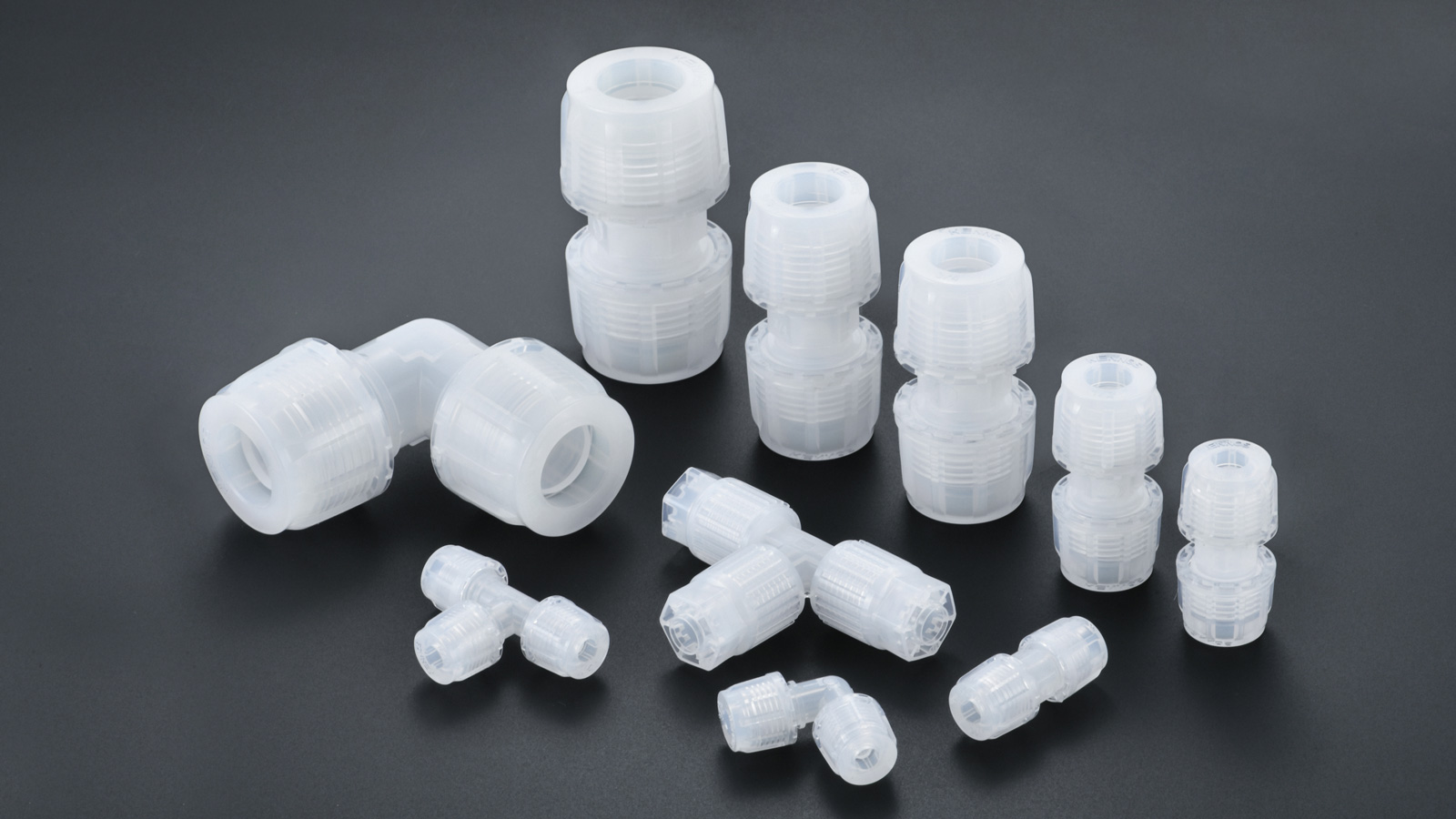
Due to the wide variety of plastics, adding other fillers to the raw materials can create modified materials. Moreover, the diverse shapes of plastic parts pose numerous challenges to precision injection mold processing. In actual production and processing, a commonly used method for quality judgment is based on the usage mode of the plastic parts, as detailed below:
1. Quality Standards for Internal Assembly Parts
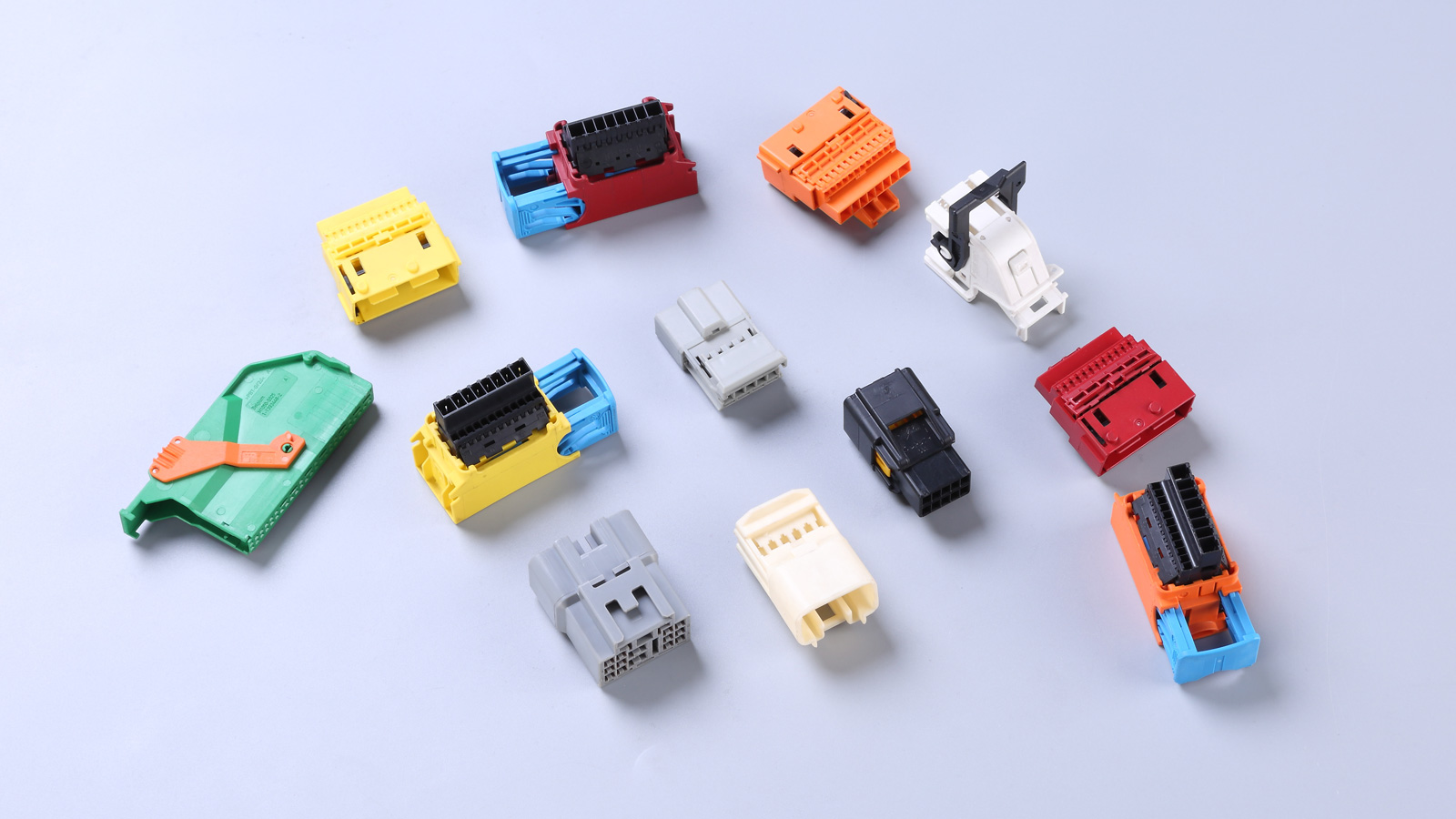
Internal assembly parts generally do not have strict requirements regarding appearance and dimensions. Their primary function is to form the internal structure of the product and provide support. Normally, users cannot directly see these components, so the focus of quality judgment is on meeting basic mechanical performance requirements. For example, it is necessary to ensure that internal assembly parts have sufficient strength, stiffness, and stability to withstand the corresponding loads and stresses during the product’s use, thereby guaranteeing the overall structural integrity and reliability of the product.
2. Quality Standards for Appearance Plastic Parts
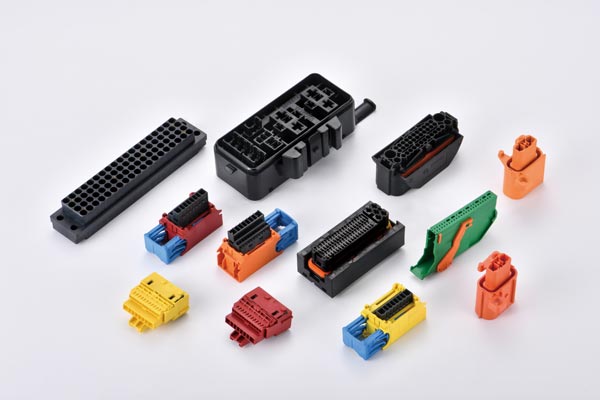
For appearance parts, the appearance effect of the product is a key consideration. Appearance parts need to exhibit good glossiness to make the product look more refined and high-end. At the same time, it is essential to ensure the integrity of the appearance, with no defects or flaws such as scratches, burrs, bubbles, or shrinkage marks. These defects not only affect the aesthetics of the product but may also reduce its perceived quality, thereby influencing consumers’ purchase intentions. Therefore, during the production process, it is crucial to strictly control process parameters to ensure that the quality of appearance parts meets high standards.
3. Quality Standards for Transparent Plastic Parts
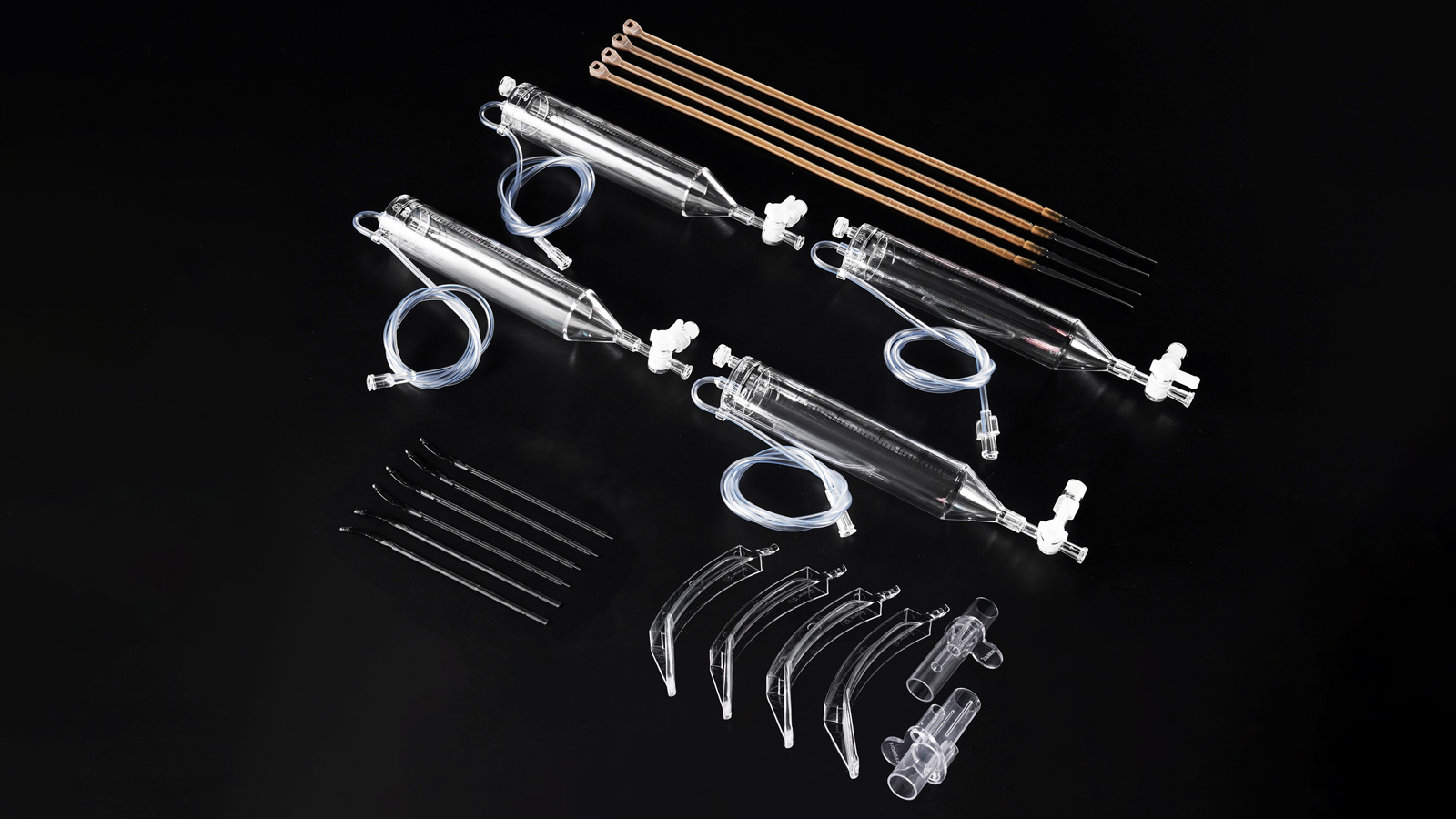
Transparent plastic parts are molded using transparent materials. Due to their special visual effects and application requirements, stricter quality control is imposed in terms of process debugging, equipment selection, the precision of precision injection mold processing, and the quality of raw materials. Both the internal and external quality requirements for plastic parts are very stringent. In terms of process debugging, it is necessary to precisely control injection temperature, pressure, and speed parameters to ensure uniform flow of the plastic within the mold and avoid defects such as flow marks and weld lines that affect transparency. When selecting equipment, high-precision and stable injection molding machines should be chosen to ensure the stability and repeatability of the molding process.
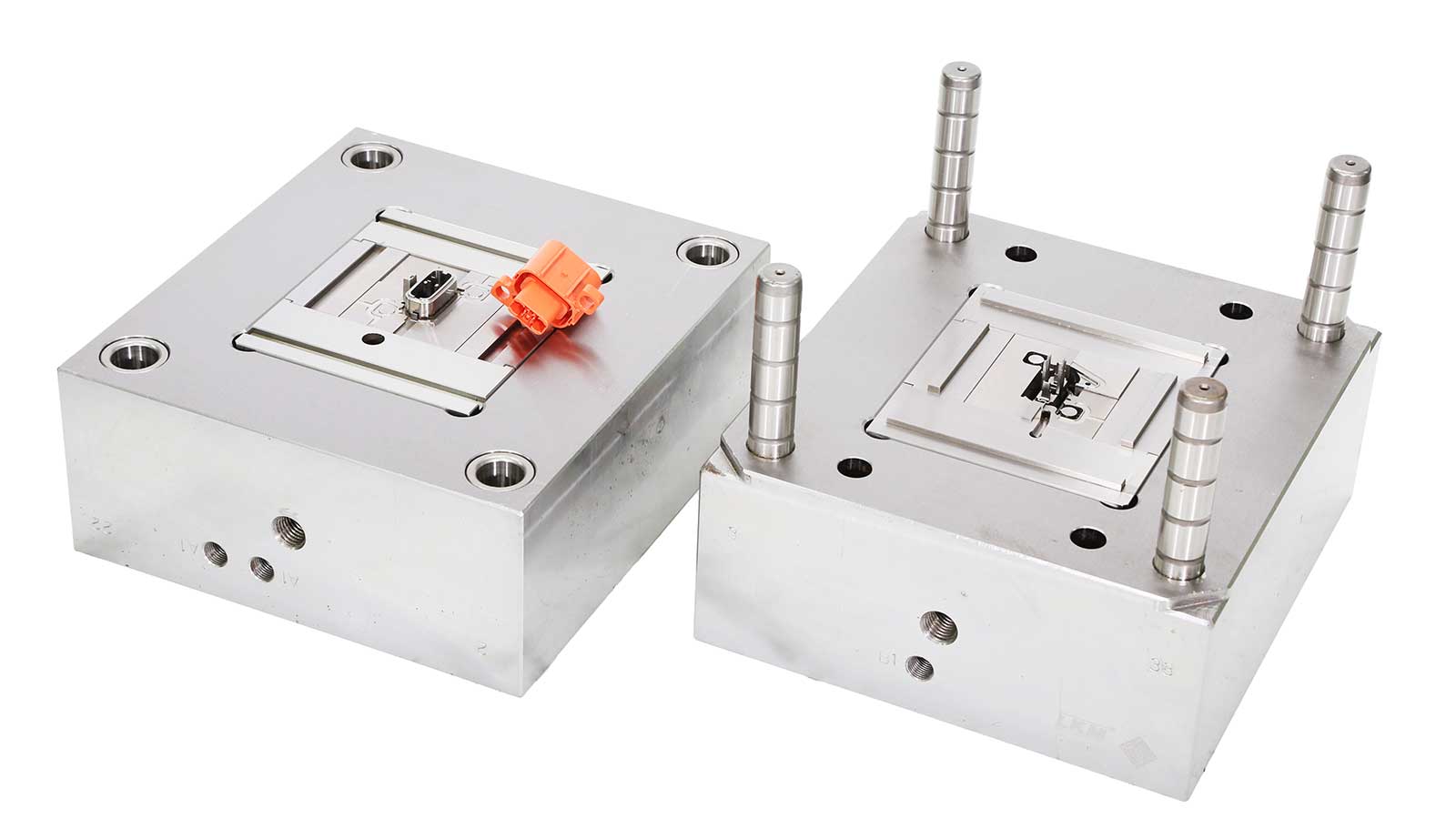
The precision of precision injection mold processing plays a decisive role in the quality of transparent plastic parts. The dimensional accuracy and surface roughness of the mold cavity need to reach extremely high levels to ensure that the formed plastic parts have precise dimensions and a smooth surface. Additionally, the quality of raw materials cannot be overlooked. High-quality transparent plastic raw materials with high purity and low impurity content should be selected to ensure that the internal and external quality of transparent plastic parts meet strict standards, presenting a clear, transparent, impurity-free, and flawless visual effect.
In conclusion, the methods for determining the quality standards of precision injection mold processing and formed parts should be based on the usage modes of different types of plastic parts. Only by strictly controlling each link can high-quality precision injection-molded parts be produced.