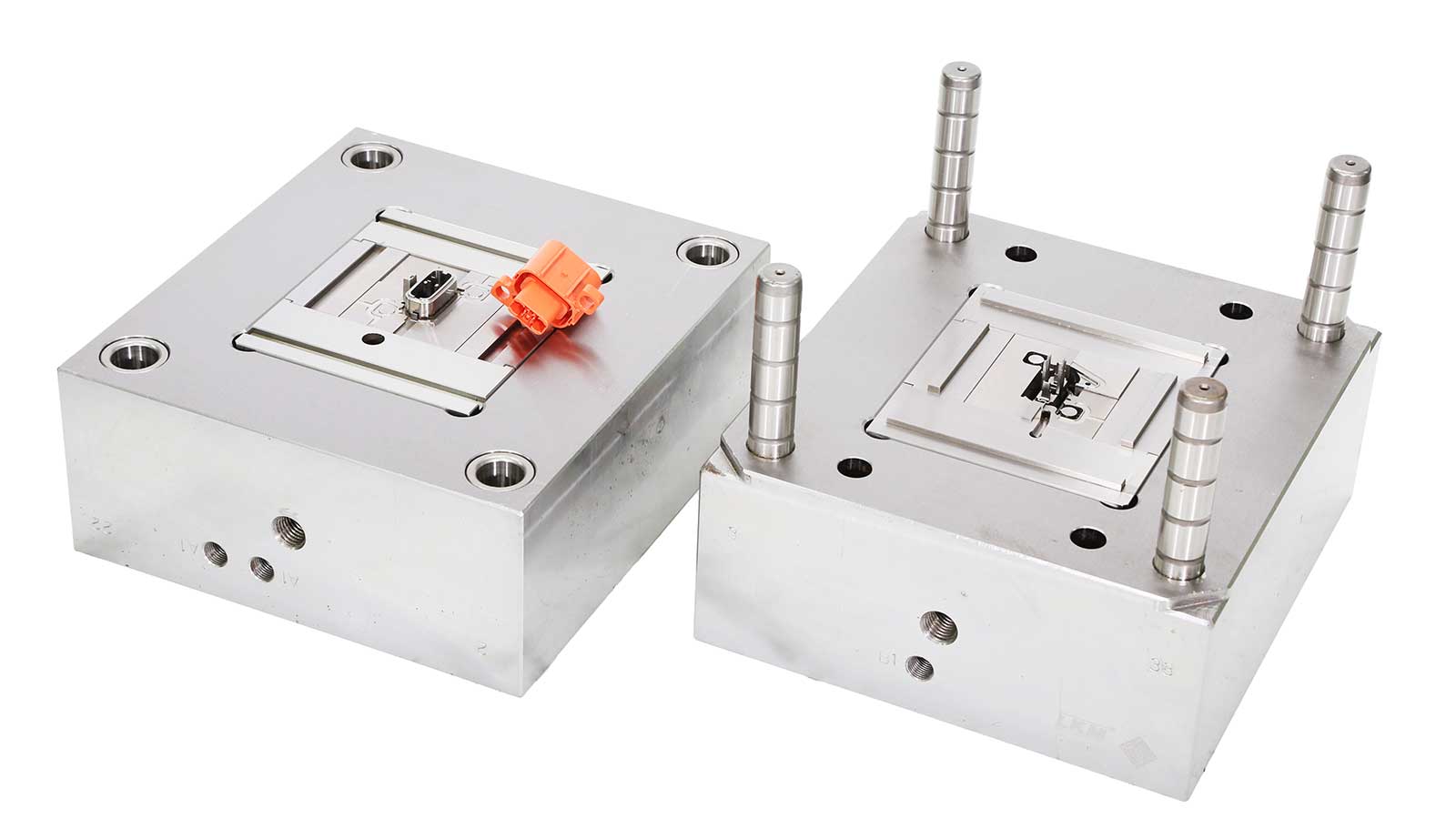
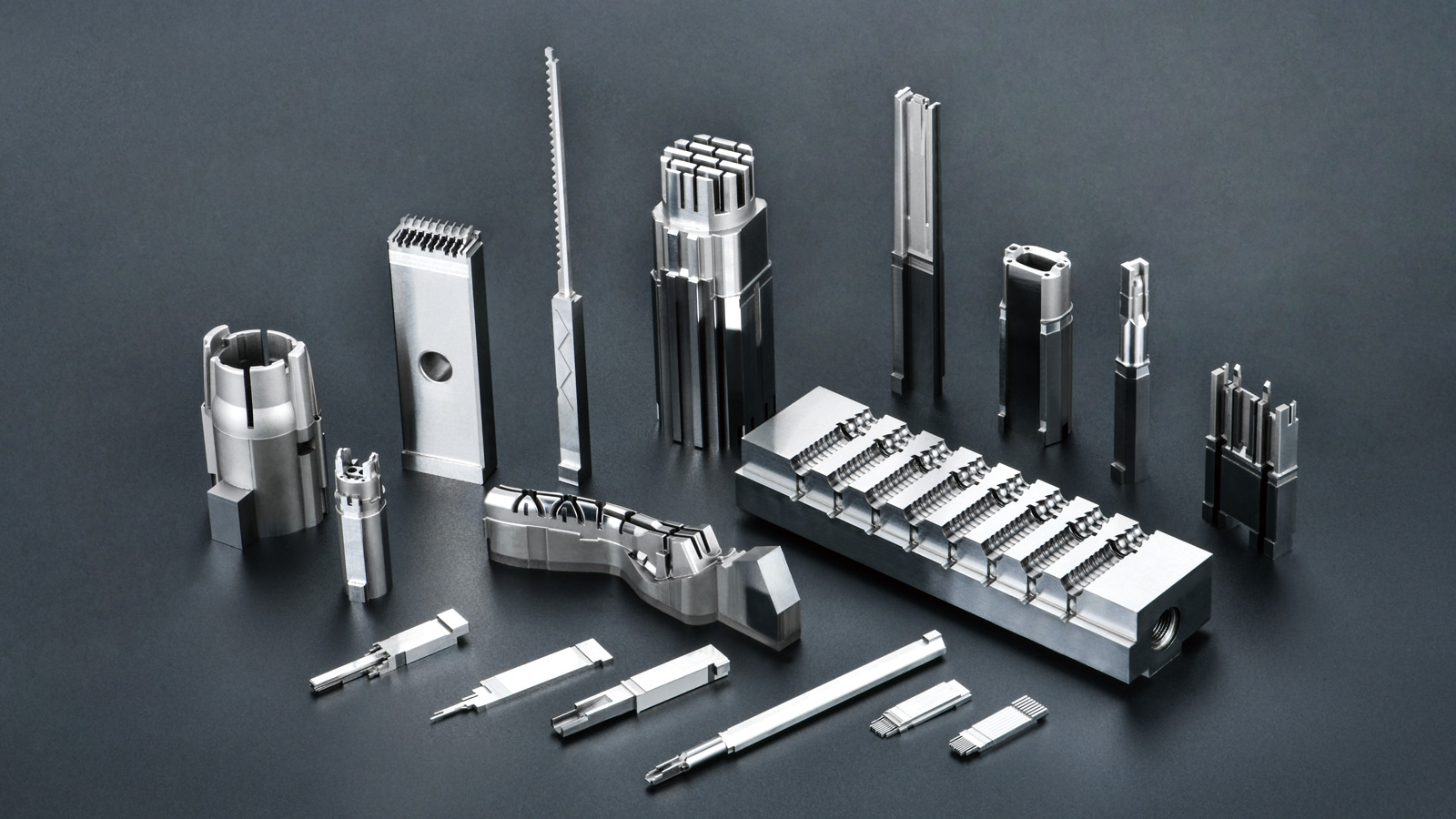
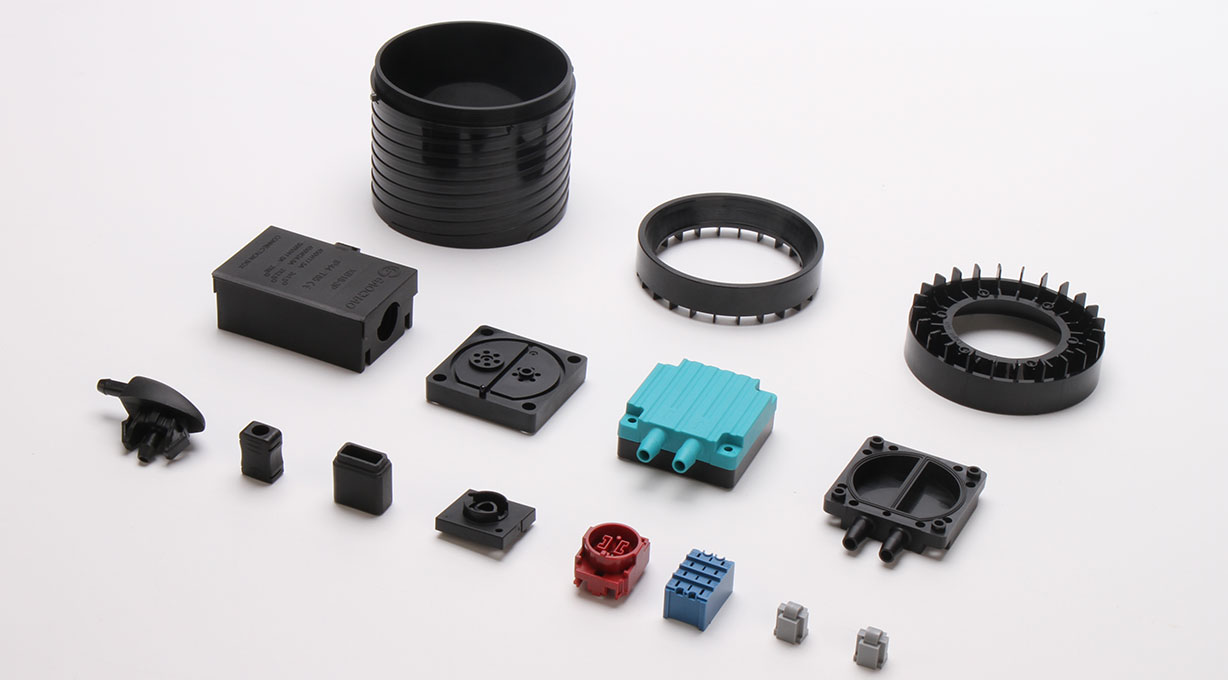



Precision injection molds play a pivotal role in industrial production, and their quality and performance directly impact the precision and quality of injection-molded products. The heat treatment process, as a crucial step in enhancing mold performance, possesses several unique and significant features. This article will delve into the characteristics of heat treatment processes for precision injection molds, providing comprehensive references for relevant practitioners.
The Essence of Heat Treatment Processes
In simple terms, a heat treatment process involves heating steel to an appropriate temperature, holding it for a certain period, and then cooling it slowly (usually by furnace cooling). This seemingly straightforward operation actually embodies profound principles of materials science and is an important means of altering the internal structure and improving the properties of steel.
The Remarkable Effects of Heat Treatment Processes
- Improving Machinability: In the initial stage of mold manufacturing, steel is often hard, making direct cutting difficult. Not only does it cause severe tool wear, but it also makes it hard to ensure machining accuracy. Heat treatment processes can reduce the steel’s hardness while increasing its plasticity, making it more “pliable” during cutting and facilitating precision machining.
- Optimizing the Internal Structure of Steel: The internal structure of steel has a decisive impact on its properties. Heat treatment processes can refine grains, making the steel’s structure more uniform and its composition more reasonable. After such treatment, the mechanical properties of steel, such as strength and toughness, are significantly improved, enabling it better to withstand various stresses during the injection molding process and extending the mold’s service life.
- Eliminating Internal Stresses to Prevent Deformation and Cracking: During steel processing, internal stresses are inevitably generated. Suppose these internal stresses are not eliminated on time. In that case, they will gradually release during mold use, leading to mold deformation or even cracking, seriously affecting production efficiency and product quality. Heat treatment processes can effectively eliminate residual internal stresses in steel, preventing deformation and cracking issues from the root and ensuring the stability and reliability of the mold.
Classification and Characteristics of Heat Treatment Processes
- Annealing Processes: Annealing processes can be further divided into full annealing, spheroidizing annealing, and stress-relief annealing. Full annealing is mainly used to improve the machinability of steel. By heating the steel to an appropriate temperature and holding it for a long time, followed by slow cooling, the steel’s structure is fully adjusted. Spheroidizing annealing focuses on making the carbides in steel distribute in a spherical shape, improving the steel’s toughness and machinability, and is commonly used for high-carbon steel and alloy tool steel. Stress-relief annealing is mainly aimed at eliminating internal stresses generated during steel processing to prevent deformation and cracking. Its heating temperature is relatively low, and the holding time is short.
- Normalizing Process: The purpose of normalizing is basically the same as that of annealing, but there are differences in operation. The cooling rate of normalizing is slightly faster than that of annealing, resulting in a finer pearlite structure after normalizing. This finer pearlite structure endows the steel with higher strength and hardness, making it superior to annealed steel in terms of performance. In the processing of precision injection molds, normalizing has unique advantages. Compared with annealing, normalizing has a shorter production cycle, enabling the completion of steel treatment in a shorter time and improving production efficiency. It is also more cost-effective, reducing energy consumption and equipment occupation time. Moreover, its operation is more convenient, without the need for complex cooling equipment and control processes. Therefore, when conditions permit, prioritizing the normalizing process can bring significant economic benefits to enterprises. However, for some complex parts with extremely high performance requirements, the annealing process is more suitable because its slow cooling process can better eliminate internal stresses and ensure the uniformity and stability of the part’s structure.
Precision injection molds’ heat treatment processes have significant effects such as improving machinability, optimizing internal structures, and eliminating internal stresses. The normalizing and annealing processes within it have their own characteristics. In actual production, the heat treatment process should be reasonably selected according to the specific requirements of the mold and the complexity of the part to achieve the optimization of mold performance and the maximization of production benefits.