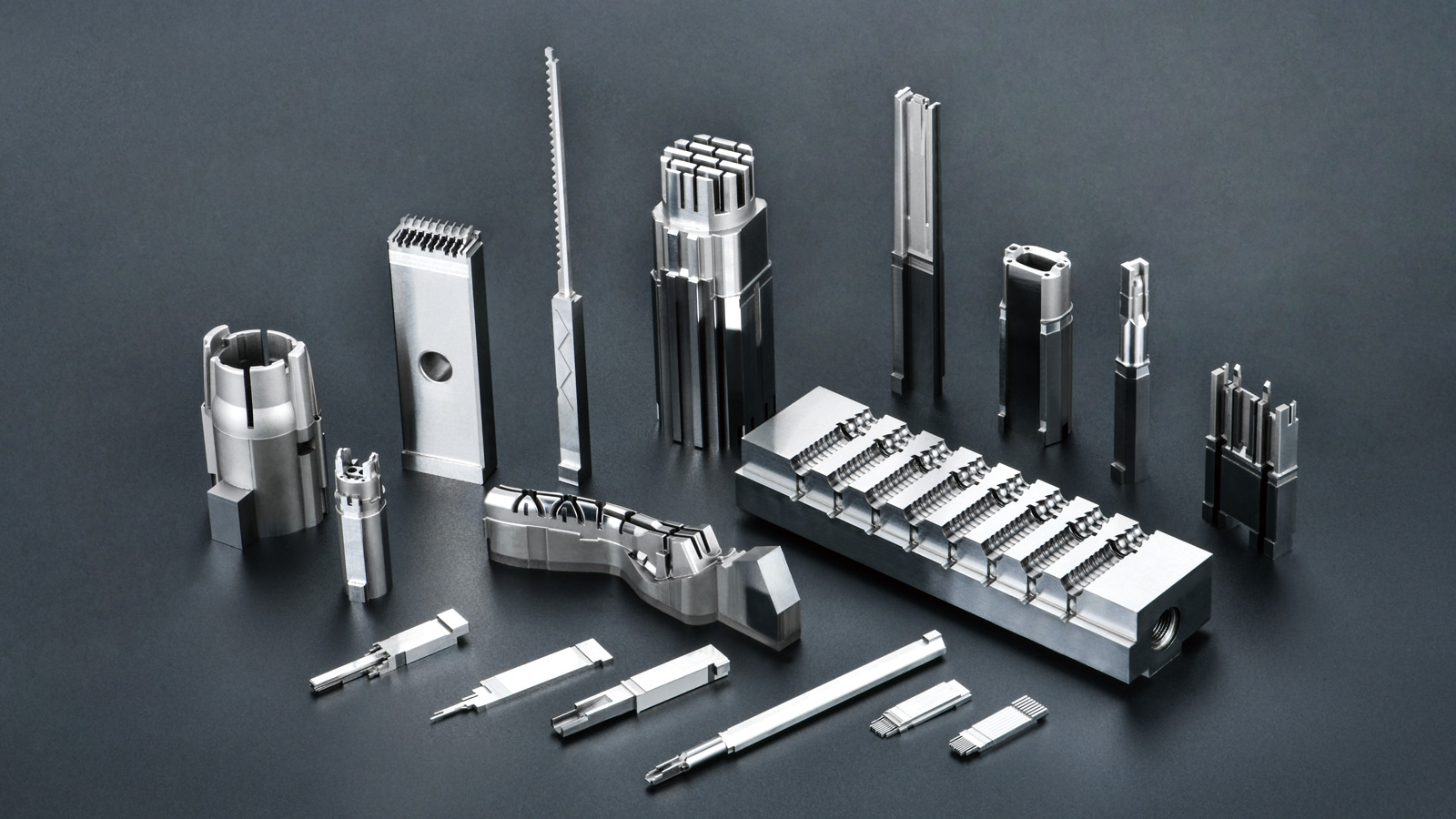
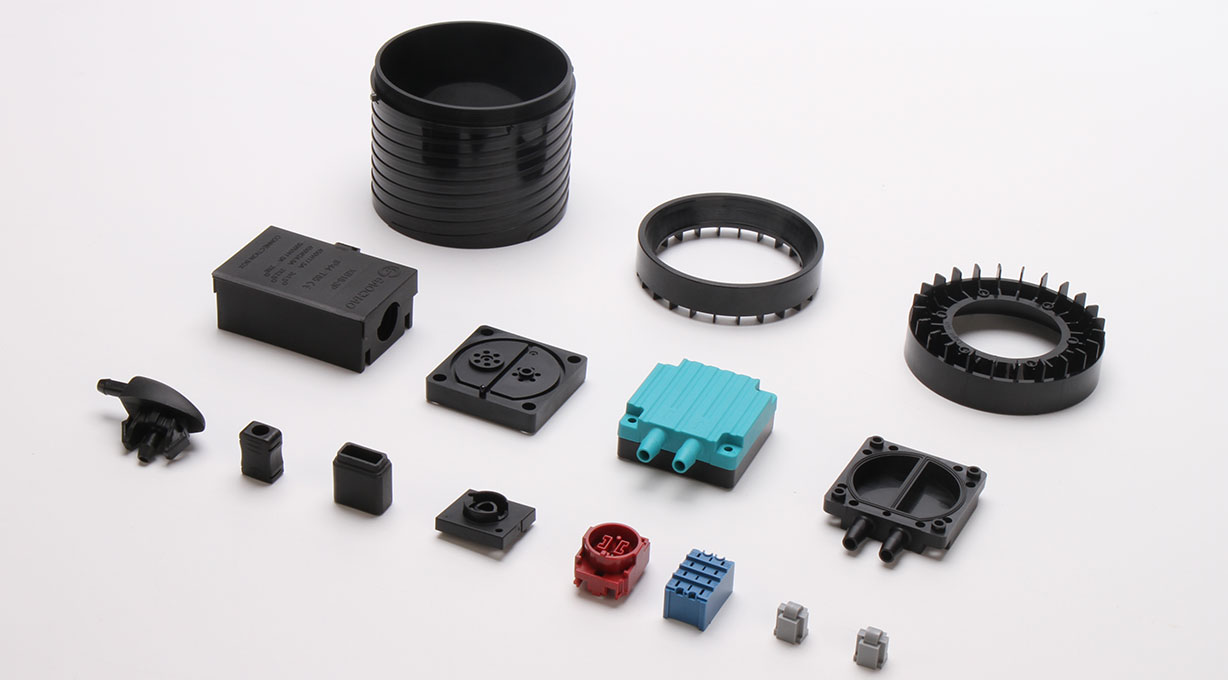




In the context of the booming market economy, the growing strength of enterprise owners, and increasingly stringent customer requirements, the procurement decisions regarding plastic injection molds are undergoing profound changes. Nowadays, more and more customers are unhesitatingly favoring quality over price when choosing between the two. So, what exactly does a high-quality plastic injection mold signify, and why has it gained such widespread preference?
1. Significantly Reducing Maintenance Costs and Extending Service Life
Plastic injection molds are not disposable items; they have a defined service life cycle. High-quality plastic injection molds, crafted through exquisite manufacturing processes, the selection of premium materials, and rigorous quality inspections, boast exceptional durability and stability. Compared to ordinary molds, their service life can be up to three times longer. This means that over the long term of production, enterprises do not need to frequently repair or replace the molds, thereby substantially reducing production interruptions caused by mold failures. It cuts down on maintenance costs, enhances production efficiency, and saves considerable funds and time for the enterprise.
2. Ensuring the Quality of Plastic Products and Production Stability
High-quality plastic injection molds are the core element in manufacturing high-quality plastic products. They can precisely control the flow, filling, and cooling processes of the plastic, ensuring that each plastic product has consistent dimensional accuracy, good surface quality, and stable physical properties. This not only meets customers’ demands for high-quality products, enhancing the products’ market competitiveness, but also effectively avoids losses resulting from product quality issues such as returns and rework. Moreover, a stable production process enables enterprises to arrange production plans reasonably, improve production management efficiency, ensure on-time order delivery, and maintain a good corporate reputation.
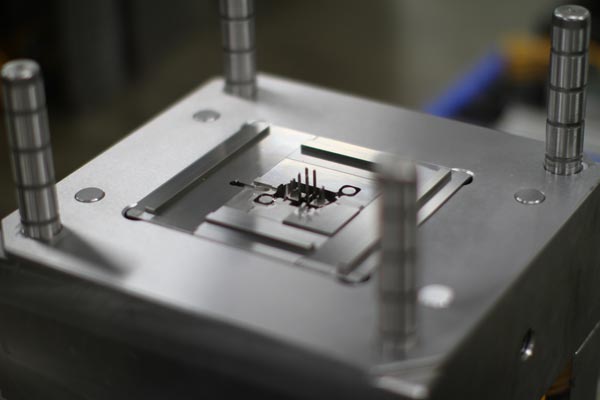
3. Relying on Advanced Equipment to Ensure Precision Manufacturing
High-quality plastic injection molds cannot be produced without advanced manufacturing equipment. To manufacture high-precision, high-performance molds, manufacturers usually introduce world-class processing and inspection equipment. Although these imported equipment come with high costs, they can provide outstanding processing accuracy and stability, ensuring that each component of the mold meets strict design requirements. In contrast, molds produced using low-end equipment are prone to dimensional deviations and rough surfaces due to limited processing accuracy, failing to meet the production requirements of high-quality plastic products. Therefore, the relatively high price of high-quality molds is an inevitable result of their exquisite craftsmanship and significant equipment investment.
4. Avoiding the Potential Risks of Low-End Molds
Some customers are often attracted by the short-term price advantages of low-end and inexpensive plastic injection molds when making procurement decisions. However, these low-end molds are usually made of inferior materials with rough processing techniques, making them prone to rusting and damage. After short-term use, problems such as mold deformation and increased wear may arise, leading to unstable quality of the produced plastic products or even rendering them unusable. This not only incurs additional repair and replacement costs for the enterprise but may also affect production schedules, causing order delays and resulting in greater economic losses for the enterprise. Therefore, from the perspective of long-term use, choosing a manufacturer of high-quality plastic injection molds is a wise decision that can help enterprises avoid numerous potential risks and ensure continuous and stable production.
FAQ
Q1: What is the general service life of a high-quality plastic injection mold?
A1: The service life of a high-quality plastic injection mold is influenced by multiple factors, such as mold material, frequency of use, and maintenance conditions. Generally, under normal use and maintenance, its service life can be up to three times that of ordinary molds, ranging from hundreds of thousands to millions of cycles.
Q2: How can I judge the quality of a plastic injection mold?
A2: Judging the quality of a plastic injection mold can be done from several aspects. First, check the mold material; high-quality molds usually use high-strength, wear-resistant, and corrosion-resistant materials. Second, observe the processing accuracy of the mold, including dimensional accuracy and surface roughness. Third, understand the rationality of the mold design, such as whether the gating system and cooling system are optimized. Finally, investigate the reputation and credibility of the mold manufacturer and choose a manufacturer with rich experience and a good reputation.
Q3: Why are high-quality plastic injection molds relatively expensive?
A3: The relatively high price of high-quality plastic injection molds mainly stems from the following aspects. First is the material cost; high-quality mold materials are relatively expensive. Second is the equipment investment; manufacturing high-quality molds requires advanced processing and inspection equipment, which are costly. Third is the process requirements; the manufacturing process of high-quality molds is complex, involving multiple procedures and strict quality inspections, resulting in increased labor and technical costs.
Q4: What specific benefits can high-quality plastic injection molds bring to an enterprise?
A4: High-quality plastic injection molds can bring multiple benefits to an enterprise. In terms of cost, they can reduce maintenance costs and scrap rates, minimizing production losses caused by mold failures. In terms of quality, they can improve the quality and consistency of plastic products, enhancing the products’ market competitiveness. In terms of production efficiency, they can ensure production stability and continuity, improving production efficiency, shortening production cycles, and meeting customers’ delivery deadlines.