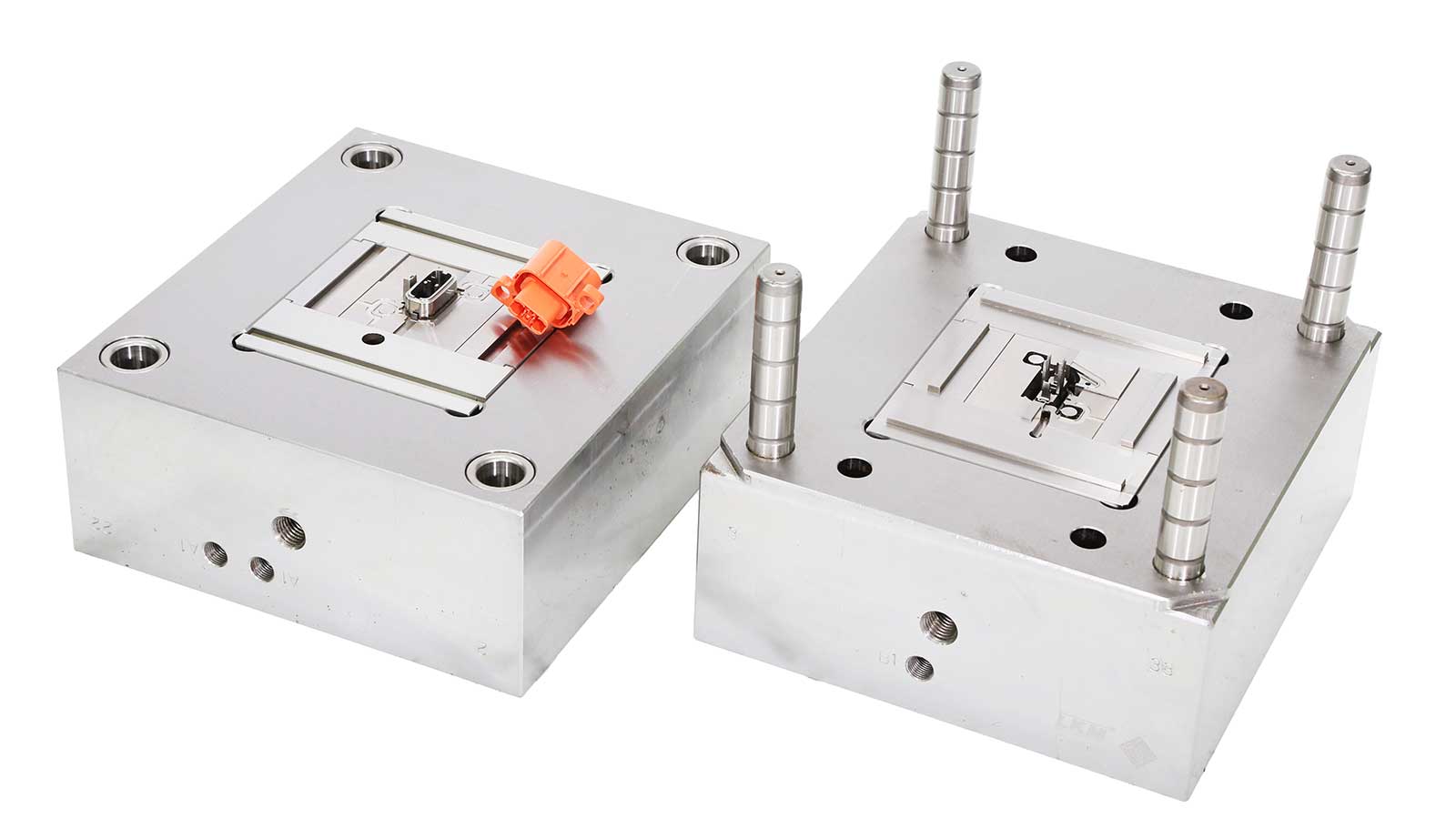
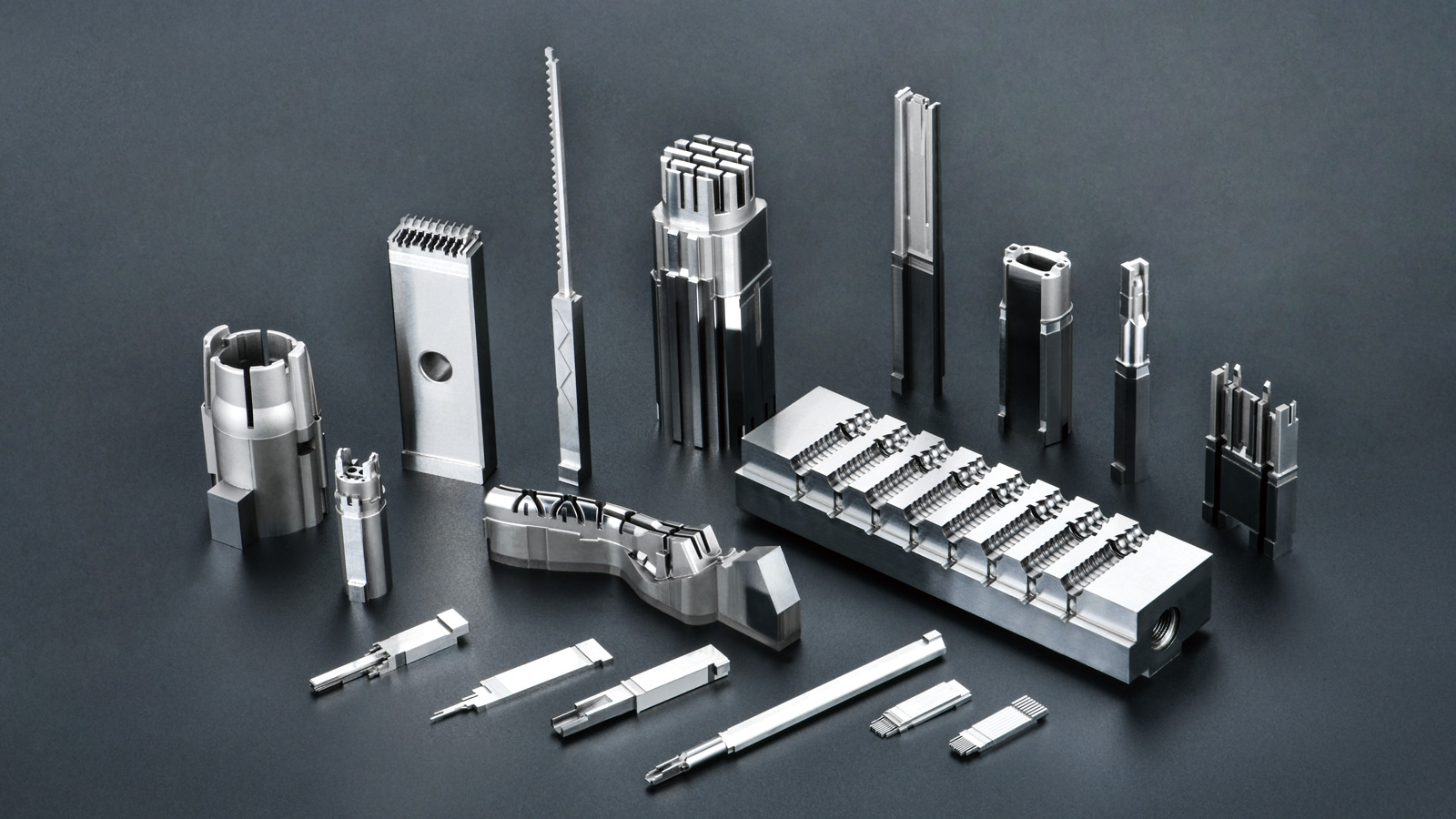
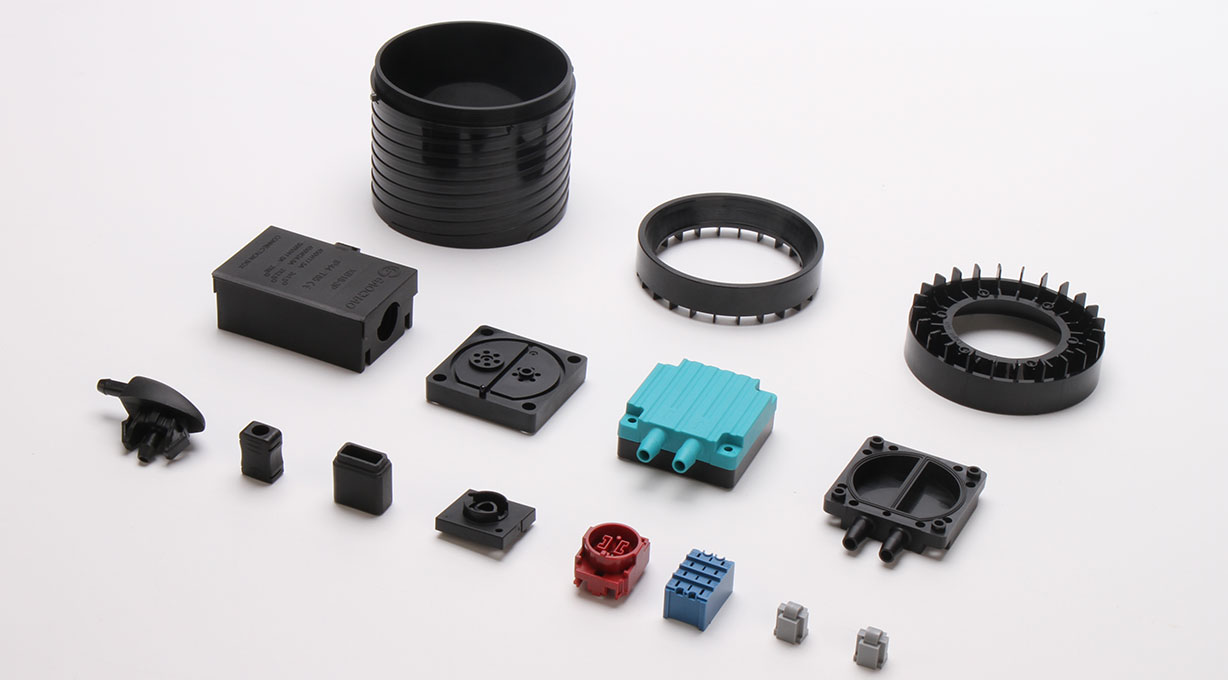

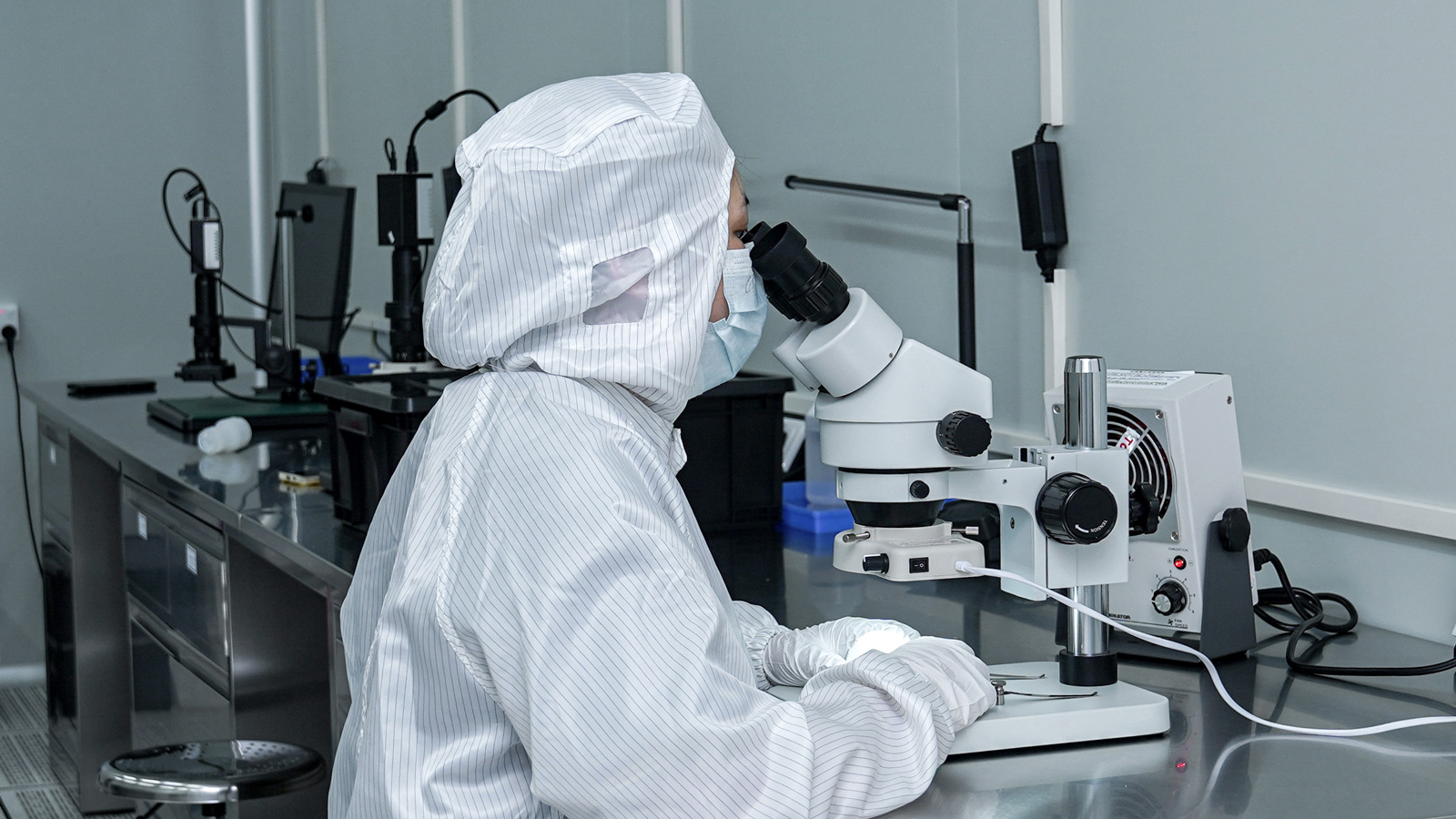

In the field of injection mold manufacturing, hot runner technology has achieved rapid development in recent years due to its numerous advantages and has become a mainstream application technology in the industry. According to statistics, over 40% of the molds produced by many professional injection mold factories adopt hot runner technology, which fully demonstrates its popularity and importance in the industry.
I. Analysis of the Basic Concepts of Cold Runner and Hot Runner
The cold runner is a crucial part connecting the inlet and the product gate in an injection mold. Its working principle relies on the injection pressure and the heat of the plastic itself to maintain a flowing state. However, the cold runner plays a dual role in the injection molding process. On one hand, it serves as a channel for plastic flow, ensuring that the product can be filled smoothly. On the other hand, the runner itself becomes a part of the product, even though it is not required by the product. Therefore, during the injection mold design phase, engineers need to carefully consider the filling effect while striving to optimize material usage by shortening and reducing the size of the runner to minimize unnecessary waste.
In contrast, hot runner technology, also known as runnerless technology, represents a revolutionary breakthrough in runner design. In a hot runner system, the plastic in the runner does not cool and solidify after each injection is completed. As a result, there is no need to remove the sprue from the runner when the injection-molded product is ejected. This feature not only simplifies the ejection process but also achieves dual optimization in material and time utilization, bringing significant cost reductions and efficiency improvements to injection mold manufacturing.
II. Core Advantages and Application Value of Hot Runner Technology
- Material Savings and Cost Reduction: Hot runner technology maximizes material utilization by eliminating the cooling and solidification process of plastic in the runner. Compared to traditional cold runners, hot runner systems can significantly reduce waste generation and lower raw material costs. Additionally, the absence of sprue removal reduces subsequent processing steps, further reducing production costs.
- Production Efficiency Enhancement: Hot runner technology shortens the injection cycle and improves production efficiency. Since the plastic in the runner remains in a flowing state, the next injection can commence immediately after product ejection without waiting for the runner to cool, thereby accelerating the production rhythm and increasing overall capacity.
- Product Quality Optimization: Hot runner technology helps reduce internal stress concentration in products and improves dimensional accuracy and surface quality. Due to the uniform temperature of the plastic in the runner, problems caused by temperature differences, such as uneven shrinkage, are minimized, thereby enhancing the overall quality of the product.
- Increased Design Flexibility: Hot runner technology provides greater flexibility in mold design. Engineers can flexibly design the runner layout according to product requirements to achieve injection molding of complex products. Furthermore, hot runner systems support multi-cavity mold design, further improving production efficiency and cost-effectiveness.
III. Future Development Trends of Hot Runner Technology
With the continuous advancement of injection mold manufacturing technology, hot runner technology will continue to innovate and develop. In the future, hot runner systems will become more intelligent and integrated, enabling precise control and real-time monitoring of runner temperature through advanced sensors and control systems, thereby further enhancing the stability and reliability of injection molding. Additionally, hot runner technology will deeply integrate with other advanced manufacturing technologies (such as 3D printing and smart manufacturing) to drive injection mold manufacturing to a higher level.
FAQ (Frequently Asked Questions)
Q1: Is hot runner technology suitable for all types of injection molds?
A1: Although hot runner technology has wide applicability, it is not suitable for all injection molds. Its application needs to be comprehensively considered based on factors such as product characteristics, material type, and production volume. For some special products or materials, cold runners may still be a better choice.
Q2: Are the maintenance costs of hot runner systems high?
A2: The maintenance costs of hot runner systems are relatively low. Due to their well-designed components and durability, as well as the reduction in waste generation and subsequent processing steps, the long-term maintenance costs of hot runner systems are usually lower than those of traditional cold runner systems.
Q3: How to choose a suitable hot runner supplier?
A3: When selecting a hot runner supplier, factors such as technical strength, product quality, after-sales service, and price should be comprehensively considered. It is recommended to choose a supplier with extensive industry experience, a good reputation, and a complete service system to ensure the stable operation and long-term benefits of the hot runner system.
Q4: Can hot runner technology achieve multi-color injection molding?
A4: Yes, hot runner technology fully supports multi-color injection molding. By reasonably designing the runner layout and control system, simultaneous or sequential injection of different colored plastics can be achieved, thereby producing products with multi-color effects.