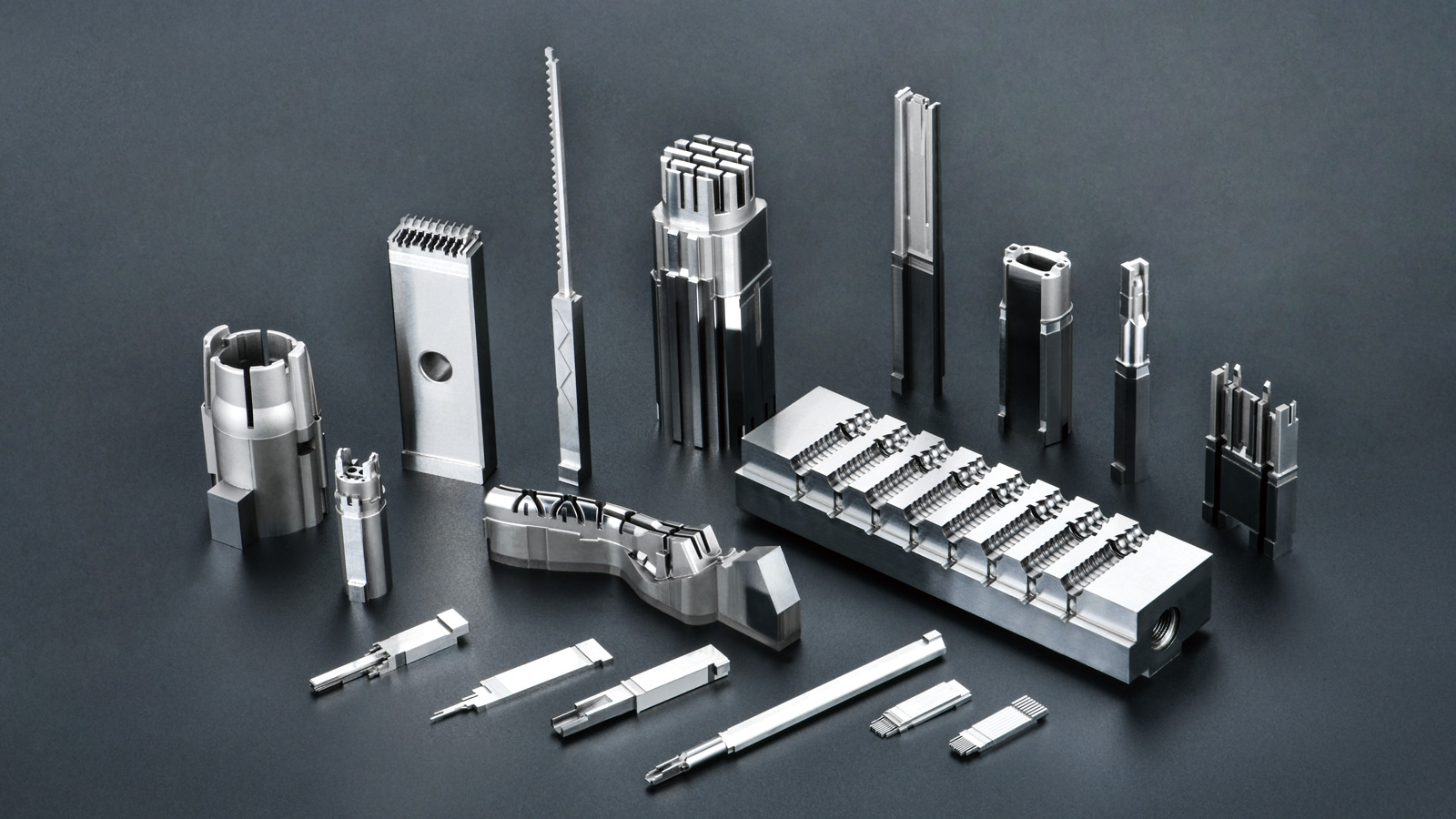
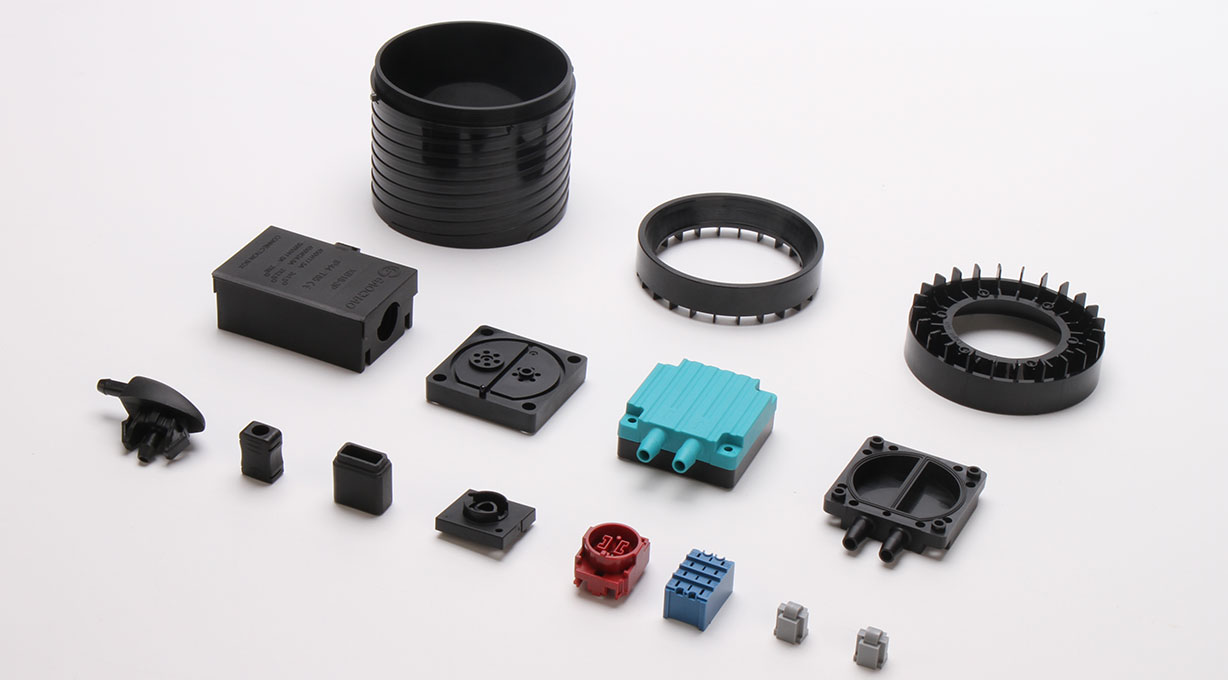


In the field of injection mold manufacturing, the accuracy control of molds is of utmost importance as it directly affects the quality and performance of the final products. Those with a basic understanding of injection molds are well aware of its significance. So, how can we effectively improve the accuracy of injection molds? For this purpose, the author specifically consulted a senior engineer with 15 years of industry experience to share some practical tips.
Follow Reasonable Structural Principles
During the mold design process, it is advisable to avoid using structural plans that do not conform to the Abbe principle as much as possible. The Abbe principle is an important guideline in the measurement field. Reasonably following it in mold design can effectively reduce errors caused by unreasonable structures and ensure mold accuracy from the source.
Avoid the Risk of Error Accumulation
On one hand, it is necessary to prevent the accumulation of deviations caused by wear. Molds will inevitably experience wear during long-term use. If wear deviations keep accumulating, it will seriously affect mold accuracy. Therefore, when designing, full consideration should be given to the wear resistance of components. Appropriate materials and surface treatment processes should be selected to reduce the impact of wear on accuracy.
On the other hand, it is crucial to prevent the accumulation of production and processing deviations and wear amounts. Precision control in the production and processing links is vital. Any minor deviation may accumulate with the wear amount during subsequent use, leading to a decrease in mold accuracy. Thus, strict control of process parameters during processing is required to ensure that the processing accuracy meets the design requirements.
Optimize Guide Rail Design
The driving force and support force of the guide rail should act on the pressure centers of the sliding friction forces of the two guide rails. This allows the torques generated by the sliding friction forces of the two guide rails to balance each other, avoiding unstable guide rail movement due to unbalanced torques and thus affecting mold accuracy.
For guide rails with high precision requirements, it is not advisable to use a small number of ball bearings for support. A small number of ball bearings may not be able to evenly distribute the load, easily causing local overstressing of the guide rail and deformation, thereby reducing the motion accuracy of the guide rail. Therefore, the number of ball bearings and the support method should be reasonably selected according to the precision requirements and operating conditions of the guide rail.
Pay Attention to Transmission Gear Design
In reduction transmission gears that require motion accuracy, the final reduction ratio should be set to the highest value. A higher reduction ratio can make the gear transmission more stable, reducing impacts and vibrations during the transmission process and thus improving motion accuracy and stability.
Ensure Measurement and Bearing Accuracy
The number of screw threads on the screw used for precise measurement should not be too few. Too few screw threads will reduce the measurement resolution, making it impossible to accurately reflect minor dimensional changes and affecting measurement accuracy. Therefore, when designing the measurement screw, the number of screw threads should be reasonably determined according to the measurement accuracy requirements.
The radial runout of the screw bearing must be strictly restricted. Radial runout will introduce unstable factors during the movement of the screw, leading to increased measurement errors. By using high-precision bearings and reasonable installation methods, the radial runout of the screw bearing can be effectively restricted and measurement accuracy can be improved.
Rationally Match Bearing Accuracy
It is necessary to prevent the unreasonable matching of bearing accuracy. The combination of bearings with different precision levels may lead to a decrease in the overall accuracy of the transmission system. Therefore, when selecting bearings, their precision levels should be reasonably matched according to the mold’s accuracy requirements and operating conditions to ensure precision matching among components.
Reasonably Arrange Bearing Axial Runout
The unreasonable arrangement of bearing axial runout should be avoided. Bearing axial runout will affect the axial motion accuracy of mold components. If the arrangement is unreasonable, the runout will accumulate, further reducing accuracy. During the design process, the axial runout of the bearing should be reasonably arranged by optimizing the bearing installation position and support structure to reduce its impact on mold accuracy.
Reduce the Impact of Fixed Screws
The impact of fixed screws on the accuracy of rolling guide rails should be prevented. During the installation of fixed screws, additional stress may be applied to the rolling guide rails, causing deformation of the guide rails and thus affecting their motion accuracy. Therefore, when installing fixed screws, appropriate torques and installation sequences should be used to avoid unnecessary damage to the guide rails.
Reasonably Select Swing Rod Mechanisms
When there is a large gap between the swing rod and the guide path, a sine mechanism should be used instead of a tangent mechanism. The sine mechanism has higher accuracy than the tangent mechanism. In the case of a large gap, the sine mechanism can better ensure the motion accuracy of the swing rod and reduce errors caused by the gap.
By following these practical tips for overall design, the accuracy of injection molds can be effectively improved during the design stage, laying a solid foundation for subsequent manufacturing and use and enabling the production of high-quality injection-molded products.