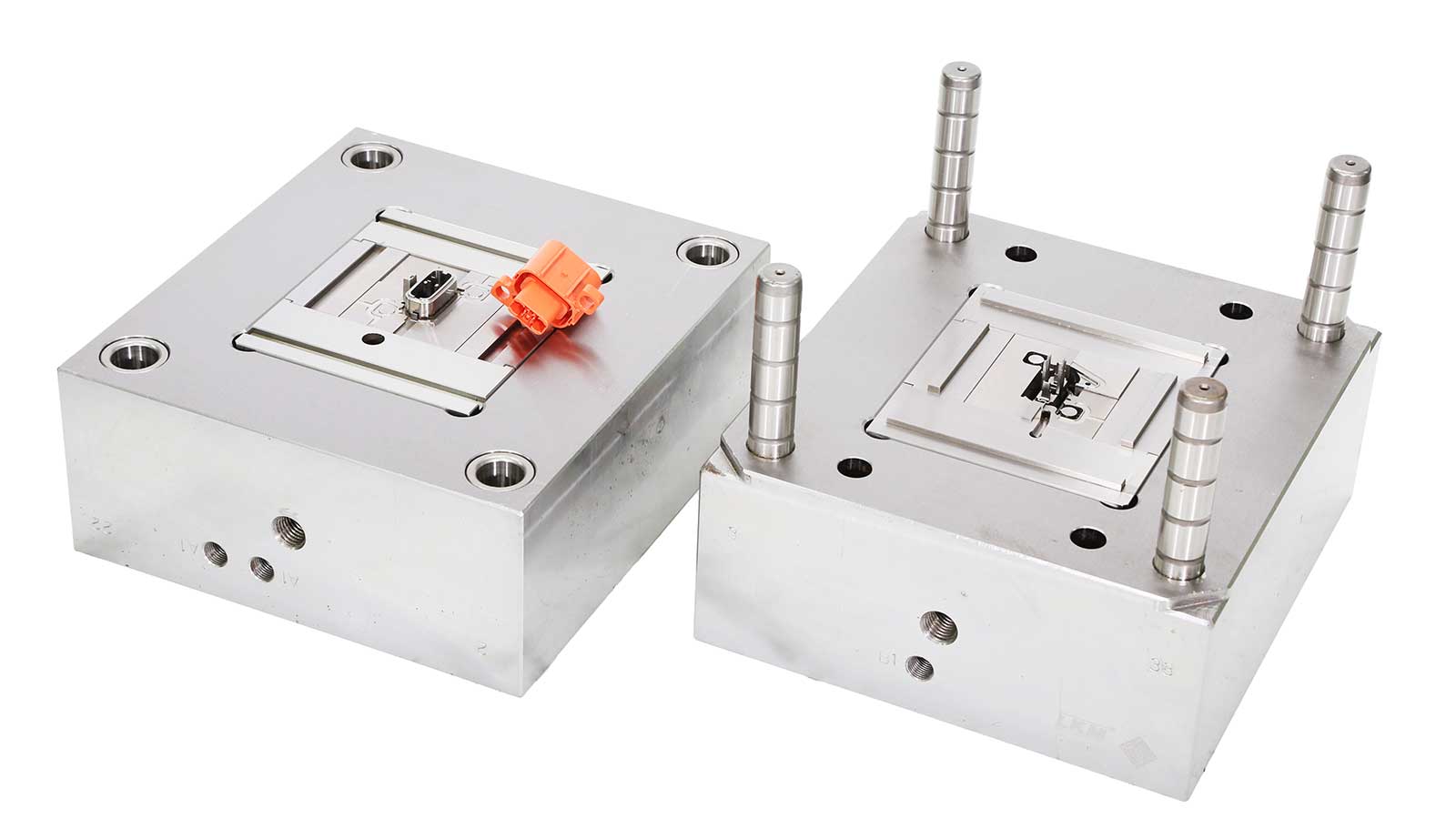



In the injection mold processing workflow, the trial molding stage holds immense significance. It serves as a crucial checkpoint to verify whether the injection mold processing can meet the requirements of plastic products. Similar to a bridge connecting mold processing and actual production, any negligence in details during the trial molding stage can easily lead to unqualified plastic products, thereby impacting the entire production schedule and product quality. So, what are the key points that need to be focused on during the trial molding process?
I. Comprehensively Grasp Mold Processing Information
Before initiating the trial molding work, it is essential to obtain the injection mold processing design drawings and organize professionals to conduct an in-depth and detailed analysis. Meanwhile, invite experienced injection mold processing technicians to participate in the trial molding work. Leveraging their rich practical experience and professional knowledge, technicians can effectively keenly identify potential issues in the design drawings, providing a solid guarantee for the smooth progress of the trial molding work.
II. Thoroughly Inspect Mold Mechanical Fit
Before installing the mold on the injection molding machine, it is necessary to conduct a comprehensive inspection of the mold’s mechanical fit on the workbench. Focus on checking for any scratches, missing parts, or looseness on the mold surface. At the same time, carefully inspect whether there are any leaks in the water channels and air pipe connectors to ensure unobstructed water and air circuits in the mold. If there are restrictions on the opening stroke of the injection mold, clearly mark them on the mold so that operators can accurately grasp them. If these inspection tasks can be completed before mold hanging, it can effectively avoid the need to disassemble the mold for repairs when problems are discovered during the mold hanging process, thus saving a significant amount of working hours and improving production efficiency.
III. Precisely Select a Suitable Injection Molding Machine
Once it is confirmed that all parts of the injection mold operate smoothly, the next step is to select an appropriate injection molding machine. During the selection process, multiple factors need to be considered comprehensively:
- Shot Capacity: Ensure that the shot capacity of the injection molding machine can meet the volume requirements of the plastic needed for mold forming, avoiding incomplete product forming due to insufficient shot capacity or material waste due to excessive shot capacity.
- Guide Rod Width: The width of the guide rods should match the size of the mold to ensure the stable installation of the mold on the injection molding machine and prevent shaking or jamming during the mold opening and closing processes.
- Maximum Opening Stroke: The maximum opening stroke of the injection molding machine must be greater than the mold opening distance to ensure that the mold can open and close smoothly, facilitating the removal of products and the next round of injection operations.
- Completeness of Accessories: Check whether the accessories of the injection molding machine are complete, such as nozzles and heating coils, to ensure the normal operation of the injection molding machine and avoid affecting the trial molding progress due to missing accessories.
After confirming that everything is in order, the mold can be hung. When hanging the mold, be sure not to remove the lifting hooks until all clamping plates are locked and before mold opening to prevent the clamping plates from loosening or breaking, which could cause the mold to fall accidentally, resulting in mold damage and personnel injuries.
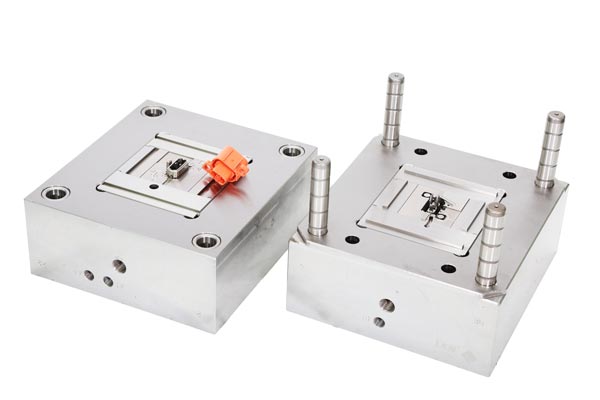
IV. Reasonably Control Mold Temperature
Based on the performance characteristics of the raw materials used for the finished product and the size specifications of the injection mold, select an appropriate mold temperature controller to raise the mold temperature to the temperature required for production. Precise control of mold temperature is crucial for the forming quality of products as it directly affects the dimensional accuracy, surface quality, and mechanical properties of products. After the mold temperature rises, it is necessary to carefully inspect the operation of all parts of the mold again. Since steel may expand under heat, which could cause mold jamming, special attention should be paid to the sliding of all parts to ensure smooth operation and avoid issues such as scratches and vibrations, thereby ensuring the forming quality of products.
V. Scientifically Bake Raw Materials
According to the different characteristics of the raw materials used, bake the raw materials appropriately. Different types of raw materials have different requirements for moisture content. Baking can effectively remove moisture from the raw materials, preventing defects such as bubbles and silver streaks caused by moisture evaporation during the injection molding process and improving the quality stability of products.
VI. Maintain Consistency of Raw Materials
The raw materials used during the trial molding process should be as consistent as possible with those used in future mass production. The consistency of raw materials ensures that the trial molding results can accurately reflect the actual production situation, providing a reliable reference for subsequent mass production. If different raw materials are used for trial molding and mass production, it may lead to differences in product performance, affecting product quality and market competitiveness.
VII. Use Recycled Materials Cautiously for Trial Molding
During the trial molding process, do not rely entirely on recycled materials for trial molding. If the product has specific color requirements, arrange trial molding and color testing simultaneously. The performance of recycled materials may differ from that of new materials to some extent. Using recycled materials for trial molding may not accurately evaluate the performance of the mold and the quality of the products. By using new materials consistent with those used in mass production for trial molding and color testing, the appearance and performance of the products can be more truly reflected, allowing potential issues to be identified and resolved in a timely manner and ensuring that the products meet the design requirements.
In conclusion, the trial molding stage after injection mold processing is a rigorous and meticulous process. Operators need to strictly follow the above considerations to ensure the smooth progress of the trial molding work and lay a solid foundation for subsequent mass production.