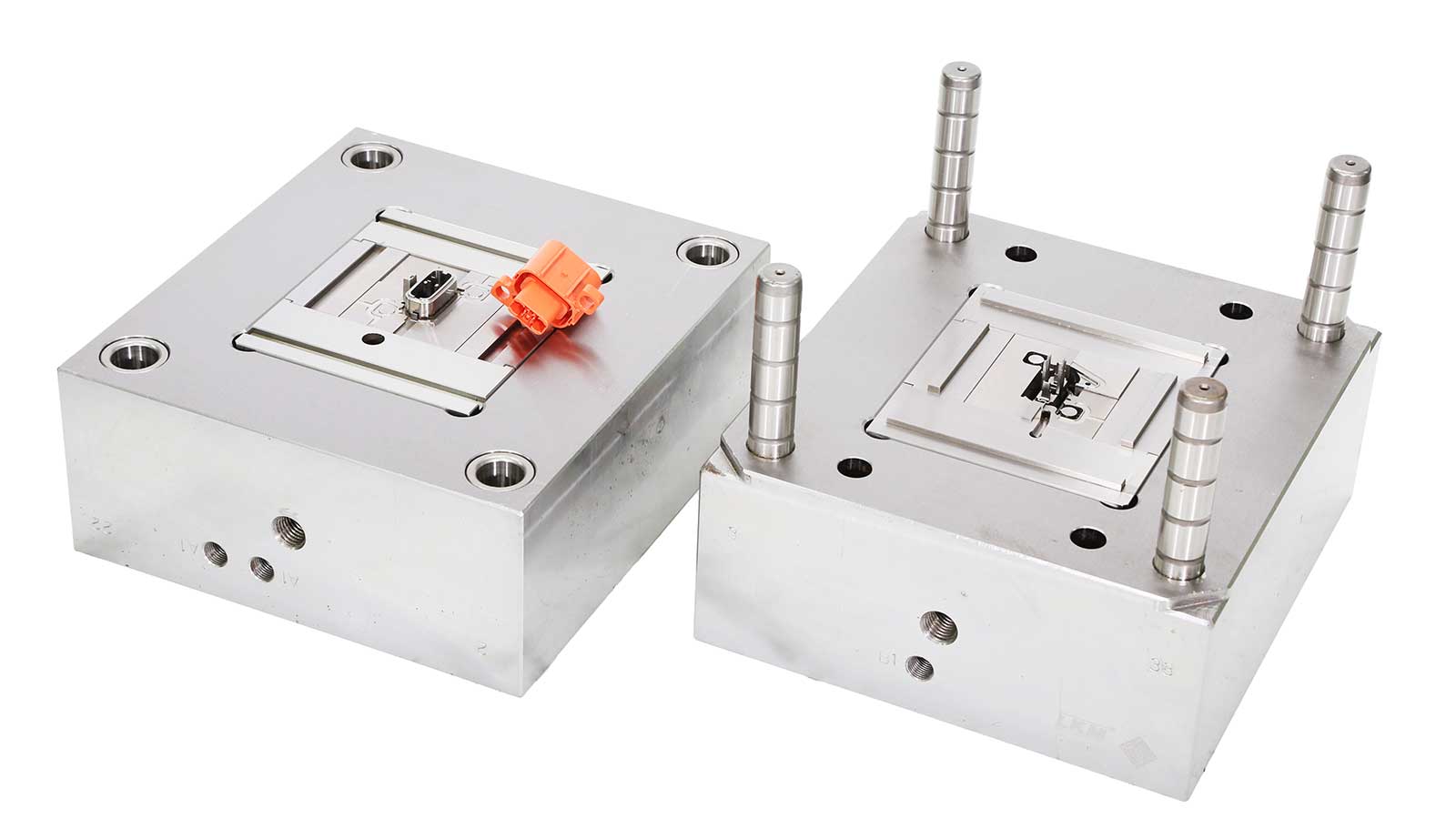
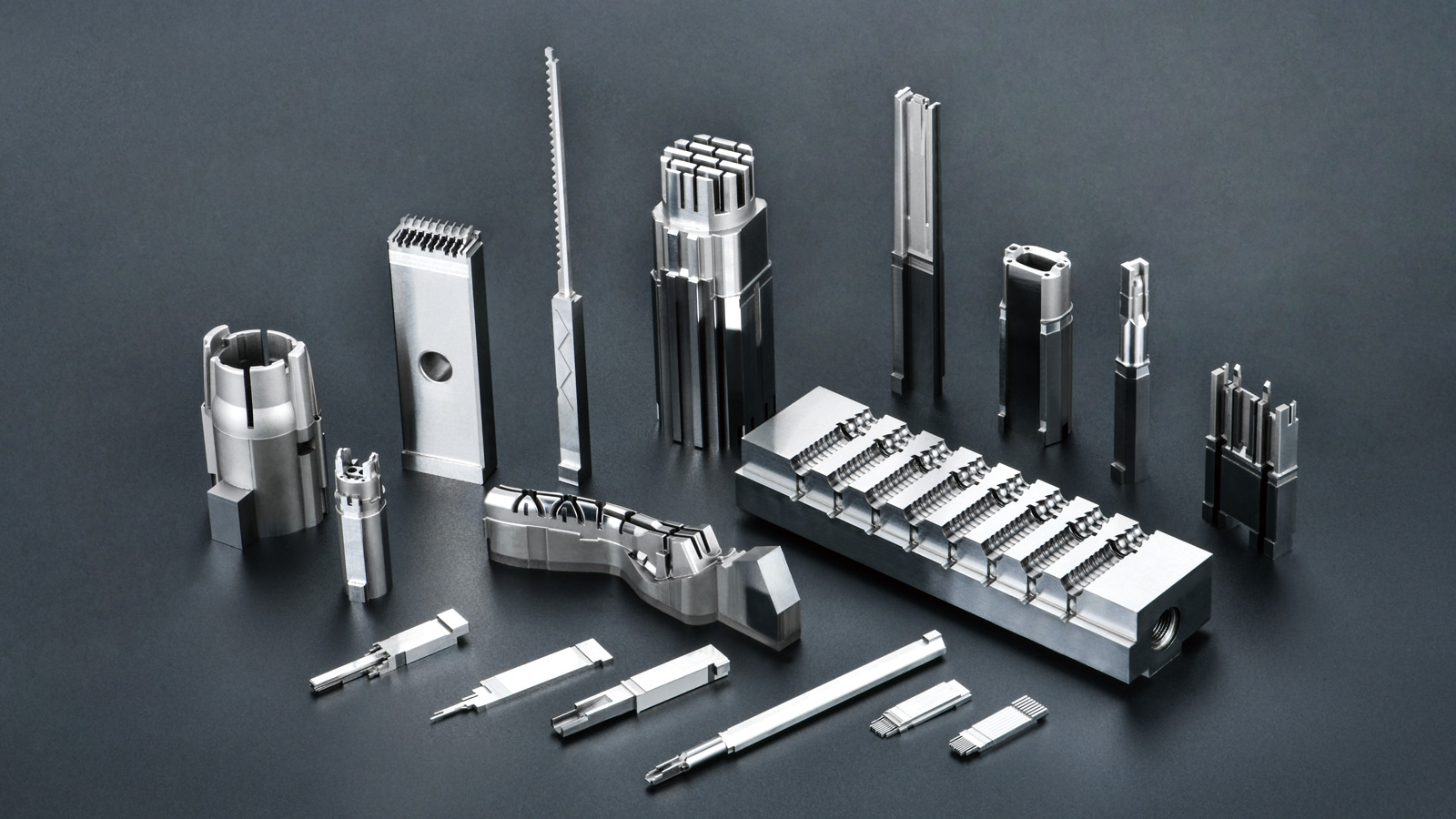
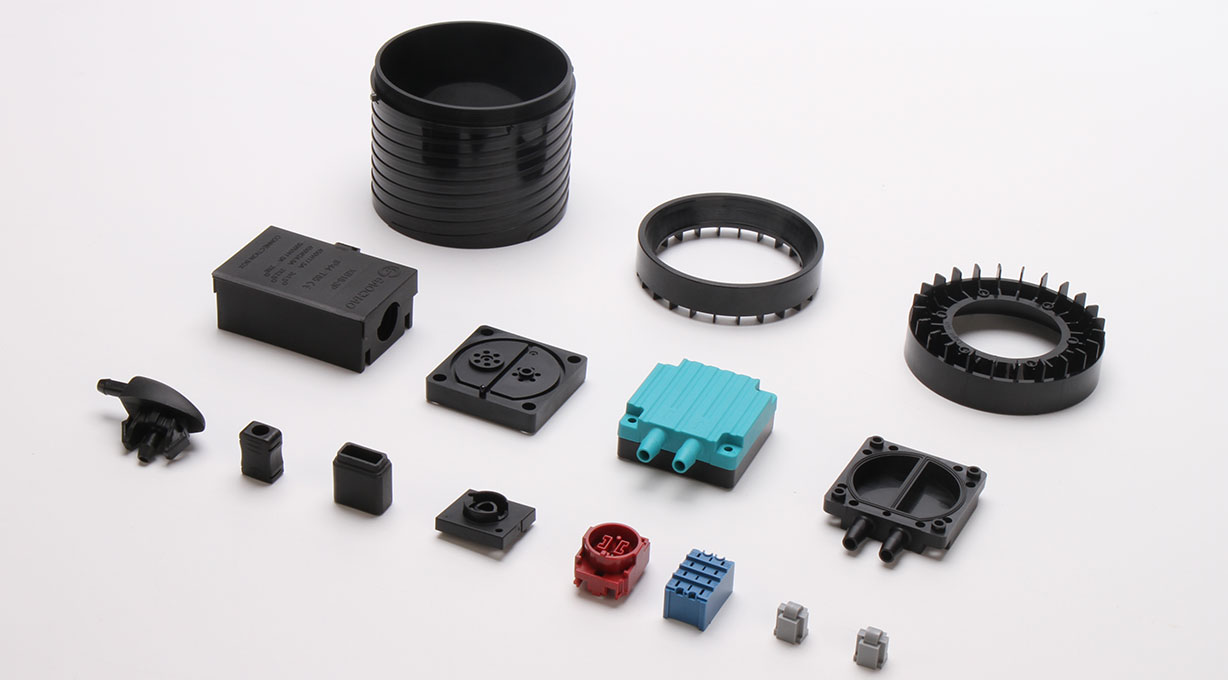



In the era of continuous innovation in injection mold processing technology, mold structures are becoming increasingly complex. Meanwhile, with the emergence of a variety of new plastic raw materials, many plastic materials pose severe challenges to injection molds due to their special chemical and physical properties, with corrosion and wear issues becoming more and more prominent. These negative impacts not only reduce the service life of molds but also affect the quality of injection-molded products and increase production costs. Selecting appropriate coatings to protect injection molds has become an effective way to solve these problems. Additionally, it can enhance the flowability of plastic melts within the molds, improving injection efficiency and product quality.
Multiple Protective Effects of Coatings on Injection Molds
Inhibiting Crack Propagation and Deep Corrosion
Through advanced spraying processes, multiple layers of precise spraying are carried out on every position of the metal intermediate layer surface that requires coating protection. When cracks appear on the surface of an injection mold due to long-term corrosion, the coating acts like a sturdy “protective shield,” effectively preventing the cracks from further propagating and stopping the corrosion from penetrating deep into the mold. This feature significantly extends the service life of the mold, reducing production interruptions and maintenance costs caused by mold damage. For example, in the injection molding production of automotive parts, molds are constantly exposed to corrosive plastic raw materials. Without coating protection, surface cracks on the molds will rapidly expand, leading to mold scrap. However, with the application of suitable coatings, the service life of the molds can be extended several times, saving a large amount of mold replacement costs for enterprises.
Preventing Corrosion During the Injection Molding Process
Various factors can cause mold corrosion during the plastic injection molding process. Among them, the moisture in plastic pellets is a common and easily overlooked factor. When plastic pellets containing moisture enter the mold cavity, under high-temperature and high-pressure conditions, the moisture quickly vaporizes, generating corrosive gases and liquids that erode the mold surface. The coating has good chemical stability and corrosion resistance, forming a dense protective film on the mold surface that effectively blocks the侵害 (Here, “侵害” should be replaced with “invasion” for better English expression) of these corrosive substances, ensuring that the mold maintains good performance during long-term use.
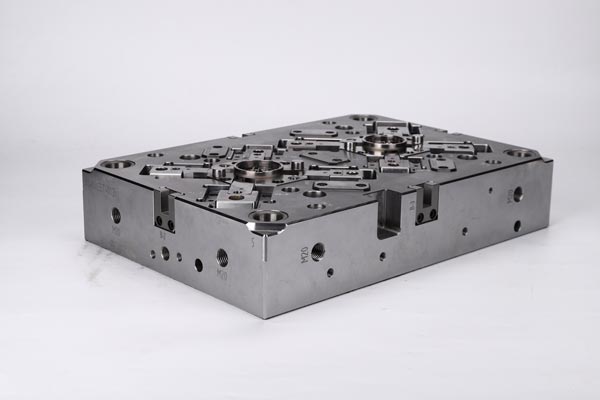
Unique Performance Advantages of the Coating
Optimized Coating Structure Characteristics
This coating specially designed for injection molds has unique structural advantages. It has a higher coating density, enabling it to form a more uniform and dense protective layer on the mold surface, effectively resisting external erosion. At the same time, the micro-roughness of the coating can be adjusted according to actual needs. By precisely controlling the microstructure of the coating, the friction characteristics between the plastic melt and the mold surface can be improved, reducing the adhesion of the melt to the mold surface and enhancing the demolding effect. This helps lower the defect rate of product surfaces and improve the appearance quality of products.
Excellent Oxidation Resistance and Adhesion
During the injection molding production process, molds are constantly exposed to high-temperature, high-pressure, and oxidative environments, making them prone to oxidation reactions that degrade the surface performance of the molds. This coating has outstanding oxidation resistance, effectively inhibiting oxidation reactions at high temperatures and maintaining the chemical stability and physical properties of the mold surface. In addition, the coating has extremely high adhesion to the mold substrate, ensuring that the coating is less likely to peel off during long-term use and always provides reliable protection for the mold. This high-adhesion feature enables the coating to better solve the problems of corrosion, wear, and adhesion on the surface of injection molds, improving the overall performance and service life of the molds.
FAQ
Q1: How to choose suitable coating materials for injection molds?
A1: Selecting coating materials requires comprehensive consideration of multiple factors. First, clarify the type of plastic raw materials processed by the mold. Different plastics have different chemical properties and corrosion levels, imposing different corrosion resistance requirements on the coatings. Second, consider the working temperature and pressure conditions of the mold to ensure that the coating can maintain good performance under high-temperature and high-pressure environments. In addition, pay attention to the physical properties of the coating such as adhesion, hardness, and wear resistance, as well as cost factors. You can communicate with professional coating suppliers, providing them with detailed operating conditions and requirements of the mold, and they can recommend suitable coating materials based on the actual situation.
Q2: Will coating treatment increase the production cost of injection molds?
A2: In the short term, coating treatment will indeed increase certain costs, including the cost of coating materials and spraying process fees. However, from a long-term perspective, the coating can significantly extend the service life of the mold, reduce the frequency of mold maintenance and replacement, and lower the production interruption losses caused by mold problems. At the same time, the coating can also improve the quality of injection-molded products, reduce the scrap rate, and enhance production efficiency. Overall, coating treatment can bring considerable economic benefits to enterprises and is a cost-effective investment.
Q3: What should be noted when using coated injection molds?
A3: Even with coated molds, reasonable operation and maintenance are still necessary during use. Avoid subjecting the molds to severe mechanical impacts to prevent damage to the coatings. Before injection molding production, ensure that the mold temperature is uniform to prevent local overheating or overcooling from affecting the coatings. During the production process, strictly control the injection molding process parameters such as injection speed, pressure, and temperature to avoid premature wear or peeling of the coatings due to improper processes. In addition, regularly clean and maintain the molds, promptly remove residual plastics and impurities on the mold surfaces, and keep the coatings clean and intact.