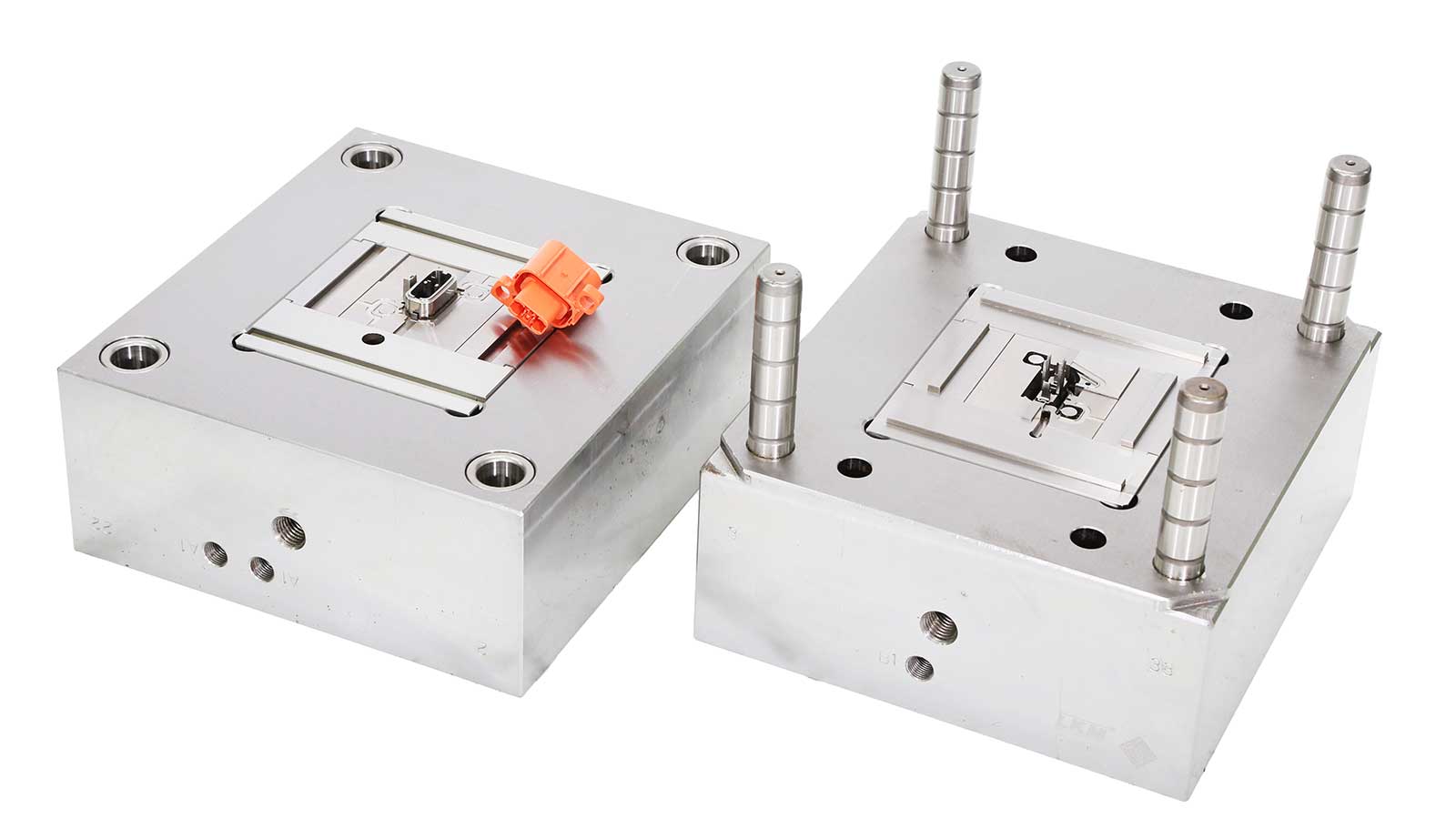
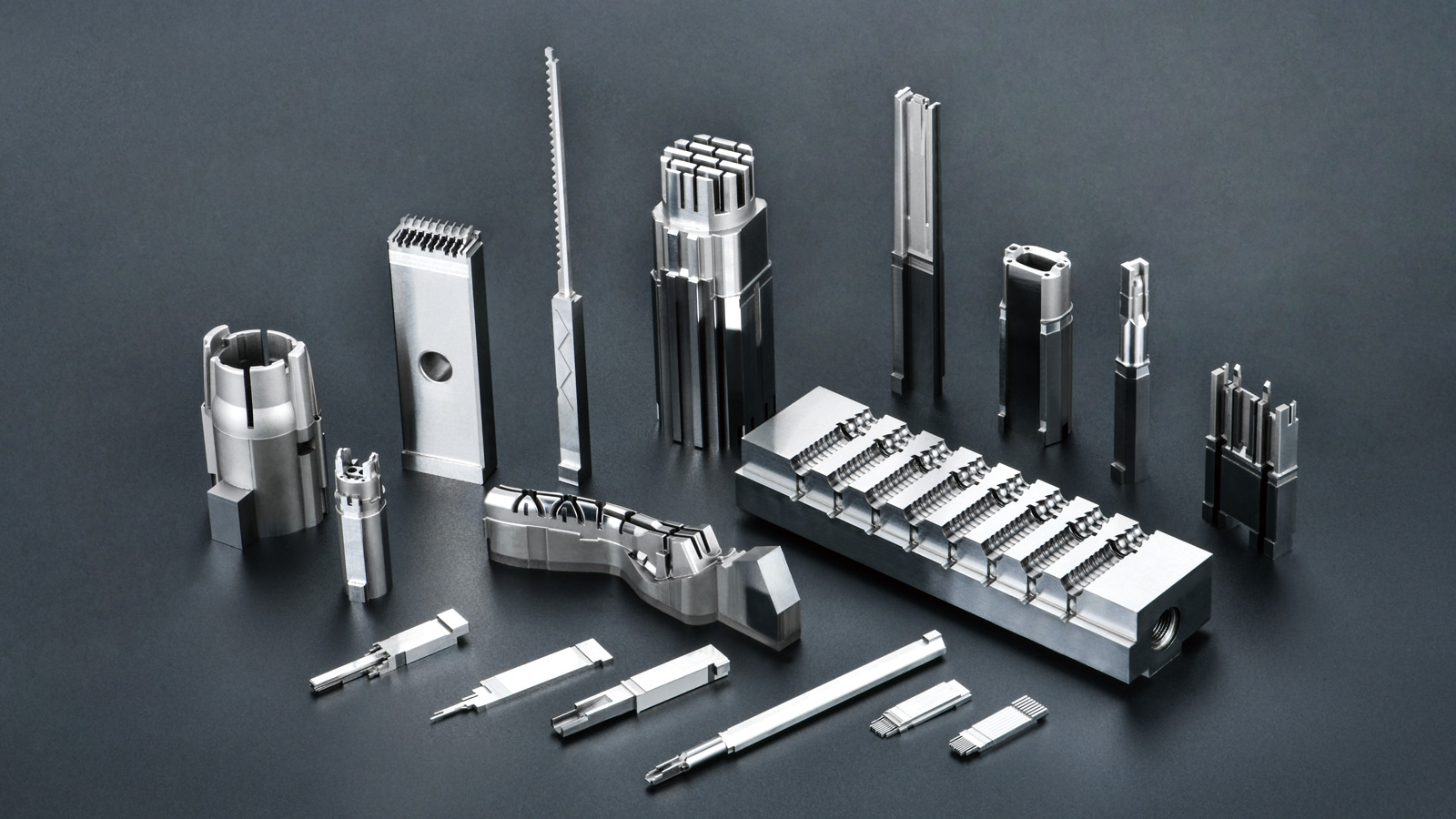
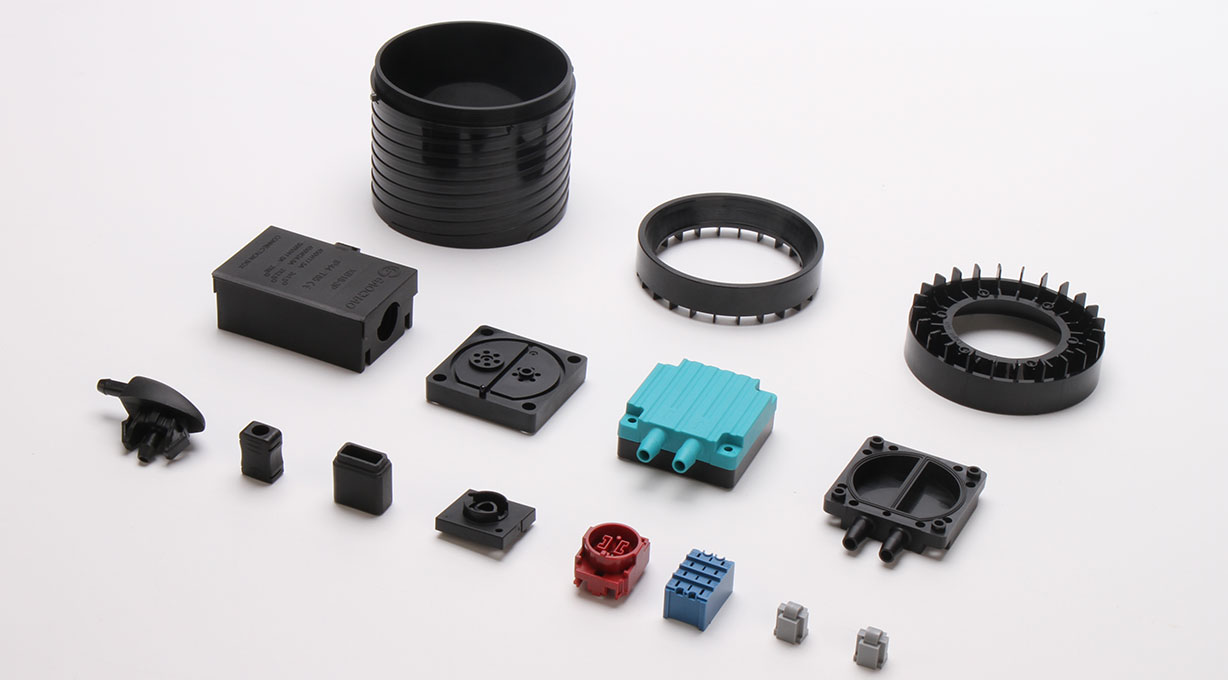



In many industrial manufacturing scenarios, molds are extremely expensive and crucial equipment in the injection molding production process. This is mainly due to the high complexity of injection mold design, which has stringent requirements for characteristic precision and manufacturing methods. The injection molding process involves injecting molten plastic and thermoplastic materials into a mold cavity under pressure. This mold cavity is designed as a hollow shape according to the form of the desired component.
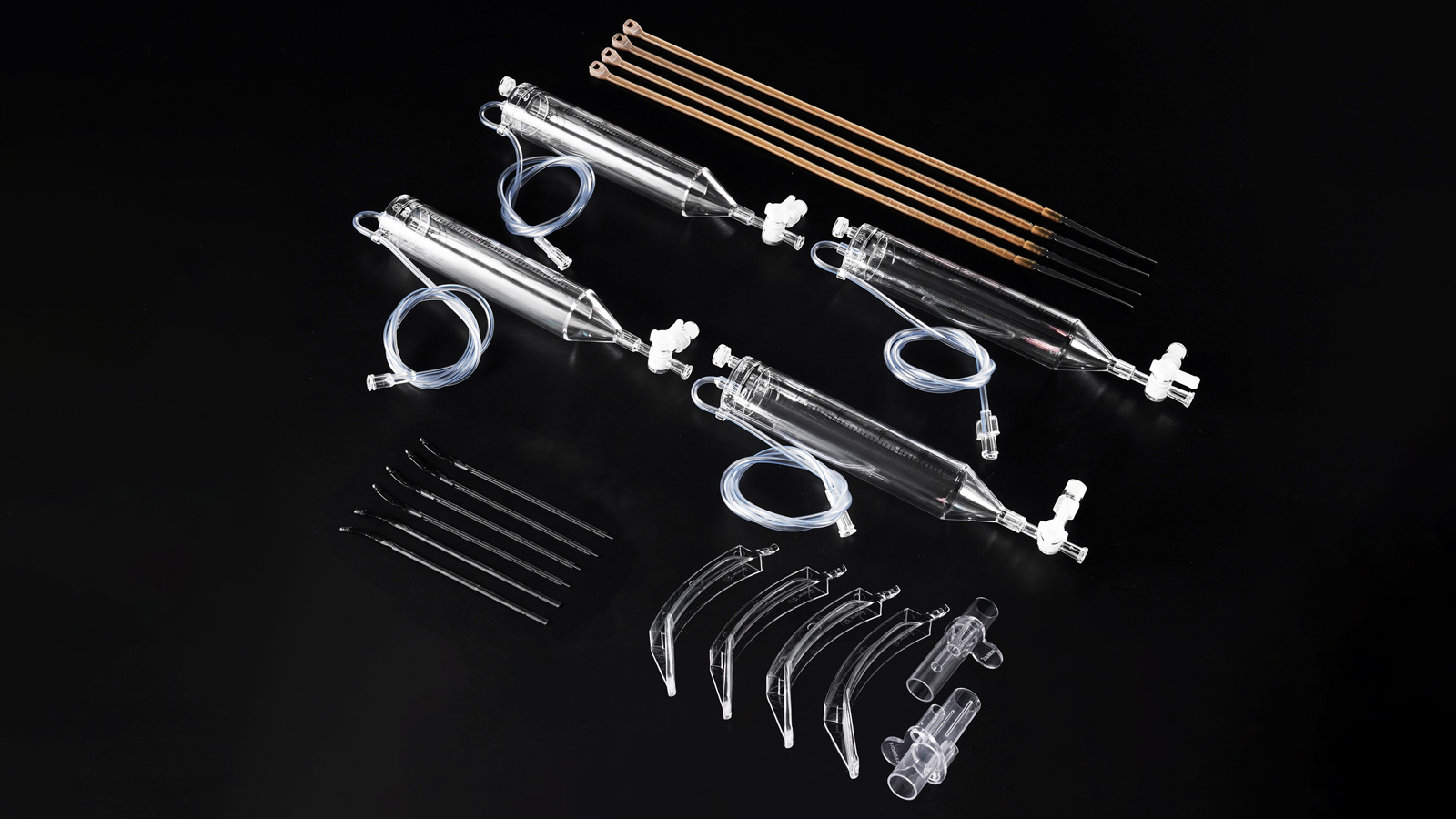
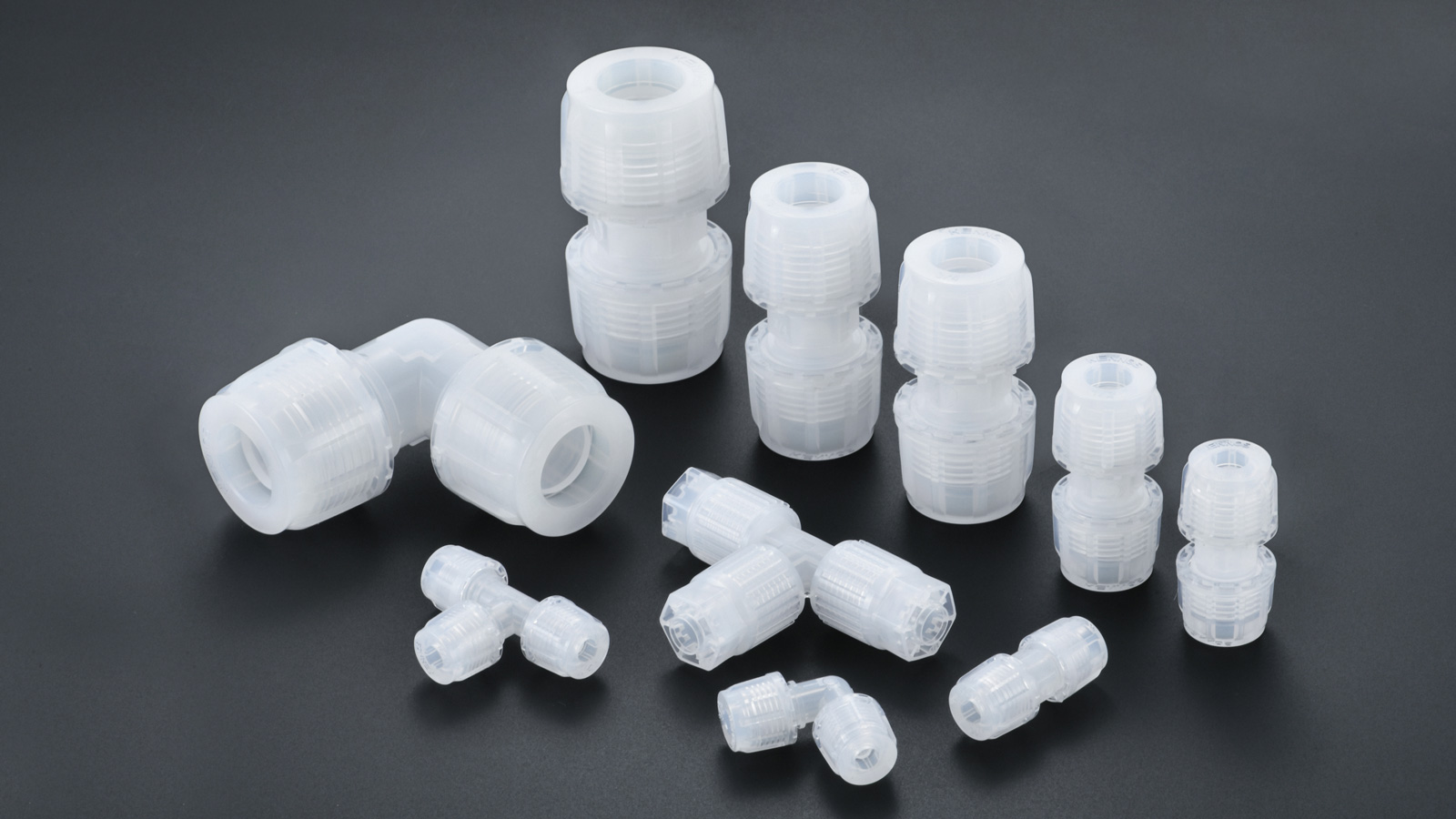
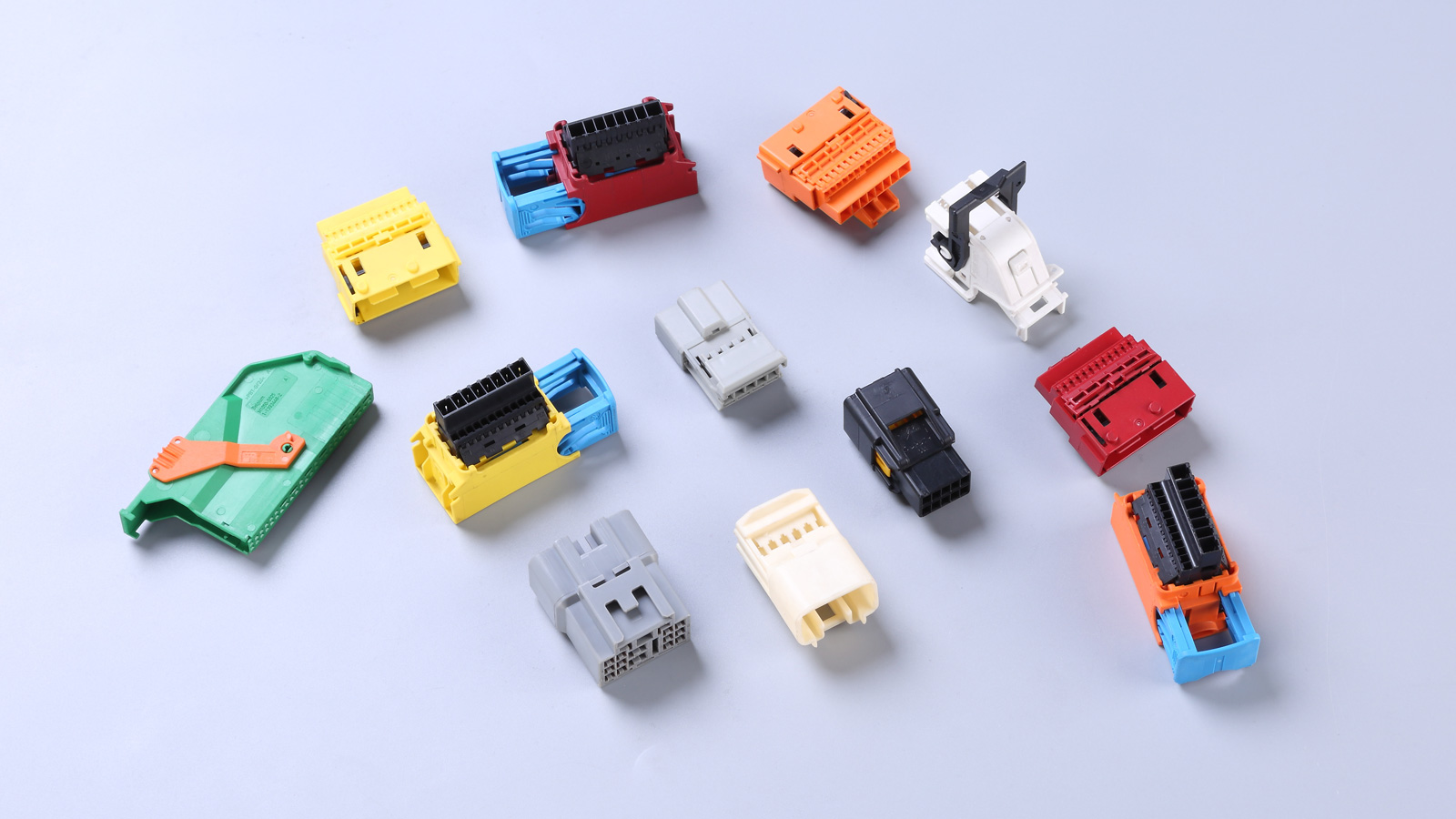
Injection-molded products come in a wide range of sizes, from small and delicate parts to large components. In the automotive manufacturing field, injection-molded products are widely used. For example, steering wheels, instrument panel gauges, side panels, car body frames, and bumpers are all important components often produced using injection molds. Injection molds have the excellent ability to produce highly precise and uniform parts. Achieving such tight tolerances depends on the perfect combination of design and mold construction, as well as the rational selection of the injection mold manufacturing process.
Injection mold manufacturing is a multi-stage and systematic precision engineering process. Throughout the entire process, emphasis is placed on accuracy and strict adherence to design specifications to minimize the risk of product failures or damage. A typical manufacturing process begins with milling or turning the mold-forming materials. This step requires high-precision equipment and skilled operation techniques to ensure that the initially formed mold parts meet the basic dimensional requirements of the design.
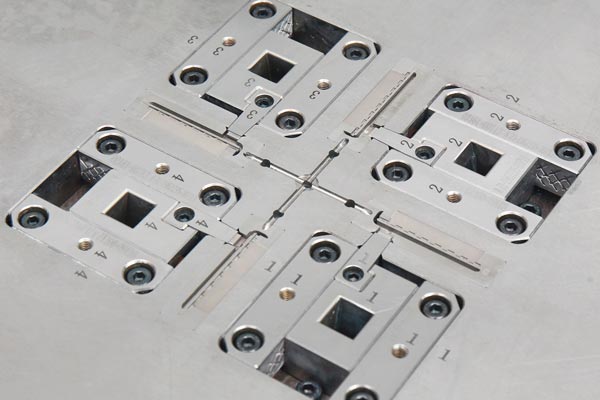
Subsequently, heat treatment is carried out. Heat treatment can significantly improve the internal microstructure of the mold material, enhancing its key properties such as hardness, wear resistance, and toughness. This provides reliable protection for the mold to withstand high pressure, high temperature, and frequent friction during subsequent long-term use.
After heat treatment, the process moves on to grinding and fine forming. Through fine grinding, the microscopic unevenness on the mold surface is further corrected to achieve an extremely high level of flatness. Fine forming precisely shapes the local features of the mold to ensure that every detail perfectly matches the design drawings.
Next comes the finishing process, among which polishing is of crucial importance. Polishing not only gives the mold surface a mirror-like finish, reducing the adhesion of molten plastic on the mold surface and facilitating demolding but also effectively improves the appearance quality of the injection-molded products, making their surfaces smoother and brighter.
Once all the individual parts for injection mold manufacturing are ready, the assembly stage begins. During assembly, sealing is a primary consideration. It is essential to ensure that the various components of the mold fit tightly together to prevent the molten plastic from escaping the mold during high-pressure injection, which could cause product defects and production accidents. At the same time, proper ventilation design is also indispensable. It can timely exhaust the air from the mold cavity during the injection molding process, preventing air entrapment, which could lead to the formation of bubbles inside the product and affect its quality.
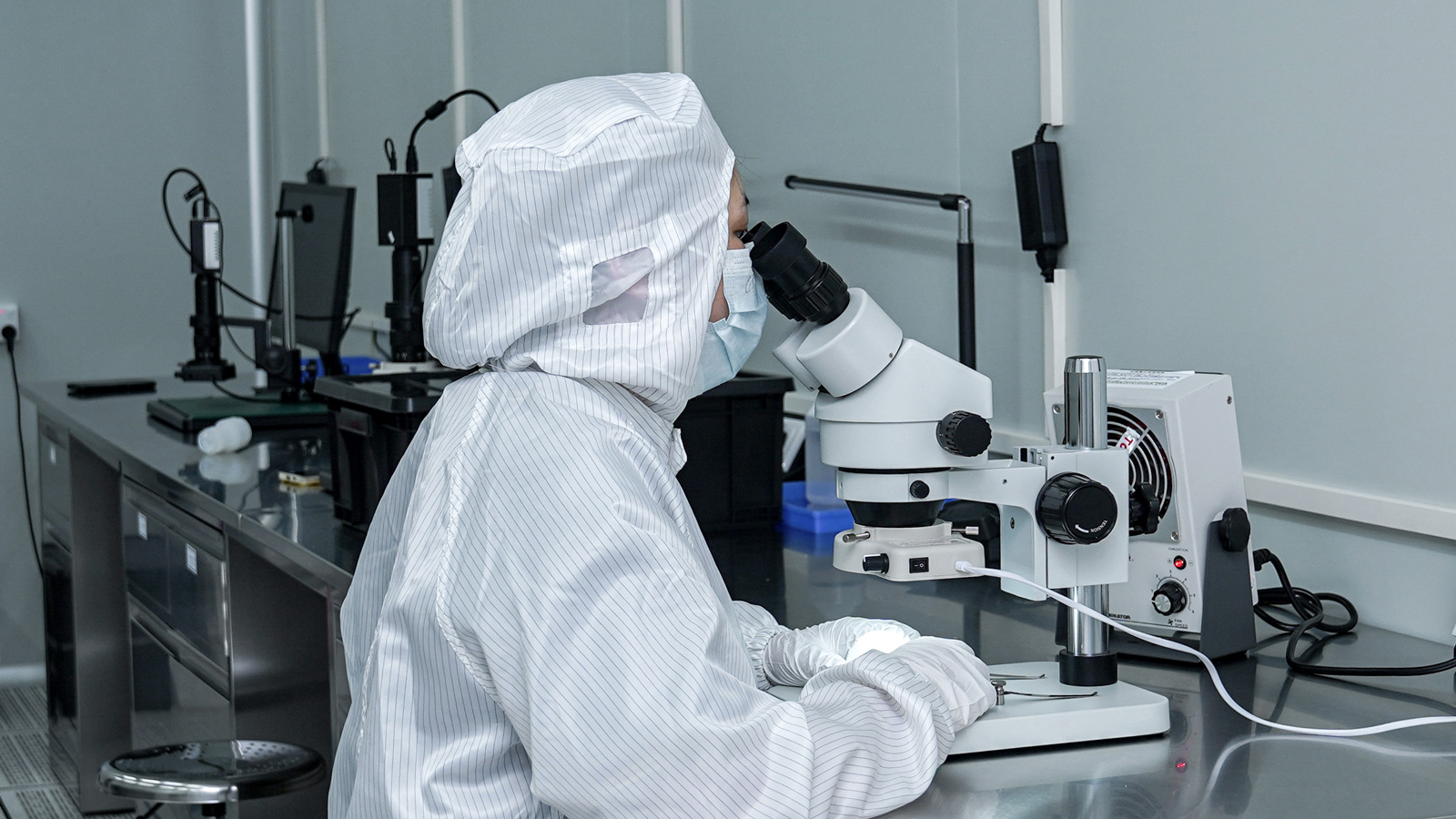
After mold assembly, the mold trial stage follows. Mold trial is a comprehensive inspection of the mold’s precision level and structural quality. Through actual injection molding production, various indicators of the product, such as dimensional accuracy, shape deviation, and surface quality, are observed to determine whether they meet the design requirements. If problems are found, the mold is promptly adjusted and optimized until it can stably and efficiently produce qualified products.