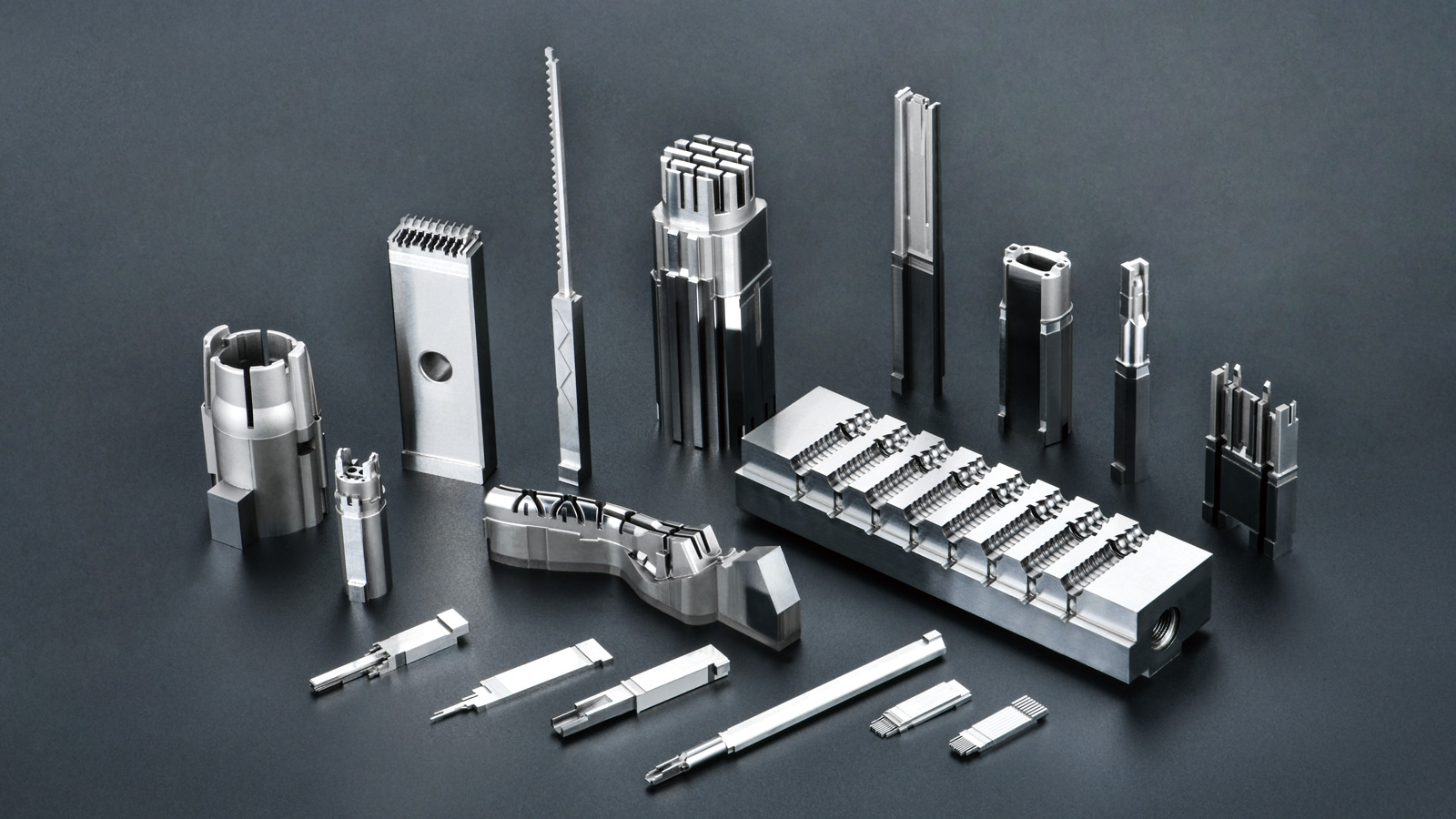
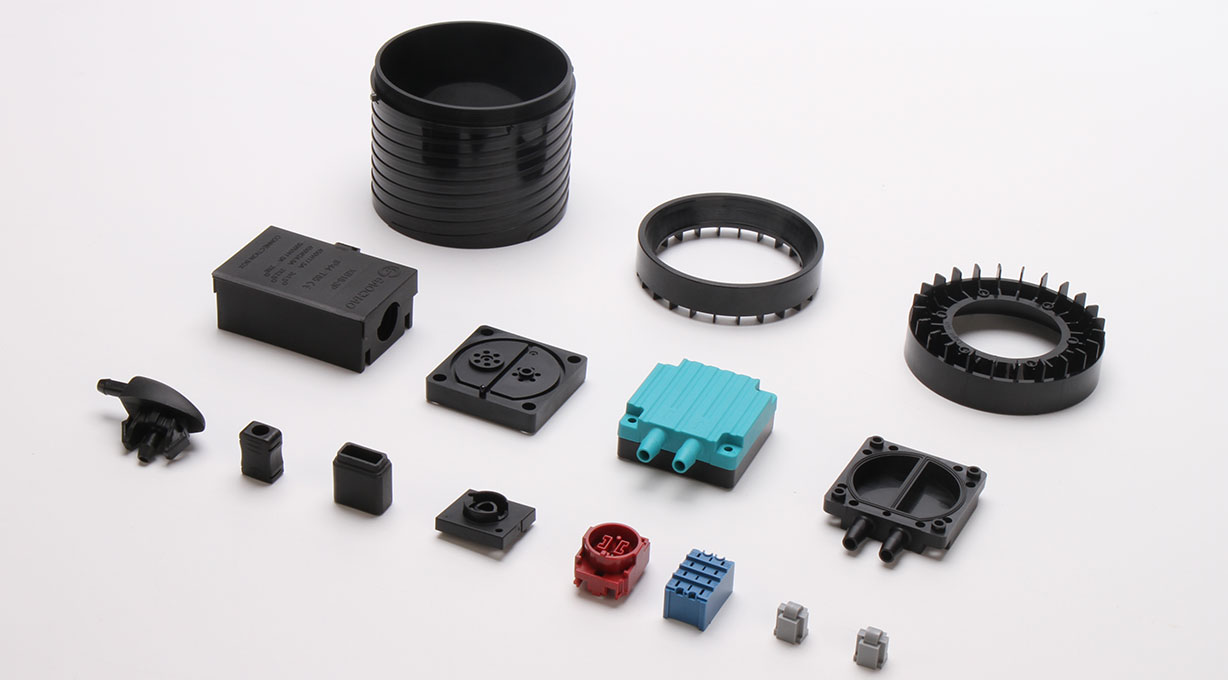


In the current field of injection mold manufacturing, the industry is developing rapidly, and various injection mold manufacturers are emerging like mushrooms. However, due to the pressure of market competition, there are differences in the quality of injection – molded part mold manufacturing, among which the differences in polishing techniques among manufacturers are a key factor.
The Importance of Polishing in Mold Manufacturing
In industrial production, a large proportion of molds require grinding and polishing. Polishing can significantly improve the appearance of plastic products, making their surfaces smoother and more beautiful, thereby enhancing their market competitiveness. At the same time, after polishing, the injection molds are easier to demold during the production process, which can effectively reduce production failures and downtime, thus improving the overall production efficiency of the factory and reducing production costs. Usually, after receiving the polished injection molds, customers often request electroplating. Electroplated molds are not only more aesthetically pleasing but also have greatly improved wear resistance and corrosion resistance, significantly extending the service life of the molds and providing a solid foundation for the long – term production of enterprises.
The Impact of Polishing on the Surface of Injection – Molded Parts
After fine polishing, the surface roughness of injection – molded parts is greatly reduced, and the flatness and smoothness are significantly improved. These high – quality surface characteristics make the surfaces of the produced plastic parts brighter, meeting the strict requirements of the high – end market for product appearance and laying a foundation for enterprises to explore broader market spaces.
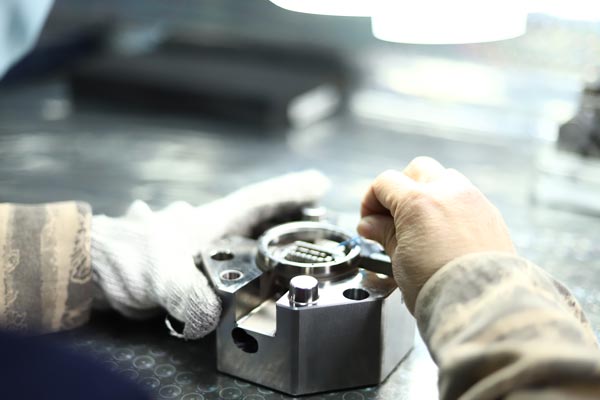
Precautions during Polishing of Injection Molds
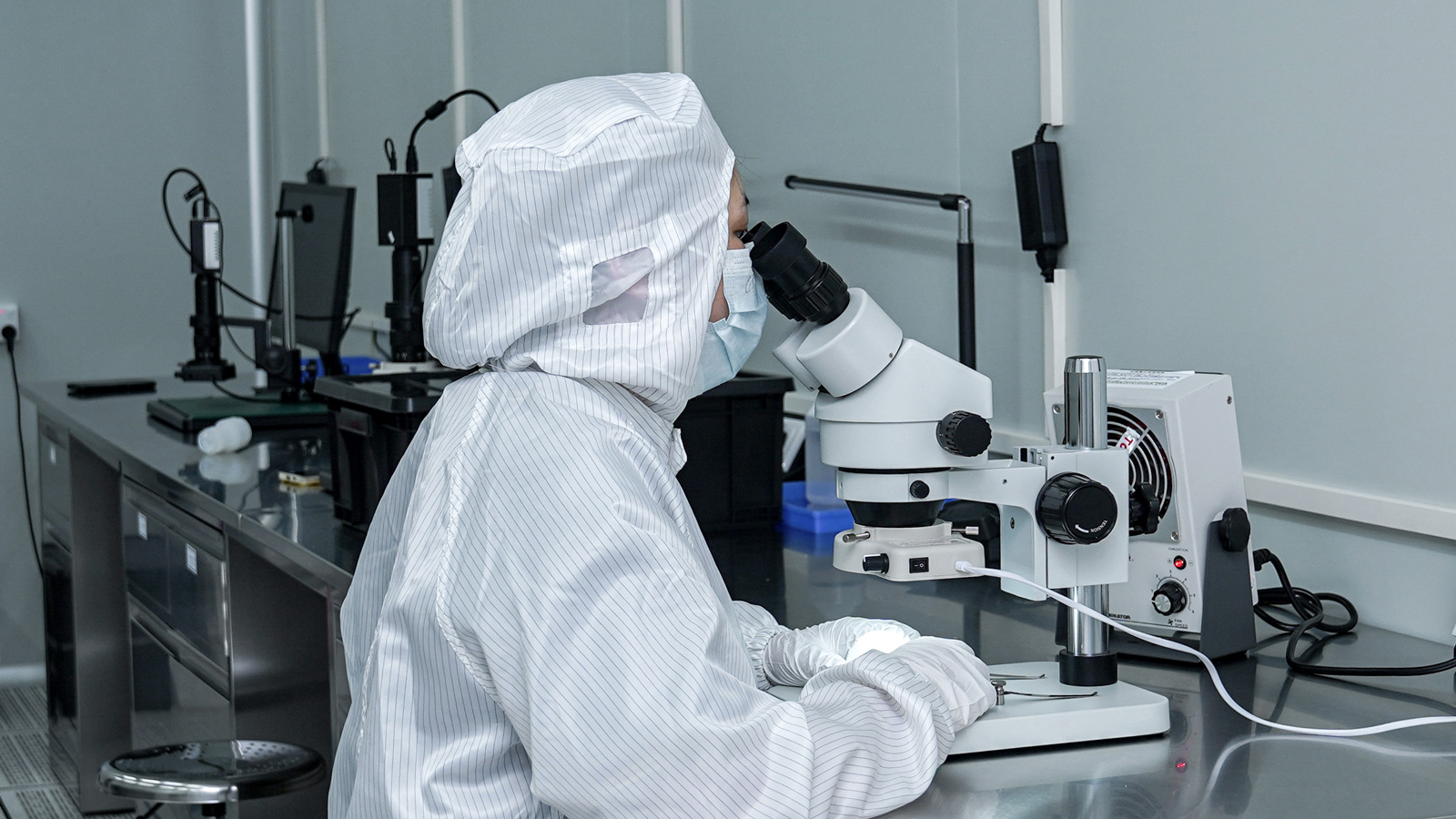
- Polishing Environment Selection: When carrying out polishing operations for injection mold manufacturing, the selection of the environment is crucial. A clean and well – ventilated workshop should be chosen as the polishing site. This is because hard dust can easily adhere to the mold surface and even penetrate into polishing materials such as gypsum, causing irreversible damage to the excellent surface of the mold and affecting its quality and service life.
- Polishing Sequence Planning: The polishing work of molds should follow a certain sequence. Generally, it should start from the focal points, boundaries, flakes, or other key parts of the mold. This orderly polishing method can ensure that the polishing effects of all parts of the mold are uniform, avoiding situations where some parts are over – polished or under – polished, thus ensuring the overall quality of the mold.
- Polishing Tool Usage: During the polishing process, the principle of “one polishing tool for one type of drilling gypsum” should be strictly followed. Each polishing tool has its specific scope of application and polishing effect. Random mixing can lead to unsatisfactory polishing results and even damage to the mold surface. At the same time, when using polishing tools, special attention should be paid to anti – pollution measures to prevent impurities on the tools from contaminating the mold surface and affecting the polishing quality.
FAQ
- Q1: What are the impacts if the polished mold is not electroplated?
- A1: If the polished mold is not electroplated, although its appearance and demolding performance will be improved to a certain extent, its wear resistance and corrosion resistance are relatively weak. During long – term use, the mold surface is prone to wear and corrosion, which will affect the service life of the mold and the quality of the produced plastic parts.
- Q2: How to determine if the polishing environment meets the requirements?
- A2: To determine whether the polishing environment meets the requirements, the following aspects can be considered. First, observe whether the workshop is clean and tidy and whether there are obvious dust and debris. Second, check whether the ventilation system in the workshop is good and whether the air circulation is smooth. Finally, professional air quality testing equipment can be used to detect whether the air quality in the workshop meets relevant standards.
- Q3: What maintenance is required for polishing tools after a period of use?
- A3: After a period of use, polishing tools require regular maintenance. For electric polishing tools, check the operating condition of the motor, clean the dust and debris on the motor surface, and ensure good heat dissipation of the motor. For manual polishing tools, check the wear condition of the tools, replace severely worn parts in a timely manner, and clean and lubricate the tools to ensure their normal use and polishing effect.
- Q4: What are the differences in polishing between injection – molded part molds of different materials?
- A4: There are certain differences in polishing between injection molds of different materials. For example, metal molds usually require the use of harder polishing tools and abrasive materials to achieve a high surface finish. Plastic molds, on the other hand, are relatively fragile and require the use of softer polishing tools and mild abrasive materials to avoid damaging the mold surface. In addition, the process parameters and operating methods during polishing may also be different for molds of different materials and need to be adjusted according to the specific situation.