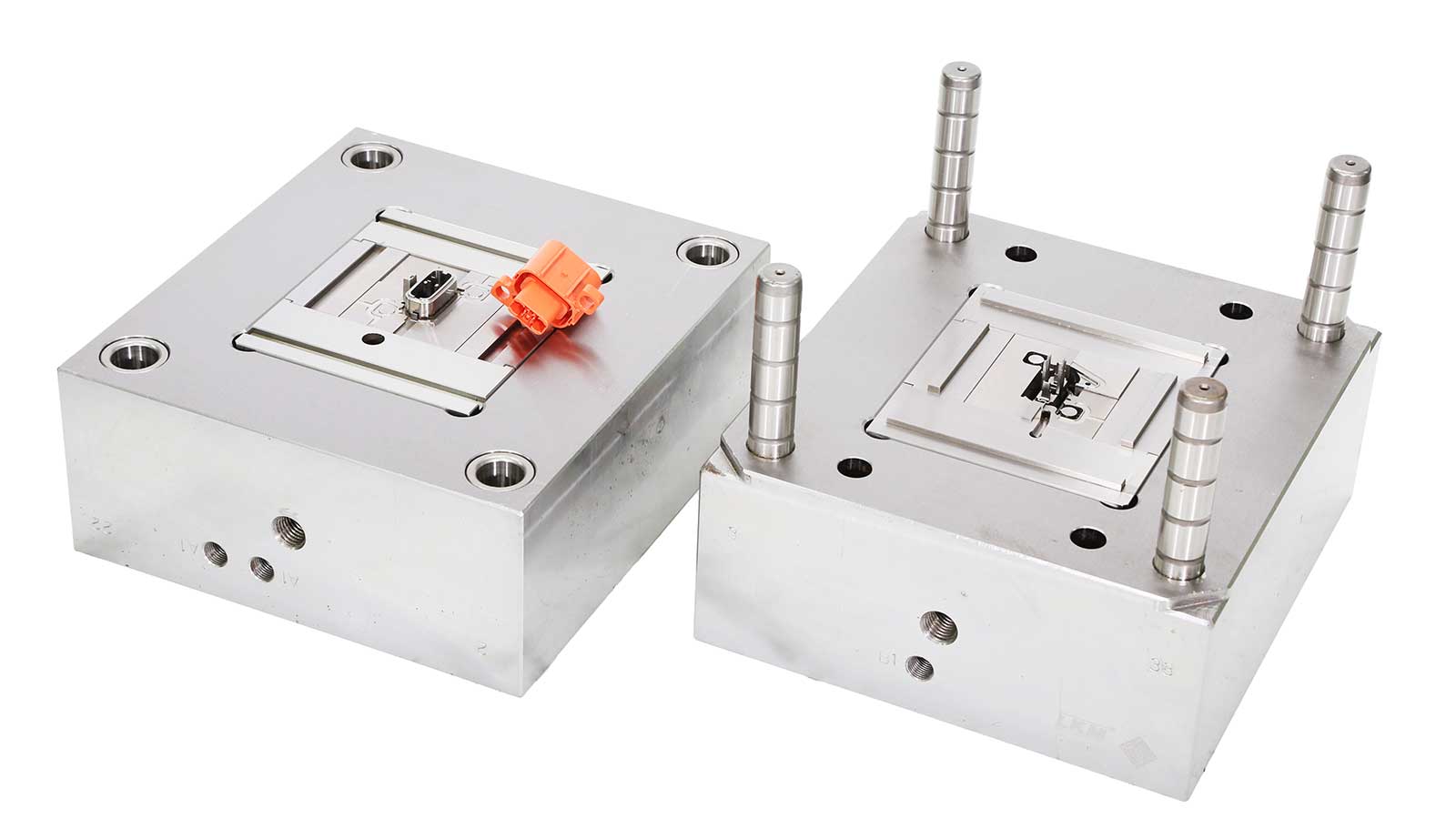
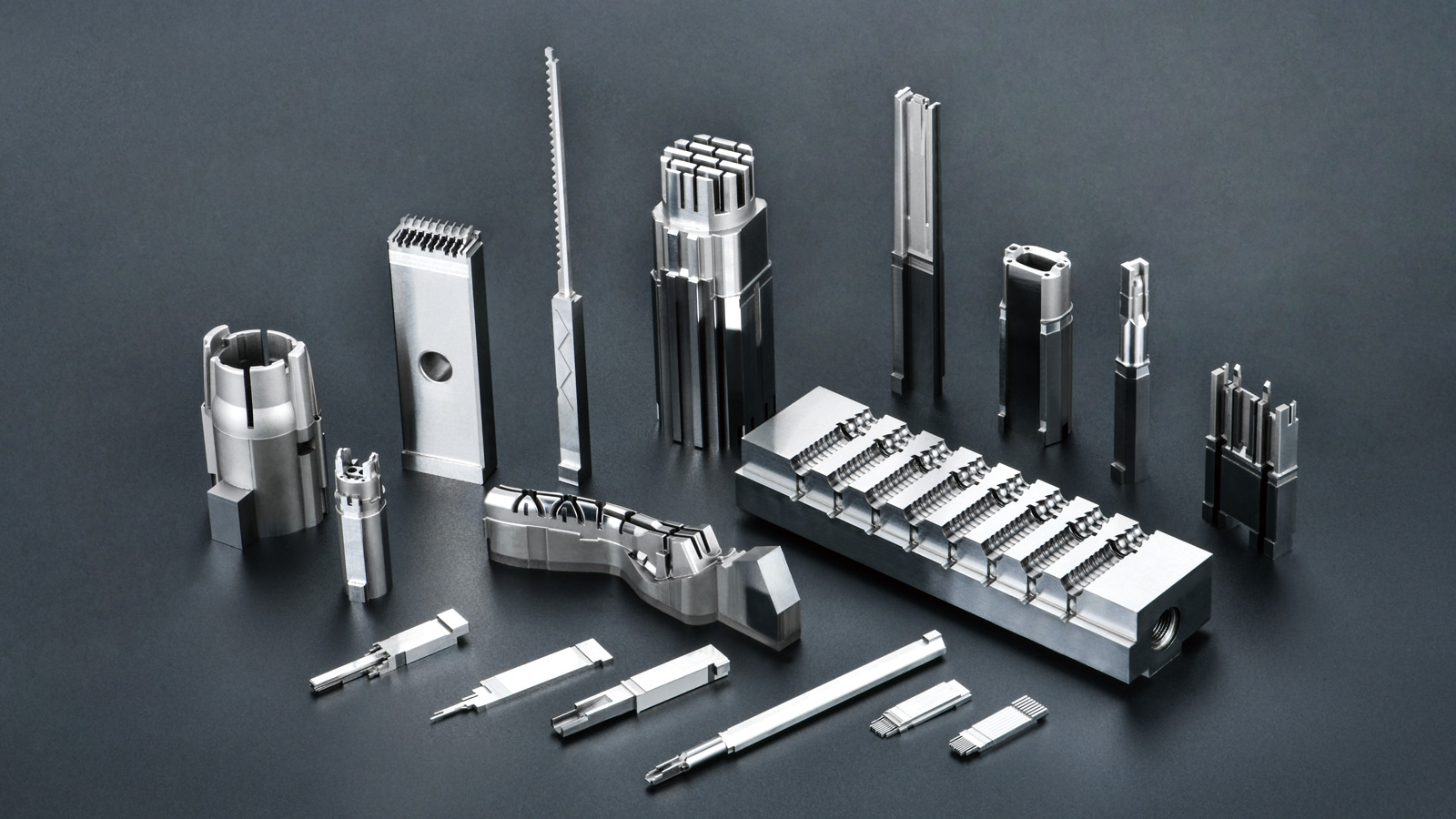
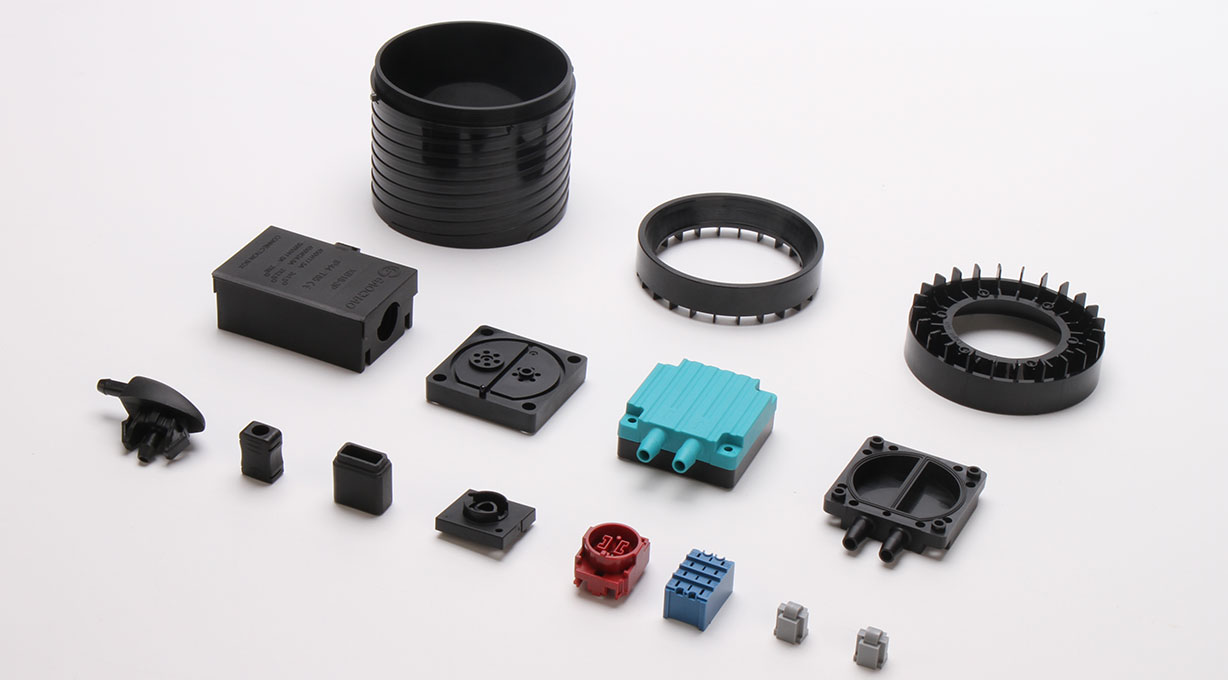





In the field of injection mold manufacturing, the reasonable control of processing precision and allowance is crucial for ensuring mold quality and improving product precision. To achieve high-precision processing of injection molds and effectively reduce product errors, it is not only necessary to strictly ensure that the mold processing precision meets the standards but also to scientifically reserve allowances during the processing process. This approach can ensure the smooth progress of mold processing while striving to enhance the mold processing precision.
Precision Requirements for Plastic Mold Processing and Manufacturing
The precision requirements for injection mold processing cover multiple dimensions, including processing dimensional accuracy, perpendicularity, coaxiality, parallelism, and other key indicators.
- Processing Dimensional Accuracy: Generally, the processing precision of injection molds should be strictly controlled within the range of 0.005 – 0.02mm. This precision range can meet the production requirements of most high-precision products and ensure that the dimensions of the molded products conform to the design requirements.
- Perpendicularity: The perpendicularity requirement is in the range of 0.01 – 0.02mm. Perpendicularity is an important indicator for measuring the vertical-direction precision of mold cavities or cores, which is crucial for ensuring the perpendicularity and shape precision of products.
- Coaxiality: The coaxiality requirement is between 0.01 – 0.03mm. Coaxiality mainly pertains to components in the mold that have a coaxial relationship, such as cores and cavities. Good coaxiality can ensure that the coaxial parts of products have accurate dimensions and positions.
- Parallelism: The parallelism requirement for the upper and lower planes of the parting surface between the moving and fixed molds is 0.01 – 0.03mm. Additionally, the parallelism requirement for the mating surfaces of other template is within the range of 0.01 – 0.02mm. Parallelism has a significant impact on the opening and closing actions of the mold and the molding quality of products, preventing problems such as uneven product thickness and flash due to parallelism deviations.
At the same time, the gap between the parting surfaces after mold closing must be less than the flash value of the molded plastic to prevent the plastic from overflowing the mold and affecting the appearance and dimensional accuracy of the product. The mating precision of the fixed parts of injection mold processing is generally required to be within the range of 0.01 – 0.02mm to ensure stable connection and precise positioning of mold components.
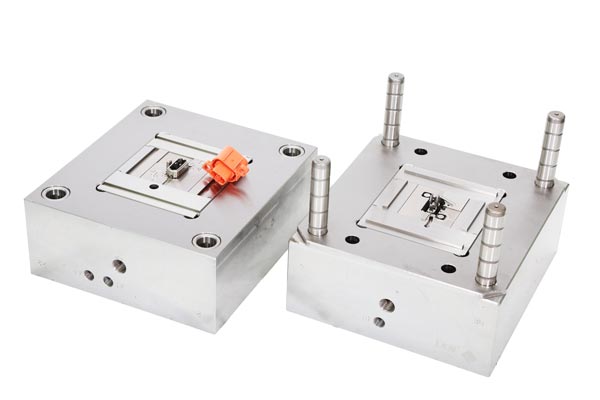
Mating Precision of the Sliding Parts in Injection Mold Processing
The mating precision of the sliding parts in injection mold processing usually selects three types of fit tolerances: H7/e6, H7/f7, and H7/g6. In actual processing, it is necessary to make a reasonable choice according to specific usage requirements and working conditions.
For inserts with hanging steps on the mirror surface, special attention should be paid to ensuring that the mating precision is not too tight. This is because when the insert is knocked backward from the front for disassembly, if the mating is too tight, the knocking tool is likely to damage the mirror surface, thereby affecting the service life of the mold and the quality of the product. Without affecting the product dimensions, a clearance fit with a double-sided gap of 0.01 – 0.02mm can be adopted, which can ensure the normal disassembly of the insert and avoid damaging the mirror surface.
Allowance Reservation for Heat Treatment Processing and CNC Rough Processing
In the heat treatment processing stage, to ensure the dimensional accuracy and surface quality of the workpiece after heat treatment, it is required to add a grinding machine allowance of 0.25mm on each side of the blank size before heat treatment. This allowance can compensate for the possible deformation of the workpiece during the heat treatment process and ensure that the subsequent grinding processing can achieve the required dimensional accuracy.
For parts such as mold cores and inserts that require CNC rough processing, a reasonable allowance should be reserved on each side. Reasonable allowance reservation can not only ensure the smooth progress of CNC rough processing but also provide sufficient processing allowance for subsequent finish processing, thereby effectively controlling the final precision of the workpiece. If the allowance reservation is improper, an excessively large allowance may lead to increased processing time and accelerated tool wear, while an excessively small allowance may not be able to completely remove the processing marks left by rough processing, affecting the precision and surface quality of the workpiece.
In conclusion, the precision control and allowance reservation in injection mold processing are systematic projects that require comprehensive consideration of multiple factors and strict control of each link. Only through scientific and reasonable precision control and allowance reservation can high-quality injection molds be manufactured, providing a strong guarantee for the production of high-precision products.