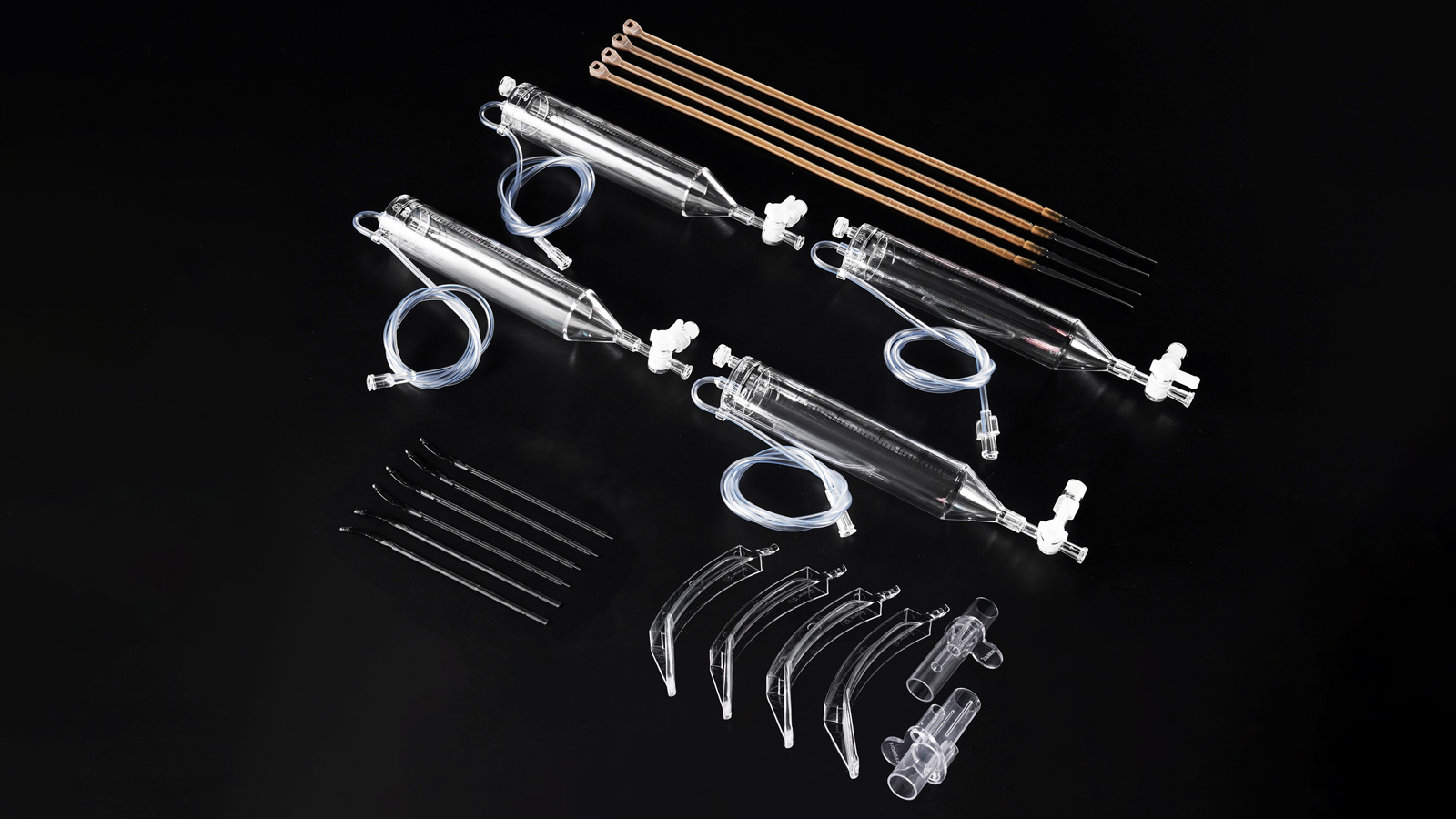
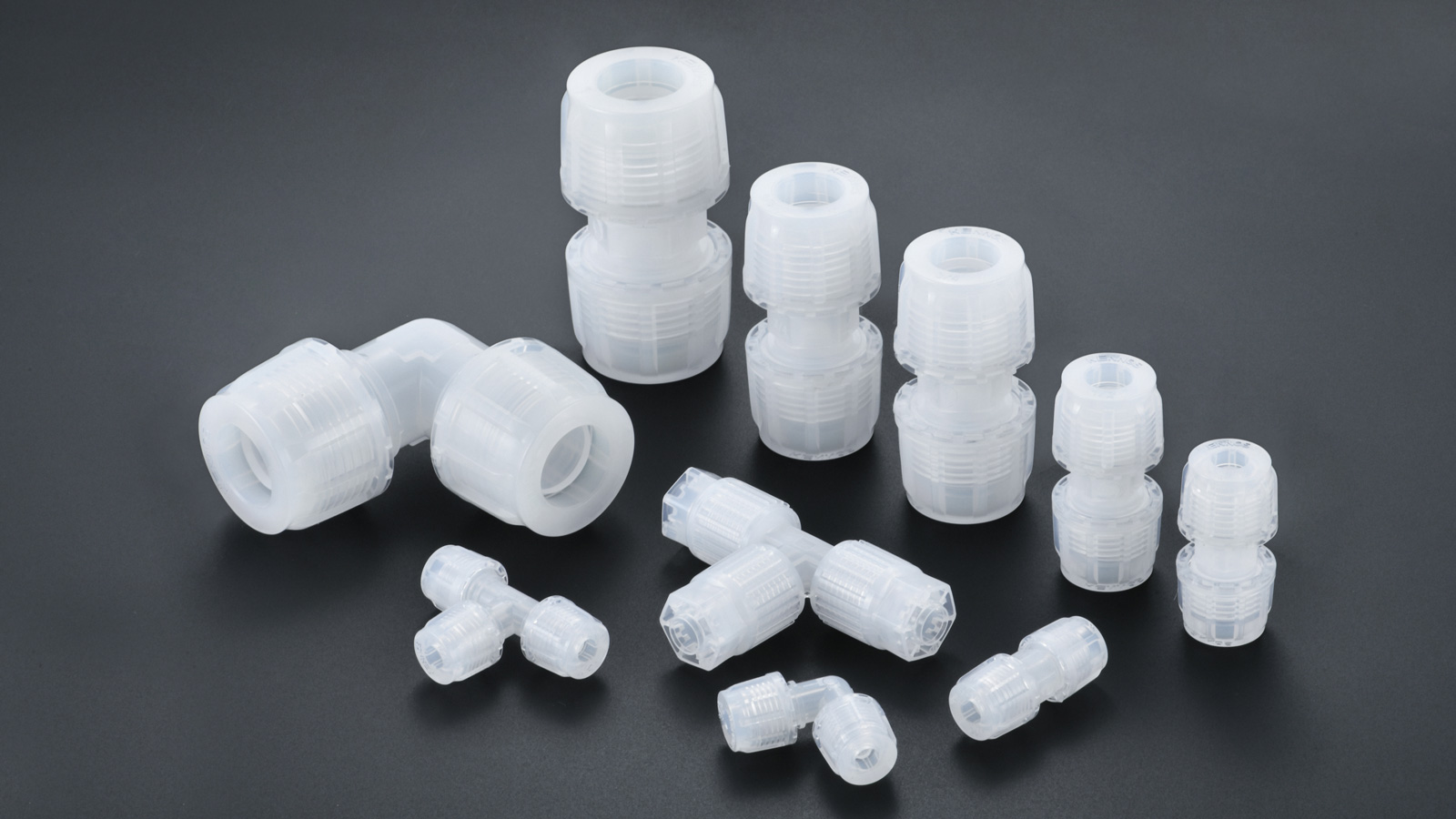
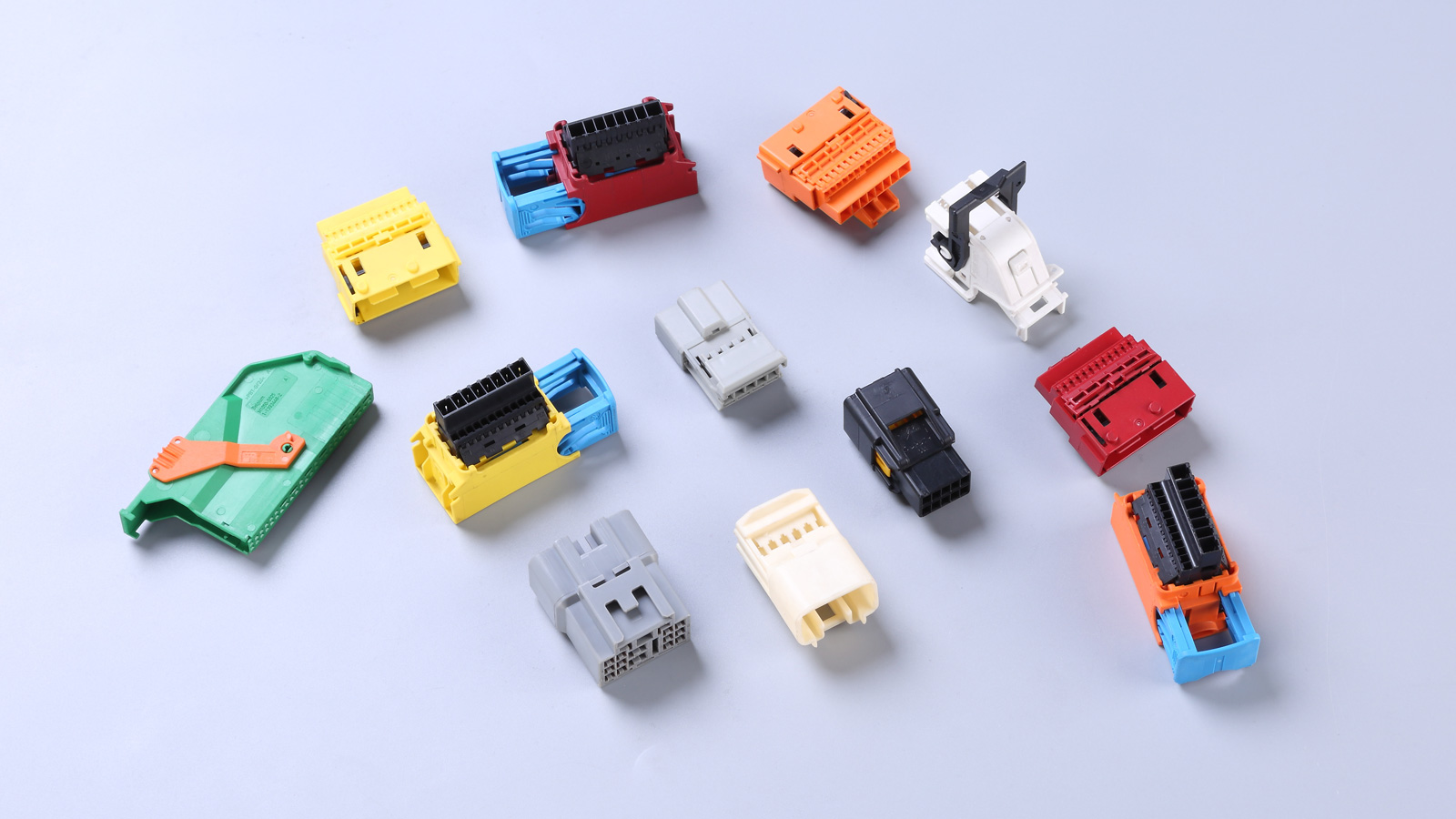
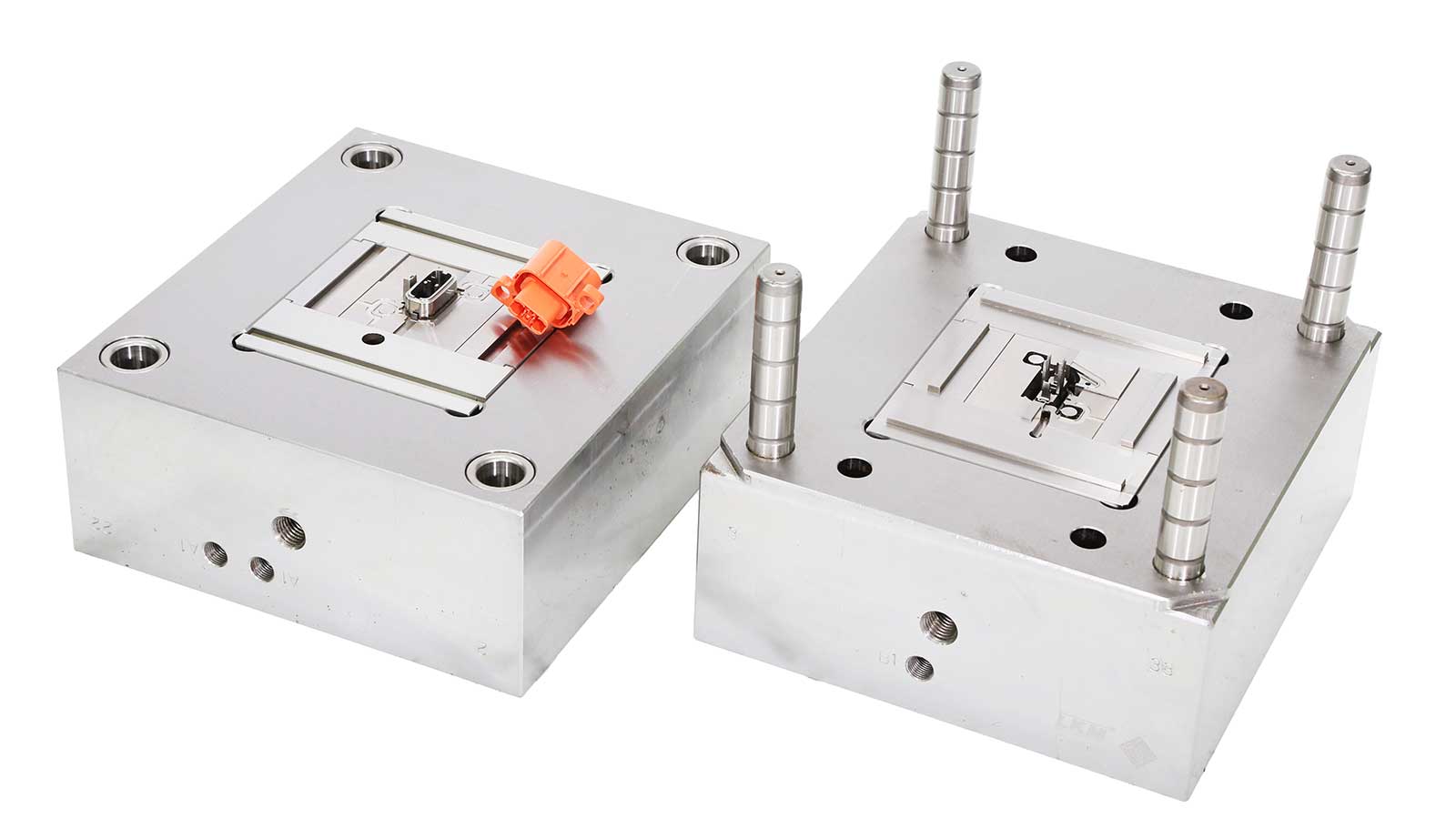




In the field of injection mold processing, processing quality encompasses multiple key dimensions, including the quality of plastic products and the service life of injection molds themselves. The factors influencing the processing quality of injection molds are intricate, involving steel material selection, injection mold structural design, quality control during the processing, and post-processing maintenance.
Basic Strategies for Improving Injection Mold Processing Quality
Scientific and Rigorous Mold Design
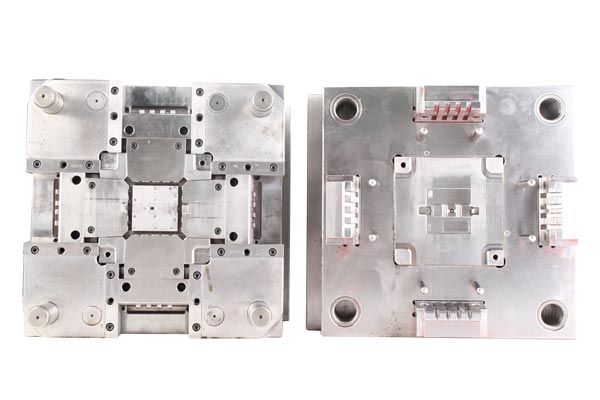
Mold design serves as the cornerstone for enhancing mold quality. During the design phase, numerous crucial factors need to be comprehensively considered. The selection of mold materials is of utmost importance. High-quality materials not only ensure that the mold possesses sufficient strength and hardness but also enhance its corrosion resistance and wear resistance, thereby extending the mold’s service life. The usability and safety of the mold structure are equally vital. A well-designed structure should guarantee the stable operation of the mold during the injection process, preventing structural failures that could lead to production interruptions. Simultaneously, the machinability of mold components should be fully taken into account to ensure that parts can be precisely processed according to design requirements, reducing processing difficulty and cost. Moreover, the convenience of mold maintenance should also be incorporated into the design considerations, facilitating post-processing cleaning, upkeep, and repair of the mold, minimizing downtime, and improving production efficiency.
Precise Control of the Processing
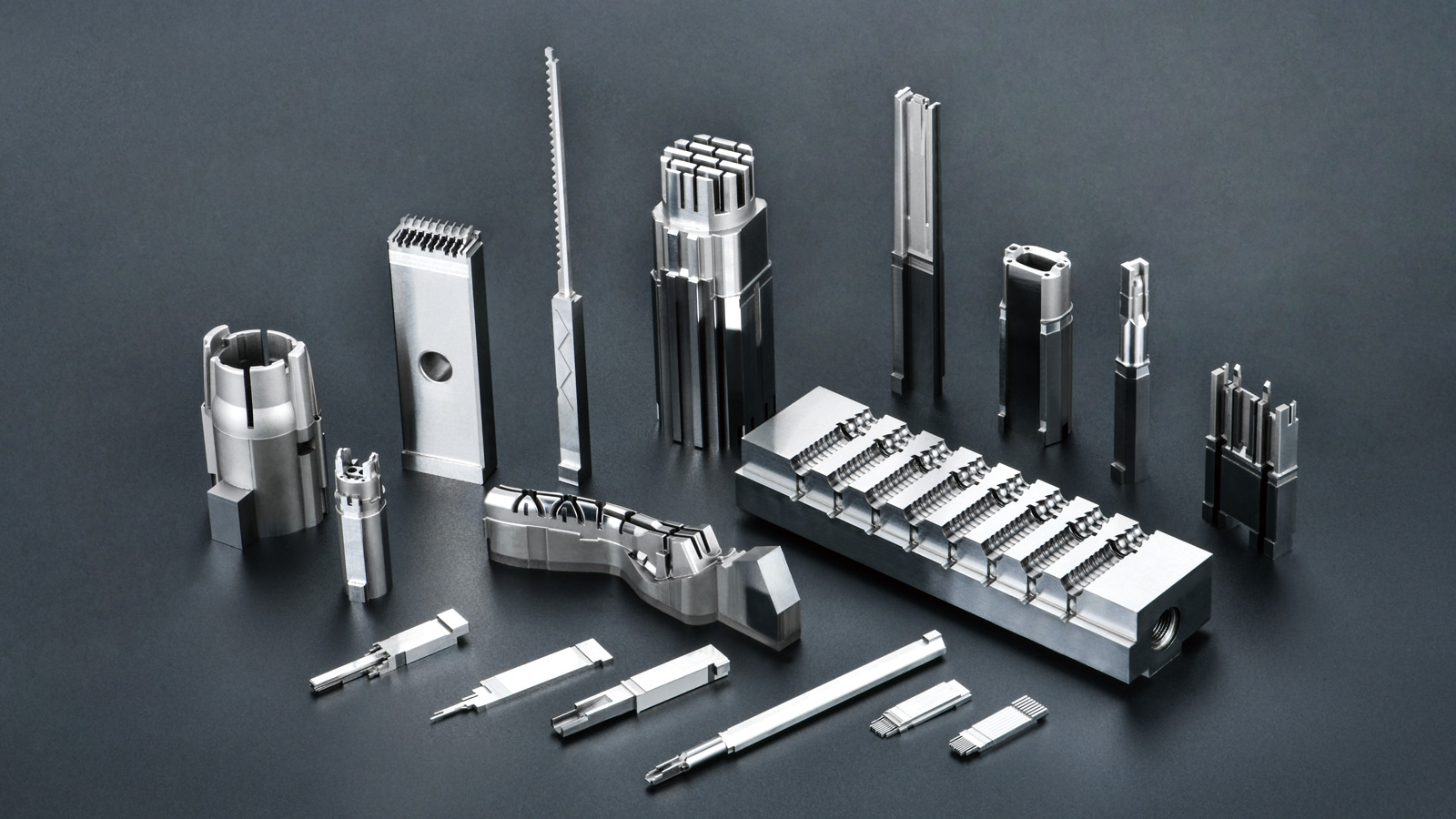
The injection mold processing is a critical link in ensuring quality. The processing methods and precision have a direct impact on the mold’s service life. The precision of each component is closely related to the overall precision of injection mold processing, so strict control is essential. In addition to relying on the inherent precision of the equipment, it is necessary to continuously improve the processing methods of components. For example, adopting advanced CNC processing technology can enhance the stability and consistency of processing, reducing human errors. Meanwhile, improving the technical skills of fitters is also crucial. Skilled fitters can accurately perform component fitting and debugging, ensuring that the fit between components meets the design requirements. Furthermore, strengthening the surface treatment of key molding components of the mold, such as using quenching and nitriding processes, can significantly improve the surface wear resistance of mold components, reducing wear and thus better enhancing mold quality.
Proper Use and Careful Maintenance of Molds
Proper use and meticulous maintenance of molds are significant factors in improving mold quality. During mold use, operators should strictly follow the operating procedures to avoid mold damage caused by improper operations. For instance, reasonably controlling injection parameters, such as injection pressure, injection speed, and holding time, ensures that the mold operates under appropriate working conditions. At the same time, regular maintenance of the mold is required, including cleaning the mold surface, checking the wear of mold components, and replacing vulnerable parts. Timely maintenance can identify and resolve potential issues, extending the mold’s service life and improving mold quality.
Quality Standards That Injection Mold Processing Factories Should Achieve
Excellent Product Quality
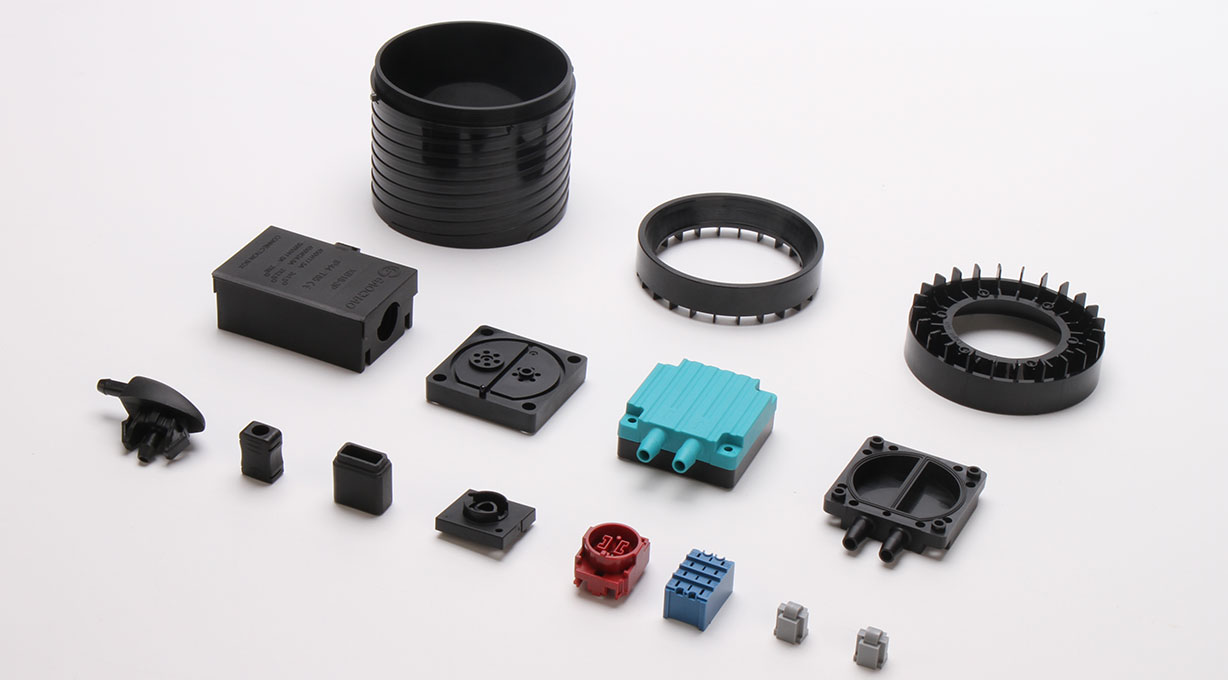
The stability and compliance of product quality are important indicators for measuring the processing quality of injection molds. Product dimensions should strictly conform to design requirements, ensuring fluctuations within the specified tolerance range to guarantee the assembly accuracy and performance of the products. The surface finish of the products should also reach a high level, with no obvious defects such as blemishes, scratches, or bubbles, enhancing the appearance quality of the products. Additionally, attention should be paid to the material utilization rate of the products. By optimizing mold design and processing technology, material waste can be reduced, and production costs can be lowered.
Reliable Service Life
Under the premise of ensuring product quality, injection molds should have a relatively long service life. This is usually measured by the number of processing cycles completed by the mold or the number of parts produced. A high-quality injection mold should be able to withstand a large number of injection cycles, maintaining stable performance and precision, reducing production interruptions and mold replacement costs caused by mold damage.
Convenient Use and Maintenance
The use and maintenance of molds should be highly convenient. The mold should be designed for easy operation and demolding, reducing auxiliary time during production. For example, adopting a reasonable ejection mechanism design can enable smooth demolding of the products, improving production efficiency. Meanwhile, mold maintenance should be simple and easy, facilitating operators to carry out daily maintenance and repair, reducing maintenance costs and difficulty.
FAQ
Q: How to select suitable mold materials?
A: Selecting mold materials requires comprehensive consideration of multiple factors. Based on the mold’s operating conditions, such as the type of injection material, injection temperature, and pressure, choose materials with corresponding strength, hardness, corrosion resistance, and wear resistance. For example, for molds injecting high-hardness plastics, high-alloy tool steels can be selected; for molds injecting corrosive plastics, stainless steel and other corrosion-resistant materials can be chosen. At the same time, the cost and machinability of the materials should also be considered to select cost-effective materials that meet the usage requirements.
Q: How to improve the processing precision of mold components?
A: Improving the processing precision of mold components can be achieved from multiple aspects. First, select high-precision processing equipment, such as high-precision CNC milling machines and machining centers, to ensure that the equipment’s inherent precision meets the processing requirements. Second, optimize the processing technology, adopt reasonable cutting parameters and processing sequences to reduce processing errors. In addition, improving the technical skills of fitters and strengthening the fitting and debugging of components are also important links in improving processing precision.
Q: What are the common surface treatment methods for molds?
A: Common surface treatment methods for molds include quenching, nitriding, and chrome plating. Quenching can improve the hardness and wear resistance of mold components; nitriding can form a high-hardness nitride layer on the mold surface, enhancing wear resistance and corrosion resistance; chrome plating can form a smooth and wear-resistant chrome layer on the mold surface, improving the surface quality and wear resistance of the mold. According to the mold’s usage requirements and operating conditions, select appropriate surface treatment methods.
Q: How to extend the service life of molds?
A: Extending the service life of molds requires comprehensive management from multiple aspects. During the mold design phase, optimize the mold structure to improve the mold’s strength and rigidity. During the processing, strictly control the processing precision to ensure component quality. During use, operate the mold correctly and reasonably control injection parameters. Regularly maintain the mold, promptly replace vulnerable parts, and repair worn areas. Through the comprehensive implementation of these measures, the service life of the mold can be effectively extended.