


In the field of plastic molding manufacturing, insert molding and overmolding, as two important processes, each have unique advantages and application scenarios. A deep understanding of their differences is of great significance for enterprises to optimize production processes, improve product quality, and reduce costs.
Overmolding: An Innovative Process of Material Fusion
Overmolding is an advanced injection molding process that can skillfully combine two or more materials to manufacture high-performance parts. Sometimes, it is also vividly called “in-mold injection.” From the perspective of the process flow, overmolding mainly covers two different processes, namely insert molding and multi-shot molding.
Insert Molding: The Perfect Union of Metal and Plastic
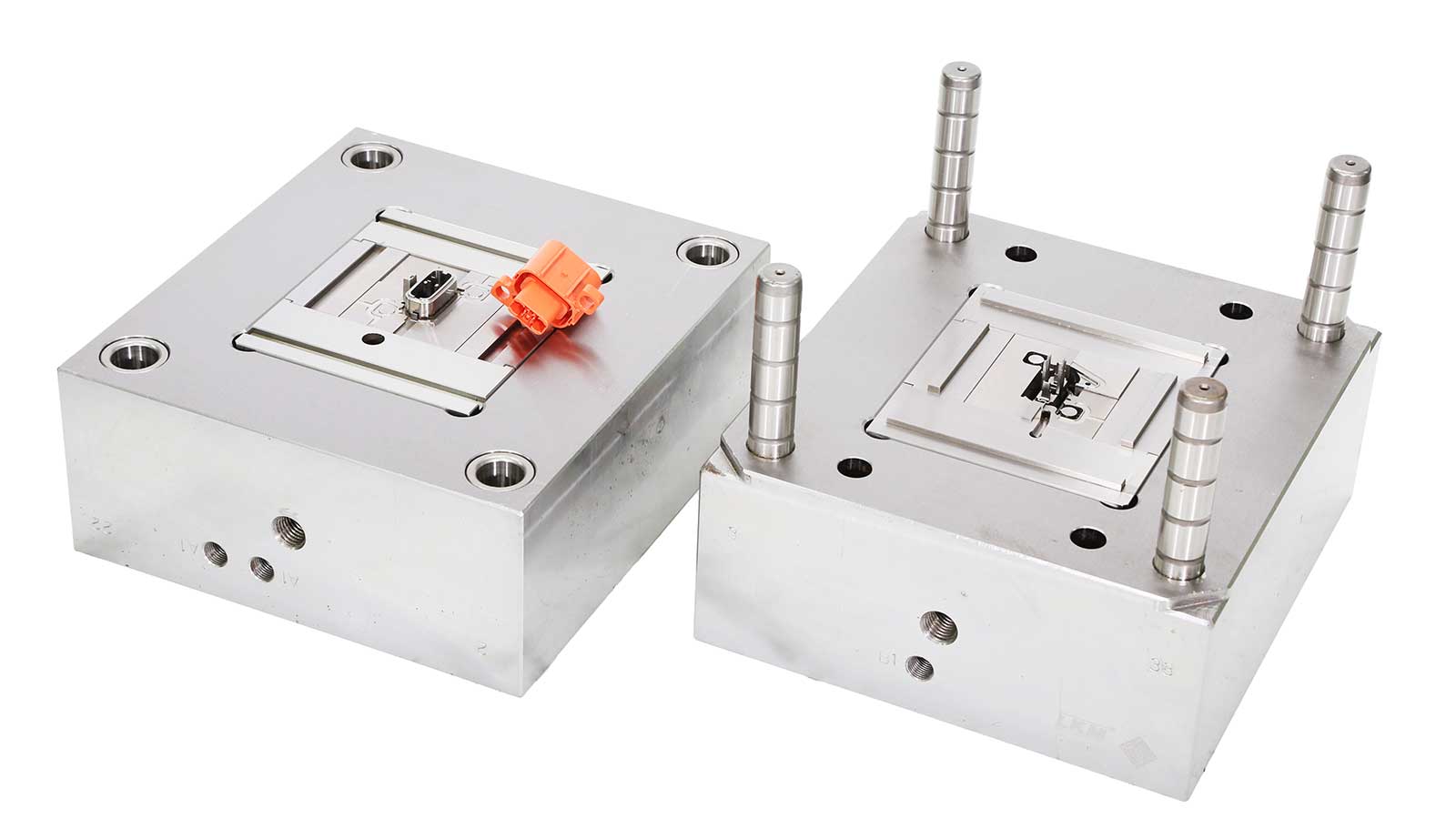
Insert molding is widely used in industrial production. Its main purpose is to precisely add metal features to plastic parts, thereby endowing the products with better performance and functions. Unlike traditional processes, insert molding embeds metal parts into injection-molded parts during the molding process rather than after curing. This innovative approach significantly reduces manufacturing and assembly operations after molding, not only improving production efficiency but also lowering the quality risks that may be introduced by multiple processing steps. In terms of the number of moldings, insert molding is a one-shot molding process, ensuring the integrity and stability of the product structure.
Multi-shot Molding: Synergistic Performance Improvement through Multiple Materials
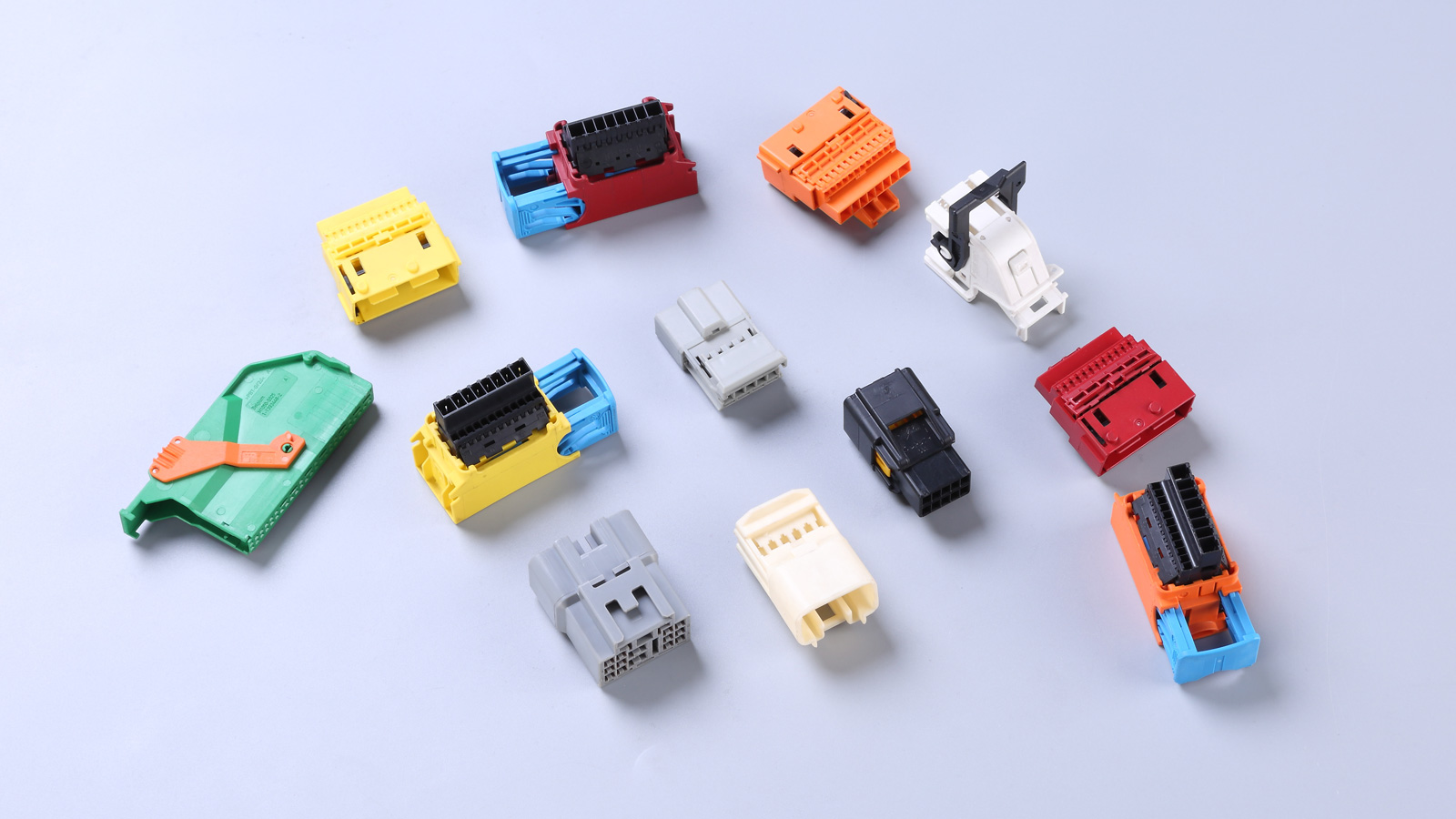
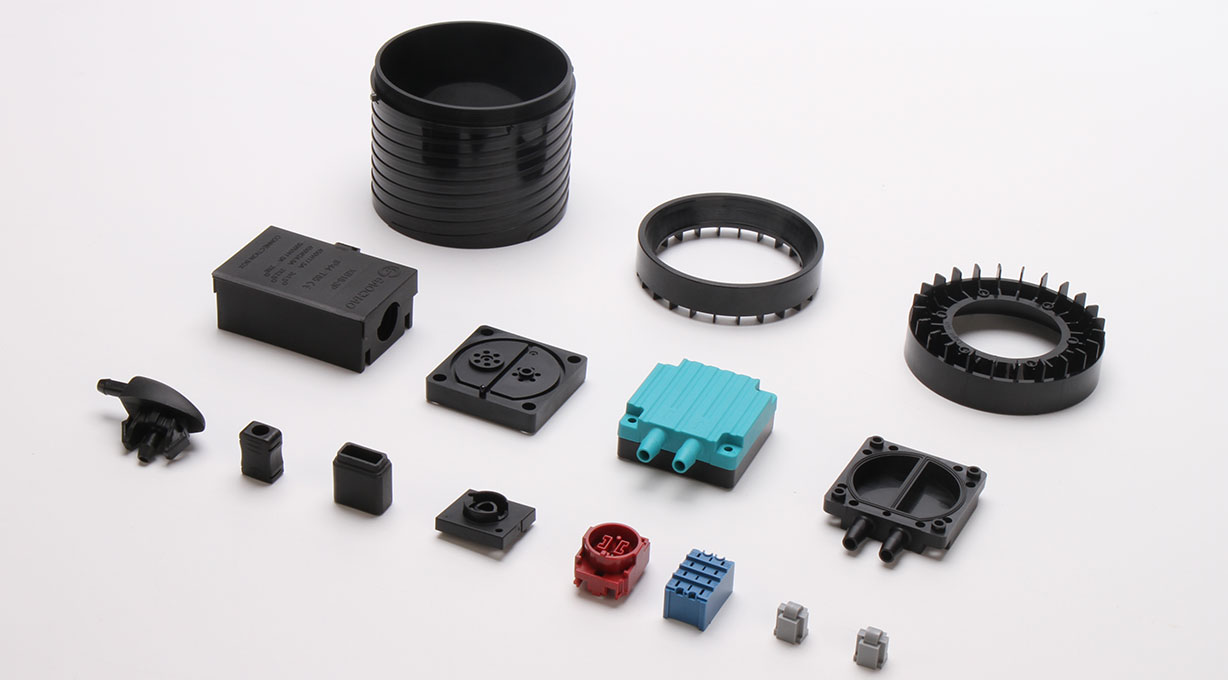
Multi-shot molding, also known as double-shot overmolding or plastic overmolding in the industry, has the unique feature of being able to manufacture plastic parts using multiple materials in a single molding process. Taking common plastic substrates as the base, by adding other materials such as thermoplastic elastomers (TPE), it can significantly improve various characteristics of injection-molded parts. In terms of appearance, the combination of multiple materials makes the products more aesthetically pleasing and of higher quality. In terms of handling characteristics, it enhances the grip of the products, making user operations more convenient. In terms of physical properties, it increases the impact resistance and environmental resistance of the products, enabling them to operate stably in more complex and harsh environments.
Comparison and Selection of the Two Processes
Although both insert molding and multi-shot molding fall under the category of overmolding, there are obvious differences in their application scenarios and advantages. Insert molding focuses on incorporating metal elements into plastic parts and is suitable for scenarios with high requirements for the mechanical properties, electrical conductivity, etc. of products, such as electronic device housings and automotive parts. On the other hand, multi-shot molding pays more attention to improving the appearance quality and comprehensive performance of products through the combination of multiple materials, and is widely used in the fields of consumer electronics and daily necessities. When choosing a process, enterprises need to comprehensively consider factors such as the functional requirements of the product, cost budget, and production scale to achieve the best production efficiency and product quality.
FAQ
Q: What are the requirements for selecting metal inserts in insert molding?
A: The selection of metal inserts needs to consider multiple factors. First, it is necessary to ensure good compatibility between the metal material and the plastic substrate to avoid product cracking or deformation due to differences in thermal expansion coefficients during the molding process. Second, according to the functional requirements of the product, select metal materials with appropriate mechanical properties, electrical conductivity, thermal conductivity, etc. For example, for parts that need to withstand large mechanical stresses, high-strength metal materials should be selected; for products with electrical conductivity requirements, metal materials with good electrical conductivity should be chosen. In addition, the processing performance and cost of the metal material also need to be considered to ensure that it can meet the requirements of the production process and control production costs.
Q: What are the special requirements for equipment in the multi-shot molding process?
A: The multi-shot molding process has high requirements for equipment. It needs to be equipped with multiple injection units that can separately control the injection processes of different materials to ensure that each material is injected into the mold accurately according to the predetermined parameters. At the same time, the equipment should have a high-precision temperature control system because different materials may have different melting and molding temperatures. Precise temperature control helps ensure the quality and molding effect of the materials. In addition, mold design and manufacturing are also crucial. The mold needs to meet the requirements of multi-shot molding and have good exhaust performance and a cooling system to ensure stable product molding quality.
Q: Which process, insert molding or multi-shot molding, has higher costs?
A: It is not possible to simply determine which process has higher costs, as this depends on multiple factors. The cost of insert molding is mainly affected by the cost of the metal insert material, the cost of insert processing, and the special requirements for equipment and processes during the molding process. If expensive metal inserts are used or the insert processing process is complex, the cost will increase significantly. The cost of multi-shot molding is related to the cost of the multiple materials used, equipment investment, and the difficulty of mold design and manufacturing. If the multiple materials used are expensive or special multi-shot injection equipment and complex molds are required, the cost will also be high. Enterprises need to conduct a comprehensive evaluation based on specific product requirements, production scale, and other factors to choose the most suitable and cost-controllable process.