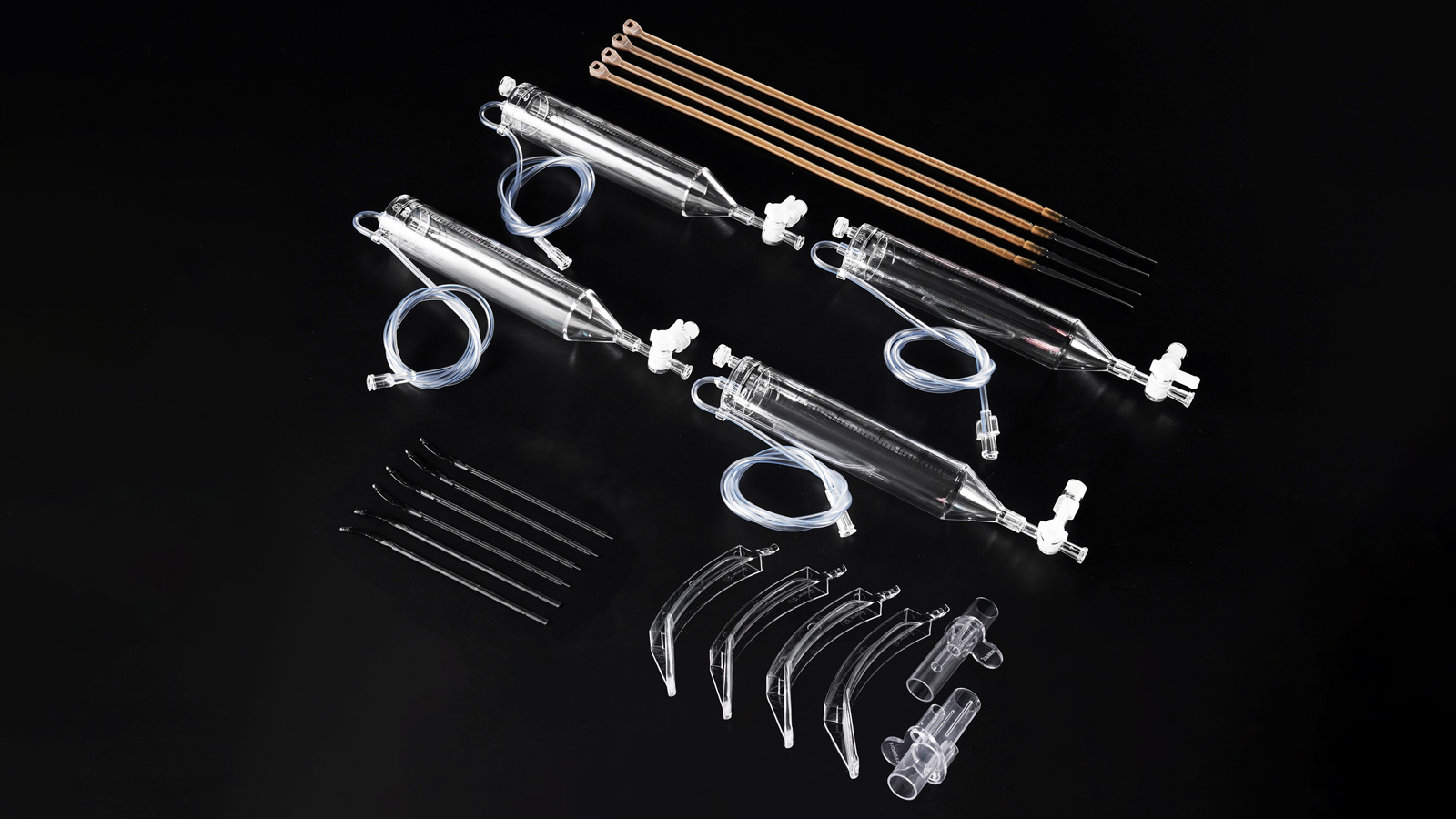
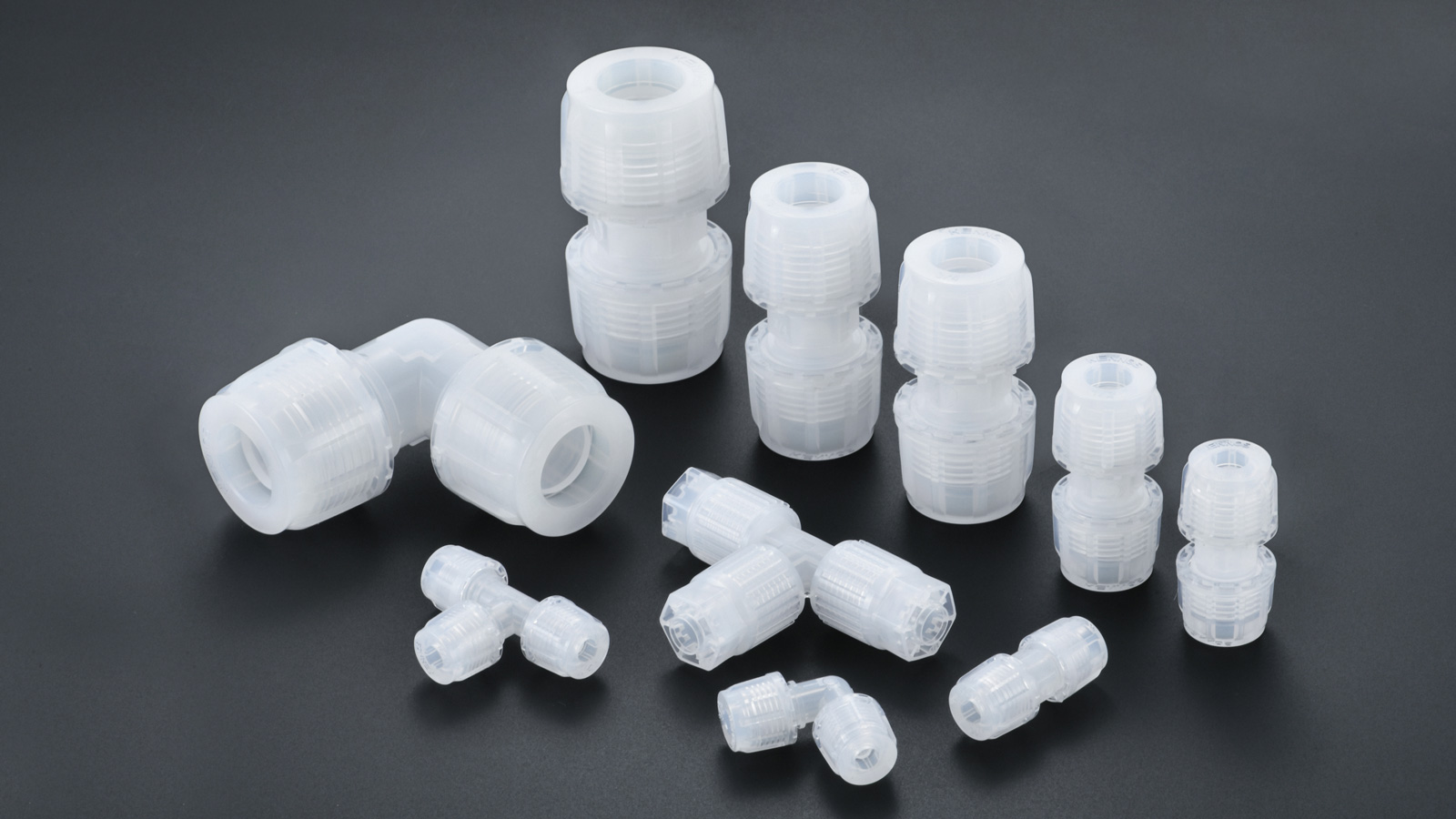
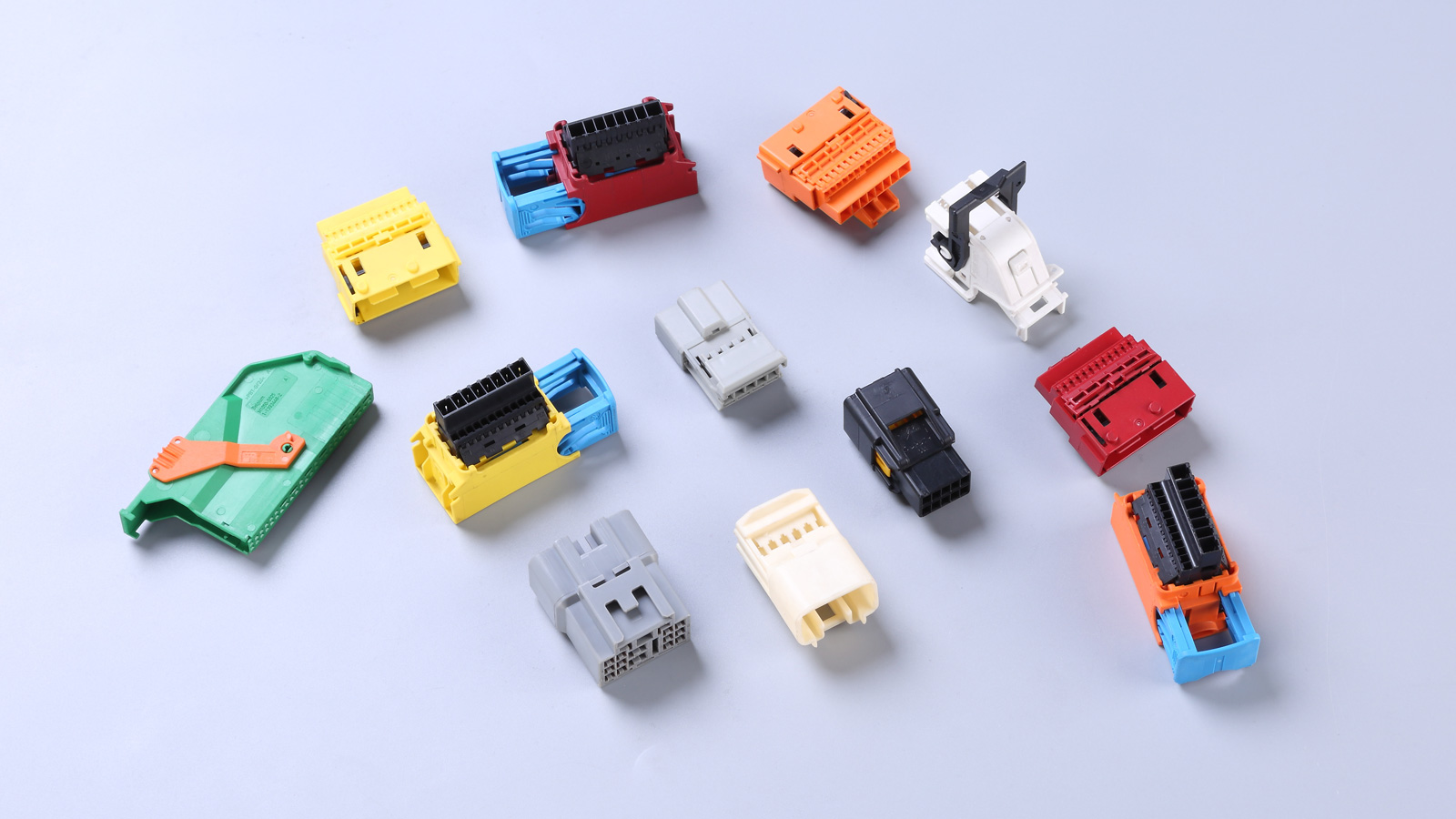
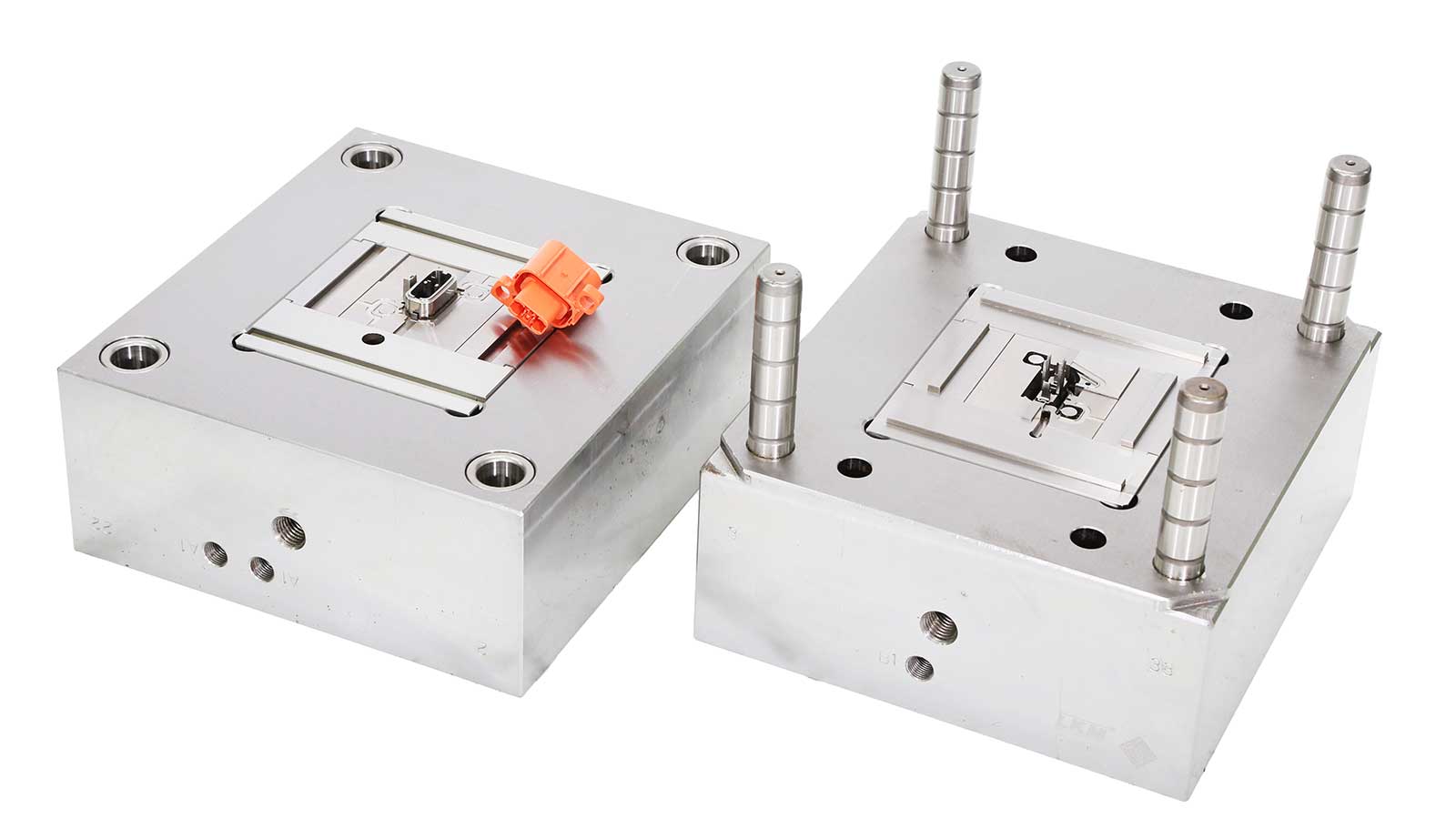
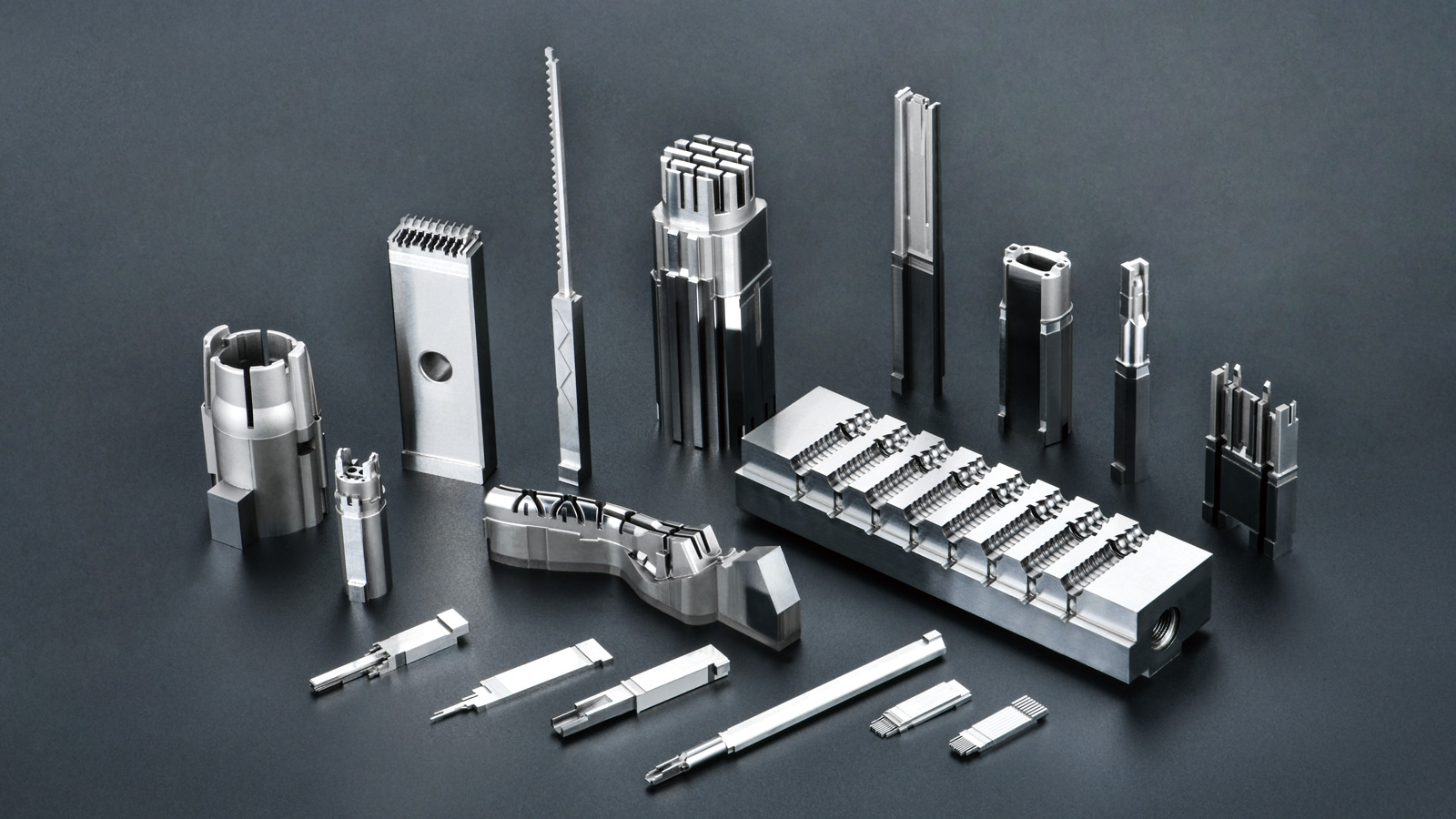
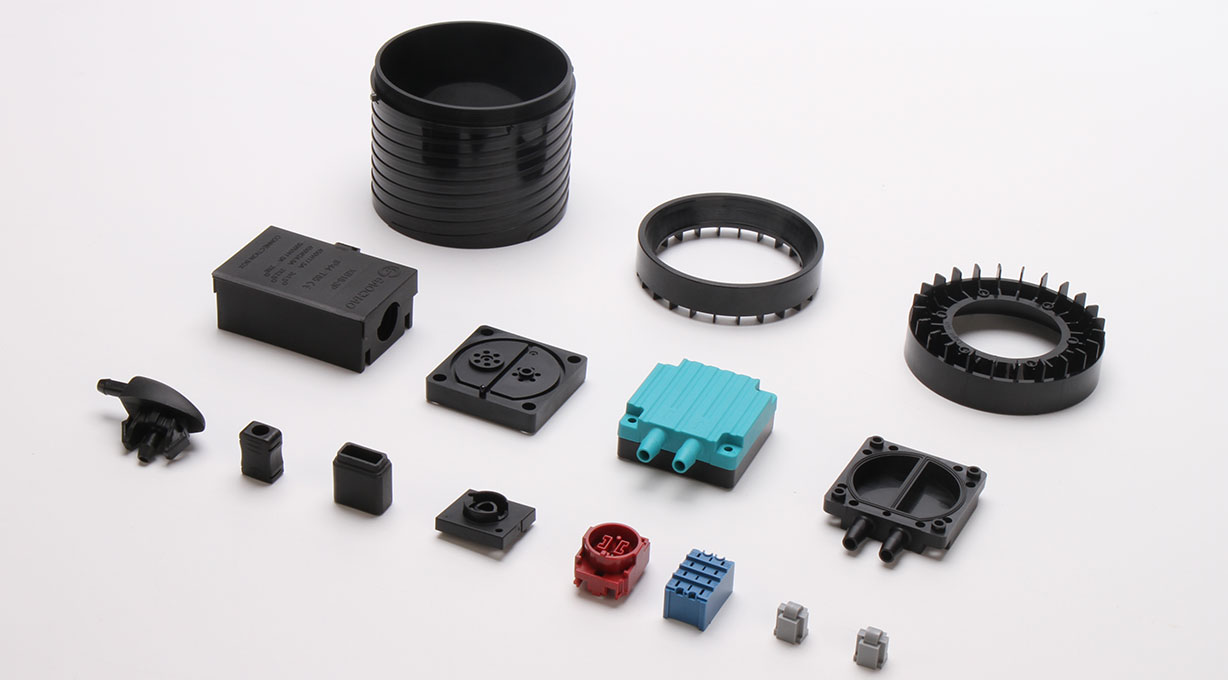




In the industrial field where the requirements for material performance are increasingly stringent today, liquid – crystal polymer (LCP) high – temperature materials, which can withstand high – temperature injection molding, are emerging as a new type of high – performance polymer with great potential and value in numerous industries.
Characteristics and Applications of LCP
Characteristics of LCP
- Significant Self – Reinforcing Property: LCP high – temperature materials have an exceptionally regular fibrous structure, which endows them with strong self – reinforcing ability. Without the need for additional glass fiber reinforcement, their mechanical strength can reach or even exceed that of ordinary engineering plastics reinforced with tens of percent of glass fiber. This helps reduce product weight while effectively ensuring structural strength.
- Excellent Heat and Chemical Resistance: The material has outstanding heat and temperature resistance, maintaining stable physical and chemical properties in high – temperature environments. It also has good resistance to various chemicals, along with excellent wear and anti – wear properties, effectively extending product service life and reducing maintenance costs.
- Good Weather and Radiation Resistance: LCP high – temperature materials have strong adaptability to climate changes and can maintain stable performance in harsh natural environments. In addition, they have good radiation resistance and can work normally in radiation environments, providing a reliable material option for special application scenarios.
- High Flame – Retardant Rating: They possess excellent flame – retardant properties, effectively preventing the spread of fire when exposed to a fire source and reducing fire risks, ensuring the safe use of products.
- Superior Insulation Performance: The resistivity of LCP is much higher than that of ordinary engineering plastics, with excellent electrical resistance. It can effectively prevent current leakage and ensure the safe operation of electrical equipment, making it widely used in the electronic and electrical fields where high insulation performance is required.
- Outstanding Corrosion Resistance: Regarding industrial organic solvents, light fuel oils, detergents, and boiling water commonly used in industrial production, LCP high – temperature materials are not easily dissolved upon contact and do not develop stress cracking, enabling stable operation in complex chemical environments.
Applications of LCP Materials
- Electronic and Electrical Field: The surface – mount soldering process in electronic and electrical appliances has extremely high requirements for the dimensional reliability and heat resistance of raw materials. LCP high – temperature materials can perfectly adapt to the liquid – phase soldering and infrared soldering processes used in surface – mount technology, ensuring stable and reliable soldering quality. Therefore, they have become one of the main application materials in the electronic and electrical industry.
- Other Fields: The application scope of LCP high – temperature materials is wide, also covering printed circuit boards, electronic component parts of artificial earth satellites, turbojet engine parts, automotive mechanical parts, and the medical field. In printed circuit board manufacturing, their excellent insulation and heat resistance can ensure the stable operation of circuits. In the aerospace and automotive fields, their high strength and high – temperature resistance can meet the requirements of complex working conditions. In the medical field, their good biocompatibility and chemical stability provide a guarantee for the safe use of medical devices.
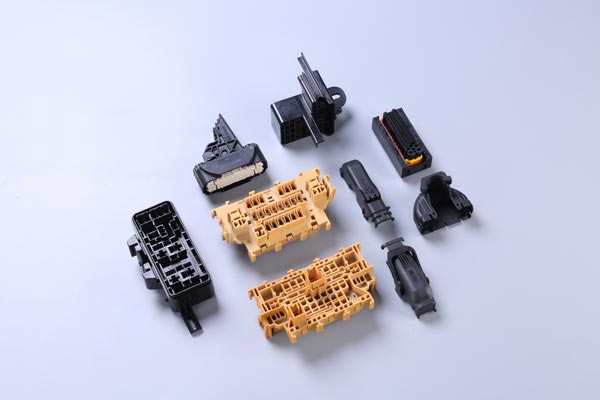
Injection Molding of LCP Materials
Since the performance and application levels of modified LCP high – temperature materials vary greatly, their injection – molding processes also need to be adjusted accordingly to a large extent. The specific process parameter ranges are as follows:
- Drying Treatment: Place the LCP high – temperature materials in an environment at 140℃ – 150℃ for 5 – 7 hours to remove the moisture in the materials, prevent defects such as air bubbles during the injection – molding process, and ensure product quality.
- Injection Molding Temperature: According to the characteristics of the materials and product requirements, control the injection – molding temperature within the range of 260℃ – 410℃. An appropriate temperature can ensure good fluidity and filling ability of the materials, resulting in complete product molding and a smooth surface.
- Mold Temperature: The mold temperature should be maintained between 100℃ – 240℃. The mold temperature affects the cooling rate and crystallinity of the products, which in turn affects the dimensional accuracy and physical properties of the products. By reasonably controlling the mold temperature, high – quality injection – molded products can be obtained.
FAQ
Q1: What are the main application advantages of LCP materials in the electronic and electrical field?
A1: The application advantages of LCP high – temperature materials in the electronic and electrical field are significant. They have high dimensional reliability and excellent heat resistance, which can meet the strict requirements of the surface – mount soldering process for raw materials, ensuring stable product dimensions and reliable soldering quality during liquid – phase soldering and infrared soldering. At the same time, their excellent insulation performance can effectively prevent current leakage and ensure the safe operation of electronic equipment.
Q2: How to determine the optimal process parameters for the injection molding of LCP high – temperature materials?
A2: Determining the optimal process parameters for the injection molding of LCP high – temperature materials requires comprehensive consideration of multiple factors. First, set the initial parameters within the above – mentioned process parameter ranges according to the modification situation and application level of the materials. Then, through trial molding and sample testing, analyze indicators such as the molding quality, dimensional accuracy, and physical properties of the products. Based on the test results, gradually adjust and optimize parameters such as drying time, injection – molding temperature, and mold temperature until the optimal process parameters that meet the product requirements are obtained.
Q3: What should be noted during the storage of LCP high – temperature materials?
A3: When storing LCP high – temperature materials, the following points should be noted. Store the materials in a dry and well – ventilated warehouse, avoiding direct sunlight and humid environments to prevent the materials from absorbing moisture and deteriorating. Keep them away from heat sources and fire sources to ensure a safe storage environment. In addition, store materials of different batches and specifications separately and mark them properly for easy management and use.
Q4: Compared with other high – temperature plastics, what are the unique advantages of LCP high – temperature materials?
A4: Compared with other high – temperature plastics, LCP high – temperature materials have many unique advantages. Their self – reinforcing property enables them to achieve high mechanical strength without additional reinforcement, reducing product weight and cost. They perform excellently in terms of heat resistance, chemical resistance, weather resistance, and radiation resistance, and have a high flame – retardant rating, superior insulation performance, and outstanding corrosion resistance. These comprehensive advantages make LCP high – temperature materials stand out among many high – temperature plastics and widely used in fields with high requirements for material performance.