



In the medical field, material safety and functionality directly impact patient health. Liquid silicone rubber (LSR), renowned for its biocompatibility, high-temperature sterilization resistance, and precision molding capabilities, has become a cornerstone of advanced medical device manufacturing. From in vitro diagnostic tools to long-term implants, LSR injection molding is driving innovation toward safer, smarter healthcare solutions.
1. In Vitro Diagnostics and Consumables: Dual Protection of Precision Sealing and Corrosion Resistance
LSR’s chemical inertness and ultra-precision molding make it ideal for sealing in vitro diagnostic equipment. For instance, blood glucose meter test strip chambers utilize LSR seals with ±0.01mm tolerance to prevent reagent leakage, while nucleic acid test kit valves leverage its acid/alkali resistance for direct contact with biological samples without swelling. In biochemical analyzers, sample cup seals molded from LSR withstand -40°C to 121°C temperature cycles, meeting high-frequency automated testing demands.
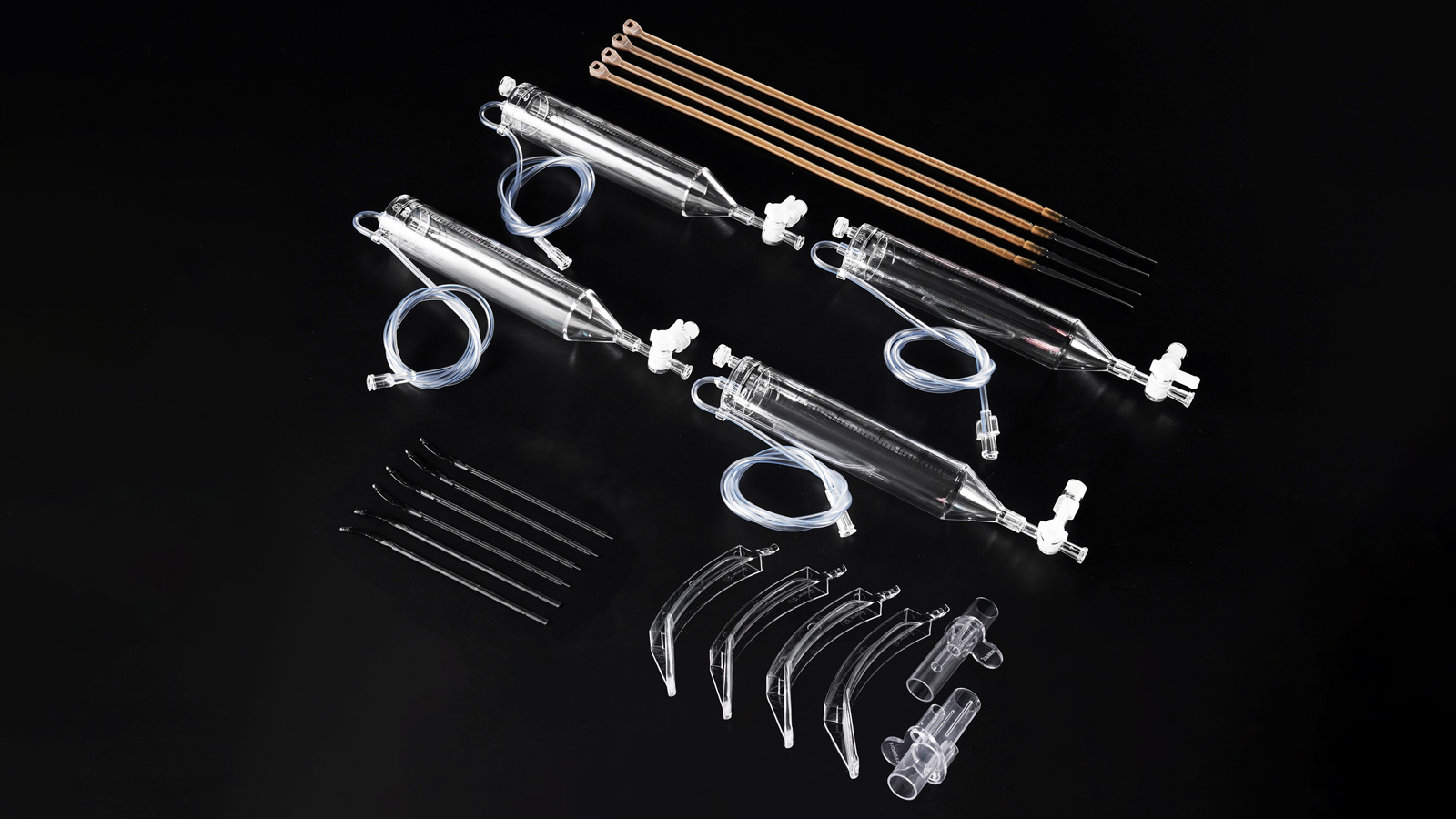
For disposable consumables, LSR injection molding balances cost-efficiency with high performance. Infusion bag stopcock valves feature microstructure-molded LSR (0.3mm-deep flow channels) for one-way sealing, preventing backflow. Syringe grips combine LSR with PC via two-shot molding, enhancing anti-slip properties while surviving ethylene oxide sterilization.
2. Minimally Invasive Devices: Merging Soft Touch with Functional Integration
LSR’s softness (Shore A 20-40) and fatigue resistance underpin its use in vascular catheters and endoscopic biopsy channels. Cardiac pacemaker lead coatings, molded via LSR injection, form uniform 0.5mm-diameter layers that shield wires from tissue friction while maintaining signal integrity. Vascular catheter sheaths combine PA cores with LSR exteriors through overmolding, achieving “rigid-flexible synergy”—inner rigidity for pushability and outer softness to minimize vascular damage.
In neurosurgery, LSR injection molding has revolutionized ventriculoperitoneal shunts. Traditional shunts often clog due to tissue overgrowth, but new LSR-based models feature 5-10μm microporous surfaces that drain cerebrospinal fluid while allowing nutrient passage, reducing blockage rates from 30% to below 5%.
3. Long-Term Implants: Breakthroughs in Biocompatibility and Durability
LSR’s bioinertness makes it preferred for cochlear implants and intraocular lenses. Cochlear implant electrode arrays use medical-grade LSR encapsulation passing ISO 10993-1 cytotoxicity tests, ensuring 20+ years of in vivo stability. Breast implant fillers adopt multi-layer LSR injection molding—combining a shell, gel, and microsphere structure—to maintain shape while preventing leakage risks associated with traditional silicone.
In orthopedics, LSR injection molding is redefining reconstruction. For hemifacial atrophy patients, novel LSR facial implant scaffolds integrate 3D-printed bases with LSR overmolding, achieving anatomical customization. Their porous architecture (60-80% porosity) promotes tissue ingrowth, offering superior long-term stability compared to autografts.
4. Smart Medical Devices: Synergy of Sensor Integration and Wear Comfort
As the Internet of Medical Things (IoMT) expands, LSR injection molding incorporates smart functionalities. Wearable ECG monitors use conductive LSR electrodes (0.2mm thick with embedded silver nanowires) to optimize signal acquisition and skin adhesion. Insulin pump reservoirs combine LSR/PC two-shot molding for fluid sealing and shock absorption, minimizing vibration impacts during daily activities.
Conclusion: From Material Innovation to Medical Revolution
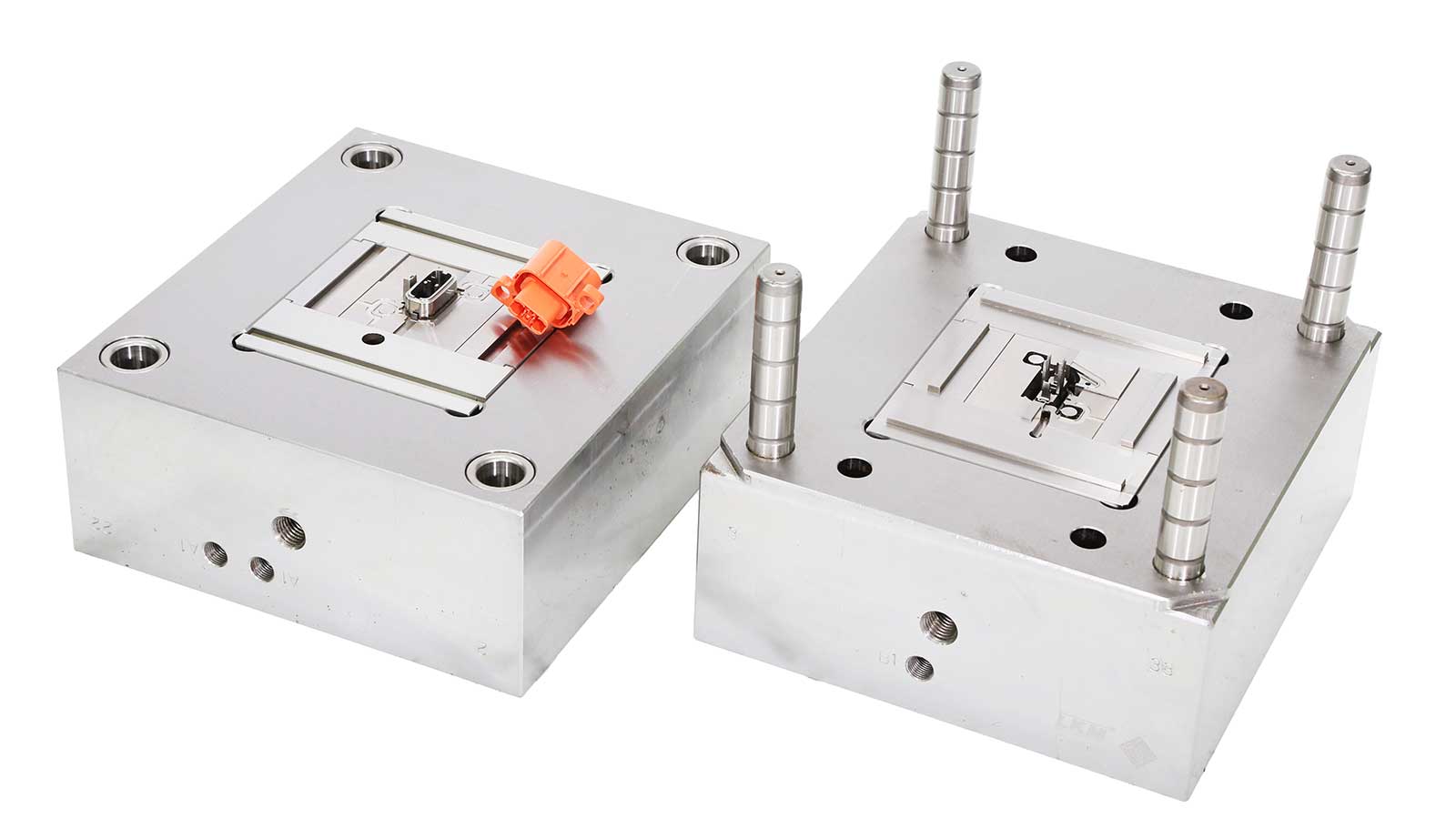
The core value of LSR injection molding lies in its integration of material properties, process precision, and clinical needs. From 0.01mm-scale microfluidic seals to 20-year in vivo stability, this technology is redefining medical device manufacturing standards. With further integration of 3D printing and smart sensing, LSR injection molding will continue to propel healthcare toward greater precision and patient-centricity.