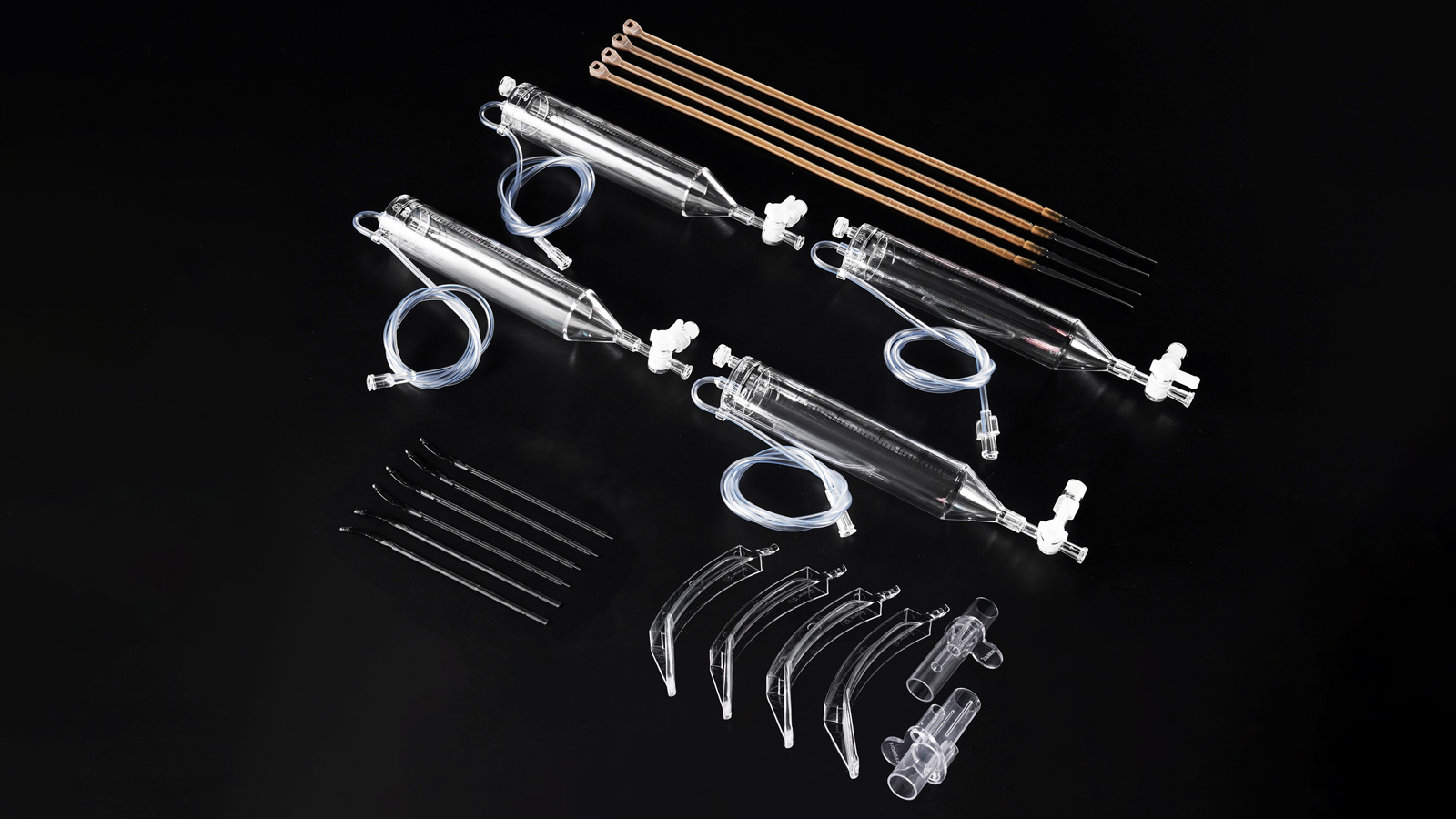
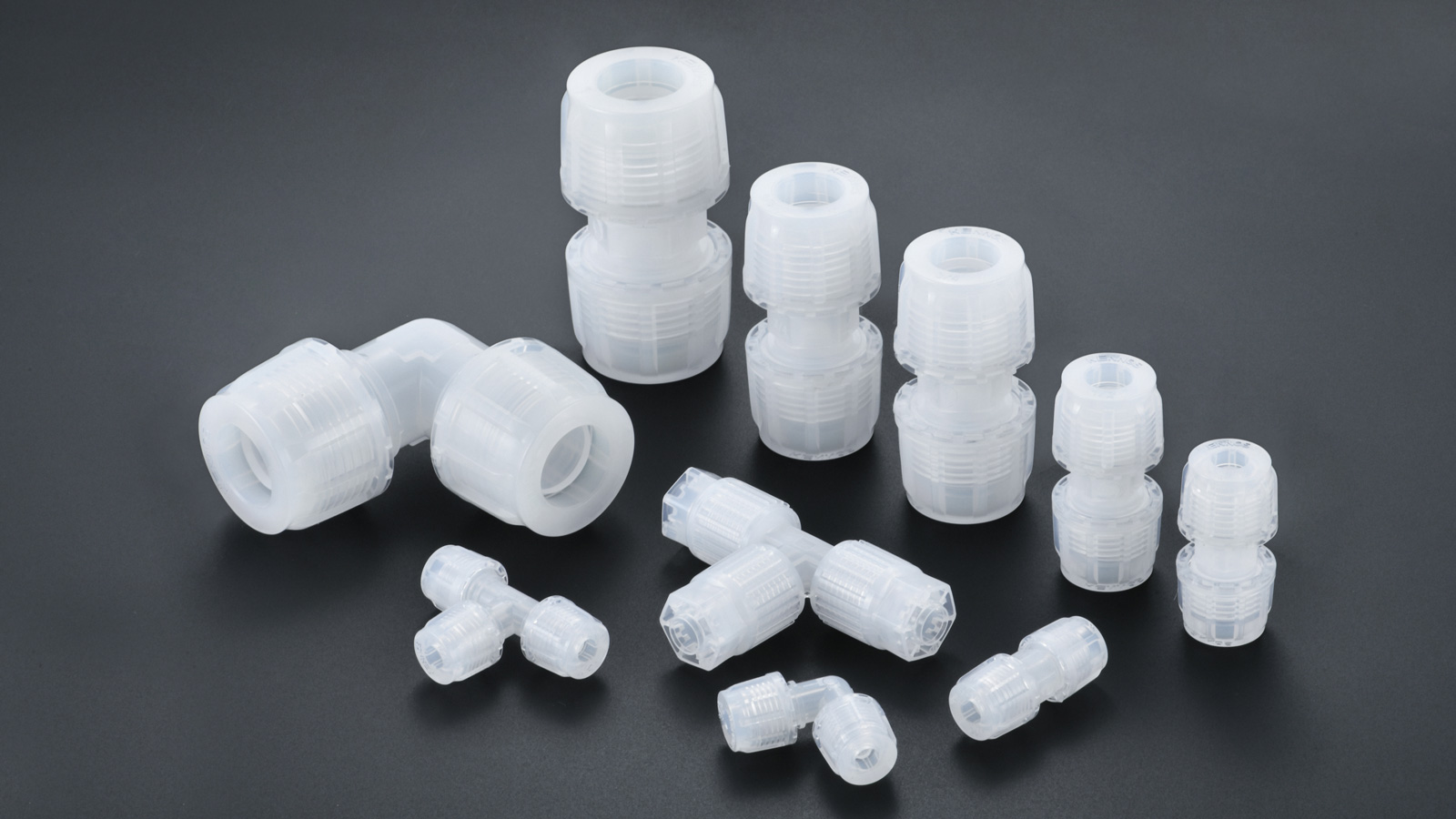
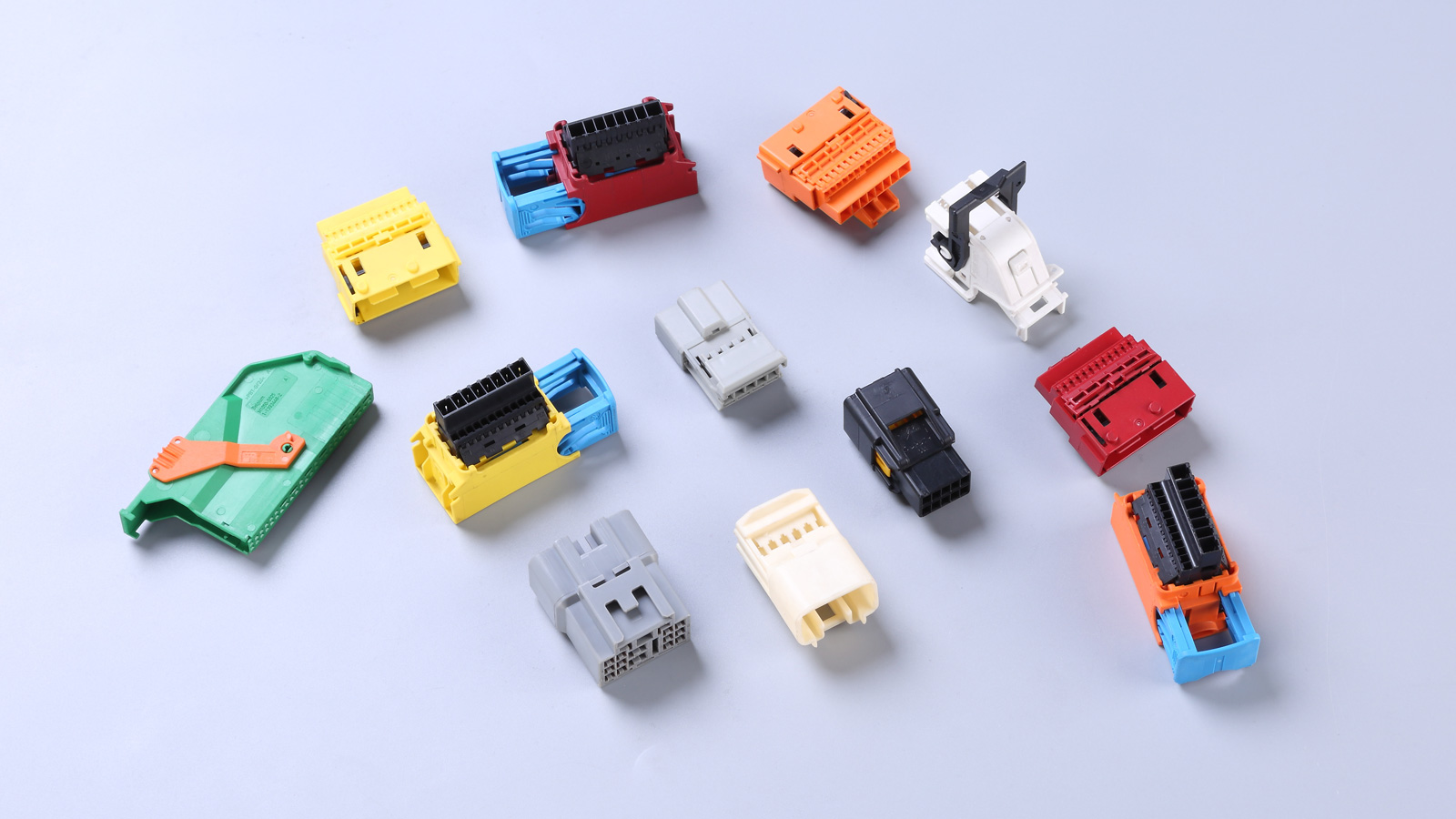
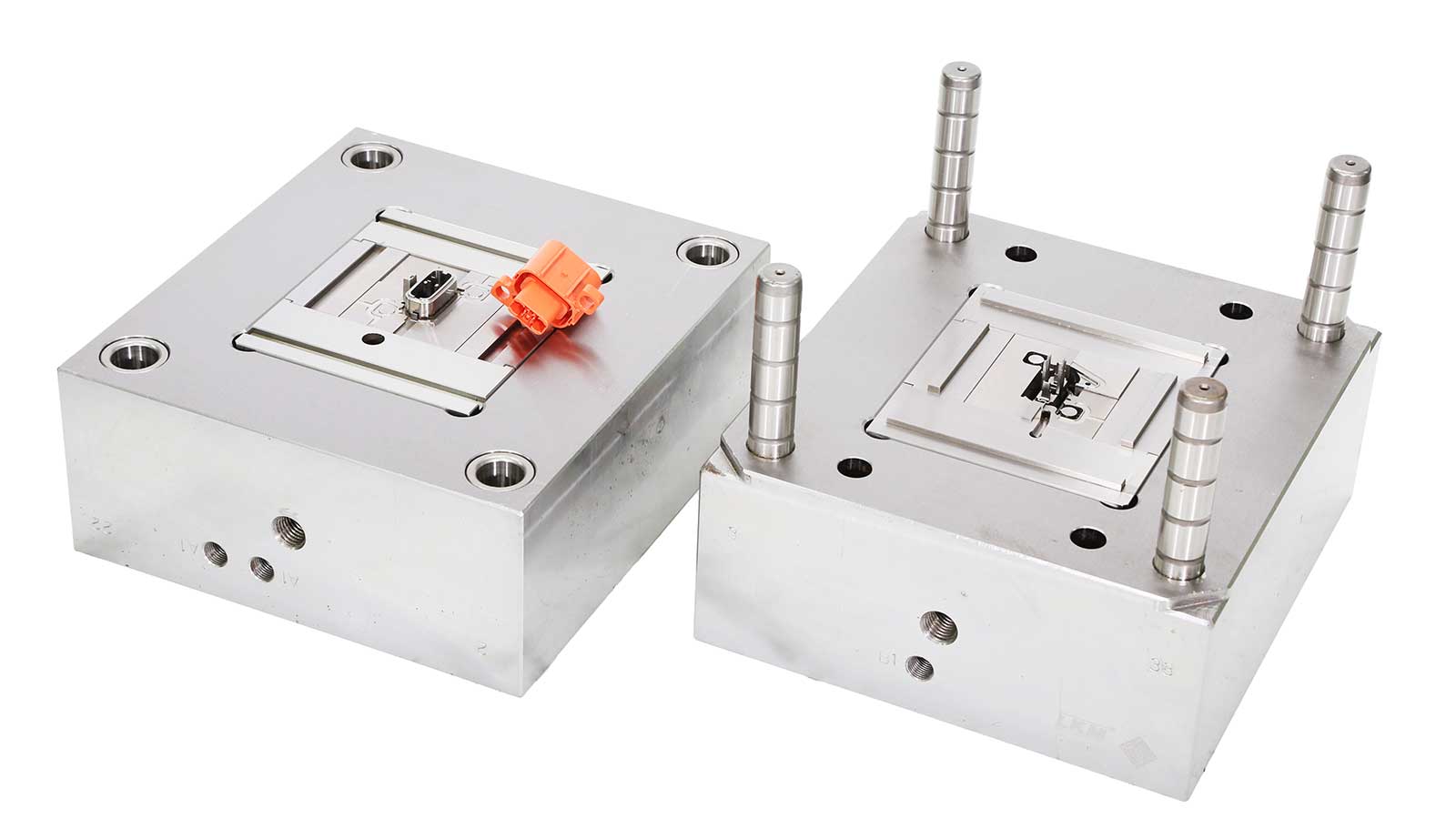
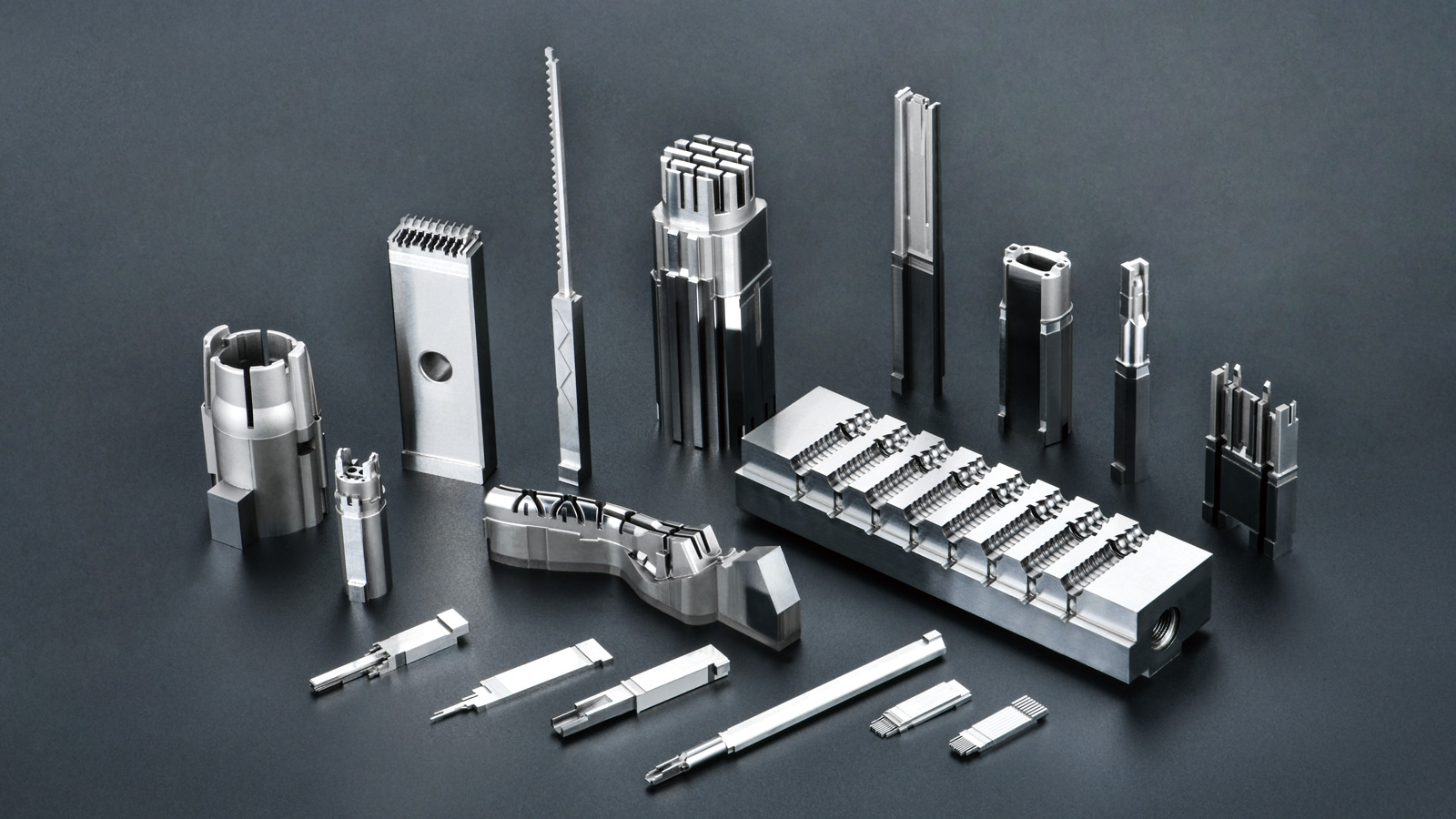
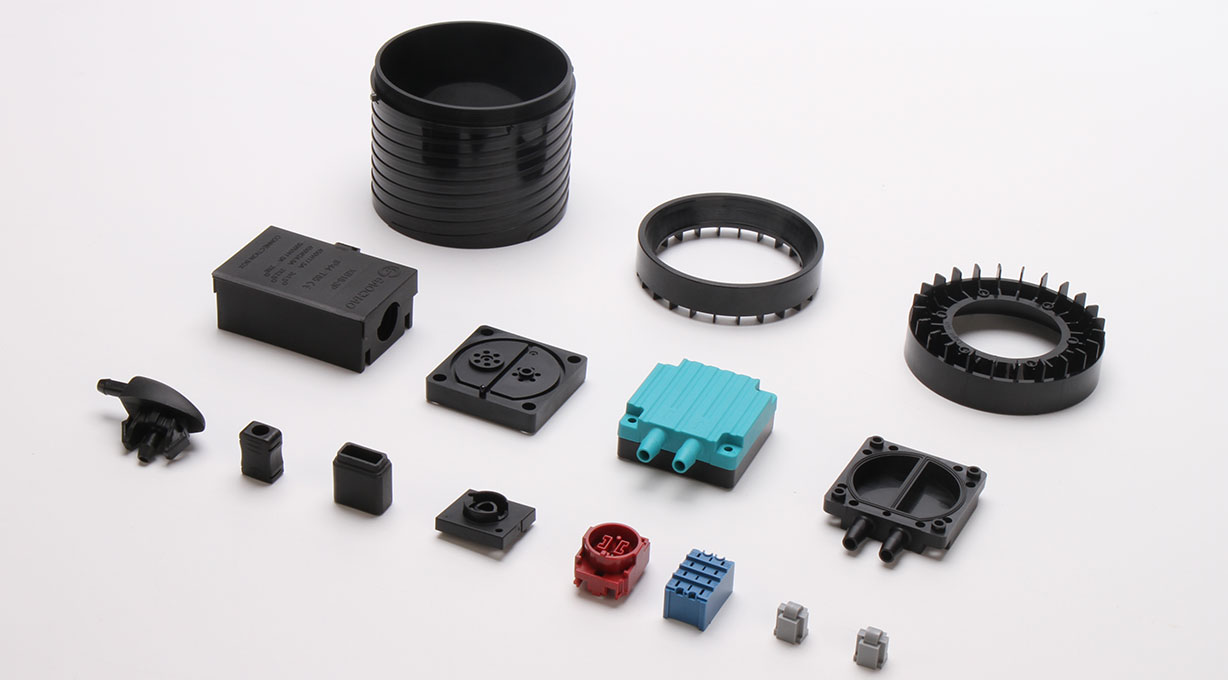



In the context of the healthcare industry’s accelerated shift toward precision, personalization, and intelligence, liquid silicone rubber injection molding has emerged as a core enabler for advanced medical device manufacturing. Leveraging its biocompatibility, precision molding capabilities, and functional expandability, this technology is redefining boundaries across implantable devices, in vitro diagnostic consumables, smart wearables, and personalized orthopedic appliances, opening new frontiers in medical manufacturing.
1. Material Performance Breakthroughs: From “Safety Compliance” to “Functional Integration”
Future medical-grade liquid silicone rubber materials will advance toward higher functionality. Nanomodification technologies are expected to elevate tensile strength beyond 15MPa, meeting demands for artificial joints and orthopedic implants. Biodegradable silicone variants, now in late-stage clinical trials, offer eco-friendly solutions for absorbable sutures and temporary stents. Conductive/thermal liquid silicone rubber materials with adjustable resistivity (10⁻³–10⁶Ω·cm) are enabling innovations like flexible ECG electrodes and smart wound dressings. For instance, pacemaker lead coatings using Shore A 30–50 liquid silicone rubber already demonstrate anti-tear properties capable of withstanding long-term cardiac contractions, with future iterations integrating real-time monitoring via conductive silicone for “structure-function” integration.
2. Process Precision Advancements: Merging Micro-Nano Manufacturing with Smart Production
As the microelectronics and neurointerventional fields demand increasing miniaturization, liquid silicone rubber injection molding machines are achieving positional repeatability of ±0.01 mm. Multi-component molding enables the creation of composite structures, such as vascular catheter shafts that combine rigid PA cores with soft liquid silicone rubber exteriors, thereby boosting bending fatigue life beyond 1,000 cycles. Intelligent temperature control and energy recovery systems reduce per-part cycle times to 15 seconds while cutting energy consumption by 30%. Digital twin technologies optimize mold designs through virtual simulations, compressing trial molding cycles from weeks to under 72 hours and significantly lowering development costs.
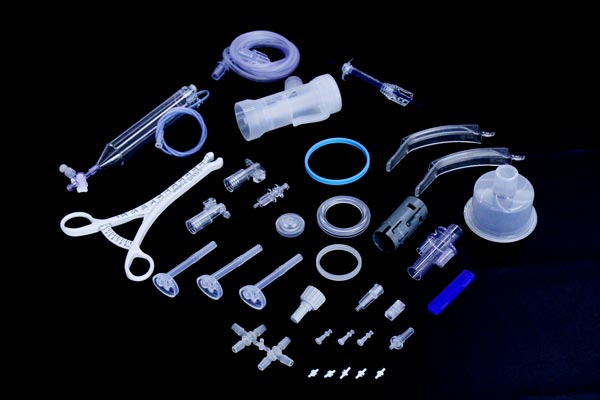
3. Application Expansion: From Standardized Components to Personalized Customization
The integration of 3D printing with liquid silicone rubber injection molding is reshaping personalized medical manufacturing. Customized orthoses and prosthetic liners, modeled on patient CT/MRI data, feature microstructured surfaces (e.g., 0.3mm-deep serrated interlocking) that enhance bonding strength to over 5N/mm². In smart healthcare devices, liquid silicone rubber watch bands embedded with pressure-sensing pads monitor wear compliance in real time, transmitting data via Bluetooth to form closed-loop “prevention-diagnosis-intervention” systems. For in vitro diagnostics, microfluidic chips with 0.1mm-thick liquid silicone rubber seals, paired with UV-curing processes, have increased nucleic acid test kit production efficiency by 40%.
4. Green Manufacturing and Regulatory Upgrades: Sustainability Driving Industry Transformation
Stricter environmental regulations are forcing technological upgrades. EU REACH regulations have added four restricted substances, spurring development of platinum-free catalyst systems that reduce curing temperatures below 80°C, cutting energy use. Closed-loop recycling systems achieve 95% material recovery rates via chemical depolymerization, reducing reliance on metal silicone raw materials. China’s revised Medical Silicone Product Industry Standard strengthens biocompatibility traceability requirements, prompting enterprises to establish carbon footprint management systems from raw materials to finished products. For example, a leading firm’s vertical integration strategy has raised smart production line investment to 25% of total costs, lowering per-unit carbon emissions by 18% compared to industry averages.
Conclusion
The future of medical liquid silicone rubber injection molding lies in the deep integration of material science, smart manufacturing, and clinical needs. From nanomodification to intelligent production, and from personalized customization to green manufacturing, technological breakthroughs will continuously expand medical application boundaries. As global high-end healthcare markets prioritize “safety, precision, and intelligence,” liquid silicone rubber injection molding will play an increasingly pivotal role in driving human health innovation.