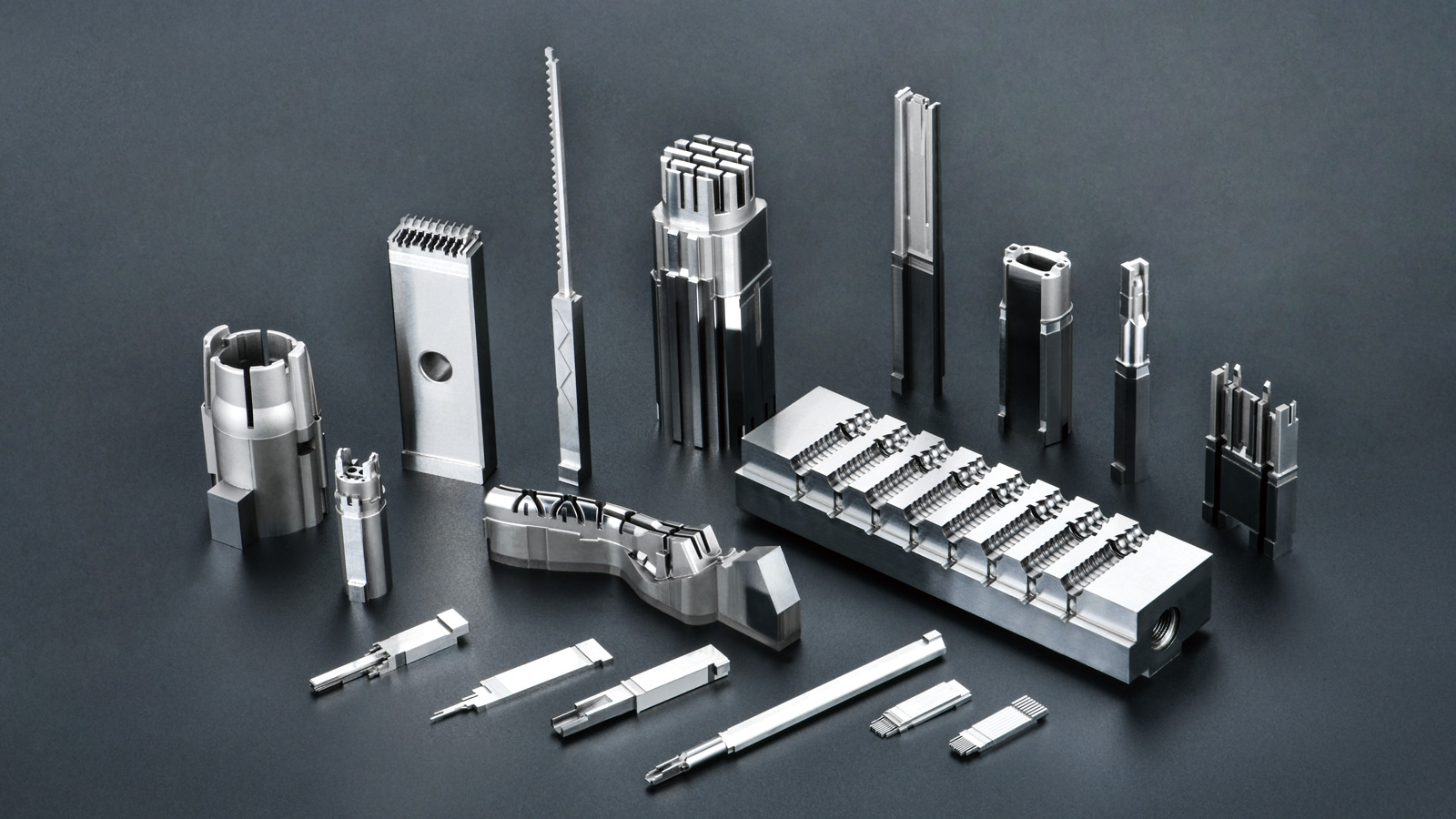
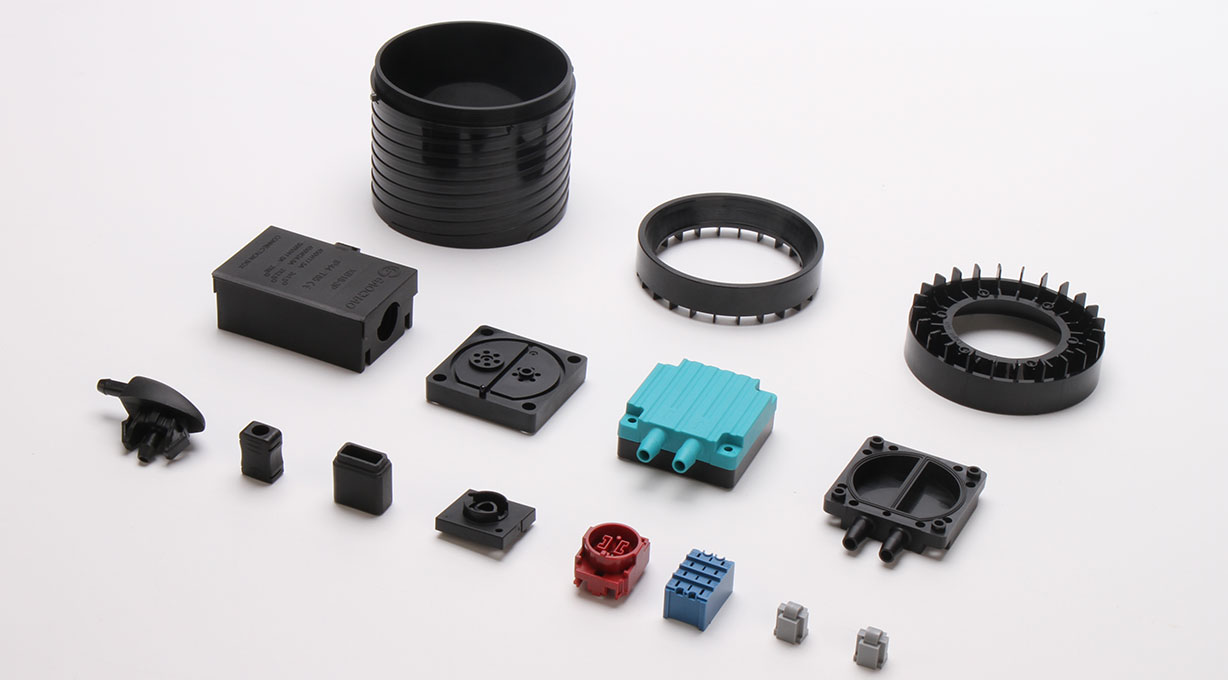



Metal injection molding, namely Metal Injection Molding (MIM for short), is an advanced manufacturing process that combines modern plastic injection molding technology with powder metallurgy technology. It involves mixing metal powder with a binder, then performing injection molding similar to plastic, followed by subsequent treatments such as debinding and sintering to obtain high-precision, high-performance metal parts ultimately. The following is the main process flow of metal injection molding.
1. Material Preparation
The core raw materials for metal injection molding include metal powder and a binder. The metal powder needs to have an extremely fine particle size (usually less than 20μm) to ensure uniform dispersion and good rheological properties. The binder is composed of components such as thermoplastic plastics and paraffin, and its function is to impart good flowability to the mixture for easy injection molding. The metal powder and the binder are mixed in a precise proportion and stirred until uniform under heating conditions to form granular feedstock.
2. Injection Molding
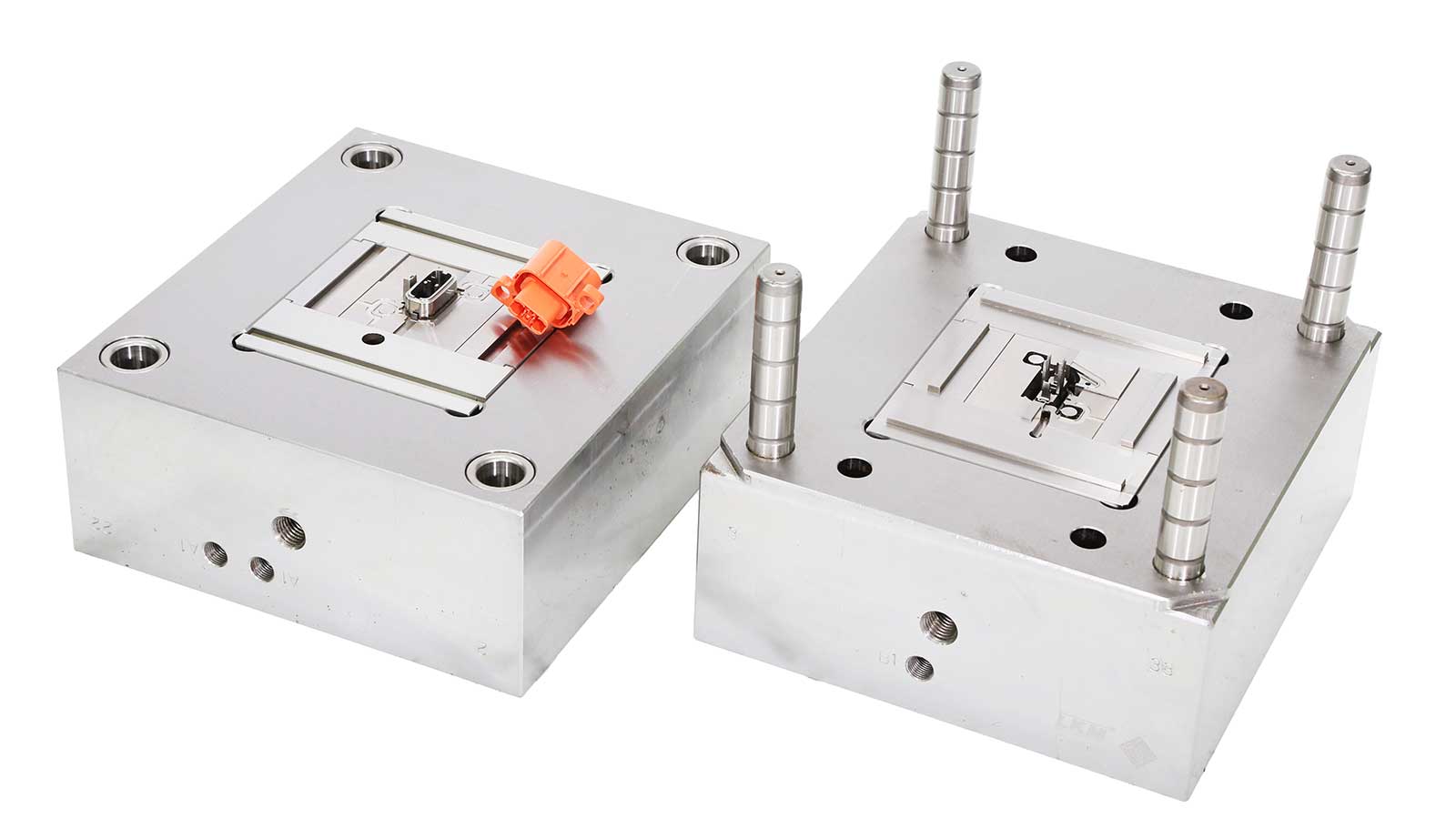
The prepared feedstock is sent into an injection molding machine, heated to a flowing state, and then injected into the precision mold cavity under high pressure. The mold design needs to take into account the shrinkage of the metal parts during the sintering process to ensure the final dimensional accuracy. The formed parts are called “green parts”. After cooling, they are removed from the mold. At this time, the parts have a preliminary shape but low strength.
3. Debinding Treatment
Debinding is a crucial step to remove the binder from the green parts. Usually, solvent extraction or thermal decomposition methods are used to gradually decompose and discharge the binder, leaving a porous metal skeleton. This process requires strict control of temperature and time to prevent the parts from cracking or deforming.
4. Sintering Densification
The debound parts are placed in a high-temperature furnace and sintered in a protective gas environment. As the temperature rises, the metal particles fuse with each other through diffusion, and the pores gradually disappear. The parts become densified and reach their final dimensions. The density of the sintered parts can reach more than 95% of the theoretical density, with high strength and hardness.
5. Post-Treatment
Depending on product requirements, the sintered parts may need to undergo surface treatments such as heat treatment, electroplating, and coating to further improve their performance or meet the requirements of specific application scenarios.