



In modern manufacturing, Metal Injection Molding (MIM) and CNC machining are two pivotal technologies. They exhibit significant differences in process principles, application areas, and cost-effectiveness, while also sharing some commonalities.
Comparison of Process Principles
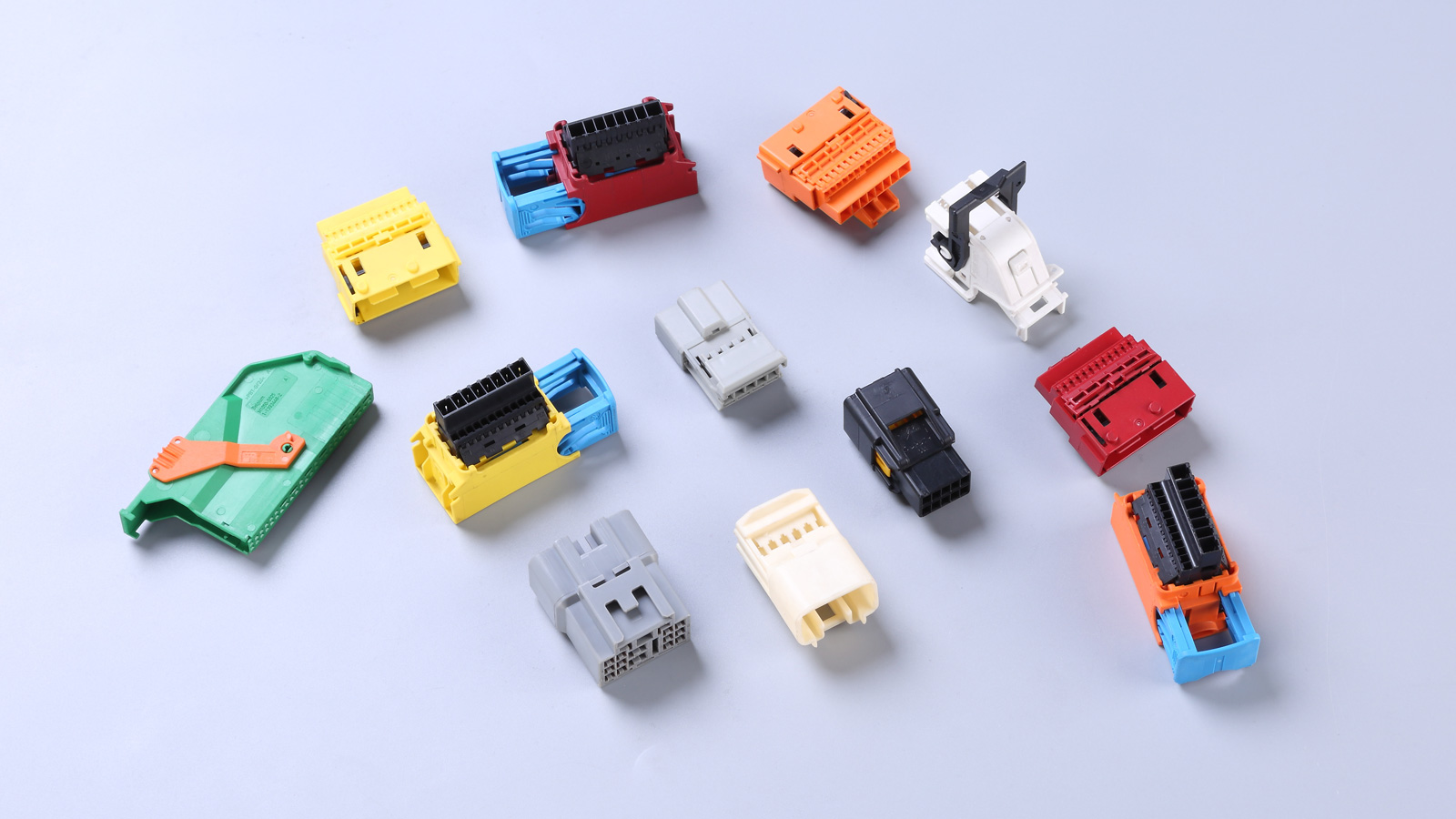
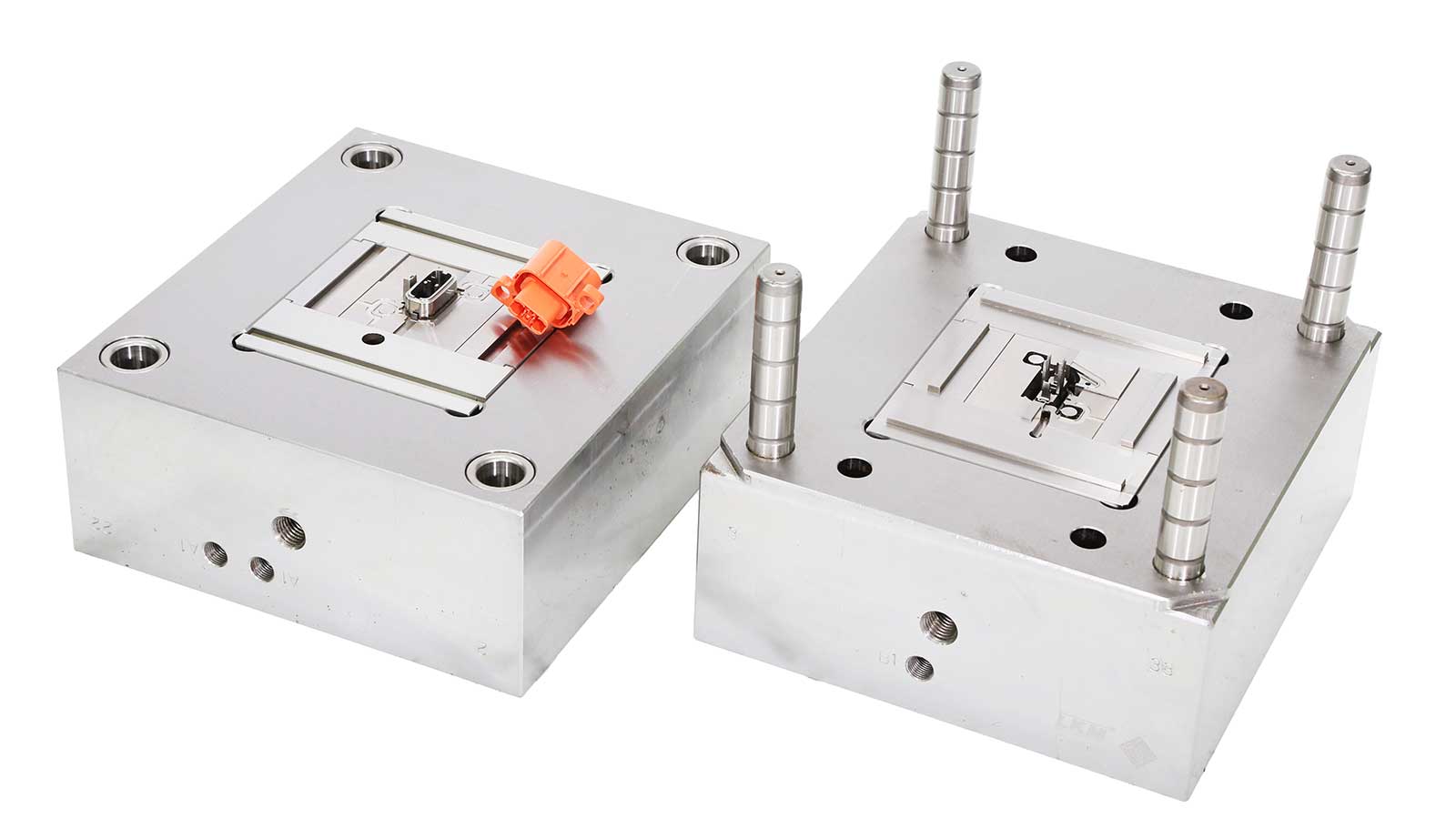
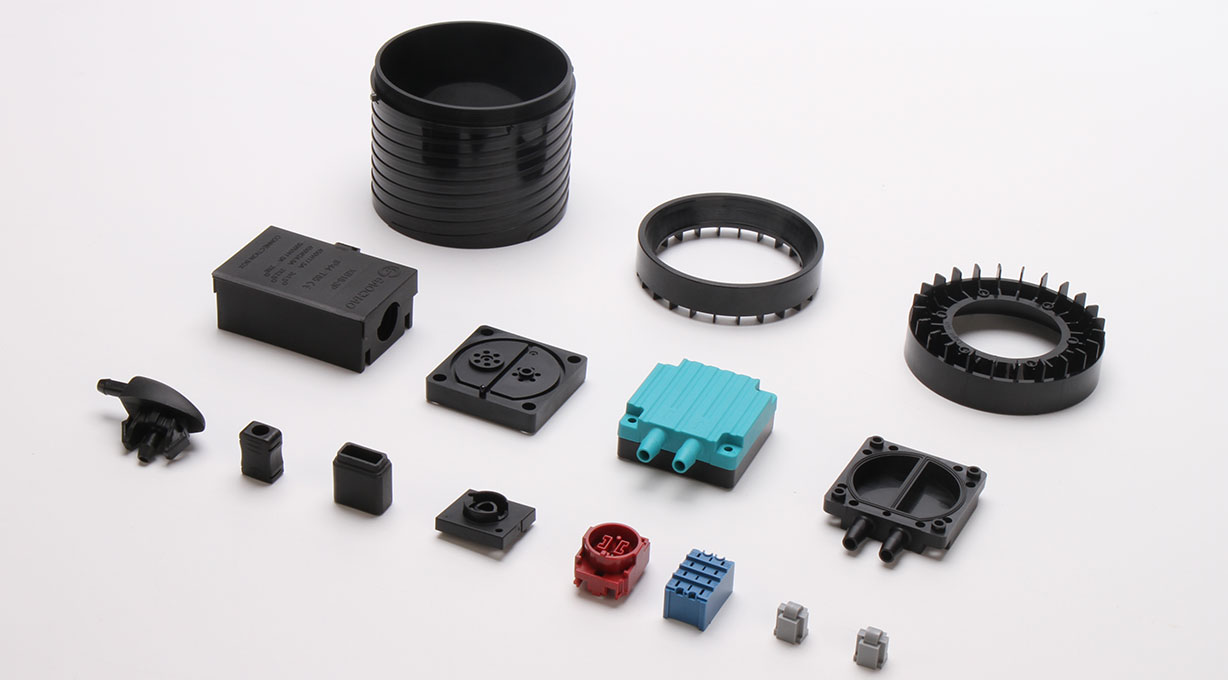
MIM combines plastic injection molding with powder metallurgy techniques. Its core involves mixing metal powder with a binder to create granules, which are then mass-produced into green parts using an injection molding machine. These green parts undergo post-processing steps such as debinding and sintering to ultimately yield high-precision metal components. This process enables near-net-shape forming of complex parts, reducing the need for subsequent machining.
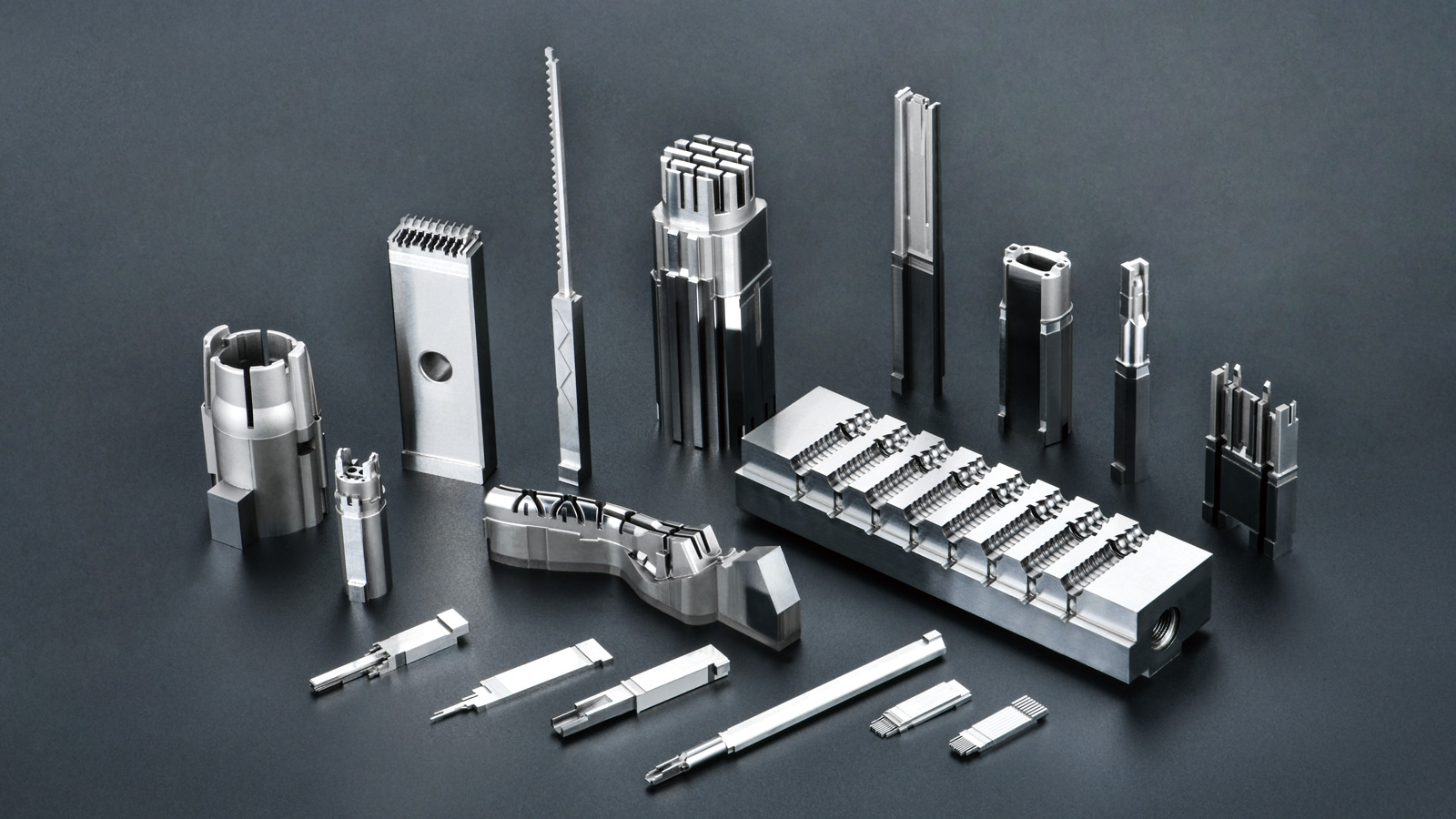
CNC machining, on the other hand, is a subtractive manufacturing technology. It utilizes computer-controlled machine tools to precisely cut, carve, or otherwise shape metal or plastic sheets to obtain the desired parts. It relies on high-precision machine tools and cutting tools to achieve micron-level machining accuracy.
Differences in Application Areas
MIM is widely used in consumer electronics, the automotive industry, and medical devices due to its ability to manufacture complex-shaped, high-precision, and cost-effective metal parts. For instance, smartwatch cases and synchronizer rings in automotive transmissions are often manufactured using the MIM process.
CNC machining, however, focuses more on the production of high-precision, high-demand components, such as engine blades in the aerospace sector and precision components in medical equipment. Its advantage lies in its ability to handle materials with high hardness and complex shapes while maintaining machining accuracy and surface quality.

Cost-Effectiveness and Production Scale
MIM offers significant cost advantages in large-scale production. Its molds have a long lifespan, and multi-cavity molds can substantially enhance production efficiency and reduce the cost per unit. However, the initial investment in mold manufacturing is relatively high, and design changes can be challenging.
CNC machining, in contrast, provides greater flexibility in small-batch production or customized manufacturing, as it does not require complex molds, and design change costs are low. However, the cost per unit for machining is higher, and production efficiency is relatively lower.
Commonalities Analysis
Both MIM and CNC machining can achieve high-precision machining and offer some flexibility in material selection. With technological advancements, they continue to improve in terms of automation, production efficiency, and quality control, collectively driving the manufacturing industry towards intelligence and high efficiency.