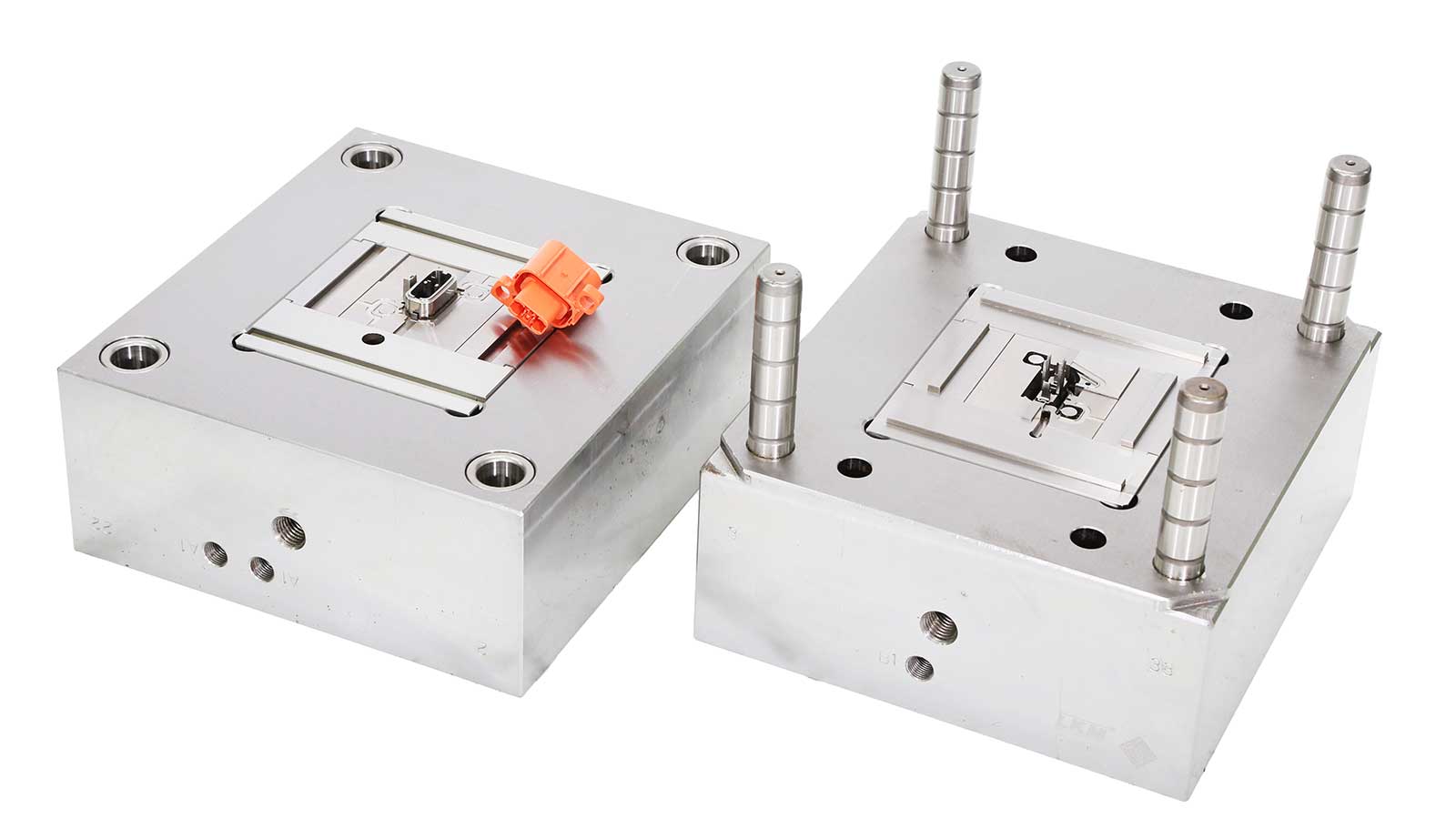
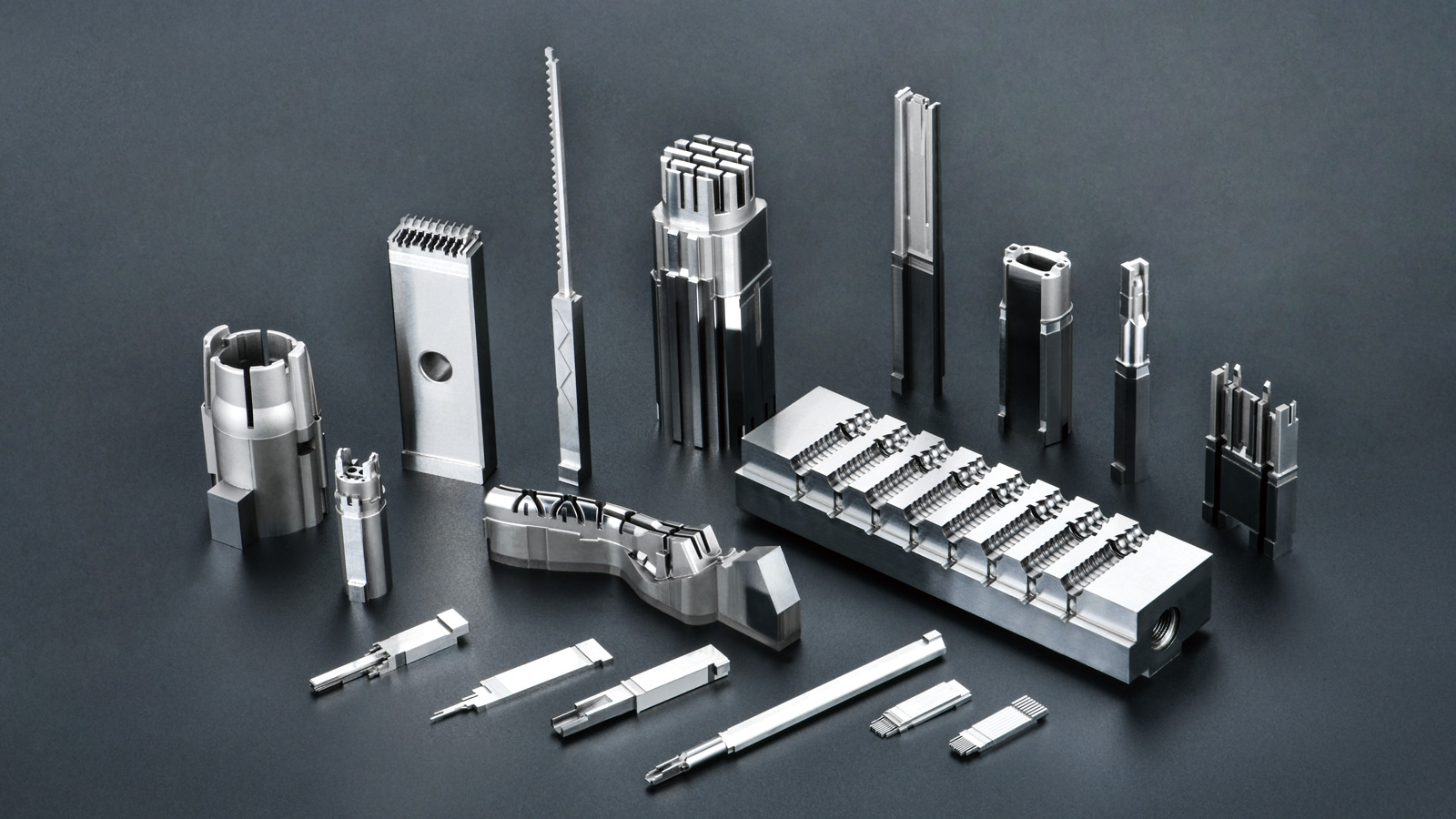
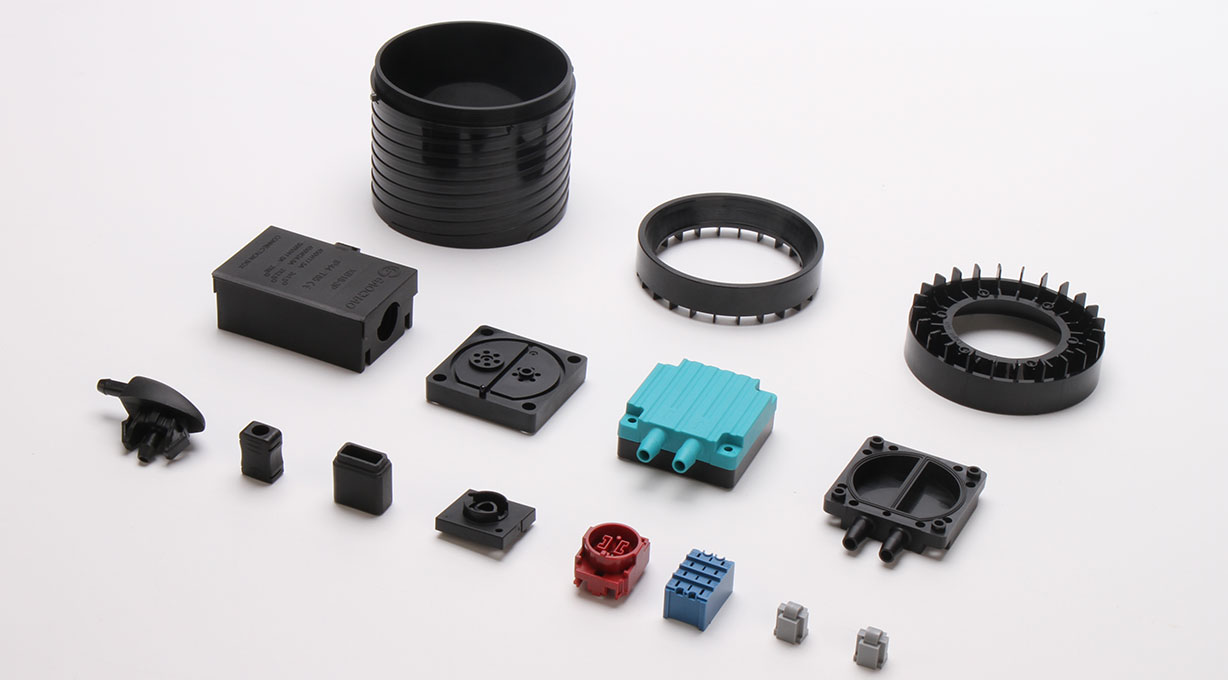



In the era of large-scale production of plastic products, the quality and efficiency of plastic injection mold processing directly impact the quality and cost of the products. Generally, plastic injection mold processing has to go through multiple key processes such as forging, cutting processing, and heat treatment. To ensure high-quality mold processing and effectively reduce processing costs, mold raw materials need to possess a series of specific process properties, covering forgeability, cutting processability, hardenability, cutting performance, grindability, and other aspects. They should also have low oxidizability, low decarburization sensitivity, and a low tendency for quenching deformation and cracking. The following is a detailed elaboration on these process properties.
I. Forgeability
High-quality plastic injection mold materials should have low hot forging deformation resistance. This means that during the forging process, the material is easier to undergo plastic deformation, thereby reducing the energy and equipment load required for forging. At the same time, the material should have good plasticity, enabling it to maintain integrity within a large deformation range and be less prone to defects such as forging cracks and cold cracks. Additionally, a wide forging temperature range provides greater flexibility for actual operations, helping to improve production efficiency and product quality.
II. Annealing Processability
Spheroidizing annealing is an important step in the heat treatment of mold processing. Ideal mold materials should have a wide spheroidizing annealing temperature range. This makes temperature control easier in actual production, ensuring the stability and consistency of spheroidizing annealing. Meanwhile, low and narrowly fluctuating quenching intensity helps reduce the internal stress in the mold during quenching, lowering the risks of deformation and cracking. High spheroidization rate can improve the cutting performance and wear resistance of the mold, extending its service life.
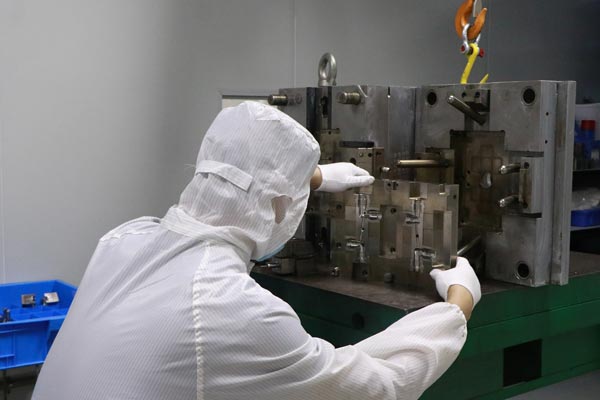
III. Cutting Processability
During the cutting process, mold materials should allow the use of large cutting parameters. This can not only improve processing efficiency and shorten the production cycle but also reduce the unit product processing cost. Low tool wear means fewer tool replacements and lower costs, enhancing the continuity of production. Moreover, low surface roughness after processing can reduce subsequent polishing and other processes, further improving production efficiency and product quality.
IV. Sensitivity to Oxidation and Decarburization
When heated at high temperatures, mold materials should have good oxidation resistance, effectively resisting oxidation and reducing the formation of oxide scale. At the same time, the decarburization rate should be slow, and the material should be insensitive to the heating medium, with a low tendency to produce black spots. Oxidation and decarburization can reduce the surface hardness and wear resistance of the mold, affecting its service life. Therefore, materials with low sensitivity to oxidation and decarburization can ensure the performance stability of the mold after heat treatment.
V. Hardenability
Hardenability refers to the ability of mold materials to obtain uniform and high surface hardness after quenching. Good hardenability ensures that the entire cross-section of the mold can meet the required hardness after quenching, improving its wear resistance and fatigue resistance. This is crucial for ensuring the dimensional stability and performance consistency of the mold during long-term use.
VI. Cutting Performance
After quenching, mold materials should be able to obtain a deep hardened layer. This means that the mold can maintain high hardness and wear resistance when subjected to large loads and friction. At the same time, the ability to achieve hardening with a mild quenching medium reduces the difficulty and cost of the quenching process and the risks of deformation and cracking during quenching.
VII. Tendency for Quenching Deformation and Cracking
For basic quenching, ideal mold materials should have small volume changes, slight shape distortions and warping, and a low tendency for abnormal deformation. This helps ensure the dimensional accuracy and shape stability of the mold after quenching, reducing subsequent correction processes. In addition, low sensitivity to quenching cracking and insensitivity to quenching temperature and workpiece shape improve the reliability and stability of the quenching process and reduce the scrap rate.
VIII. Grindability
During the grinding process, the relative wear of the grinding wheel should be small, which helps reduce grinding costs and improve grinding efficiency. At the same time, the absence of burns ensures the surface quality of the mold and avoids a decrease in surface hardness and wear resistance caused by burns. A large极限 (limit) grinding parameter can improve the efficiency of the grinding process and shorten the production cycle. Moreover, low sensitivity to grinding wheel quality and cooling conditions means that the requirements for grinding equipment and process conditions are relatively low in actual production, making it easier to achieve stable grinding quality and less prone to defects such as grinding burns and grinding cracks.
In conclusion, plastic injection mold processing places strict requirements on the process properties of raw materials. Only by selecting materials with the above excellent process properties and reasonably controlling processing parameters can high-quality and high-performance plastic injection molds be produced to meet the needs of plastic product production and enhance the market competitiveness of enterprises.