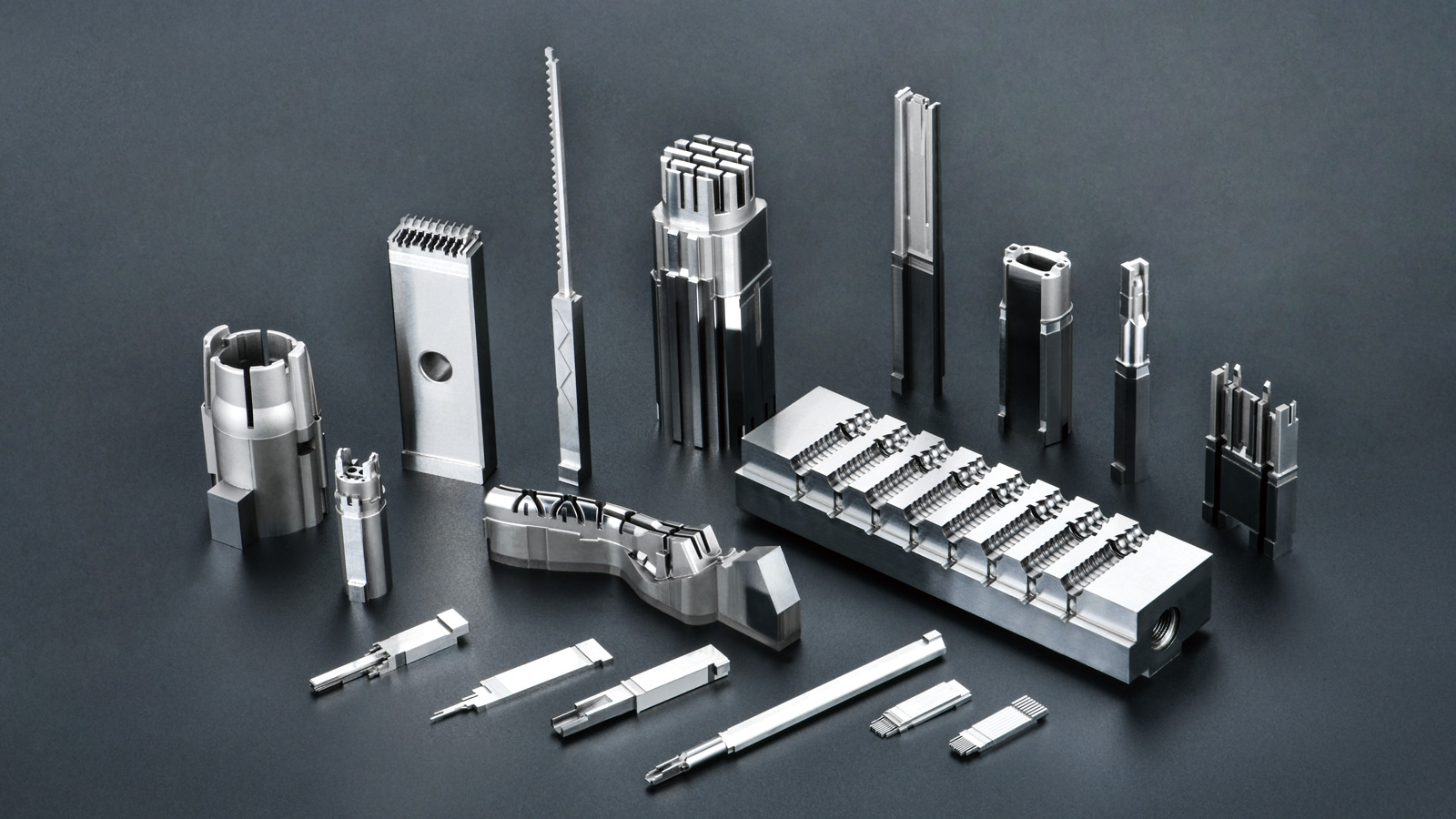
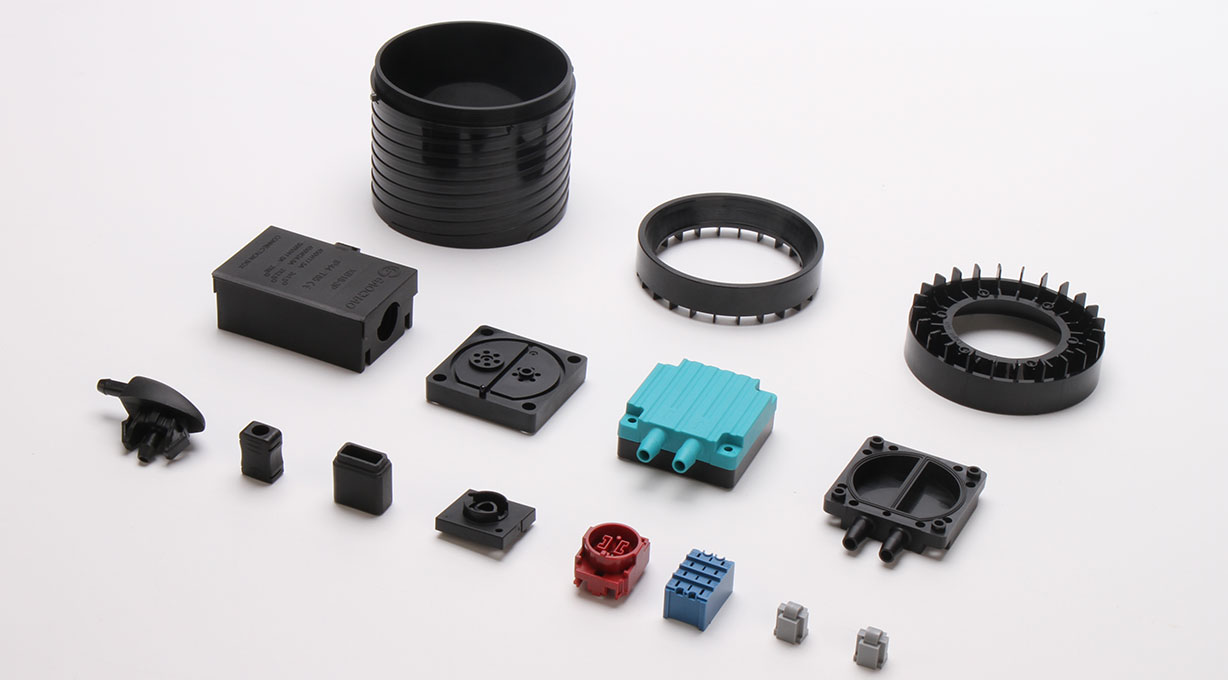




In the field of plastic injection mold processing and manufacturing, advanced processing machinery and equipment are the core elements to ensure mold quality and production efficiency. A set of high-quality plastic injection molds involves multiple key processing techniques, including CNC milling, slow-wire electrical discharge machining (EDM), spark machine EDM, grinding, turning, precise measurement, and automation technology application. This article will delve into the advanced technical equipment and innovative techniques employed in these processing methods, exploring the outstanding processing technologies mastered by plastic injection mold processing factories.
CNC Milling: The Core Driving Force for the Rapid Development of Mold Processing
CNC milling plays a pivotal role in the rapid development of plastic injection mold processing and manufacturing, primarily due to the continuous innovation and transformation of CNC milling technology.
Technological Evolution
Looking back at the development trajectory of CNC milling technology, it started from traditional ordinary CNC lathes, gradually evolved to three-axis machining centers, and has now widely adopted five-axis high-speed milling technology, marking a qualitative leap in each step. Traditional ordinary CNC lathes have relatively simple functions, with limited processing accuracy and efficiency, making it difficult to meet the processing requirements of complex molds. The emergence of three-axis machining centers enabled联动 (simultaneous) processing in three coordinate axes, significantly improving processing flexibility and precision, and allowing for the processing of some relatively complex-shaped mold parts. Five-axis high-speed milling technology represents the cutting-edge level in the current CNC milling field. By adding two rotational axes to the three linear axes, it enables the tool to adjust its attitude freely in space, making it possible to process complex three-dimensional shaped parts.
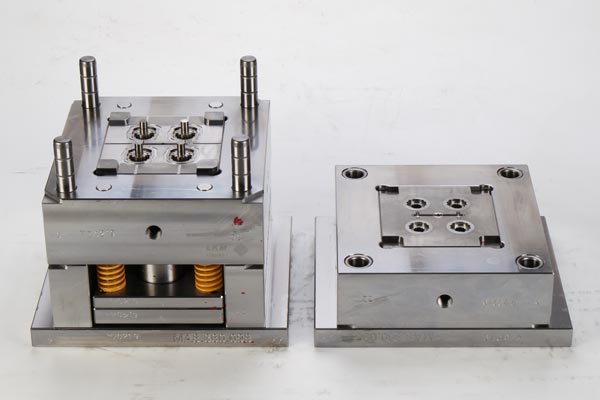
Complex Part Processing Capability
With its excellent performance, five-axis high-speed milling technology can easily tackle the processing challenges of various complex three-dimensional shaped parts. Whether it is a mold cavity with complex curved surfaces or a mold core with an odd shape, five-axis high-speed milling can complete the processing tasks with high precision and efficiency. Its unique tool attitude adjustment function allows the tool to always contact the workpiece at the optimal cutting angle, effectively reducing cutting forces, improving cutting efficiency, and minimizing tool wear, thereby extending tool life.
Material Adaptability Breakthrough
In terms of material processing, CNC milling technology has also made significant breakthroughs. In the past, material hardness was a major challenge in mold processing, as many high-hardness materials were difficult to process efficiently and precisely using traditional methods. However, with the continuous advancement of CNC milling technology, current five-axis high-speed milling equipment can easily handle the processing of various high-hardness materials, such as cemented carbide and mold steel. By optimizing cutting parameters and adopting advanced tool materials and coating technologies, efficient cutting of high-hardness materials has been achieved, providing a wider range of material options for mold manufacturing.
Application in Key Part Processing
In plastic injection molds, CNC milling is responsible for processing key cavities and shaped surfaces. The quality of cavities and shaped surfaces directly affects the molding accuracy and surface quality of plastic products, so extremely high requirements are placed on processing accuracy and surface finish. CNC milling, with its high precision and stability, can precisely control the dimensional and shape accuracy of mold cavities and cores, ensuring that the mold can accurately replicate the shape of plastic products during the injection molding process. Meanwhile, by adopting appropriate cutting processes and tools, a good surface finish can also be obtained, reducing the surface roughness of the mold, minimizing surface defects on plastic products, and improving product quality.
In conclusion, CNC milling technology, with its continuously innovative technological advantages, has become the core processing technique in plastic injection mold processing, providing strong support for the high-quality development of the mold manufacturing industry.