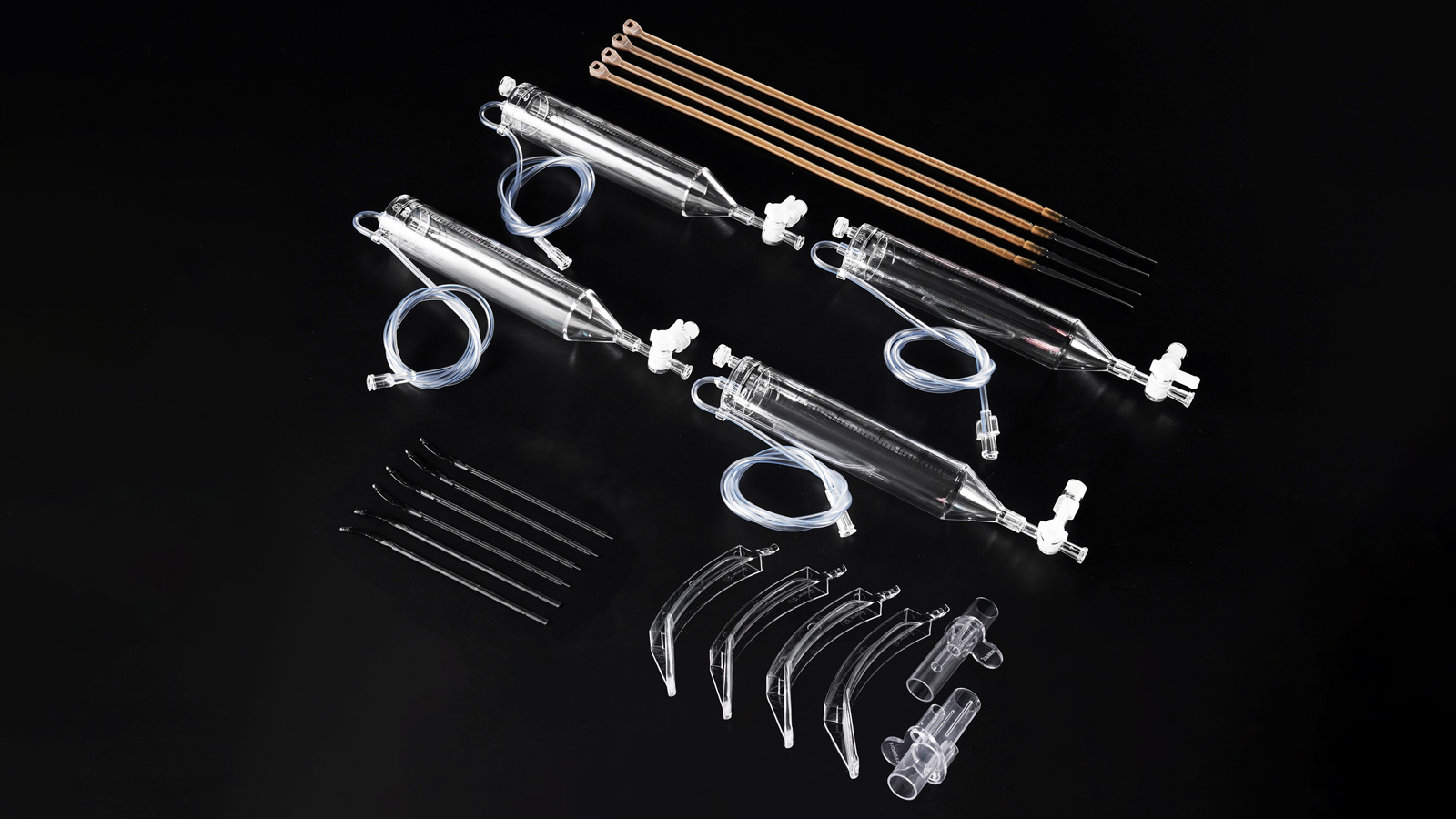
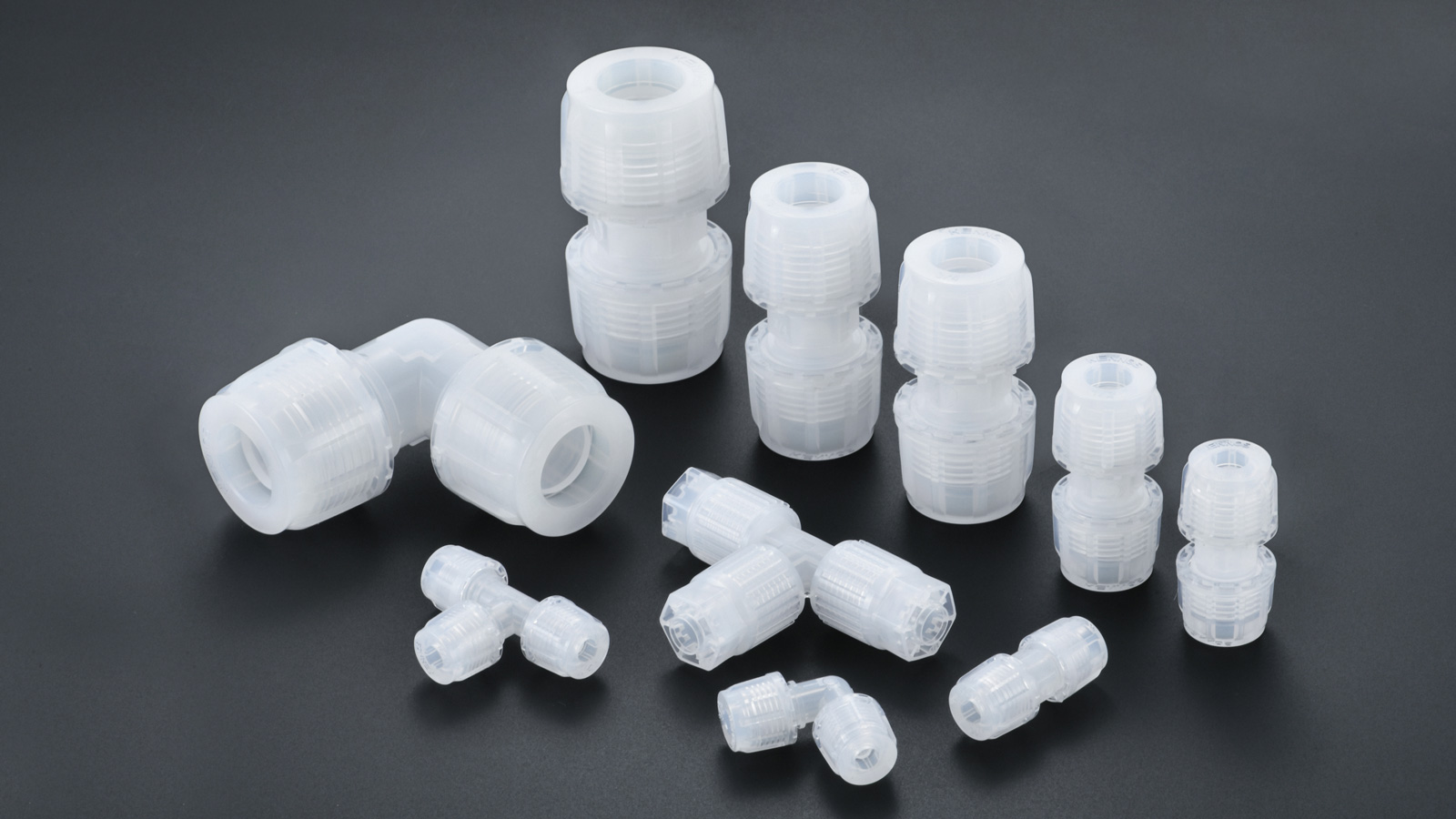
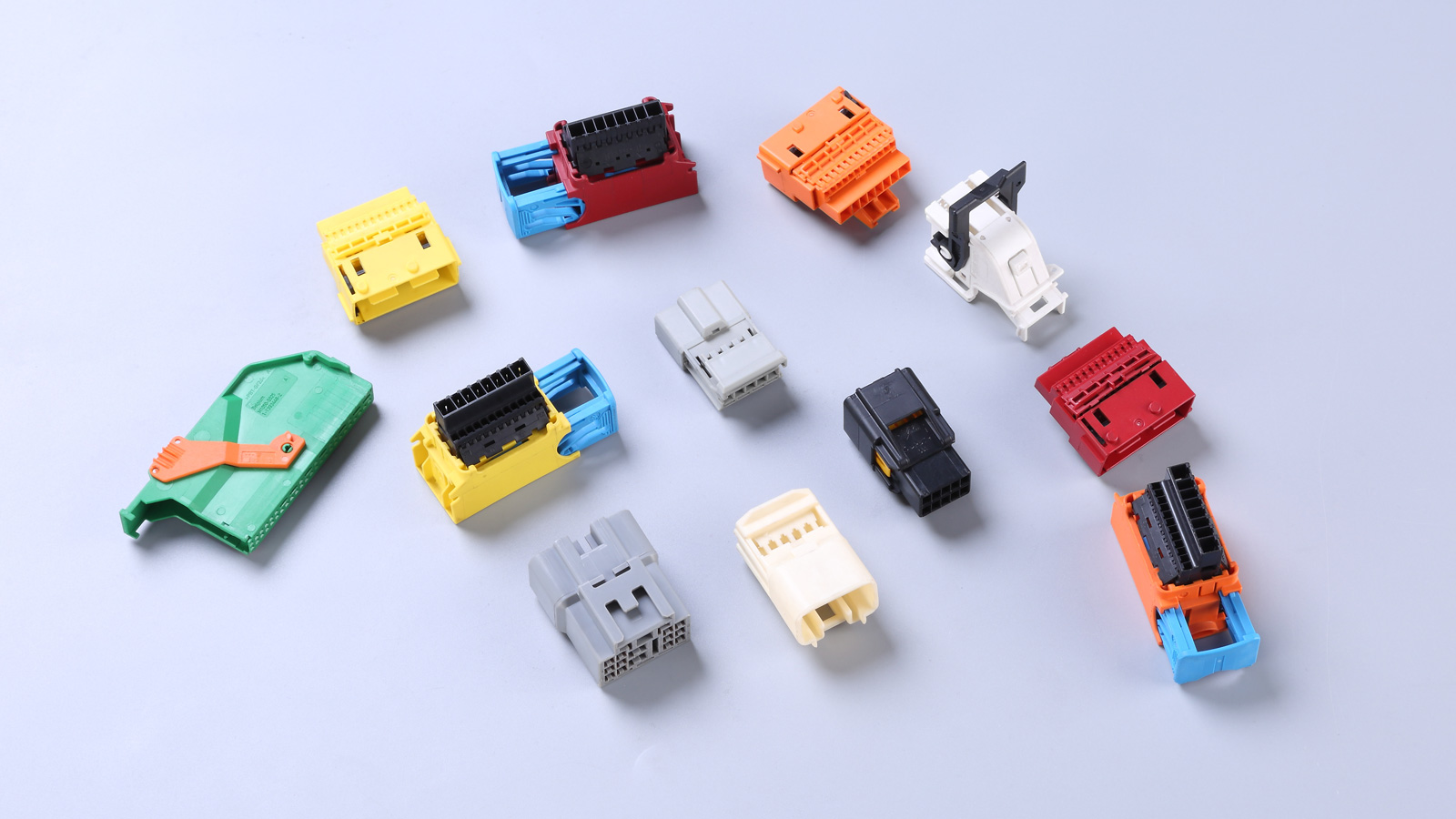
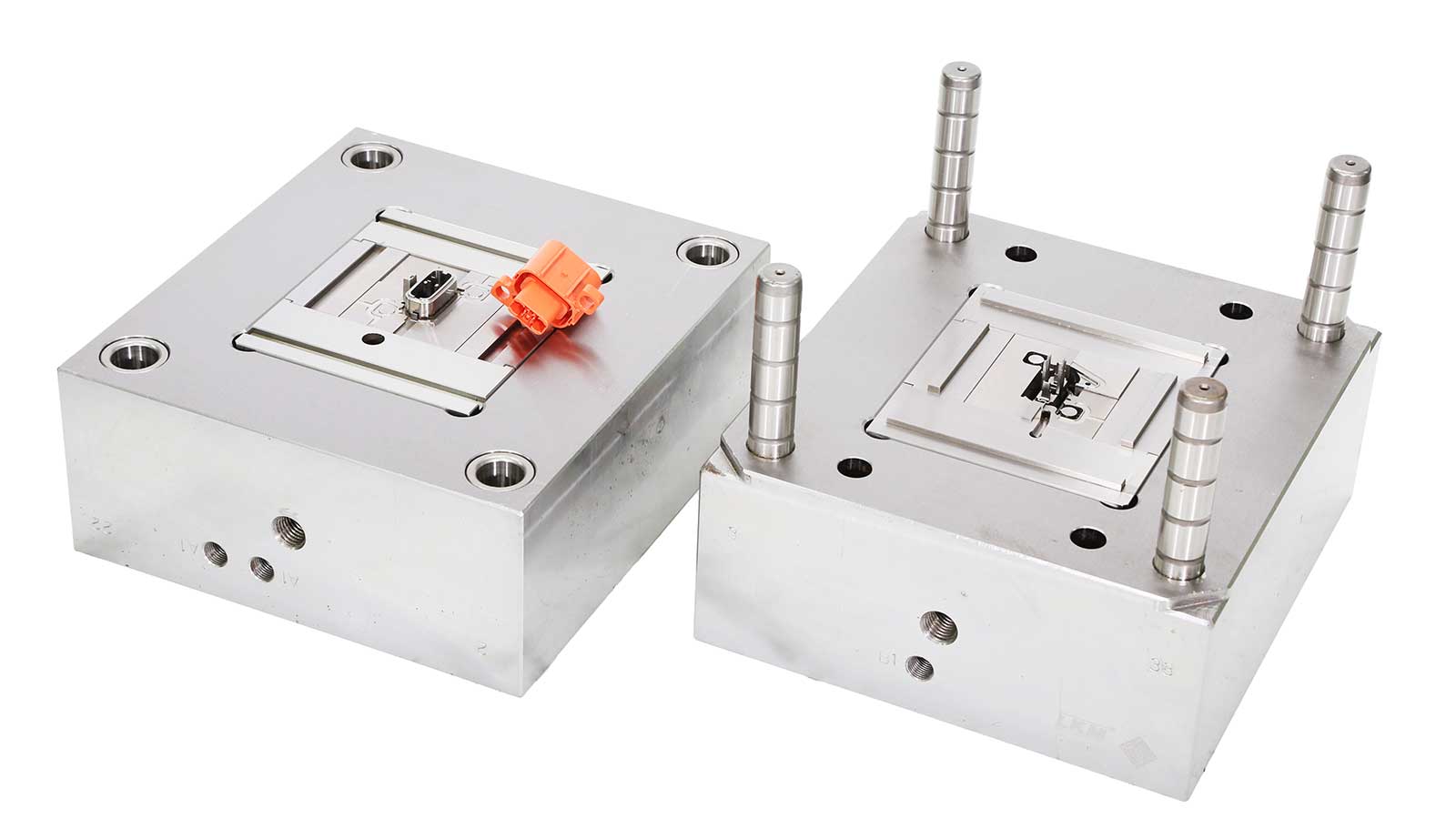
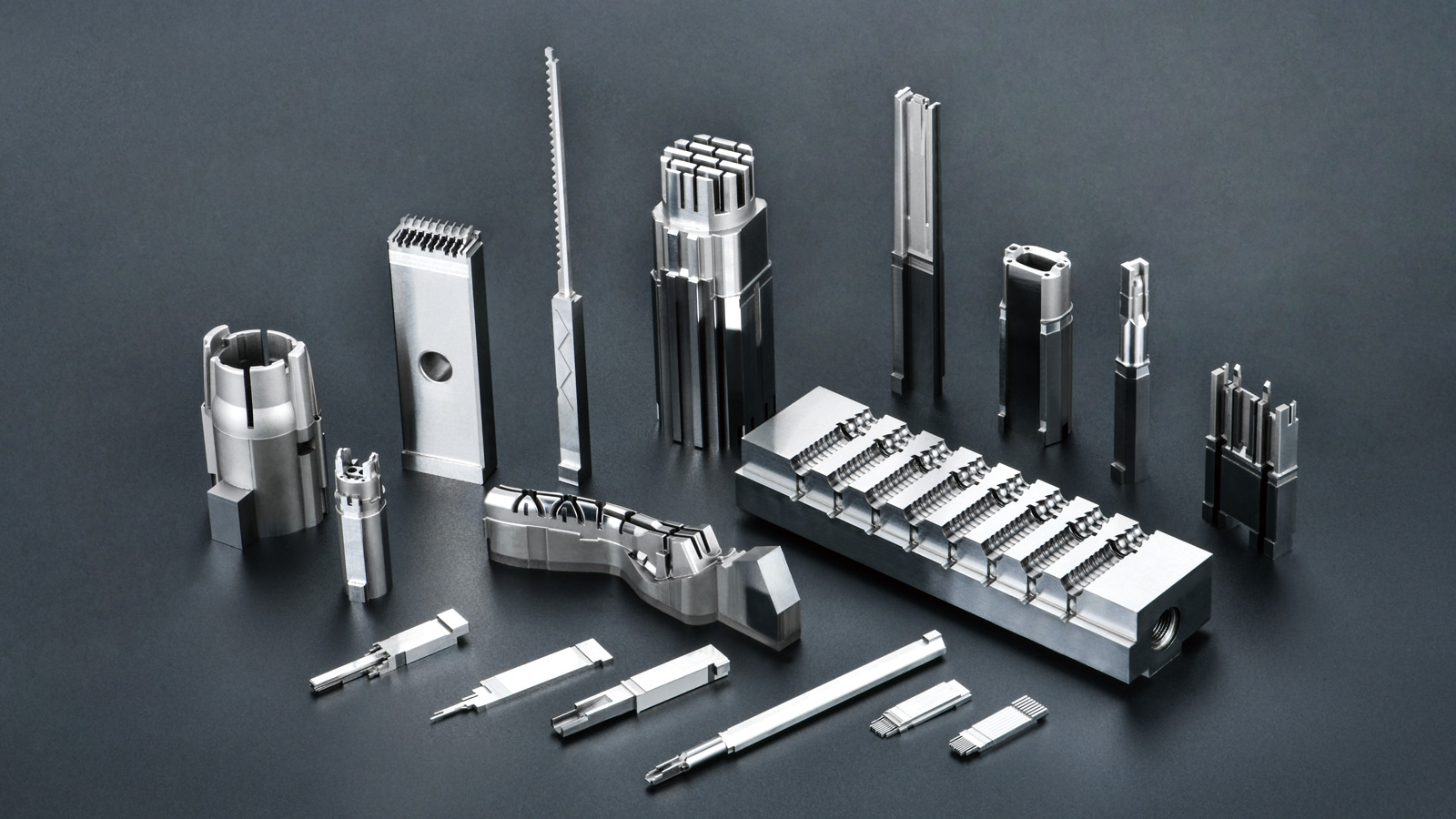
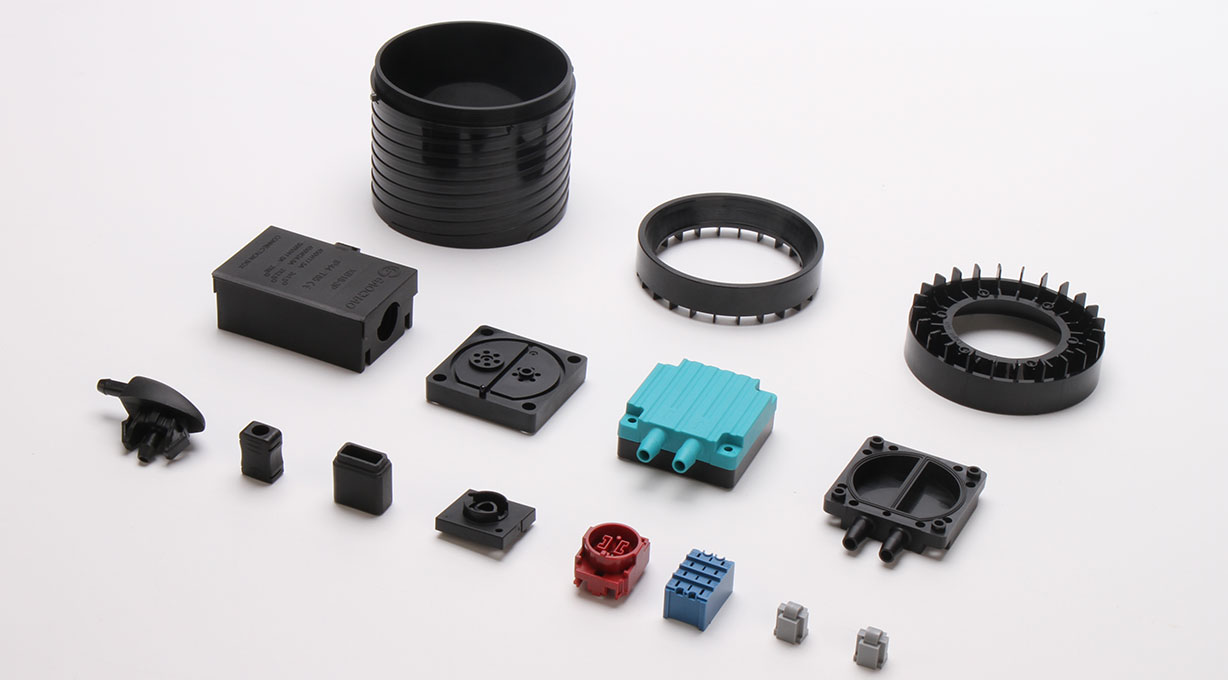




In the field of plastic product manufacturing, there is a well-known saying: “The quality of plastic products depends on plastic molds.” With the accelerated pace of industrialization, the application of plastic molds has become ubiquitous, permeating almost every industry and aspect of life. In the production process of plastic products, the quality of plastic molds serves as the cornerstone, directly determining the quality of the final finished products. Moreover, the customization of plastic molds usually comes with high costs, and their quality is crucial for the smooth progress of subsequent mass production. Therefore, it has become an inevitable requirement for the industry to impose higher technical standards on plastic mold materials to ensure their excellent quality. So, what specific inspection indicators do plastic molds need to meet?
The inspection items for plastic molds are diverse, covering dimensions, appearance design, weight, chemical composition analysis, hardness, non-metallic inclusions, ultrasonic testing, process performance, grain size, and special chemical compositions, among other key indicators. However, different types of plastic molds have certain differences in actual inspection indicators. Take “chemical composition analysis” as an example. The chemical composition inspection of non-carbon steel mainly focuses on elements such as carbon, silicon, manganese, phosphorus, sulfur, chromium, nickel, and copper. Pre-hardened round steel requires the inspection of elements like carbon, silicon, manganese, phosphorus, sulfur, chromium, molybdenum, nickel, vanadium, copper, and hydrogen. Corrosion-resistant steel mainly inspects the contents of carbon, silicon, copper, chromium, molybdenum, nickel, and vanadium. Through such detailed and precise chemical composition inspections, it can be ensured that the materials of plastic molds meet specific requirements, laying a solid foundation for subsequent processing and use.
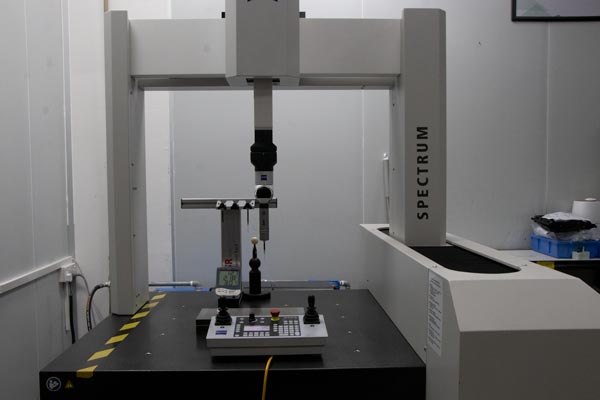
The machinability, cutting performance, and quenching performance of plastic molds are core indicators for measuring their quality. Among them, the content of impurities has a significant impact on the steel’s microstructure. Inspection items such as non-metallic inclusions and grain size act like “X-rays,” clearly reflecting the machinability of plastic molds. If there are excessive non-metallic inclusions or uneven grain size in the mold, problems such as cracks and deformation are likely to occur during processing, seriously affecting the mold’s quality and service life.
Ultrasonic testing is an effective means for in-depth detection of internal defects in molds. It can accurately detect internal defects such as pores and cracks in plastic molds, and these internal defects are closely related to the mold’s hardenability. A mold with internal defects is prone to cracking during quenching due to stress concentration, failing to achieve the expected hardenability and affecting the overall performance of the mold.
As for the hardenability of plastic molds, it naturally involves hardness index testing. Hardness is an important parameter for measuring the hardening degree of molds, and the carbon content has a direct relationship with hardenability. Generally, the higher the carbon content, the higher the hardness obtained by the mold after quenching, but it also increases the brittleness of the mold. Therefore, when testing the hardness index, it is necessary to comprehensively consider the carbon content and the contents of other alloying elements. Through reasonable heat treatment processes, the mold can achieve the best balance between hardness and toughness to meet the production requirements of different plastic products.
In conclusion, the quality inspection of plastic molds is a systematic and complex task that requires comprehensive control from multiple aspects and indicators. Only through strict quality inspections can plastic molds be ensured to have excellent performance, providing a solid guarantee for the high-quality production of plastic products.