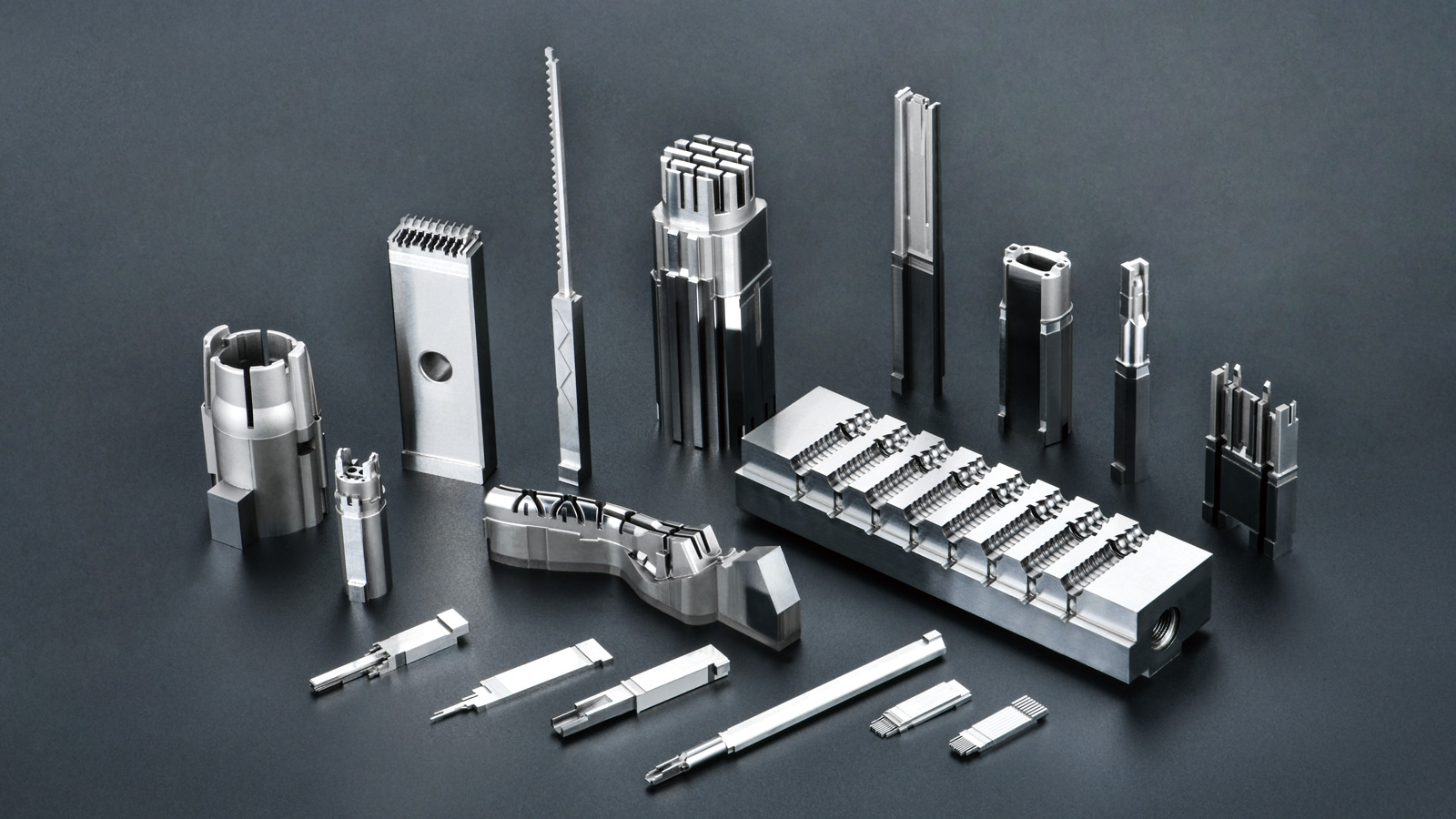




In the field of plastic injection mold transactions, especially in online trading scenarios, effectively identifying mold quality has always been a significant challenge. Due to the customized nature of molds, it’s impossible to evaluate whether they meet the requirements through sample delivery like regular products, which undoubtedly increases the difficulty of quality assessment.
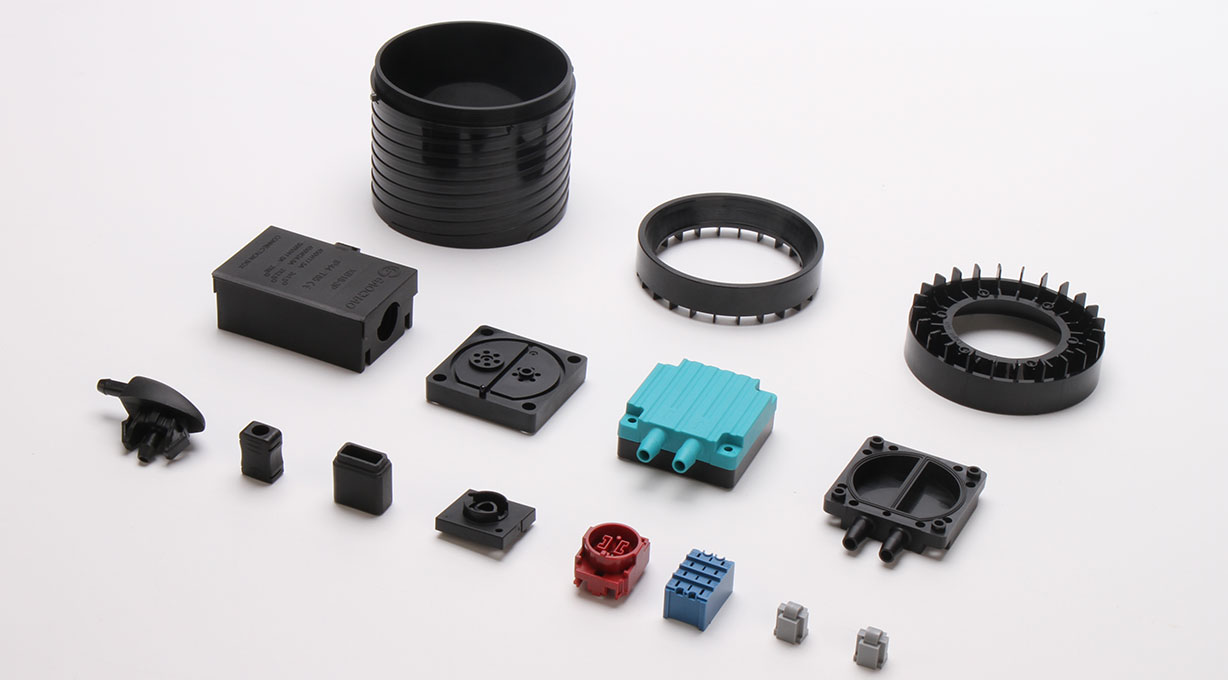
The customization process of plastic injection molds involves clients clearly defining their mold-opening needs and then providing samples or engineering drawings to the mold manufacturing factory. The manufacturer then proceeds with production based on these specifications. When judging the quality of plastic injection molds, it’s essential to consider not only the mold itself but also whether the products produced using it meet the standards. Typically, the evaluation of the performance of plastic injection mold products focuses on three key dimensions:
- Appearance Quality: This includes the consistency of the product’s appearance, color uniformity, and gloss level. Appearance quality directly impacts the product’s market image and consumer acceptance, serving as a visual representation of product quality.
- Dimensional and Positional Accuracy: This refers to the dimensional accuracy of the product and the positional accuracy between its components. High-precision dimensional and positional control ensures smooth assembly and operation of the product, preventing functional failures caused by dimensional deviations.
- Functional Performance: This encompasses structural mechanical properties, chemical properties, and electrical properties related to the product’s primary applications. These performance indicators determine whether the product can operate stably and reliably under specific conditions, representing the core value of the product.
If any issues arise in the above aspects, defects may occur in plastic injection mold products and potentially escalate during the production process, seriously affecting product quality and production efficiency.
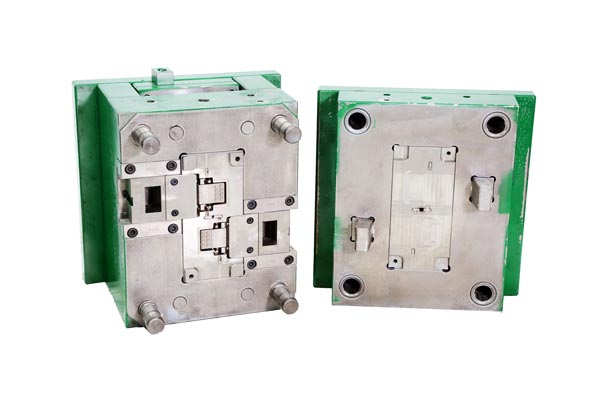
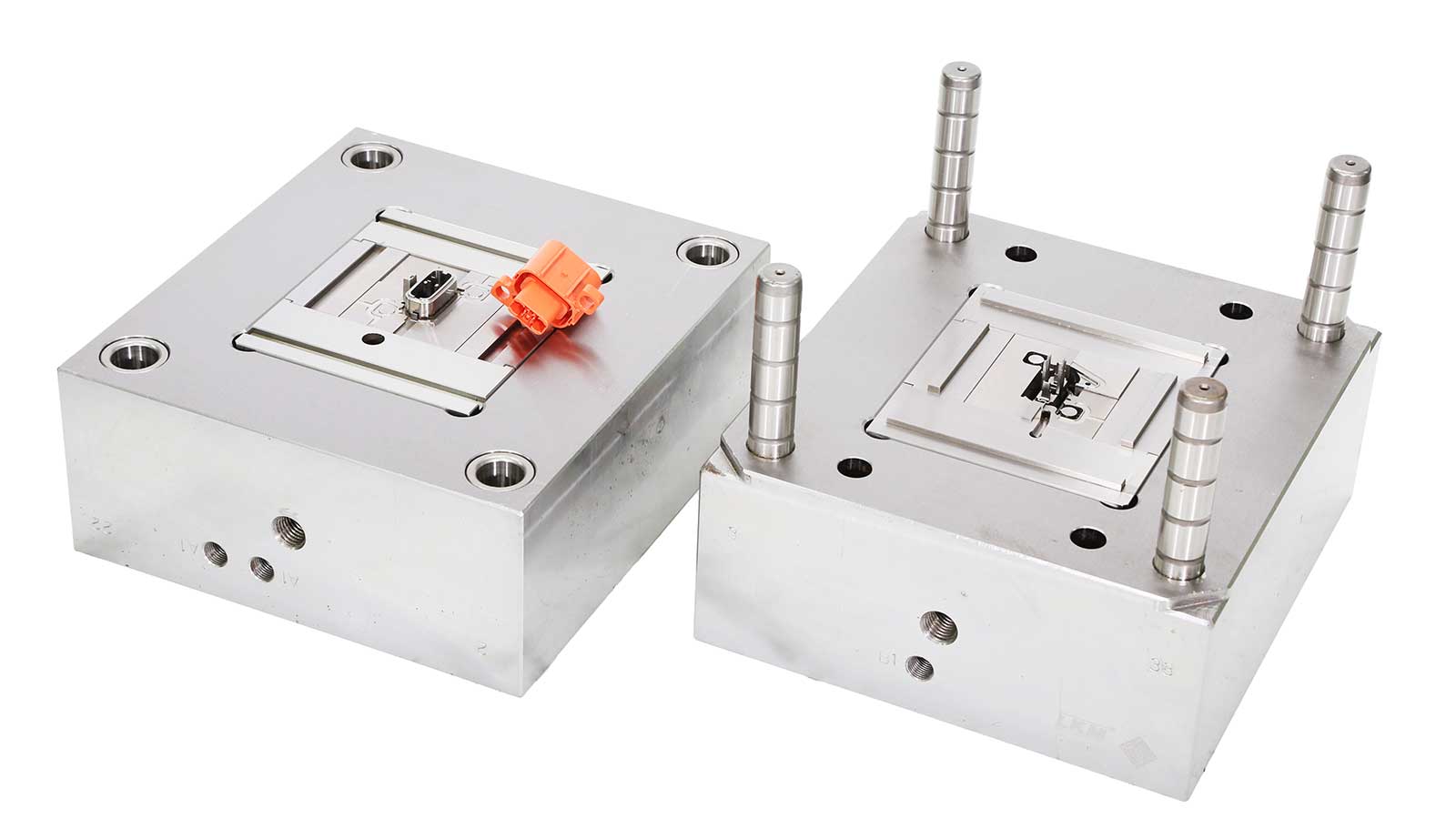
When it comes to the plastic injection mold itself, the following aspects can be used for quality identification:
- Mold Material Selection: Before placing an order for the mold, clients must clarify the mold material with the manufacturer. The selection of mold materials essentially involves choosing stainless steel plates, with the key consideration being balancing their hardness and toughness. For plastic injection molds, using stainless steel plates with higher hardness makes them less prone to wear during the machining process, significantly extending the mold’s service life. A longer service life means more products can be produced, effectively reducing production costs and improving economic efficiency for plastic part manufacturers.
- Production and Maintenance Stability: Evaluate whether plastic injection molds exhibit high stability under normal production and maintenance conditions and whether they are prone to failures requiring frequent repairs. Molds with high stability can reduce production downtime, ensure continuous operation of the production line, improve production efficiency, and lower additional costs caused by equipment failures.
- Product Appearance Defect Detection: Carefully observe whether the products produced using the mold have defects such as flash or burrs and whether the product surface is smooth and flat. Products with flash, burrs, or uneven surfaces are considered unqualified. These defects not only affect the product’s appearance quality but may also have potential impacts on its functional performance, reducing the overall product quality.
By employing these systematic and professional identification methods, clients can more accurately assess the quality of plastic injection molds in transactions, providing a solid guarantee for producing high-quality plastic products and gaining a competitive edge in the fierce market competition.