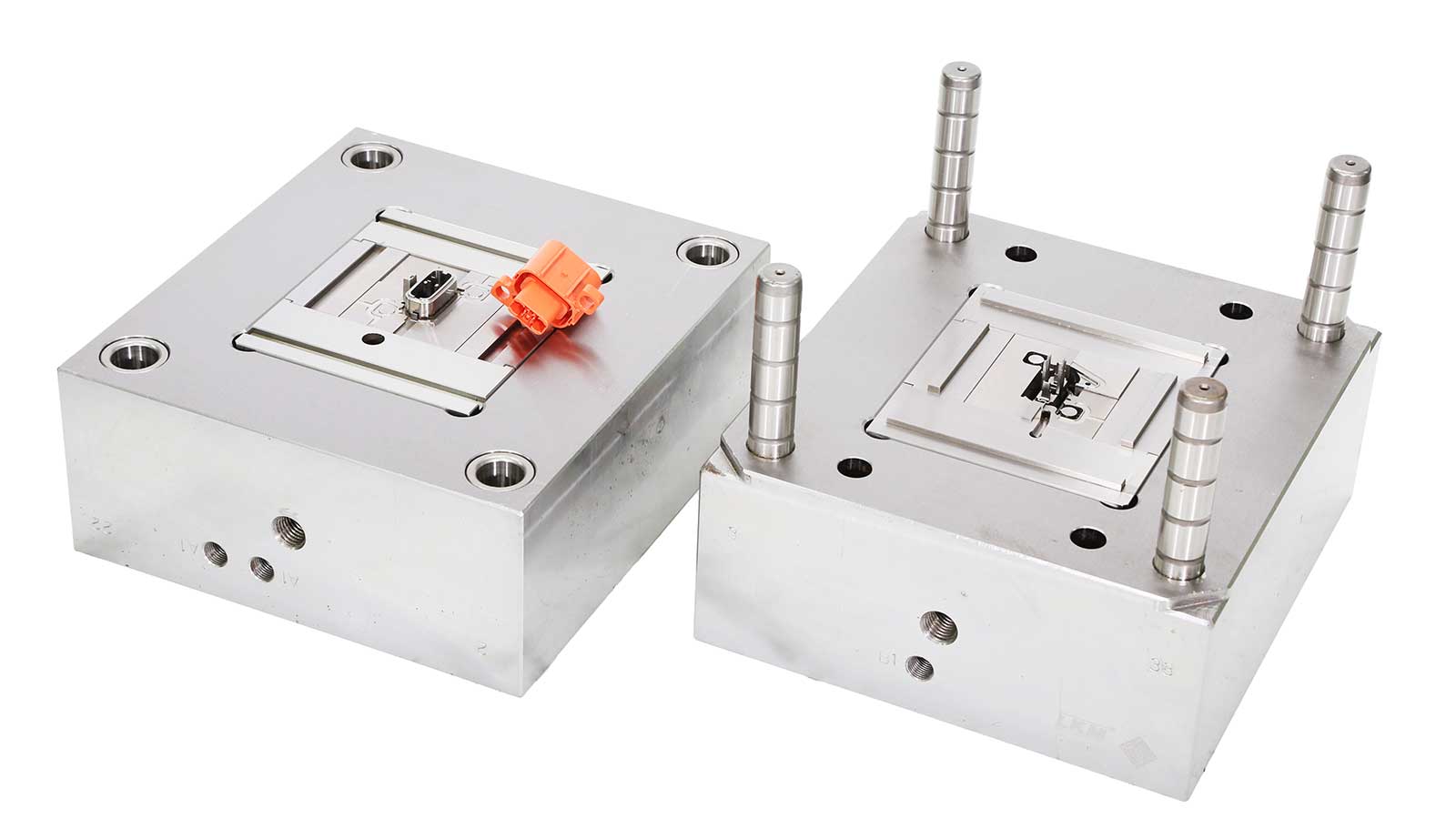
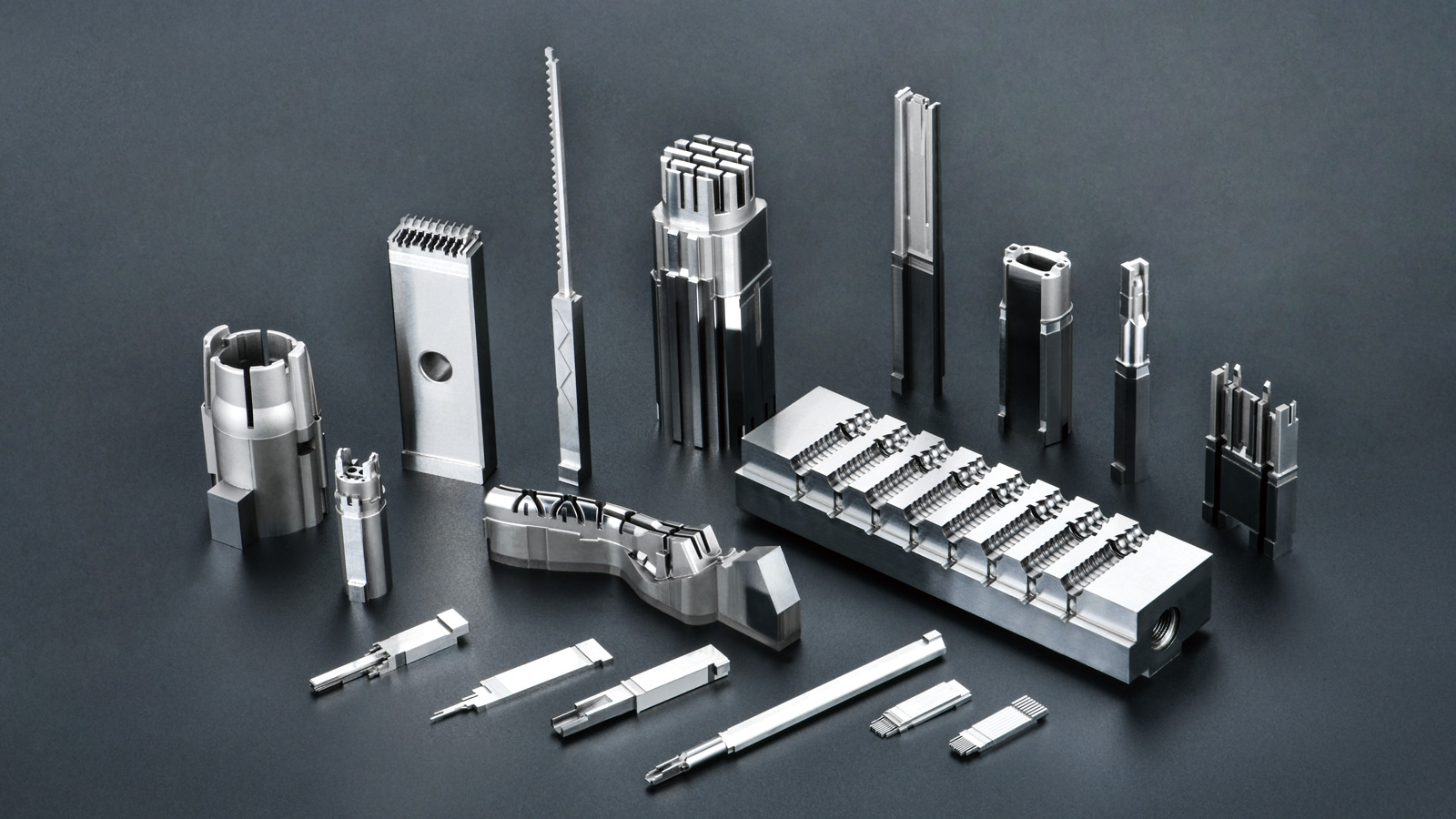
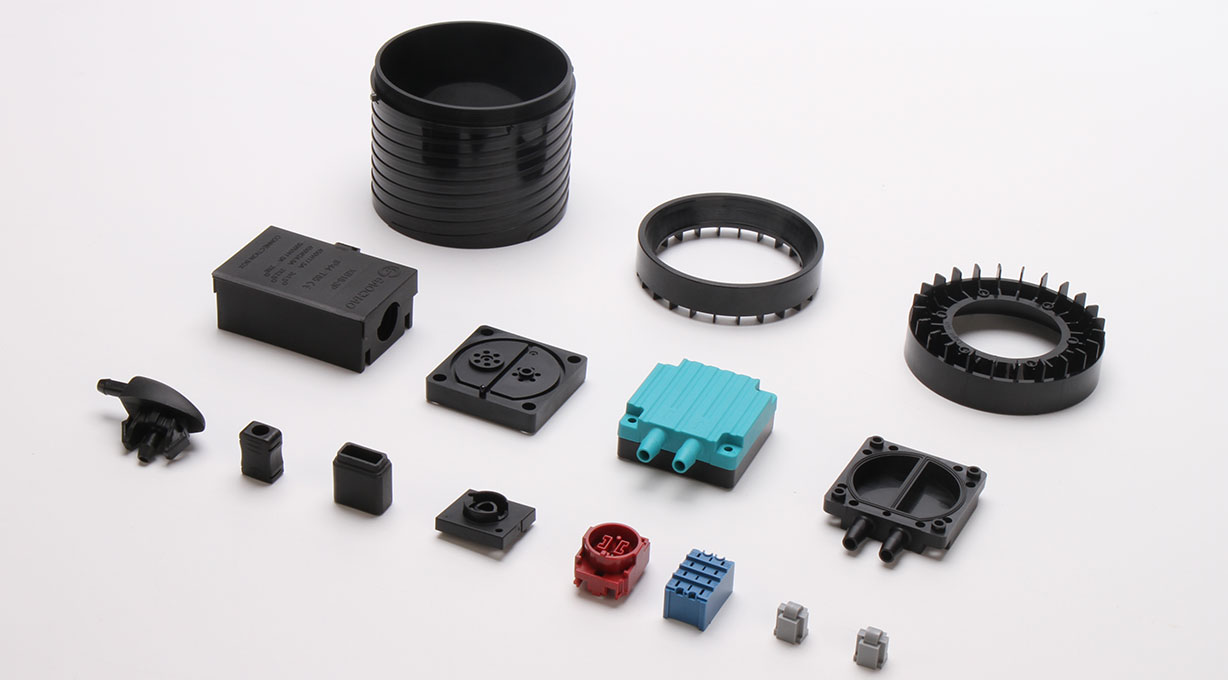




In the field of precision injection mold processing, uneven product surfaces are one of the key issues affecting product quality. Gas factors, as a common “culprit” causing this problem, have complex and diverse generation reasons. They have a non-negligible impact on the injection molding process and the final product quality. The following will elaborate in detail on the causes of gas generation and the consequences of poor gas exhaust from mold.
Causes of Gas Generation
- Trapped Air in the Mold Cavity: There is a certain amount of air in the gating system and the precision injection mold cavity itself. During the injection molding process, if this air is not discharged in a timely manner, it will become an unstable factor affecting product quality.
- Vaporization of Moisture in Raw Materials: Some raw materials, if not fully dried, contain moisture. This moisture will rapidly vaporize into water vapor under high-temperature injection conditions. These water vapor molecules, mixed in the melt, disrupt the normal molding process.
- Gas Generation from Plastic Decomposition: Excessive temperature during injection is like placing some unstable plastics in a “hellish” environment. They will undergo decomposition reactions, generating a large amount of gas. These gases “roam” freely in the cavity, damaging the product quality.
- Gas Generation from Additive Reactions: Some additives added to the plastic raw materials may volatilize or react chemically with each other under the high-temperature and high-pressure conditions of injection molding, producing gas. The generation of these gases further complicates the gas situation in the cavity.
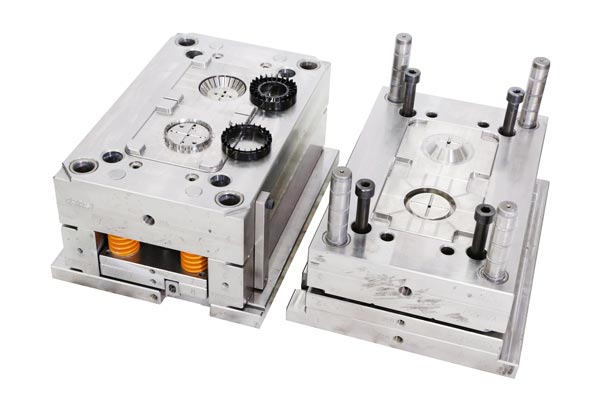
Consequences of Poor Gas Exhaust
- Filling Difficulties and Insufficient Injection Volume: During the injection process, the melt needs to replace the air in the cavity. If the air is not discharged in a timely manner, it will act as an invisible barrier, hindering the normal filling of the melt. This leads to an insufficient injection volume and an inability to fully fill the cavity, resulting in uneven product surfaces with depressions and material shortages.
- Formation of Air Pockets and Silver Streaking: The poorly discharged gas will create a high-pressure environment in the cavity. Under a certain degree of compression, it will infiltrate into the interior of the plastic like an “unstoppable invader,” forming air pockets inside the product and silver streaking on the surface. This seriously affects the appearance quality and internal structure of the product.
- Local Carbonization and Scorching: When the gas is highly compressed, it will cause a sharp increase in the temperature inside the cavity, like setting fire to the surrounding melt. This high-temperature environment will trigger the decomposition and burning of the surrounding melt, leading to local carbonization and scorching of the plastic product. This situation mainly occurs at the confluence of two melt streams and the gate flange, leaving obvious blemishes on the product surface.
- Generation of Flow Marks and Weld Lines: Due to poor gas exhaust, the melt speeds entering each cavity differ. This speed difference is like causing chaos among a group of runners, easily leading to the formation of flow marks and weld lines on the product surface. This not only affects the aesthetic appearance of the product but also reduces the mechanical properties of the plastic part, weakening its service strength.
- Reduced Production Efficiency: The obstruction of gas in the precision injection mold cavity is like setting up a “speed bump” for the mold closing process, reducing the mold closing speed and thus affecting the entire molding cycle. An extended molding cycle naturally leads to a decrease in production efficiency and an increase in production costs.
In conclusion, in precision injection mold processing, the impact of gas factors on product flatness cannot be underestimated. Only by thoroughly understanding the causes of gas generation and the consequences of poor gas exhaust can targeted measures be taken to optimize the processing technology and improve product quality and production efficiency.