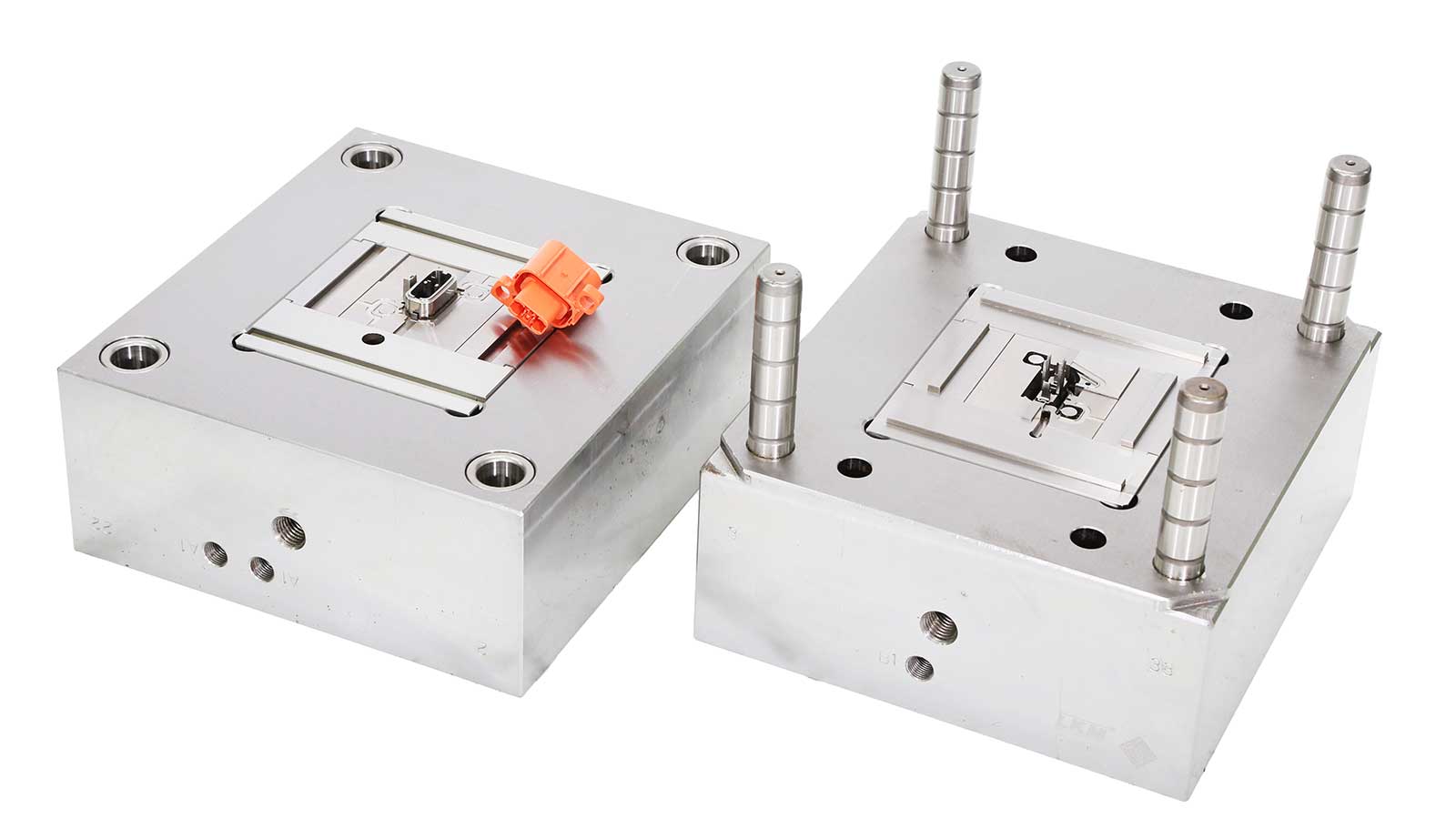
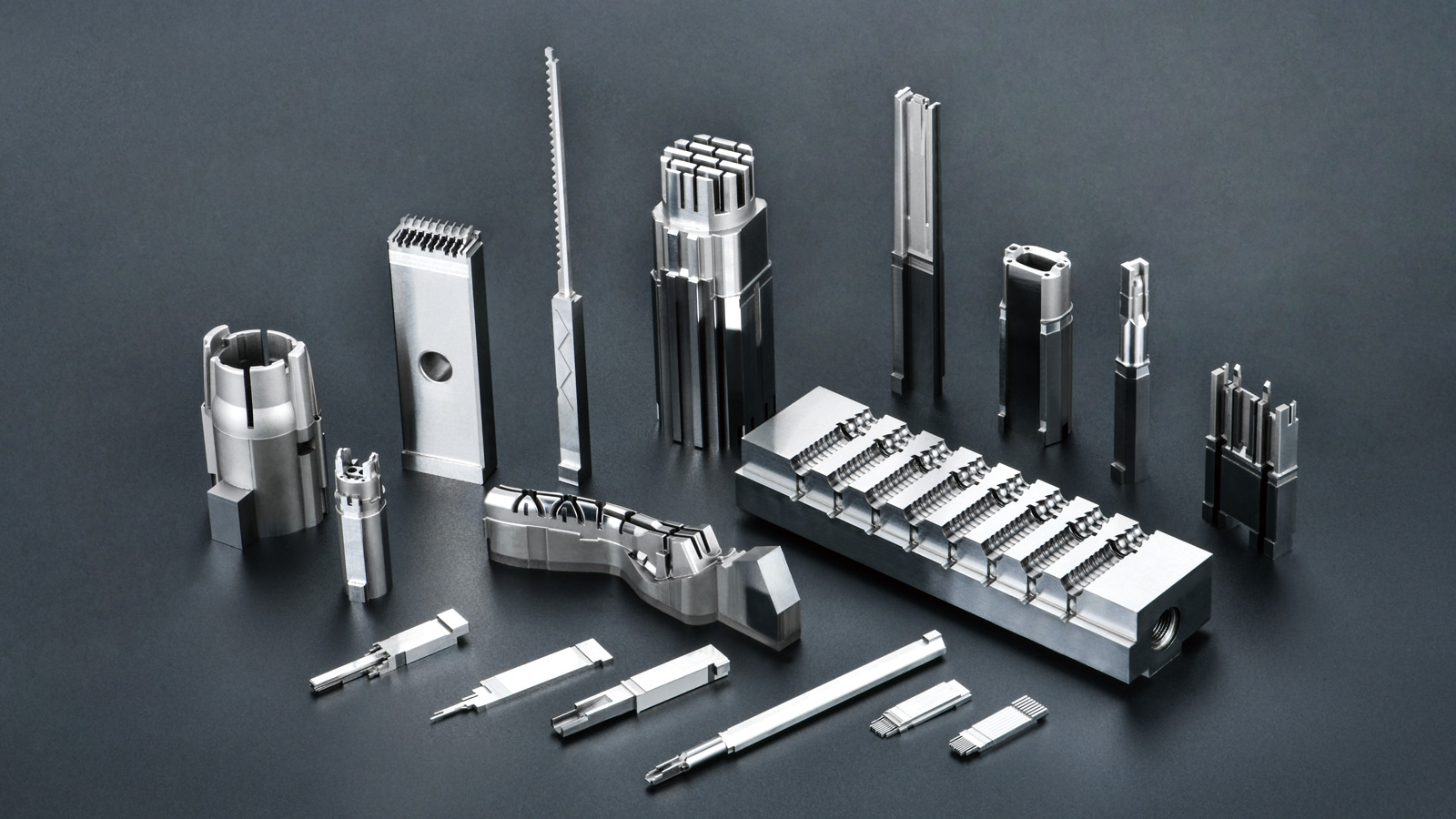
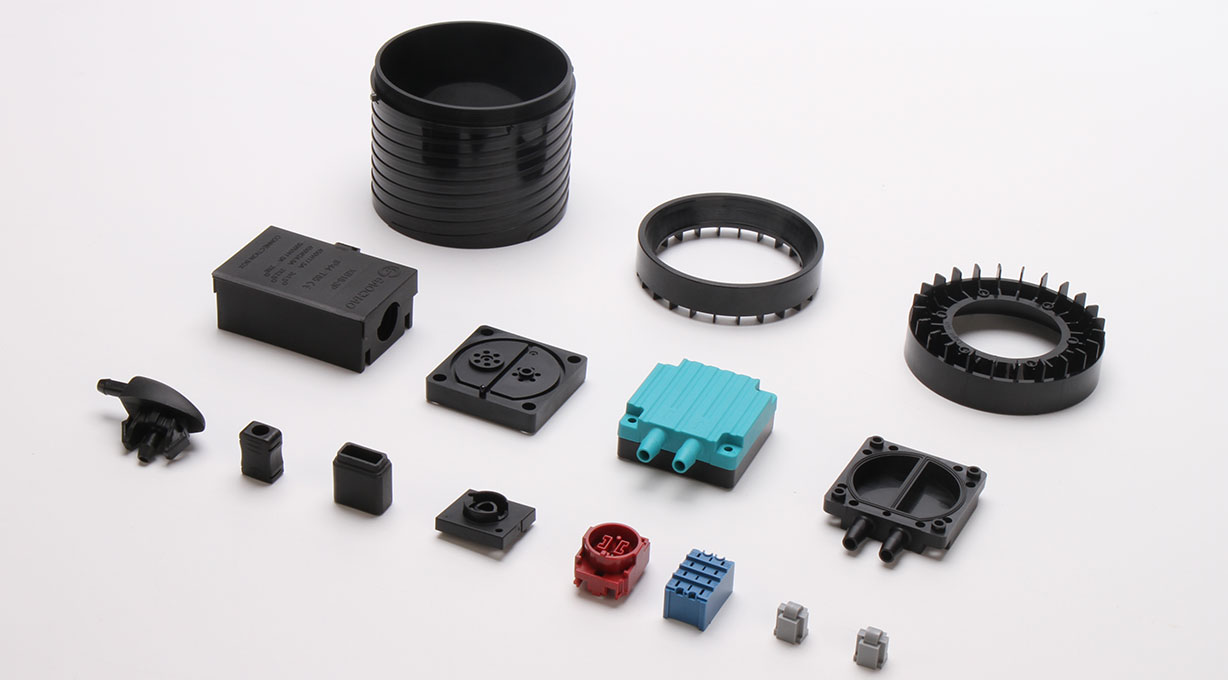



The quality of precision injection molds covers a wide range of complex aspects, and there are multiple methods to enhance their quality. Today, let’s analyze how to precisely improve the quality of precision injection mold components.
Mold Design: Laying the Foundation for Quality
Mold design is the first and crucial step in improving the quality of mold components. Scientific and reasonable design can provide a solid guarantee for subsequent manufacturing and use.
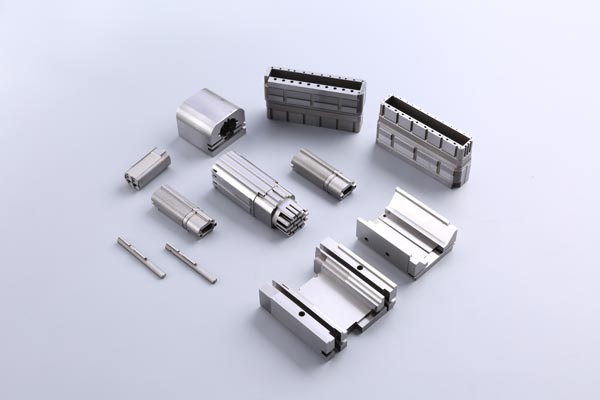
1. Scientific Material Selection: Balancing Performance and Cost
When selecting materials for precision injection mold components, multiple factors need to be considered comprehensively. It is necessary to meet customers’ stringent requirements for product quality, ensuring that the materials possess the corresponding physical and chemical properties. At the same time, cost factors should also be taken into account to achieve maximum economic benefits. Moreover, the selection should be based on the specific type of precision injection mold and the processing speed. For example, for molds with high-speed processing, materials with better wear resistance and heat resistance should be chosen to adapt to the high-intensity working environment and ensure the stable operation of the mold.
2. Optimized Structure Design: Ensuring Strength and Stability
In terms of structural design, the principle of compactness should be followed. Each component should be reasonably arranged to ensure that the mold parts have sufficient strength and stiffness to withstand the huge pressure and impact during the injection molding process. When the mold structure allows, the corners of each surface should be designed as rounded transitions as much as possible. This is because right-angled corners are prone to stress concentration. During long-term use, they may lead to cracks or even fractures in the mold. Rounded transitions can effectively disperse stress and improve the reliability and service life of the mold.
3. Convenient Disassembly and Assembly: Reducing Maintenance Costs
Considering that some wearing parts of the mold need to be replaced regularly during use, the design should minimize the scope of disassembly and assembly as much as possible. By optimizing the mold structure, the replacement operation of wearing parts can be made more convenient and quick, reducing maintenance time and labor costs. For example, adopting a modular design concept, designing the wearing parts as independent modules. When replacing, only the corresponding module needs to be disassembled, without the need for large-scale disassembly of the entire mold, greatly improving maintenance efficiency.
4. Enhanced Wear Resistance: Improving Surface Performance
Improving the surface wear resistance of precision injection mold parts is an important measure to enhance mold quality. By using surface treatment technologies such as nitriding and chrome plating, a protective layer with high hardness and good wear resistance can be formed on the surface of the parts, effectively reducing the wear of the mold during use and extending its service life. At the same time, good surface performance can also improve the demolding performance of the mold and ensure the surface quality of the products.
Manufacturing and Processing: Controlling Quality Details
The processing technology and precision during the manufacturing process of precision injection molds have a direct impact on the service life of the molds. Therefore, every processing procedure must be treated with meticulous care. The processing precision of each component will directly affect the overall assembly situation of the mold. By improving the processing technology of the parts, the quality of the mold components can be enhanced, and the technical level during the mold fitting process can be increased.
1. Strict Precision Control: Ensuring Assembly Quality
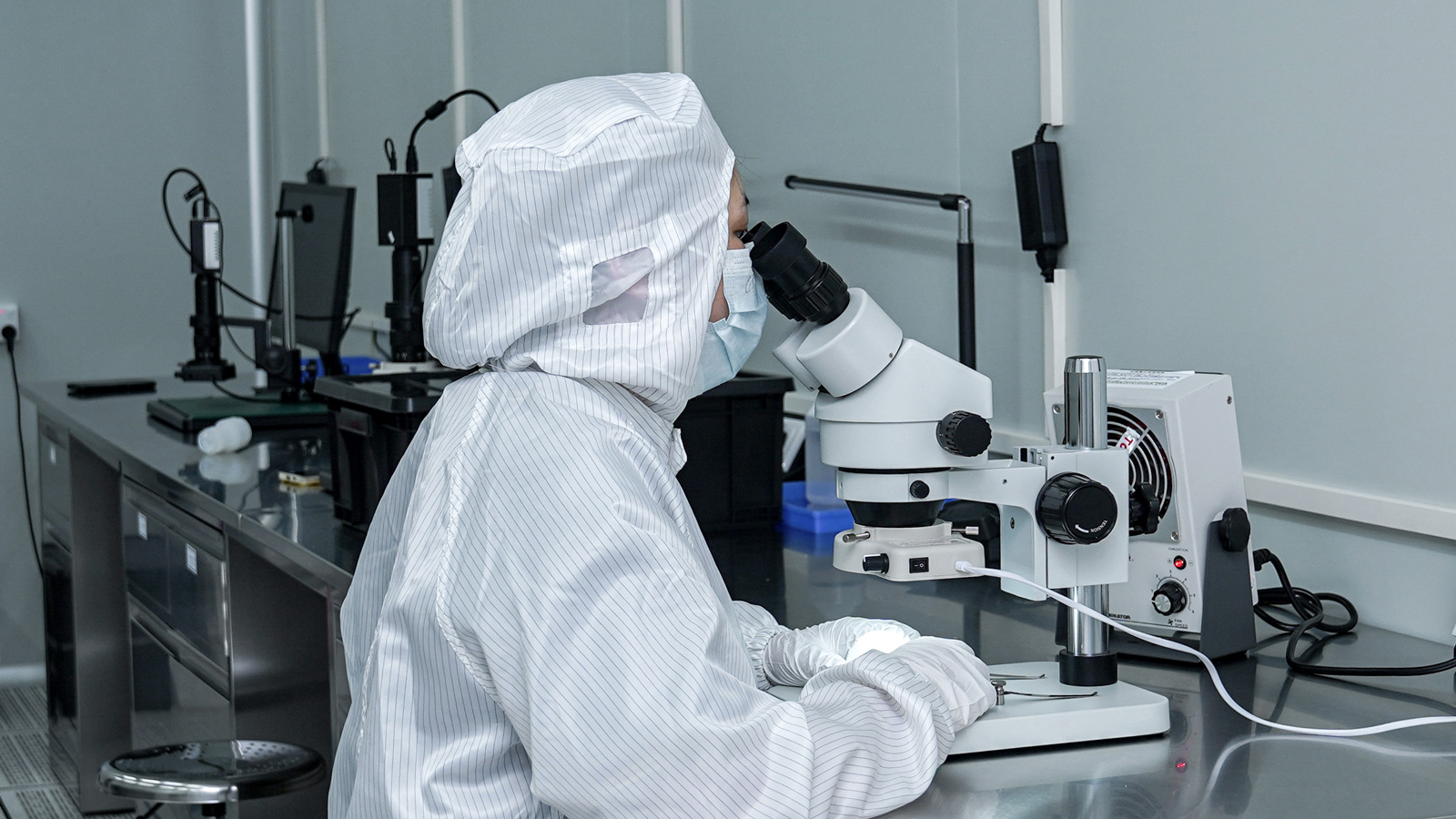
The processing precision of each component is directly related to the overall assembly situation of the mold. High-precision processing can ensure reasonable mating clearances between components, reduce assembly errors, and improve the sealing and stability of the mold. During the processing, advanced processing equipment and precise measuring tools should be used, and processing should be carried out strictly in accordance with design requirements. Strict quality inspection should also be conducted on the processed parts to ensure that their dimensional accuracy, shape accuracy, and positional accuracy meet the standards.
2. Process Optimization: Improving Technical Level
Improving the processing technology of parts is an important way to enhance the quality of mold components. By continuously exploring and optimizing processing technologies, such as adopting advanced technologies like high-speed cutting and electrical discharge machining, processing efficiency and quality can be improved. At the same time, strengthening technical management during the processing process, standardizing operation procedures, and improving the technical level of operators can ensure that every processing link reaches the best state, thereby improving the overall quality of mold components and increasing the technical level during the mold fitting process, providing a solid guarantee for the long-term stable operation of the mold.