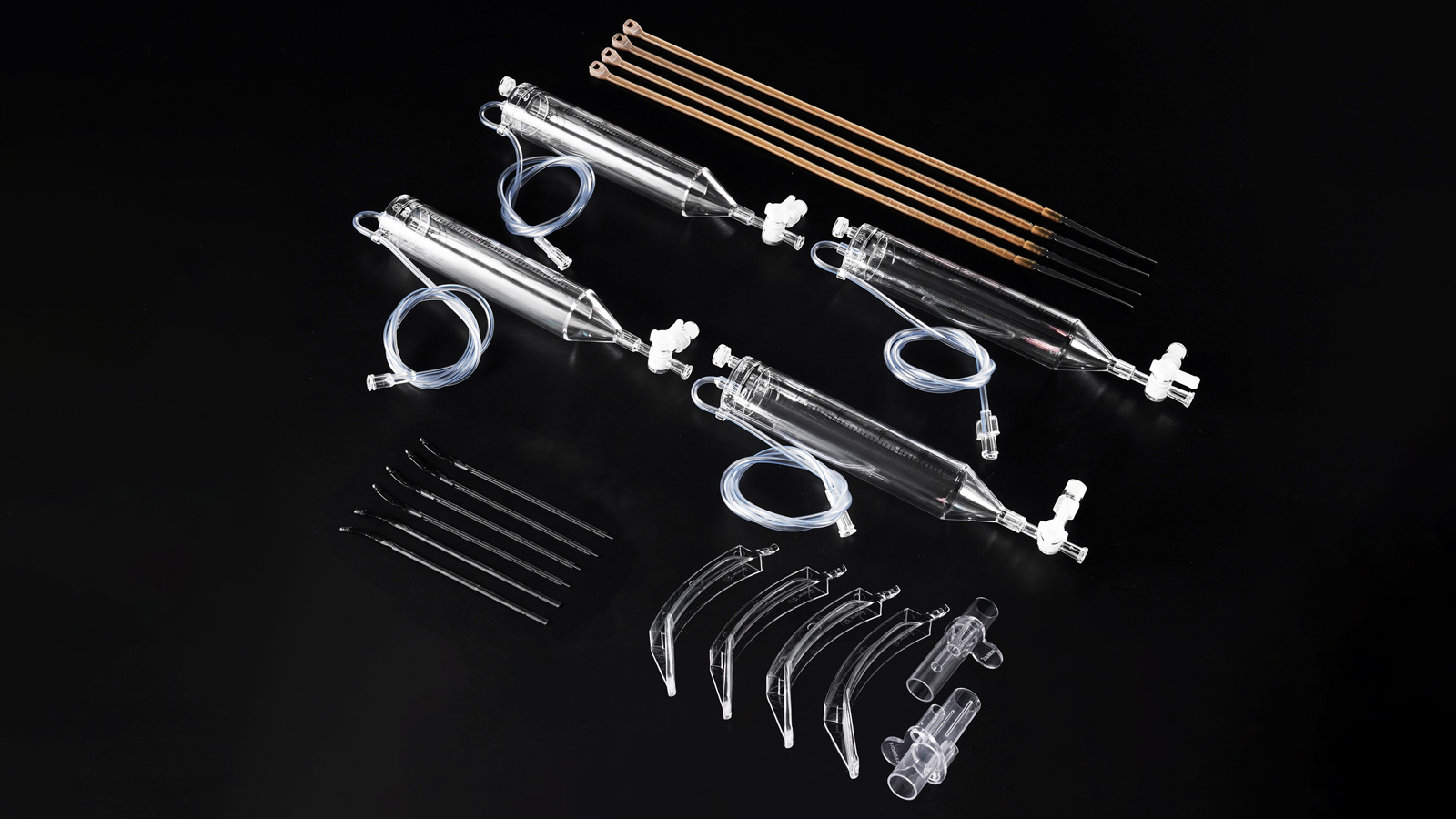
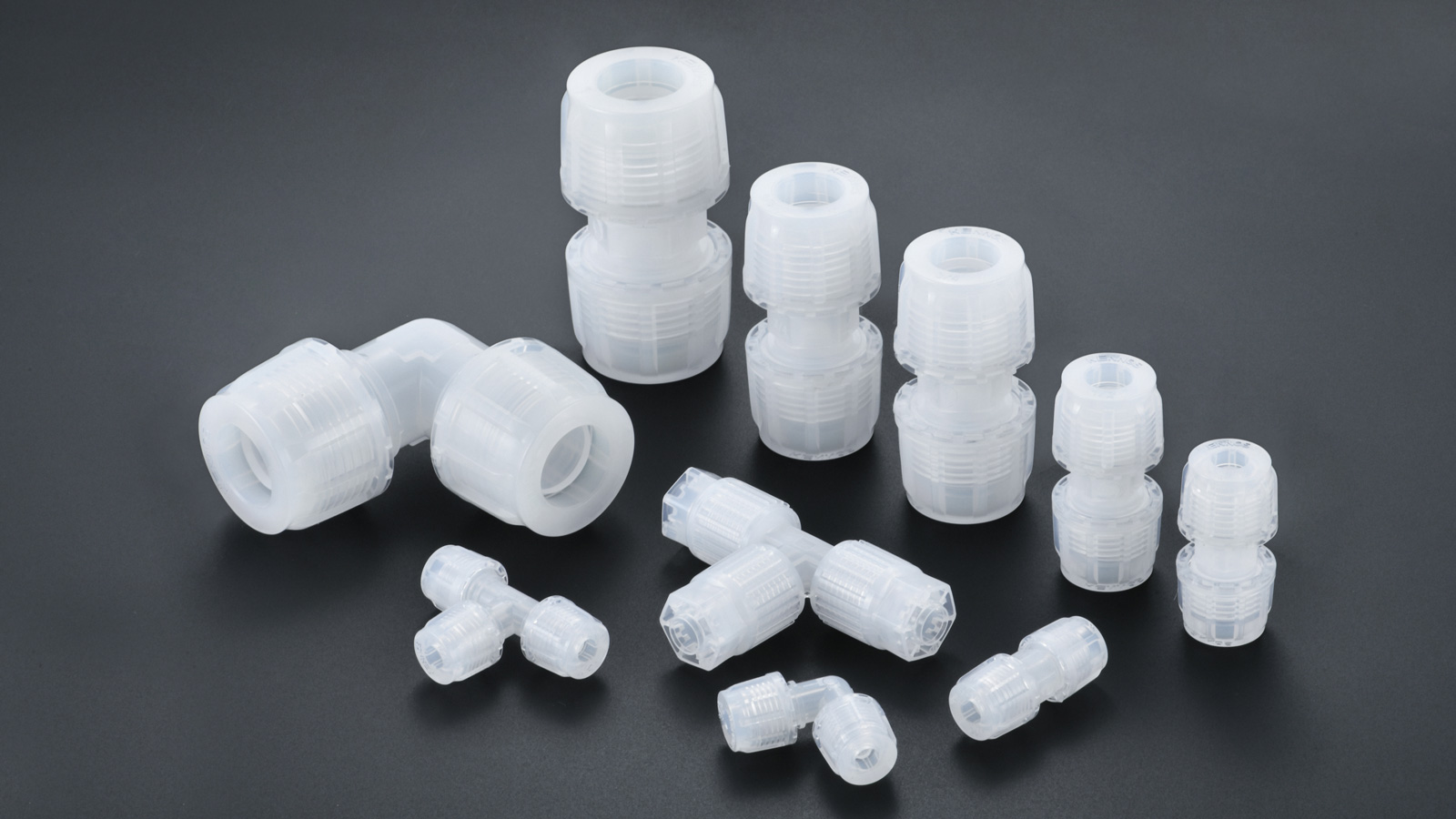
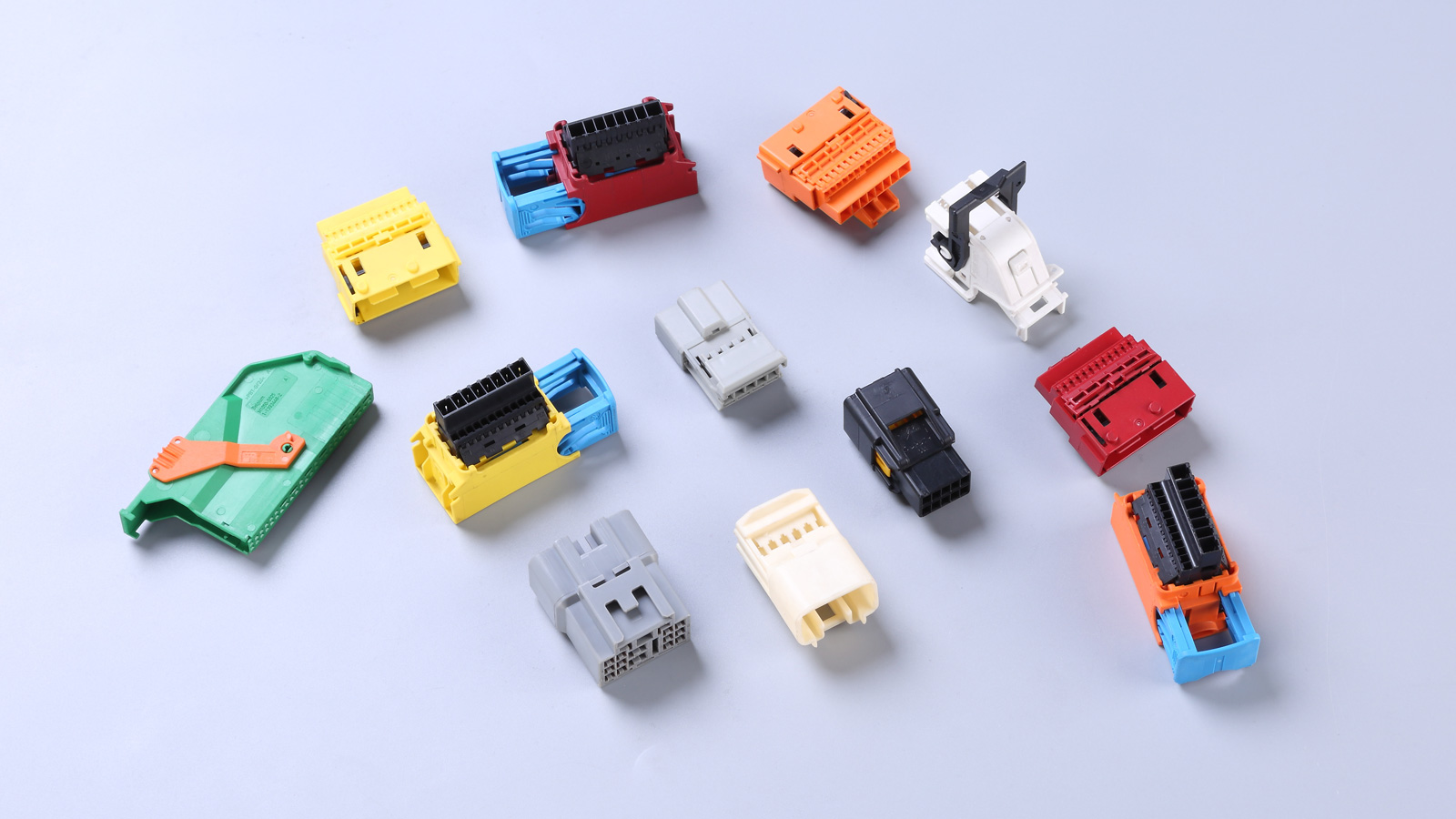
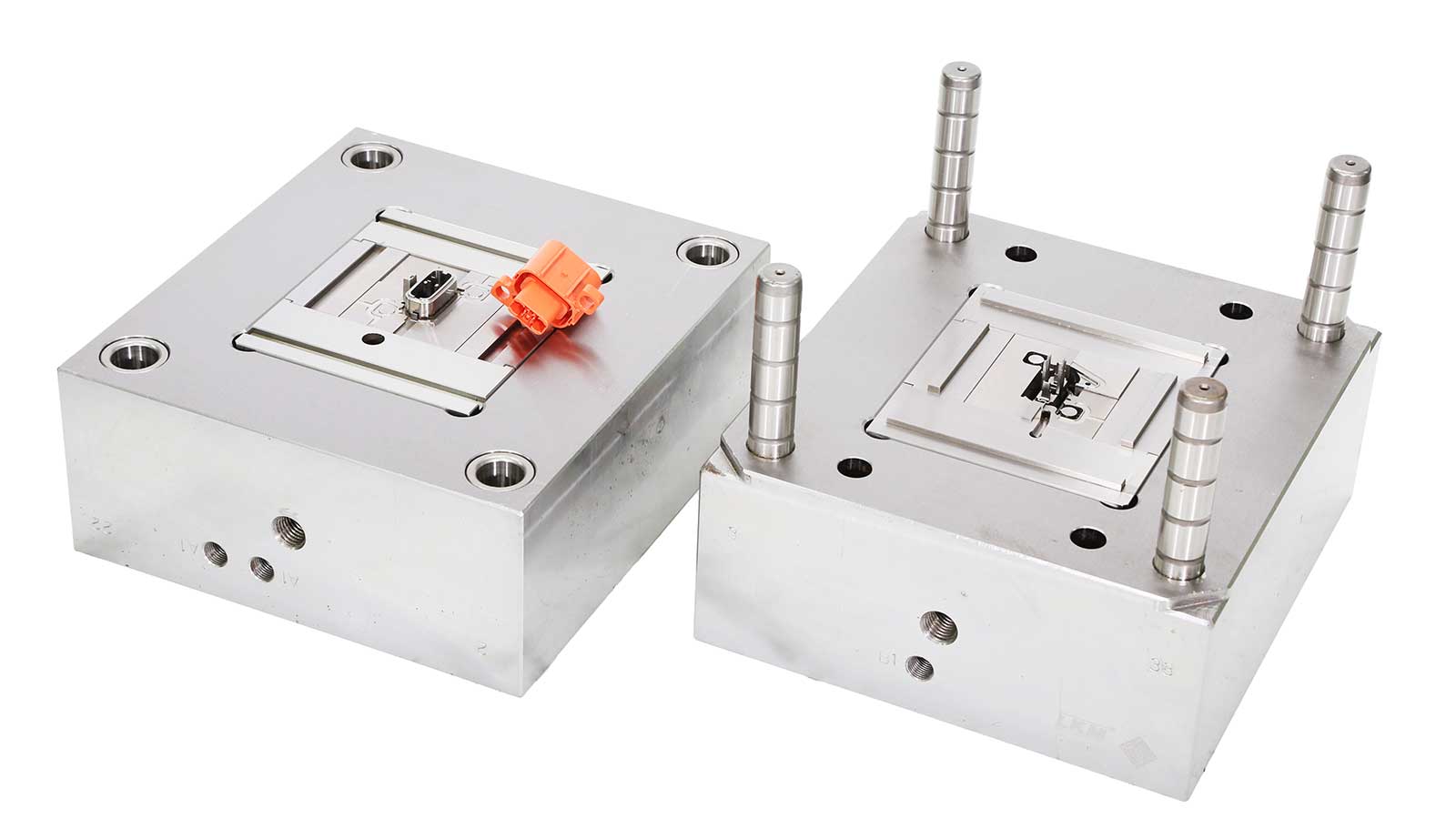



As society’s economy continues to advance and technology keeps progressing, precision injection mold processing is finding increasingly wider applications. From the precise casings of high-end electronic products to the tiny components in medical devices and the high-precision interior parts in the automotive industry, all rely on precision injection molding technology. With the expansion of application scenarios, the market’s requirements for the accuracy of precision injection-molded parts are becoming more and more stringent. So, what exactly are the factors that affect their processing accuracy? And how can we improve it? Next, this article will elaborate in detail from several key aspects.
Mold Pressure Factors
Mold pressure is one of the important parameters affecting the processing accuracy of precision injection-molded parts. Theoretically, the mold pressure should be greater than the total pressure of the plastic injected into the mold to ensure that the plastic can smoothly fill the mold cavity. However, mold pressure is not the higher the better. If the mold pressure is too high, the plastic will easily overflow from the edges of the mold under high pressure, forming burrs. This will not only affect the appearance quality of the molded part but may also impact its dimensional accuracy. Therefore, when determining the mold pressure, precise control is required. The standard is that the precision injection-molded part should not have defects such as burrs, ensuring that the plastic can fill the cavity while avoiding adverse consequences caused by excessive mold pressure.
Injection Pressure Factors
Injection pressure plays a crucial role in the precision injection molding process. Its purpose is to enable the molten plastic to evenly, thoroughly, and appropriately fill the cavity. When the injection pressure is too low, the molten plastic cannot smoothly reach all corners of the cavity, easily leading to short shots, where some areas of the molded part are not fully filled. At the same time, due to insufficient filling, the molded part will also experience shrinkage during the cooling and contraction process, resulting in dimensional deviations. On the contrary, if the injection pressure is too high, the molten plastic will overfill the cavity under high pressure, leading to defects such as burrs and over-packing. In addition, excessive injection pressure will increase the friction between the plastic and the mold, causing the molded part to stick to the mold. In severe cases, it may even burn the plastic and damage the mold, and also generate high internal stresses inside the molded part, affecting its mechanical properties and service life.
Injection Speed Factors
The speed of injection has a direct impact on the state of the molten plastic in the runners and within the injection-molded part of the precision injection mold. An appropriate injection speed can effectively avoid the occurrence of various defects. If the injection speed is too fast, the molten plastic will generate turbulence during high-speed flow, leading to problems such as burrs and burning on the surface of the molded part. At the same time, excessive speed may also cause uneven filling of the plastic in the cavity, resulting in local over-packing. On the other hand, if the injection speed is too slow, the molten plastic will have a long cooling time in the runners and cavity, leading to defects such as short shots and shrinkage. Moreover, the inconsistent cooling rates of different parts of the plastic may also cause poor bonding, affecting the overall strength and quality of the molded part.
Material Temperature Requirement Factors
Different raw materials have different temperature requirements, and temperature control is a key link in the precision injection molding process. When the temperature is too low, the raw material cannot be fully melted, resulting in uneven color of the molten plastic and affecting the appearance quality of the molded part. At the same time, low temperature will also reduce the fluidity of the raw material, increasing the internal stresses of the molded part and reducing its dimensional accuracy and mechanical properties. In extreme cases, if the temperature is too low and the pressure is too high, it may even cause the screw of the injection molding machine to break, damaging the equipment. However, excessive temperature will also bring a series of problems. High temperature will make the fluidity of the molten plastic too strong, easily leading to burrs. Moreover, due to the large temperature difference during cooling, the molded part will experience uneven shrinkage, resulting in dimensional deviations. In addition, high temperature will also promote the decomposition of the raw material, causing it to turn yellow, change color, and even break, seriously affecting the quality and performance of the molded part.
The above four points are just some of the factors that affect the processing accuracy of precision injection-molded parts. In actual processing, more complex problems may be encountered. If you need technical support in precision injection molding, please feel free to contact Yize Molds. We will wholeheartedly provide you with professional solutions.