


In the fiercely competitive manufacturing industry, the quality and efficiency of precision mold design directly impact the production cycle, cost, and final quality of products. So, what key information do we need to know before conducting precision mold design to ensure that the design work is both efficient and precise? Next, Dongguan Yize Mold Co., Ltd. will draw on its rich industry experience to provide you with a detailed analysis.
Key Information Elements
1. Precision of Mold Manufacturing and Consideration of Later Wear
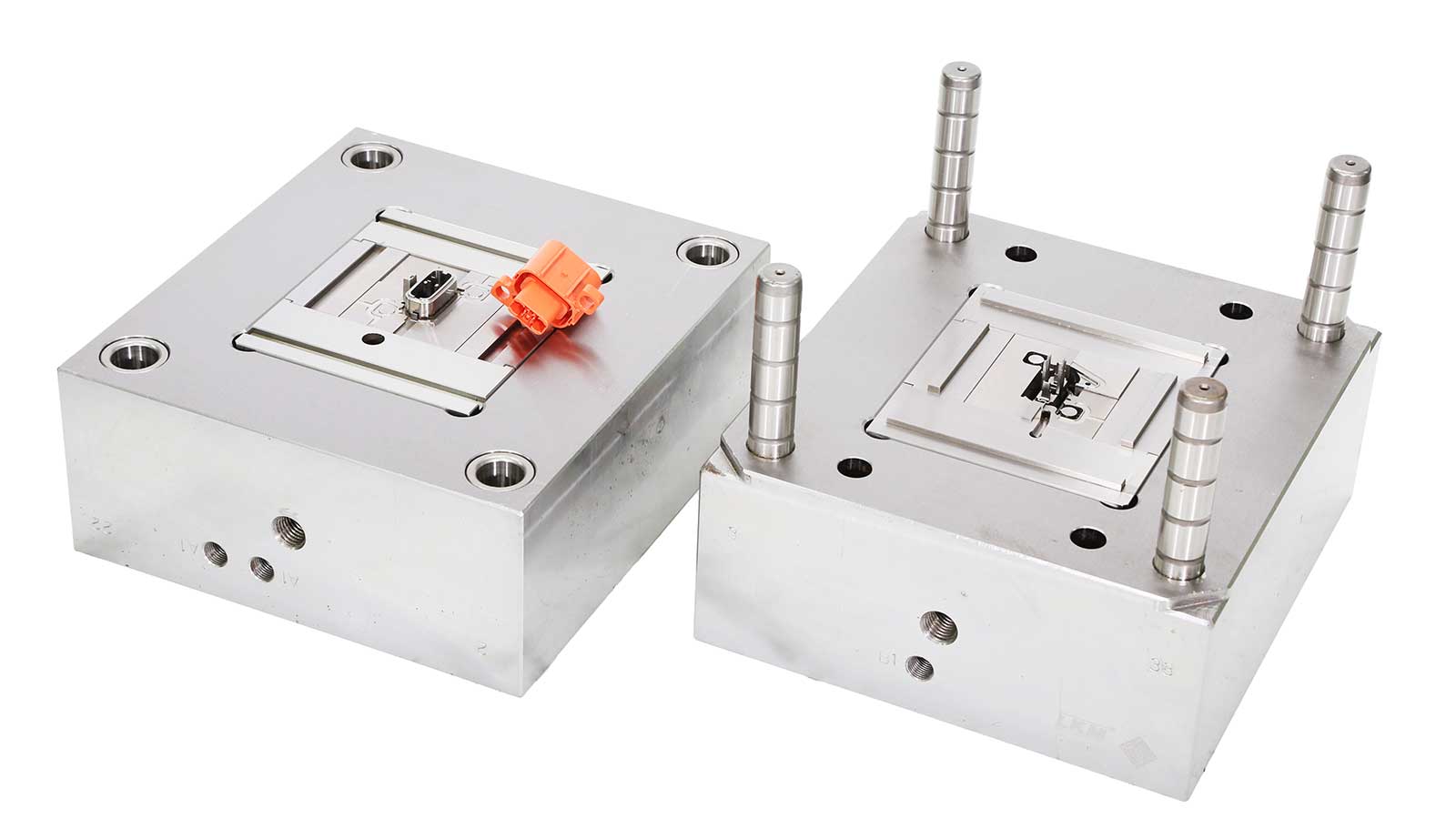
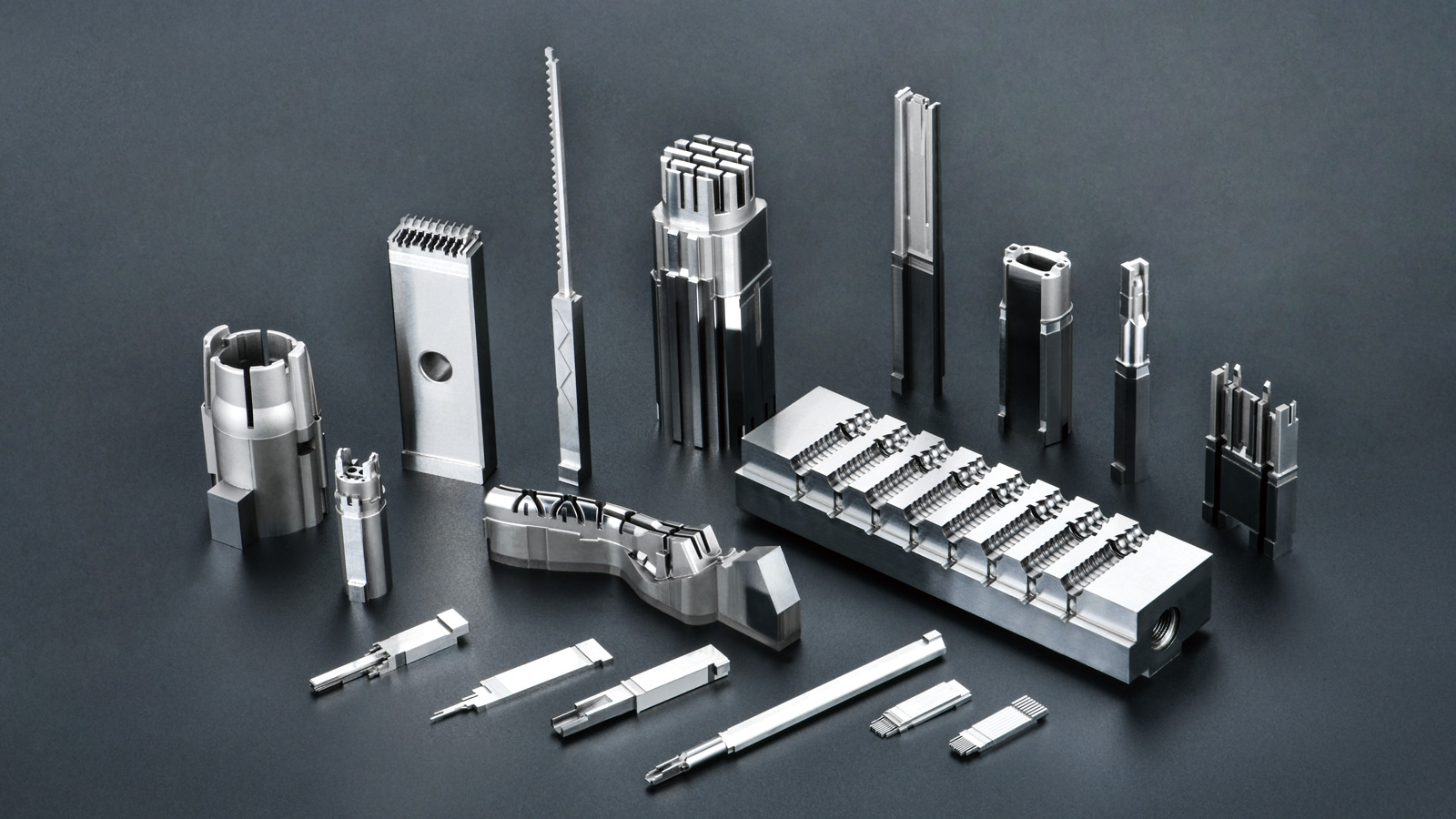
The manufacturing precision of the mold is one of the core indicators in mold design. It directly determines the dimensional accuracy and surface quality of the produced plastic parts. During the design stage, it is essential to clarify the processing precision requirements for each component of the mold, including the dimensional tolerances and surface roughness of the cavity and core. At the same time, it is also necessary to fully estimate the wear of the mold during use. Different mold materials, usage frequencies, and plastic raw materials will all affect the degree of mold wear. By considering these factors in advance and reserving a reasonable wear allowance during design, the service life of the mold can be effectively extended, and production costs can be reduced.
2. Insight into the Shrinkage and Cooling Changes of Plastic Parts
Plastic parts undergo shrinkage during the molding process, which is determined by the characteristics of the plastic raw materials. Different types of plastic raw materials have varying shrinkage rates, and even the same raw material may have different shrinkage rates under different molding conditions. In addition, during the cooling process of plastic parts, due to the inconsistent cooling rates of different parts, internal stresses are generated, leading to deformation of the parts. Therefore, when designing the mold, it is crucial to have a deep understanding of the shrinkage characteristics and cooling change rules of plastic parts. Through reasonable mold structure design, such as setting appropriate gate positions and cooling water channel layouts, shrinkage can be compensated for, and deformation can be reduced to ensure the dimensional stability of the parts.
3. Evaluation of Raw Material Stability
The stability of raw materials is of utmost importance for precision mold design. Performance fluctuations in raw materials, such as changes in melt flow rate, density, and shrinkage rate, will directly affect the molding effect of the mold. If the stability of the raw materials is poor, a wider range of process parameters needs to be considered when designing the mold to adapt to the changes in the raw materials. At the same time, it is necessary to maintain close communication with the raw material suppliers to understand the quality fluctuations of the raw materials and adjust the mold design and production process in a timely manner.
4. Adaptation to Injection Molding Machine Systems and Processes
The performance parameters and process characteristics of injection molding machines have a significant impact on mold design. Different injection molding machines vary in terms of injection speed, injection pressure, and clamping force. When designing the mold, it is necessary to reasonably design the gating system, ejection system, and cooling system of the mold according to the parameters of the injection molding machine used. For example, for an injection molding machine with high-speed injection, the gate design of the mold should ensure that the melt can quickly and uniformly fill the cavity, avoiding defects such as weld lines and bubbles. In addition, it is also necessary to consider the process adjustment range of the injection molding machine to ensure that the mold can produce qualified products under different process conditions.
5. Consideration of Regional, Weather, and Environmental Factors
Although regional, weather, and environmental factors may seem unrelated to mold design, they can actually have a certain impact on the use of the mold and the quality of plastic parts. For example, in humid regions, plastic raw materials are prone to moisture absorption, leading to defects such as bubbles and silver streaks in the parts. Therefore, when designing the mold, it is necessary to consider adding drying treatment devices or optimizing the mold’s venting structure. In high-temperature environments, the mold temperature rises rapidly, which may affect the cooling effect and dimensional accuracy of the parts. At this time, it is necessary to strengthen the design of the mold’s cooling system to improve the cooling efficiency.
6. Analysis of Human Operational Factors
Human operational factors are also an aspect that cannot be ignored in mold design. The way operators pick up parts and the actions of robotic arms during part picking can both have an impact on the mold. If operators pick up parts improperly, they may damage components such as the core and cavity of the mold. When robotic arms pick up parts, if the actions are uncoordinated or the positioning is inaccurate, it may also lead to mold collisions and wear. Therefore, when designing the mold, it is necessary to consider setting a reasonable ejection mechanism and part picking space to facilitate operators or robotic arms in picking up parts. At the same time, it is also necessary to conduct simulation analysis on the part picking actions of the robotic arms to ensure that they will not cause damage to the mold.
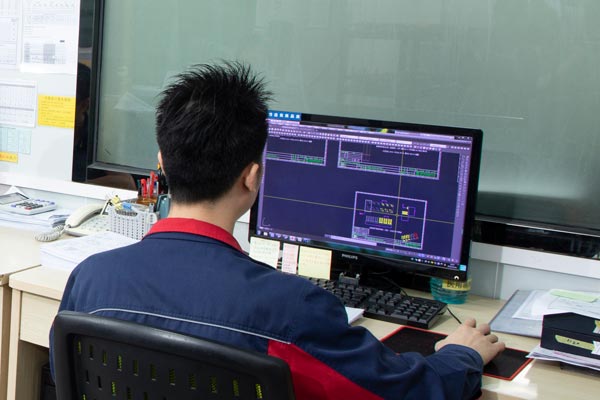
The Importance of Precision Mold Design
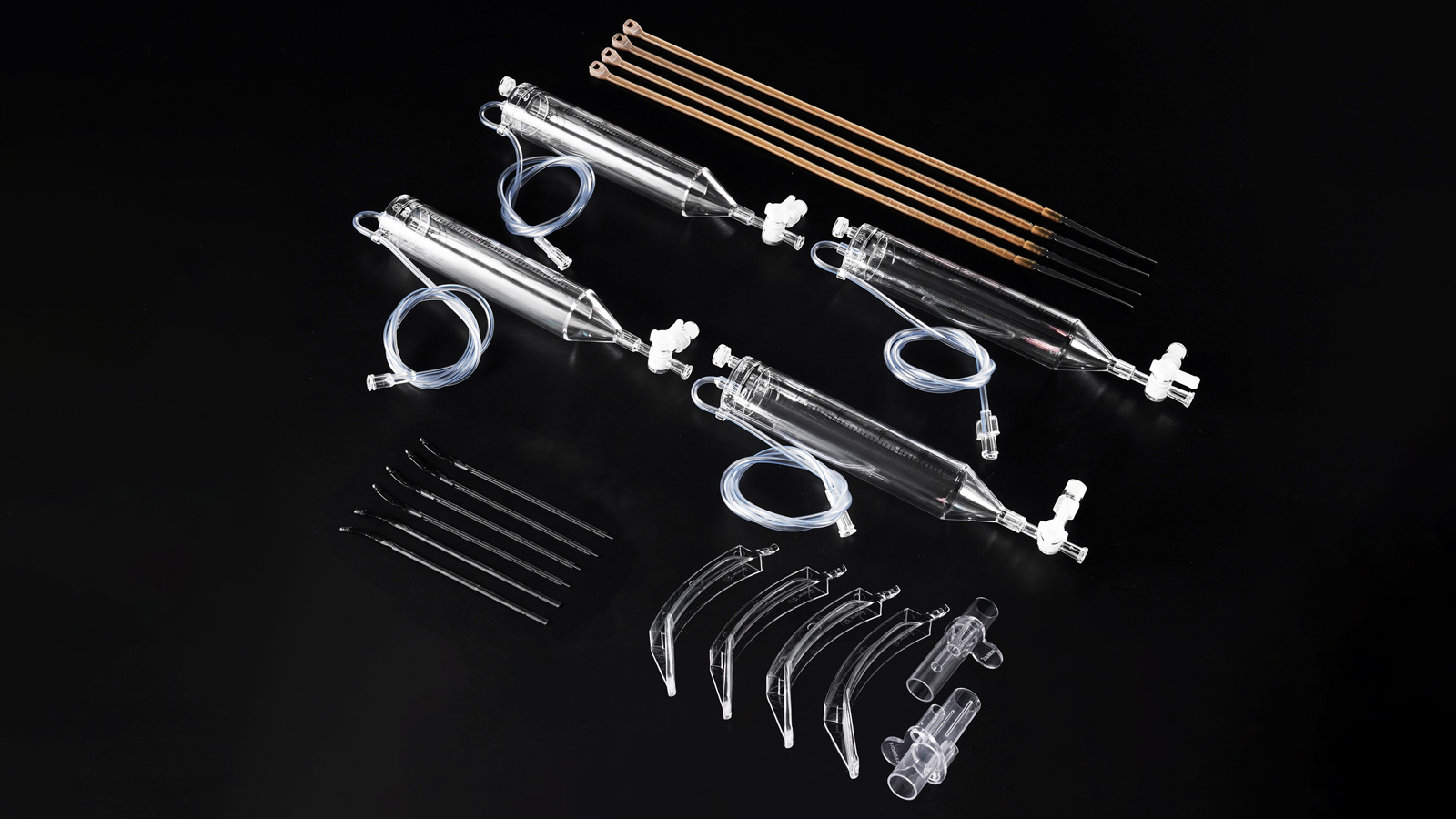
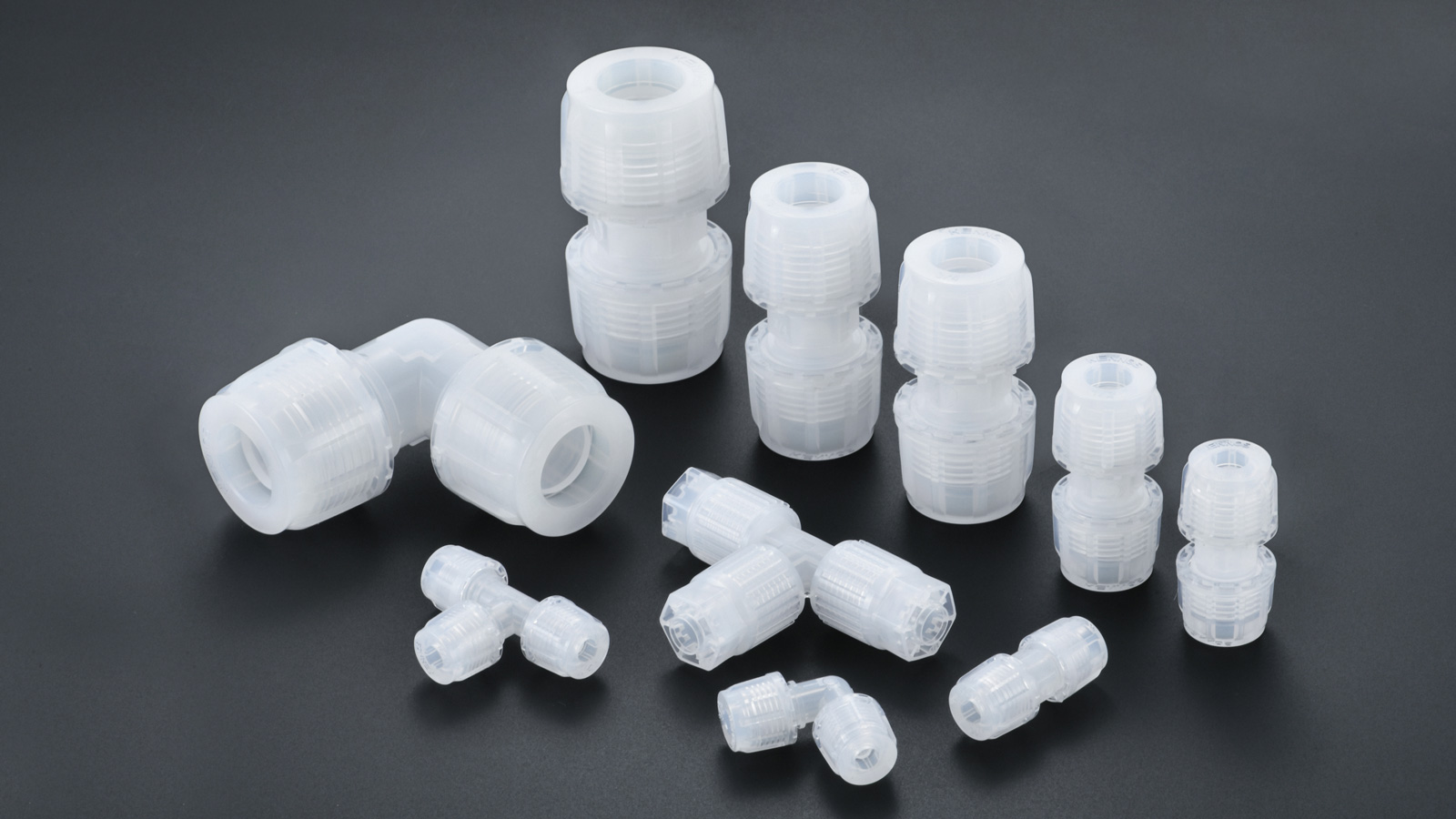
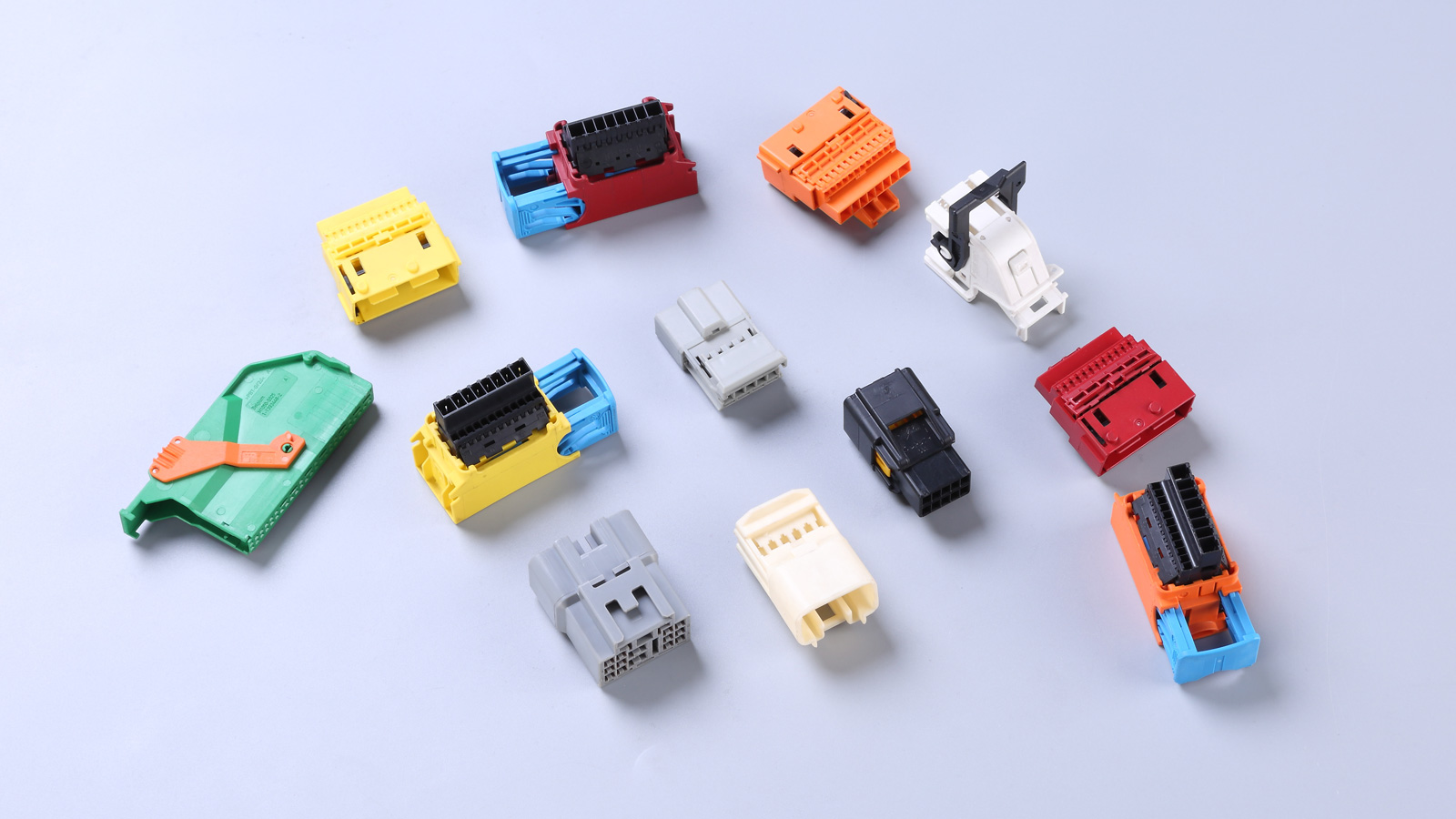
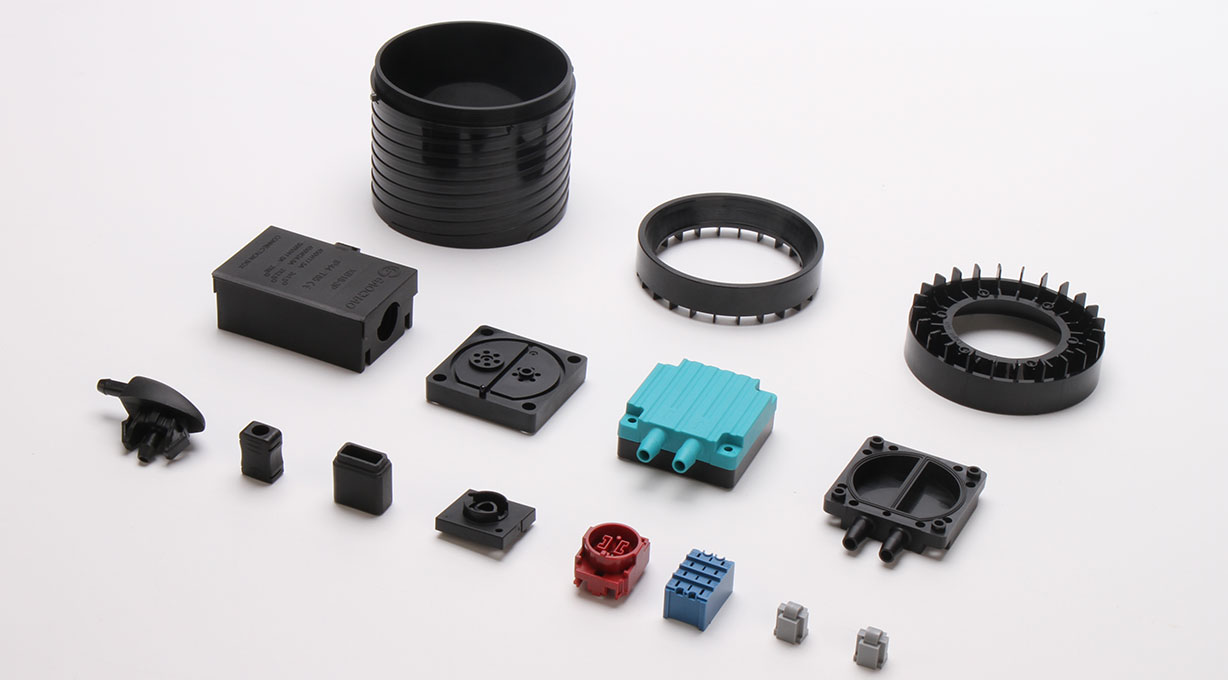
Nowadays, various complex injection-molded structural parts, functional parts, and precision parts for special purposes have been widely used in many fields such as transportation, packaging, storage, construction, home appliances, automobiles, and electronics, becoming indispensable and important products in modern industry. The structure and quality of plastic parts largely depend on the structure and quality of precision injection molds. A reasonably designed precision mold can ensure the dimensional accuracy, surface quality, and performance stability of plastic parts, improve production efficiency, and reduce production costs. Therefore, precision mold design is a key link in the manufacturing industry and is of great significance for the market competitiveness and sustainable development of enterprises.
FAQ
Q1: How to determine the manufacturing precision of the mold?
A1: Determining the manufacturing precision of the mold requires comprehensive consideration of factors such as the precision requirements of plastic parts, their usage performance, and production costs. Generally, it can be determined by referring to relevant industry standards, the design experience of similar products, and communication and negotiation with customers. At the same time, detailed precision analysis and calculation are also required during the mold design process to ensure that the manufacturing precision of the mold can meet the production requirements.
Q2: How to deal with the impact of raw material performance fluctuations on mold design?
A2: To deal with raw material performance fluctuations, first, establish a long-term and stable cooperative relationship with raw material suppliers to keep abreast of the quality changes of raw materials in a timely manner. When designing the mold, reserve a certain process adjustment space, such as appropriately increasing the gate size and optimizing the cooling water channel layout, to adapt to the performance fluctuations of raw materials. In addition, online detection devices can also be added to monitor the quality of the parts in real-time and adjust the production process parameters in a timely manner.
Q3: How to consider the process characteristics of the injection molding machine in mold design?
A3: Before mold design, it is necessary to have a detailed understanding of the performance parameters of the injection molding machine to be used, such as injection speed, injection pressure, and clamping force. Based on these parameters, reasonably design the gating system, ejection system, and cooling system of the mold. For example, design an appropriate gate form and size according to the injection speed to ensure that the melt can quickly and uniformly fill the cavity. Determine the parting surface and cavity layout of the mold according to the clamping force to avoid defects such as flash.
Q4: What are the main manifestations of the impact of environmental factors on mold design?
A4: The impact of environmental factors on mold design is mainly reflected in aspects such as the treatment of raw materials, the cooling of the mold, and the quality of the parts. In a humid environment, plastic raw materials need to be fully dried, so it is necessary to consider setting drying devices or optimizing the venting structure in mold design. In a high-temperature environment, the cooling efficiency of the mold will decrease, so it is necessary to strengthen the design of the cooling system, such as increasing the number and diameter of cooling water channels. In addition, dust and impurities in the environment may also affect the service life of the mold and the surface quality of the parts, and corresponding protective measures need to be taken.
Q5: How to optimize the ejection mechanism of the mold to facilitate part picking?
A5: Optimizing the ejection mechanism of the mold can start from the following aspects: First, reasonably determine the ejection position and ejection area to ensure that the parts can be ejected uniformly and smoothly, avoiding defects such as deformation and ejection marks. Second, select appropriate ejection components, such as ejector pins, ejector blocks, and push plates, and arrange them reasonably according to the shape and structure of the parts. Third, design the guiding and resetting devices of the ejection mechanism to ensure that the movement of the ejection components is accurate and reliable, avoiding problems such as jamming and improper resetting. Fourth, consider the cooperation with the robotic arm and set a reasonable part picking space and positioning devices to facilitate the robotic arm in part picking.