

Metal Injection Molding

Custom Metal Injection Molding Parts

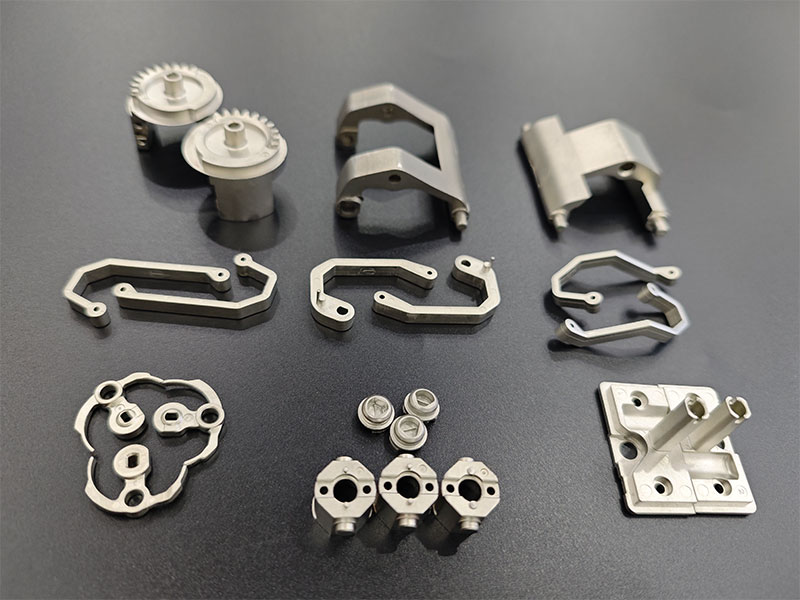
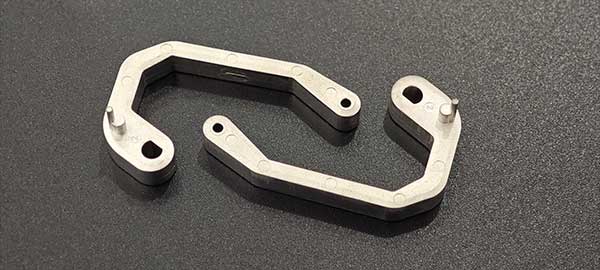
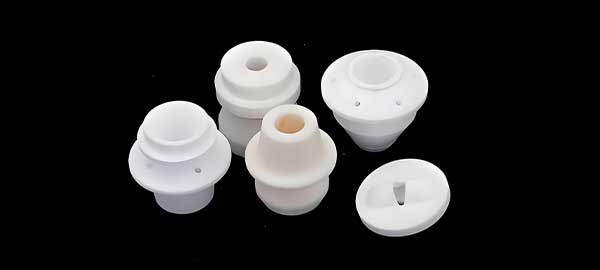
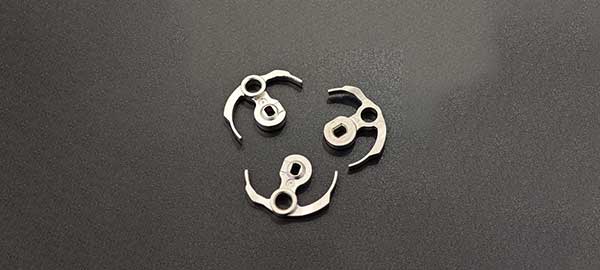
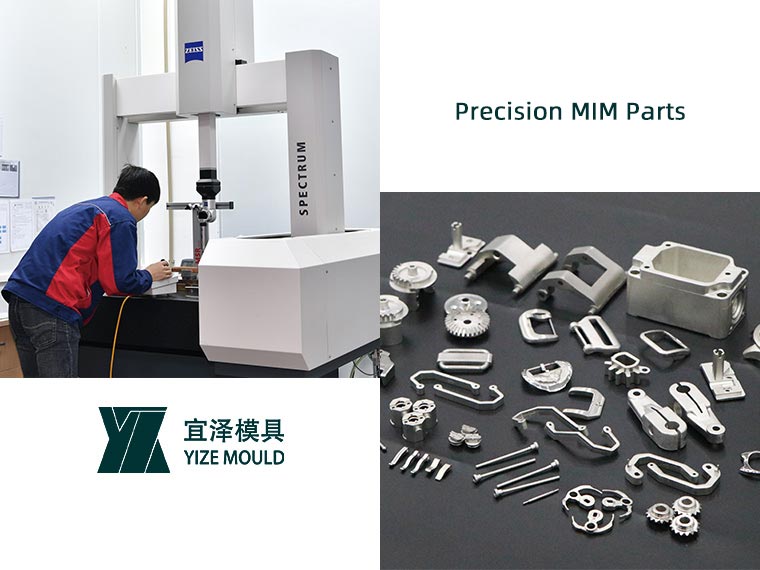
Custom metal injection molding represents a high-precision molding solution that combines plastic injection molding technology with powder metallurgy techniques. This approach is particularly well-suited for the mass production of small, complex, and high-precision metal components. Depending on the operating conditions, materials such as stainless steel (304, 316L, 17-4PH), alloy steel, titanium alloy, and special alloy materials can be selected. Post-processing can further enhance their strength, wear resistance, or corrosion resistance.

Upload a drawing to get the best price for your program!
Drag and Drop Upload
Or
Allowed File Types: STEP, STP, STL,IGS,IGES,PRT,SLDPRT,SAT,X_T
Max. File Size: ≤15MB

Contact information is required

You can also contact us via [email protected]

Technology and Process

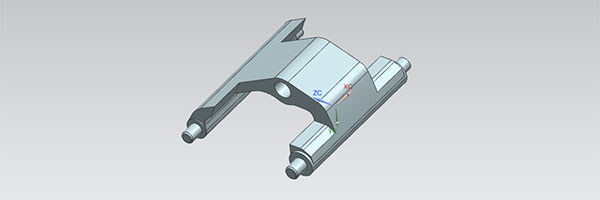
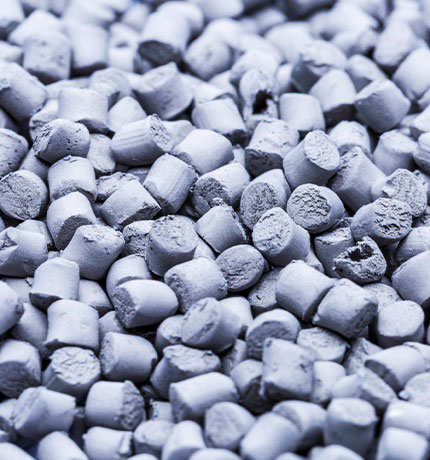
Metal Injection Molding is an advanced manufacturing method that combines powder metallurgy technology with plastic injection molding processes, primarily used for producing small, complex, and high-precision metal components. It is specifically designed for the large-scale production of small, intricate, and precise metal parts. In the MIM process, micrometer-sized metal powders are first mixed with multi-component binders to create a feedstock. This feedstock is then injection-molded to form “green parts” that closely resemble the final shape. Subsequently, the binder is removed through a debinding process, followed by high-temperature sintering in a controlled atmosphere or vacuum environment, which enables the powder particles to achieve metallurgical bonding, ultimately resulting in metal parts with high density and strength.

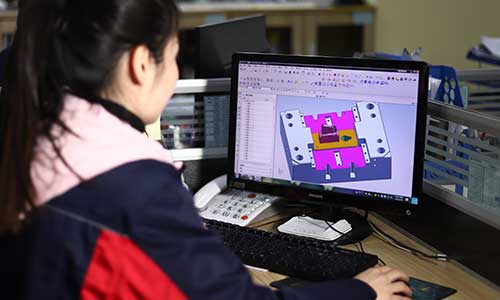
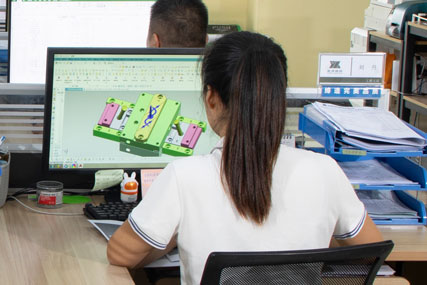
DFM & Mold Design

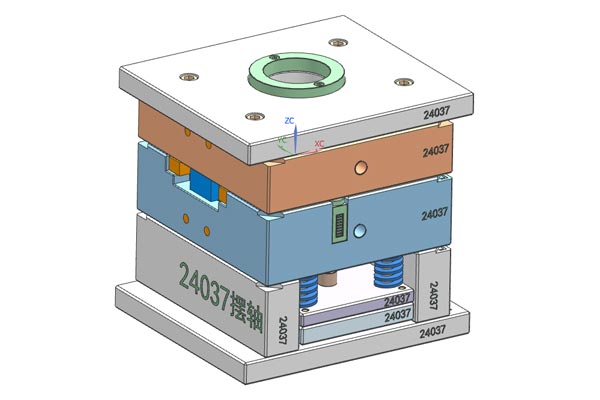
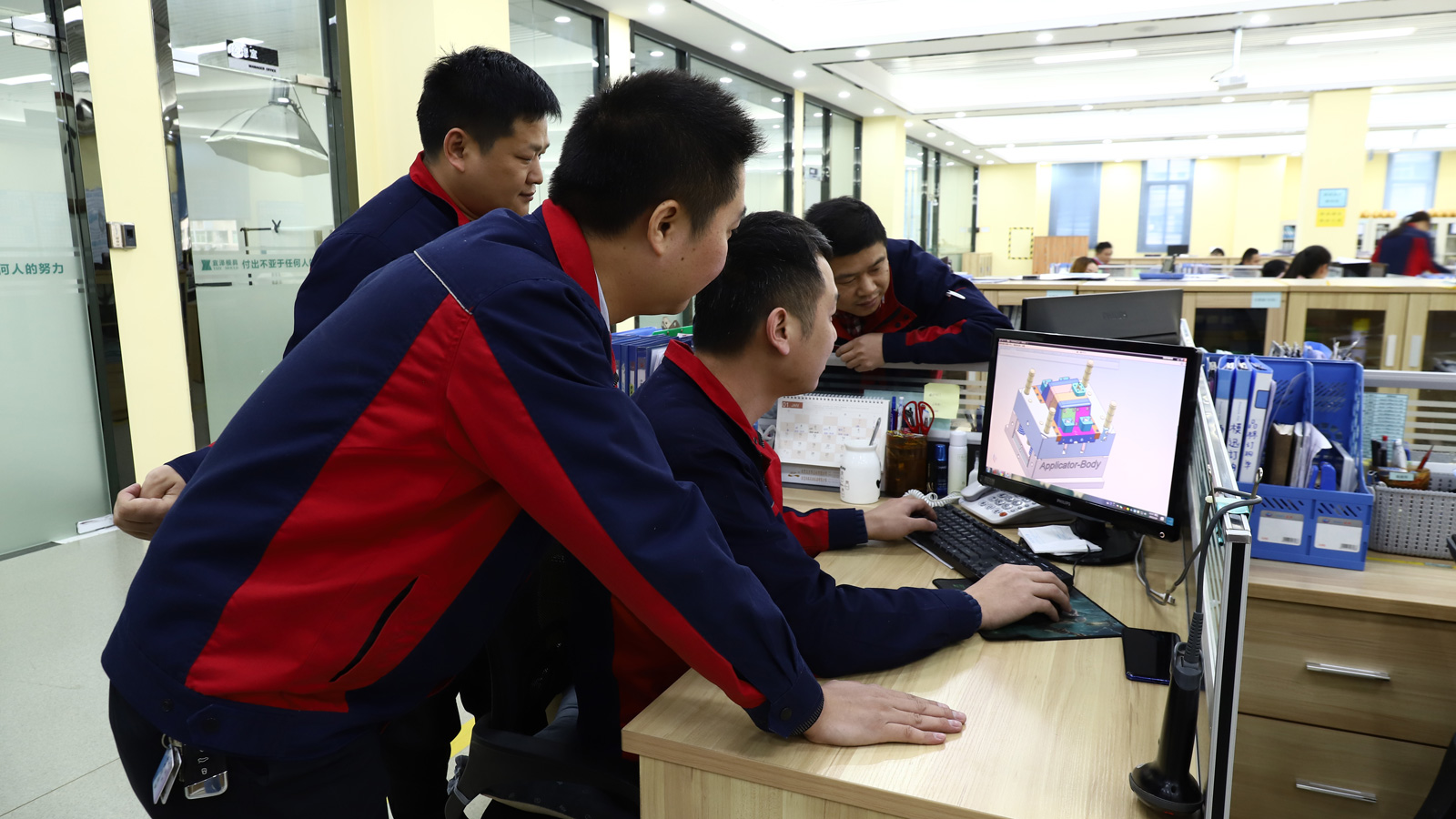
The design phase is the core of mold development. By thoroughly analyzing the manufacturability of the product design (DFM) and optimizing the part structure, we ensure that the mold design not only meets production requirements but also maximizes cost reduction and efficiency improvement.

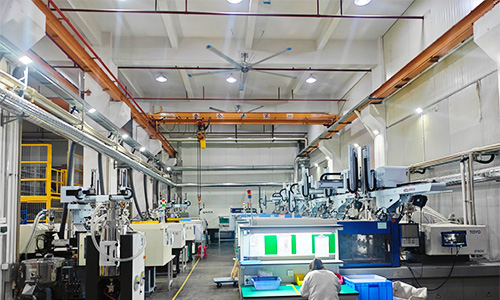
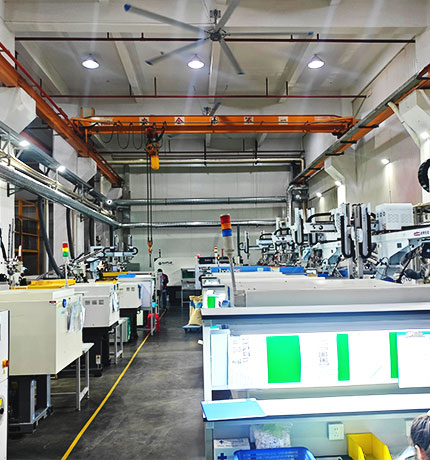
Injection Molding

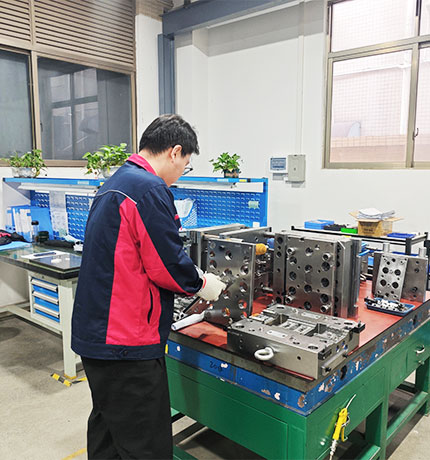
Using a specialized injection molding machine, the feedstock is injected into a precision mold to obtain “green parts” that closely approximate the final shape. This process enables the one-step molding of complex structures, thin walls, and minute features.

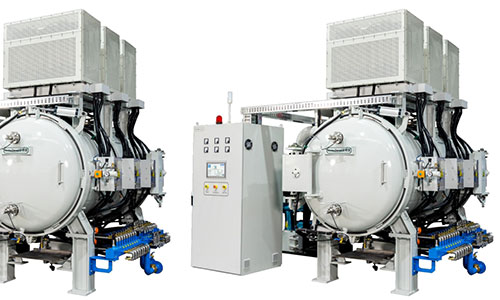
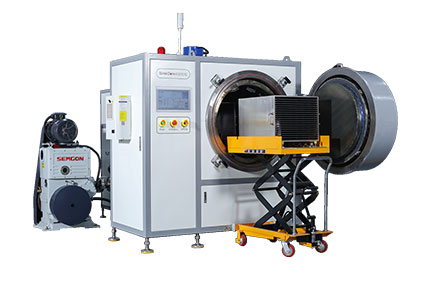
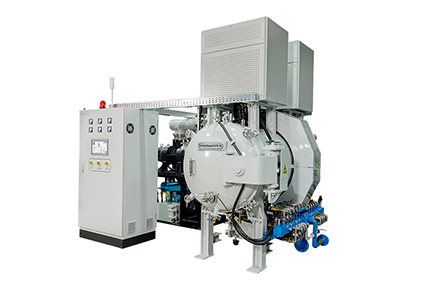
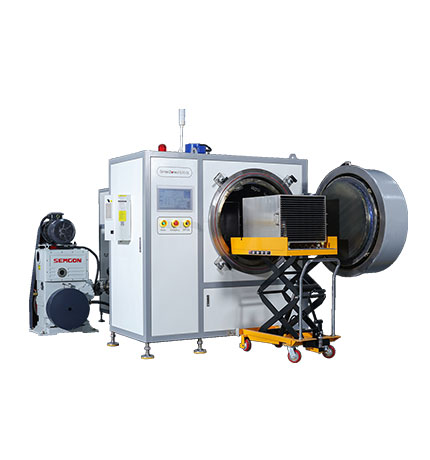
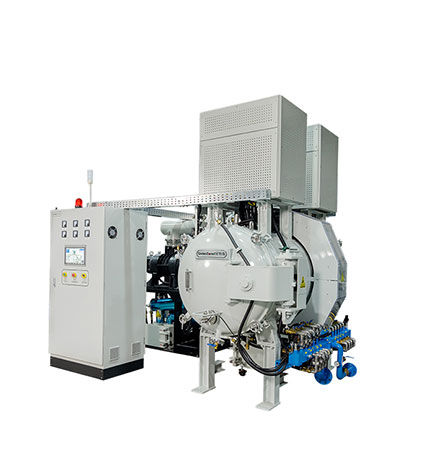
High-Temperature Sintering

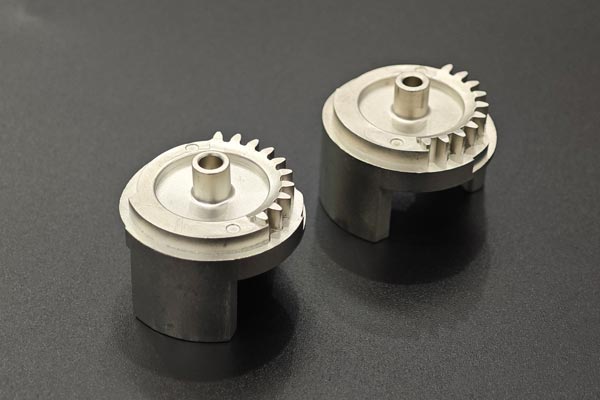
High-temperature sintering is conducted in a vacuum or protective atmosphere, facilitating metallurgical bonding between metal powder particles. This results in densification of the parts and the attainment of the desired mechanical properties and dimensional accuracy.

Introduction to Yize Mold's Processing Capabilities

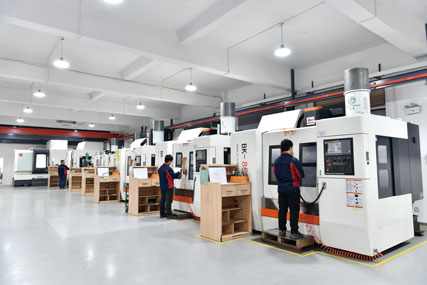
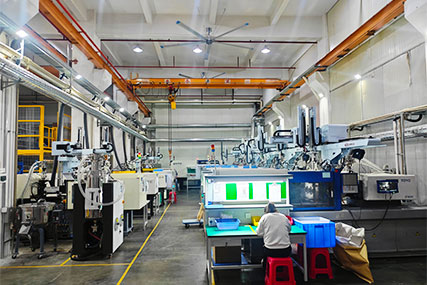
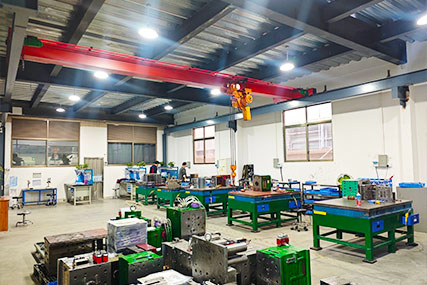
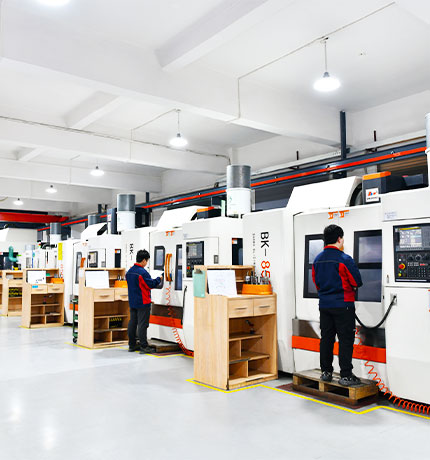
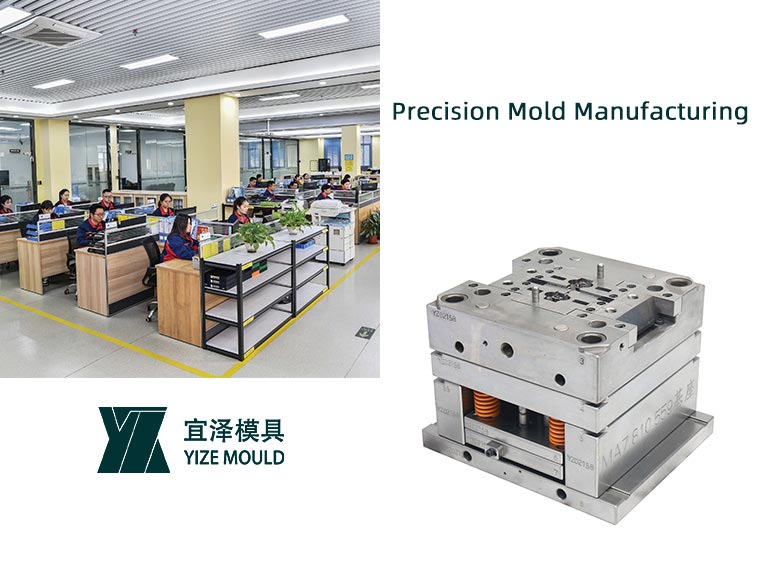
Yize Mold boasts a workforce of 170 employees, equipped with 25 EDM machines, 49 grinding machines, 51 grinding and milling machines, 7 wire-cutting machines, 18 CNC and CNC lathes, 27 punching machines and other equipment, 30 injection molding machines, one complete set of Metal Injection Molding (MIM) full-process equipment, and over 80 sets of testing instruments. Our processing services encompass precision parts, injection molds, special injection molding, cleanroom injection molding, LSR molding, and metal injection molding. We provide efficient and reliable precision component and injection molding processing services, ensuring high-quality, high-precision, and timely delivery of products.

2006

Founded in

0.02mm

Min. tolerance

170

Employees

220

Processing Machines

Custom Metal Injection Molding (MIM) Case Studies

Metal Injection Molding (MIM) is a near-net-shape technology that combines the flexibility of plastic injection molding with the performance advantages of powder metallurgy. It enables the efficient one-step molding of complex, miniature, and precision metal parts that are challenging to manufacture using traditional processes, while delivering performance characteristics close to those of forged components. With its high material utilization rate, exceptional batch consistency, and broad material adaptability, MIM technology has emerged as a core solution for the mass production of high-end precision components in fields such as medical devices, consumer electronics, and automotive industries.

Surgical forceps, tweezers, scissors, micro-graspers, instrument mechanism parts, joint replacement components, dental implants, precision endoscopic parts

Metal Injection Molding for Medical Devices

The reason why MIM technology is highly favored in the medical field is primarily because it can effectively meet the stringent requirements of medical devices in terms of complexity, precision, biocompatibility, and cost-effectiveness for mass production.

Available Materials:
Stainless Steel 304/316L/17-4PH  
Alloy Steel  
Titanium Alloy  
Special Alloy Materials  
Post-processing Techniques: Polishing, Turning, Milling, Grinding, EDM, CNC, etc.
Price: Negotiable
Production Lead Time: Subject to product complexity, typically 15–20 days
Hinges, housing structural components, shock-absorbing parts for unmanned aerial vehicle (UAV) gimbals, heat dissipation device parts, transmission components

Metal Injection Molding for Consumer Electronics

MIM enables the one-step molding of complex three-dimensional structures that are difficult or even impossible to achieve through traditional machining methods (such as CNC), such as components with internal cavities, complex curved surfaces, and fine holes. This is crucial for consumer electronics products that pursue ultimate space utilization and functional integration.
Available Materials:
Stainless Steel 304/316L/17-4PH  
Alloy Steel  
Titanium Alloy  
Special Alloy Materials  
Post-processing Techniques: Polishing, Turning, Milling, Grinding, EDM, CNC, etc.
Price: Negotiable
Production Lead Time: Subject to product complexity, typically 15–20 days
Filter cavities, antenna tuning components, optical module housings

Metal Injection Molding for Communication Equipment

Metal Injection Molding (MIM) technology plays a pivotal enabling role in the manufacturing of communication equipment. It can form complex precision structures in one piece that are difficult to achieve through traditional processing methods, such as the internal cavities of 5G filters, antenna tuning components, and optical module housings. While ensuring excellent electromagnetic performance and signal integrity, it achieves extremely high material utilization and production consistency. This technology perfectly aligns with the core needs of the communication industry for high-performance, miniaturization, and large-scale reliable mass production of equipment, serving as an advanced manufacturing cornerstone supporting the upgrade of 5G and future communication technologies.

Available Materials:
Stainless Steel 304/316L/17-4PH  
Alloy Steel  
Titanium Alloy  
Special Alloy Materials  
Post-processing Techniques: Polishing, Turning, Milling, Grinding, EDM, CNC, etc.
Price: Negotiable
Production Lead Time: Subject to product complexity, typically 15–20 days
Fixed and movable mold bases, cores and cavities (mold inserts), slider and cam mechanisms, ejector pin and ejector plate systems, guide pins, guide bushings

Metal Injection Molding for Automotive

Die-casting molds are primarily applied in the high-pressure molding processes of metal materials such as aluminum alloys, magnesium alloys, and zinc alloys. They are essential equipment for producing high-precision metal components in industries such as automotive, electronics, home appliances, communication, and aviation. The design and manufacturing precision of the parts directly determine the dimensional stability, surface finish, and mold life of the castings.
Available Materials:
Stainless Steel 304/316L/17-4PH  
Alloy Steel  
Titanium Alloy  
Special Alloy Materials  
Post-processing Techniques: Polishing, Turning, Milling, Grinding, EDM, CNC, etc.
Price: Negotiable
Production Lead Time: Subject to product complexity, typically 15–20 days
Mold sleeves, upper and lower punches, cavity mold cores, ejection mechanisms and demolding assemblies, limit rings and locating pins

Metal Injection Molding for Precision Tools

Powder metallurgy molds are key equipment centered around the pressing and forming of metal powders, used for the production of high-density, high-hardness, and complex-structured components. Their precision and wear resistance directly determine the dimensional stability and consistency of the finished products, serving as an important foundation in the field of precision manufacturing.

Available Materials:
Stainless Steel 304/316L/17-4PH  
Alloy Steel  
Titanium Alloy  
Special Alloy Materials  
Post-processing Techniques: Polishing, Turning, Milling, Grinding, EDM, CNC, etc.
Price: Negotiable
Production Lead Time: Subject to product complexity, typically 15–20 days
Punch, die, blank holder, ejection device, stripper plate and guiding components

Metal Injection Molding for Semiconductor Equipment

Stretching molds are a type of mold system used to form metal sheets into hollow or curved parts through mold forming. They are key equipment in sheet metal forming and metal manufacturing. Their precision and durability directly determine the surface quality, dimensional stability, and production efficiency of the products.

Available Materials:
Stainless Steel 304/316L/17-4PH  
Alloy Steel  
Titanium Alloy  
Special Alloy Materials  
Post-processing Techniques: Polishing, Turning, Milling, Grinding, EDM, CNC, etc.
Price: Negotiable
Production Lead Time: Subject to product complexity, typically 15–20 days

Data of Liquid Silicone Injection Molding

ItemParameter
Design accuracy of the whole mold set±0.005 mm
Minimum thin-wall thickness achievable in injection molding0.25 mm
Minimum injection molding tolerance achievable±0.3%
Mold material selectionS136, DC53, 2344, ASP
Optional injection molding materials304, 316L, 17-4ph, PANACEA, ultra-high strength steel, TC4 titanium alloy, 420W, F75
Mold life300,000-500,000 times
Technical applicationIndustrial components, hardware fittings, smart wearables for consumer electronics, 3C electronics, automotive parts, etc.
Injection molding sizeMAX 320mm, 450g
Gate designPin-point gate, hot runner, side gate, etc.
Type of designed moldCold/hot runner mold
Delivery timeApproximately 28 days, subject to negotiation


Our Comapny Profile

Yize Mould’s main business covers precision parts processing, injection mold design and manufacturing, cleanroom injection molding etc.

Steps for metal injection molding

Custom Metal Injection Molding (MIM) enables the one-step forming of complex metal parts through a series of processes including powder blending, injection molding, debinding, high-temperature sintering, and post-processing. This technology achieves high density and stable dimensional accuracy, with mechanical properties approaching those of forged components, while reducing machining steps. It effectively lowers overall costs while ensuring consistent quality, making it particularly suitable for the manufacturing of medium-to-large batch quantities of precision metal components with complex structures.

/01 Requirement Analysis and Design Communication

Requirement analysis and design communication are crucial steps in ensuring the success of customized mold opening and injection molding. Effective communication ensures that all parties involved in the project (clients, designers, engineers, mold manufacturers, etc.) have a clear and consistent understanding of the requirements and design plan.

/02 Mold Assembly and Debugging

Mold assembly and debugging are vital stages in the mold manufacturing process, directly determining the final usage effect and production efficiency of the mold. During this stage, various manufactured components are assembled into a complete mold, and through mold trials and debugging, it is ensured that the mold can operate smoothly and efficiently.

/03 Raw Material Mixing

Liquid silicone rubber is divided into two components, A and B, which are precisely mixed in a 1:1 ratio using an automatic proportioning mixing pump. Color masterbatches can be added to achieve color matching. The entire process is fully sealed and pollution-free, ensuring the cleanliness of the raw materials.

/04 Injection Molding

The mixed silicone rubber is injected into a high-temperature mold cavity (approximately 170–200℃) through a cold runner system. Liquid silicone rubber exhibits excellent flowability and self-demolding properties, making it suitable for producing precision, thin-walled, and complex structural parts.

/05 Curing and Demolding

After curing, the products are automatically demolded using mechanical ejection or pneumatic systems. Due to the non-stick properties of liquid silicone rubber, demolding is fast, and the product surface has a high degree of smoothness and gloss.

/06 Inspection and Packaging

The products are packaged in dust-free packaging to maintain cleanliness, making them suitable for use in medical, laboratory, infant and child care, wearable device, and other fields.

Yize Mould
Various Liquid Silicone Injection Molding Solutions Provider

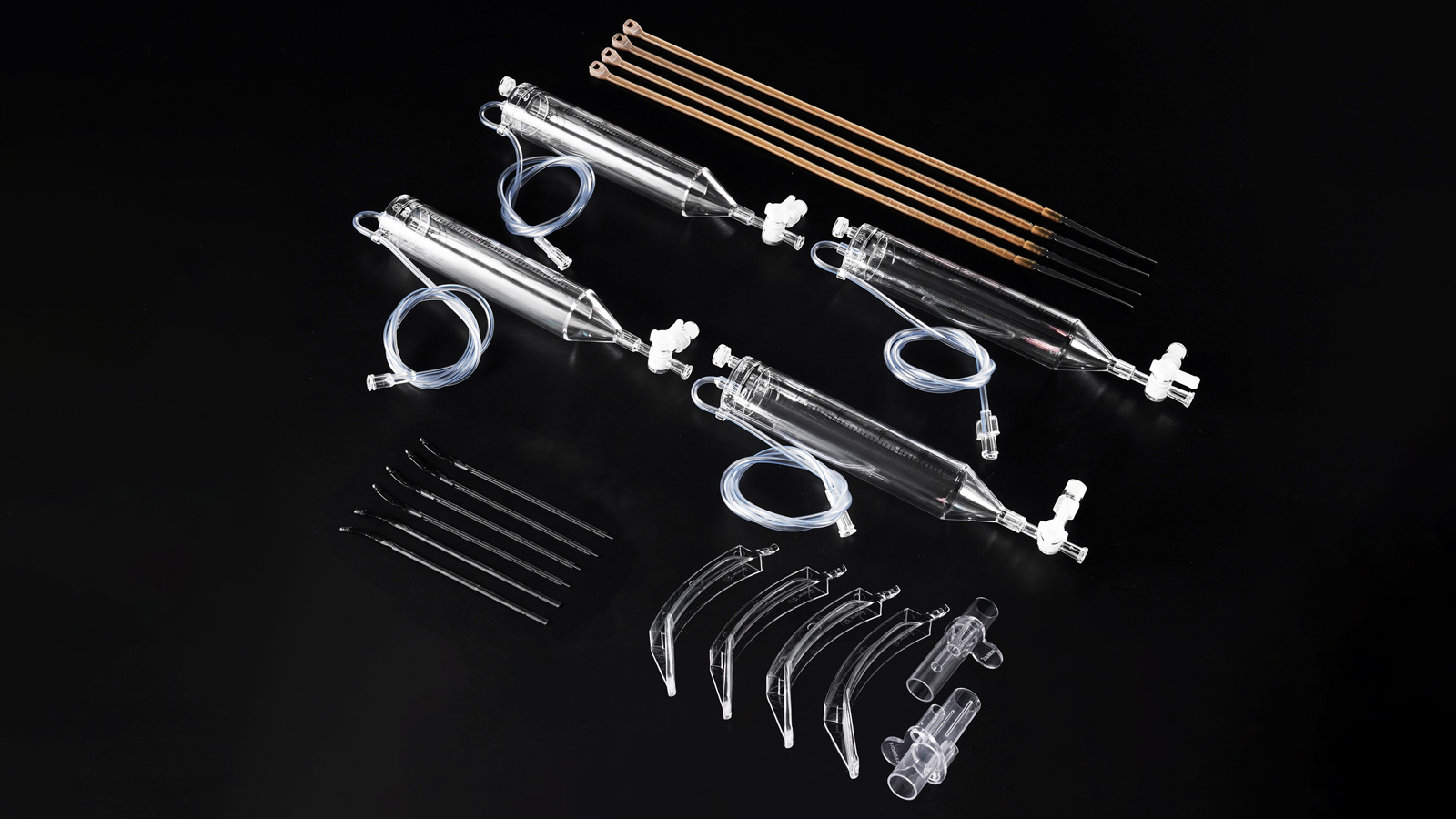
Medical liquid silicone rubber (LSR) injection molding is renowned for its high purity, excellent biocompatibility, high-temperature resistance, and sterilization capability. It is widely applied in five major fields: infusion and respiratory systems, surgical and implantable devices, diagnostic and laboratory equipment, wearable medical devices, as well as infant and care products. Yize Mould provides one-stop solutions for medical-grade LSR injection molding, ensuring high precision, cleanliness, and reliability of products.

Surgical and Implantable Devices

Yize Mould offers liquid silicone rubber injection molding solutions for medical surgical and implantable devices, ensuring high precision, biocompatibility, and stability. These solutions are suitable for implantable devices such as soft pouches and seals, meeting stringent medical standards for sterility, safety, and long-term use.

Diagnostic and Laboratory Equipment

Liquid silicone rubber injection molding provides high-purity, high-precision, and high-reliability production solutions for diagnostic and laboratory equipment. It meets the rigorous requirements of high-end fields such as biological testing, analytical equipment, and laboratory consumables, delivering safe, stable, and long-lasting silicone components for laboratory use.

Infant and Care Products

Yize Mould provides liquid silicone rubber injection molding solutions for infant and care products, covering a range of LSR items such as nipples, teething gels, breast pump accessories, breast milk storage lids, and care pad seals. These products are safe and environmentally friendly, suitable for the infant and care sectors.

Trusted Liquid Silicone Injection Molding Factory

Dongguan Yize Mould Co., Ltd. was established on January 1, 2007, with 170 employees, and is located in Chang’an Town, Dongguan City, known as the “Key Town of China’s Mould Industry”.

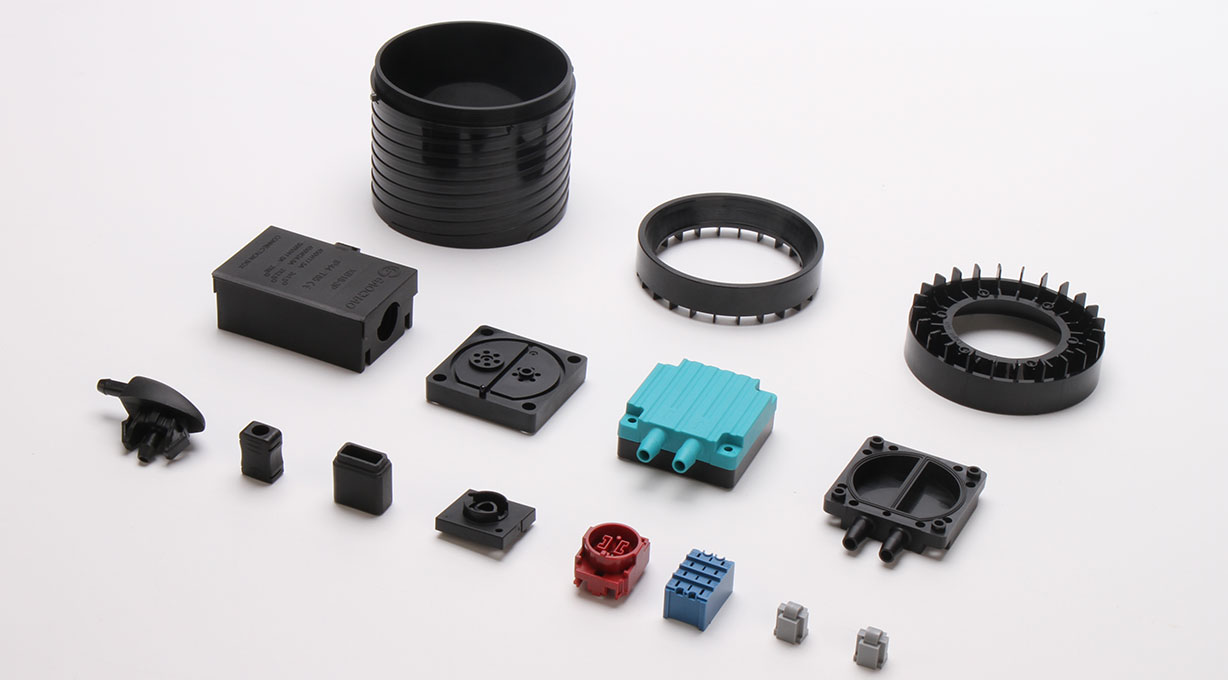
Since its establishment, Yize has always focused on technology as its core, specializing in automotive connectors, thin-wall injection molding, micro-injection molding, precision injection molding, and special material injection molding, and has gradually expanded its business to cover overall solutions for PFA Teflon products, precision medical devices, and various special engineering plastic precision structural components.

Yize Mould continuously innovates and develops, becoming a leader in the field of high-end precision mold manufacturing and related products, and is a trustworthy manufacturer of precision injection molds.

Applications

Medical LSR injection molding is currently one of the most widely used and most precise forming technologies in medical device manufacturing. Liquid silicone rubber (LSR) possesses high purity, excellent biocompatibility, high-temperature resistance, aging resistance, and the ability to withstand repeated sterilization, making it highly suitable for the stringent requirements of medical environments.

Why Choose Us?

/01
Professional Team
Yize Mould has been specializing in precision molds, non-standard precision parts, and related products since 2006, and today boasts a professional team of 150 people who can quickly respond to customer needs.
/02
Advanced Equipment
The company owns multiple advanced processing equipment imported from the United States, Japan, and other places. Injection molding precision can reach 0.02mm.

/03
Quality Assurance
Yize Mould always adheres to the principle of quality first, with over 50 precision testing instruments and a professional quality management team to ensure that no defective products reach our customers!

Medical Injection Molding Case

The image on the right shows the respiratory masks meticulously manufactured by our company for clients in the medical infusion and respiratory systems sectors. Crafted from premium medical-grade liquid silicone rubber, these masks are injection-molded in a Class 10,000 cleanroom with dimensional accuracy to within 0.05mm. Featuring high transparency and exceptional durability, they meet the stringent demands of the medical field with superior cleanliness and precision.

01

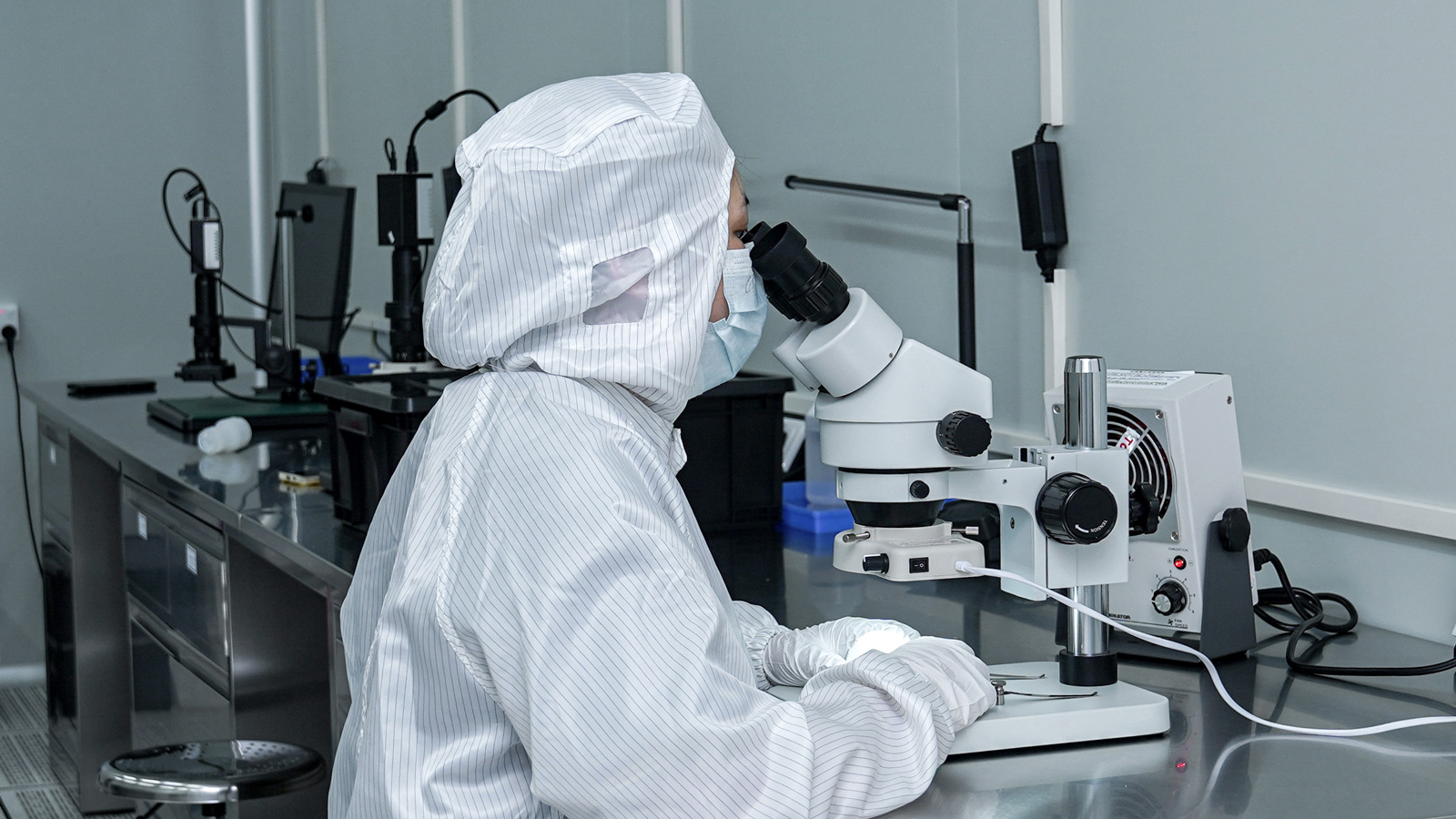
Sterile Cleanroom Production Environment

Yize Mould boasts a top-notch sterile and dust-free production environment, with a cleanroom that meets the Class 10,000 standard and is equipped with advanced air purification systems. This ensures that every detail in the production process is free from external contamination. Such an environment not only guarantees the cleanliness of our products but also provides a solid foundation for the safety and reliability of medical devices and precision communication electronics.

02

Injection Molding of Special Materials

Our company excels in the injection molding processing of special materials, with extensive experience and professional expertise. Whether it’s medical-grade PC, biocompatible materials, or other high-performance special materials such as PEEK, LCP, PPSU, etc., we can precisely control their injection molding characteristics to ensure high precision and stable performance of the products, meeting customers’ customized needs for special material products.

FAQs

As a professional OEM manufacturer, typically, you will need to provide us with 2D drawings and 3D drawings so that we can provide a mold quotation and proceed with manufacturing more quickly. Supported 2D drawing formats include AI, PDF, DWG, CAD, DXF, DLG, etc. Supported 3D drawing formats include STP, STEP, etc.

For products with less stringent precision requirements, we can provide processing services based on the sample. However, providing 2D or 3D drawings will allow us to understand your needs more accurately and provide a quotation more quickly.

We have professional mold designers and experienced technicians. We have over 150 employees and over 180 imported advanced mold manufacturing equipment. Our annual mold production capacity can reach 300 sets.

In addition to common engineering plastics, we can also process injection molding materials such as PFA (soluble polytetrafluoroethylene), FEP, PA66, PEI, PVDF, PBT, POM, PPS, PEEK, LCP, PPSU, etc.

Our factory strictly follows the drawing accuracy provided by the customer for installation and manufacturing. We will also communicate with the customer regarding the usage and precision requirements of the mold. If the mold does not meet the customer’s requirements and it is due to our manufacturing issue, we will be responsible for arranging rework. However, if the product is scrapped due to errors in the buyer’s drawings, it will be negotiated separately.

It depends on the difficulty and quantity of the product. In most cases, you will receive the samples within 40-60 days after placing the order. (However, if it coincides with holidays such as the Spring Festival or National Day, the delivery time will be extended.)

Contact us
We provide free quote!

ESG