Menu
Close
- Home
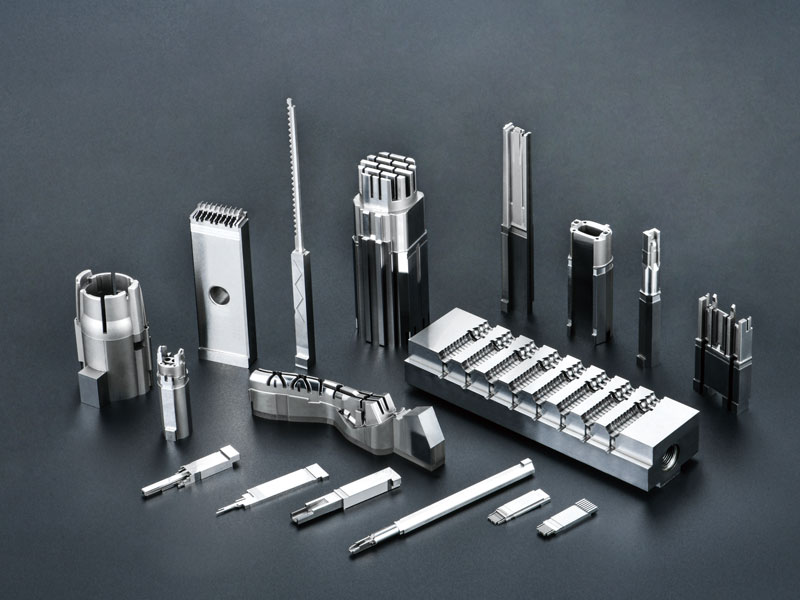
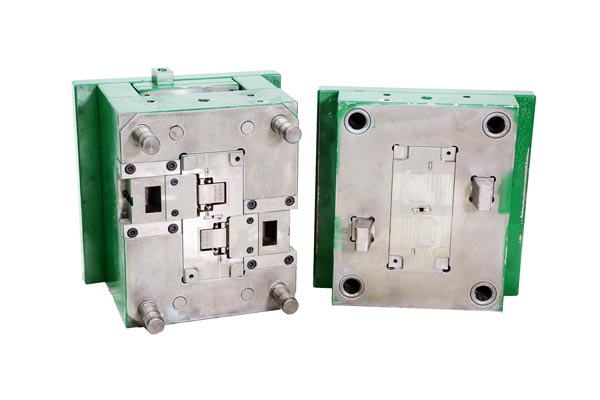
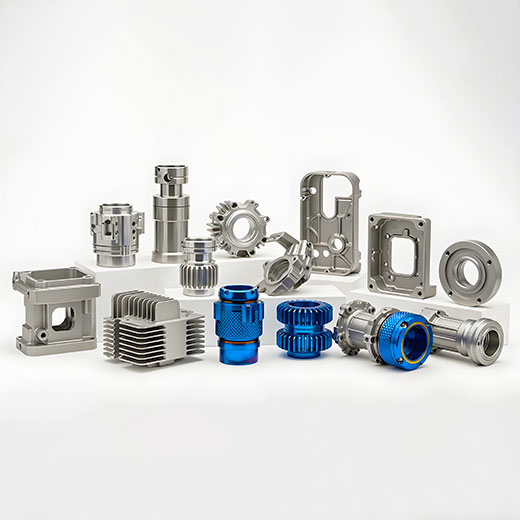
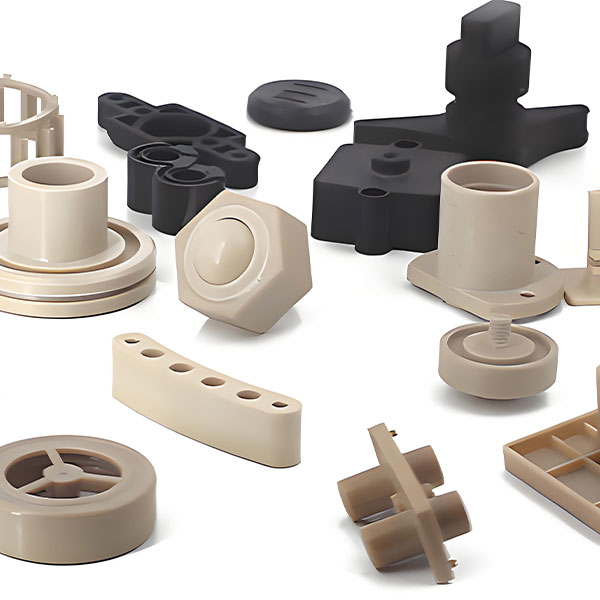
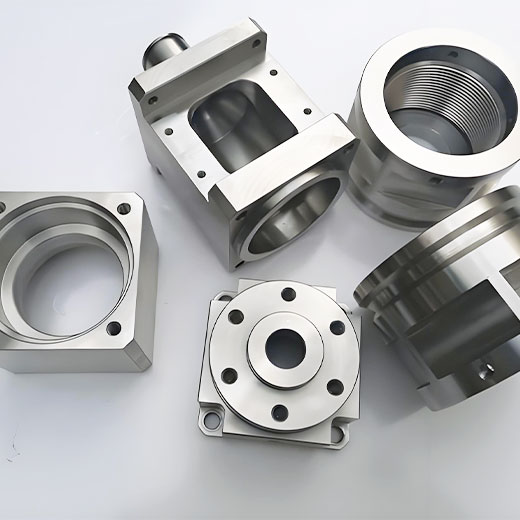
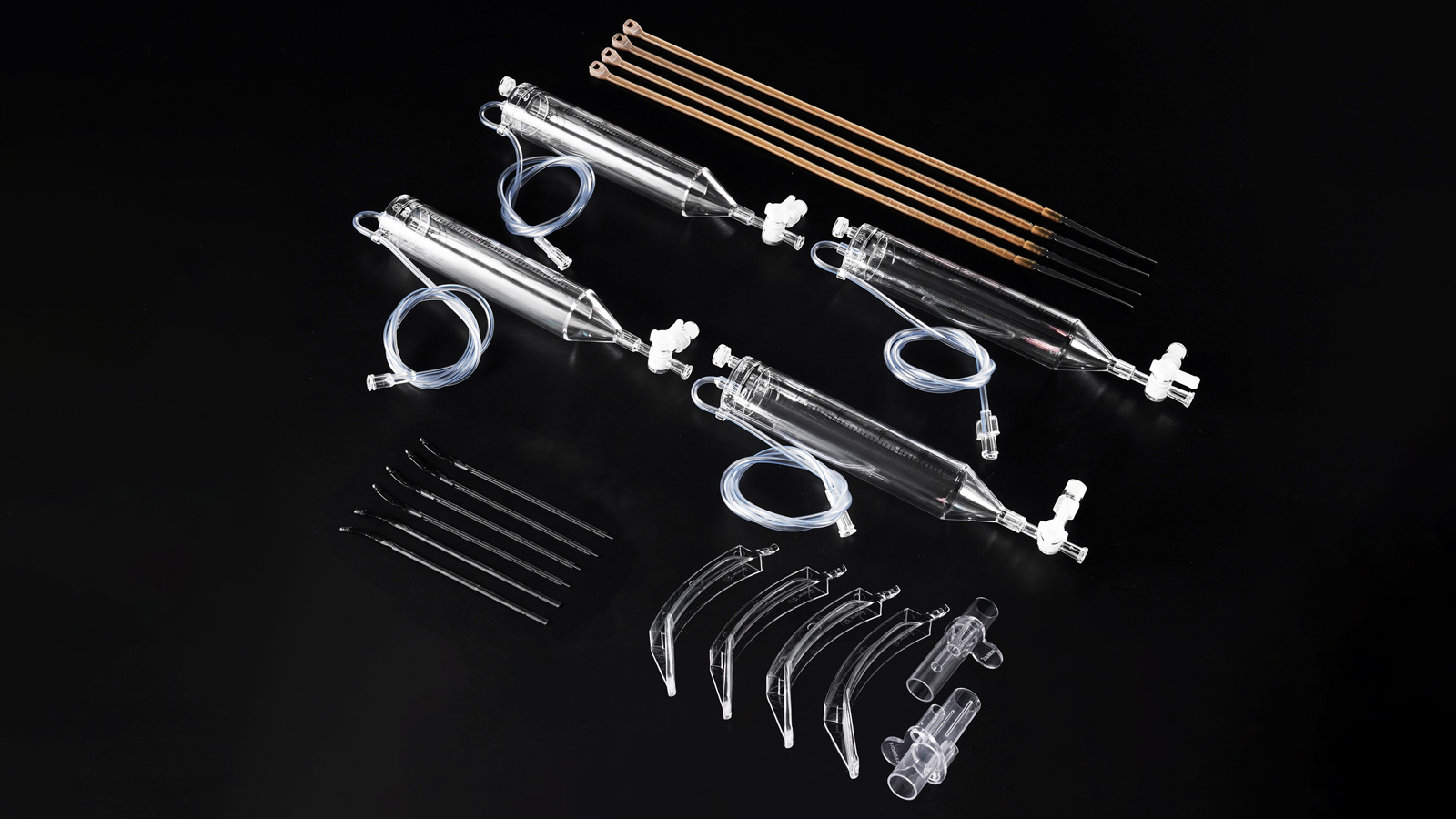
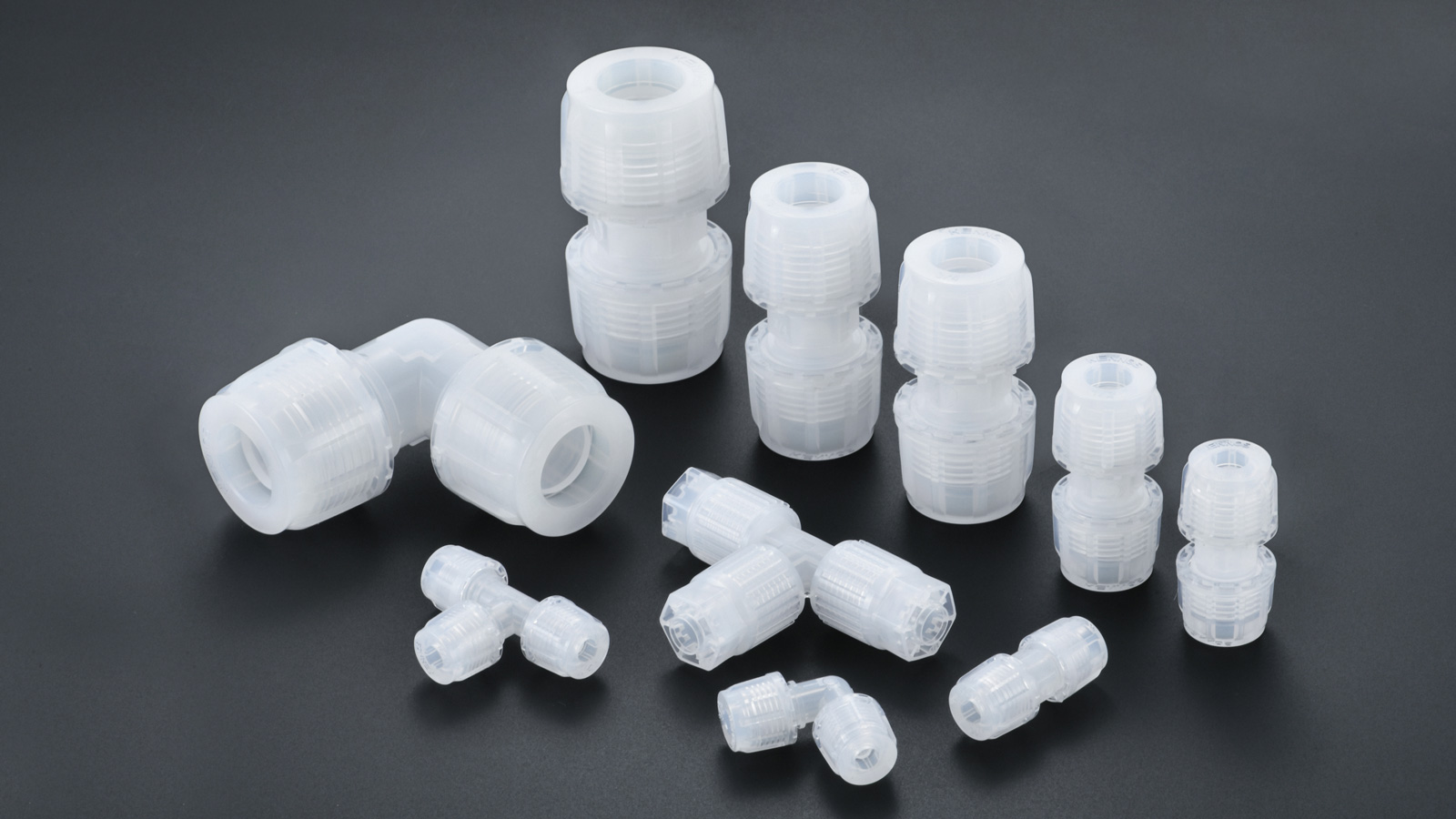
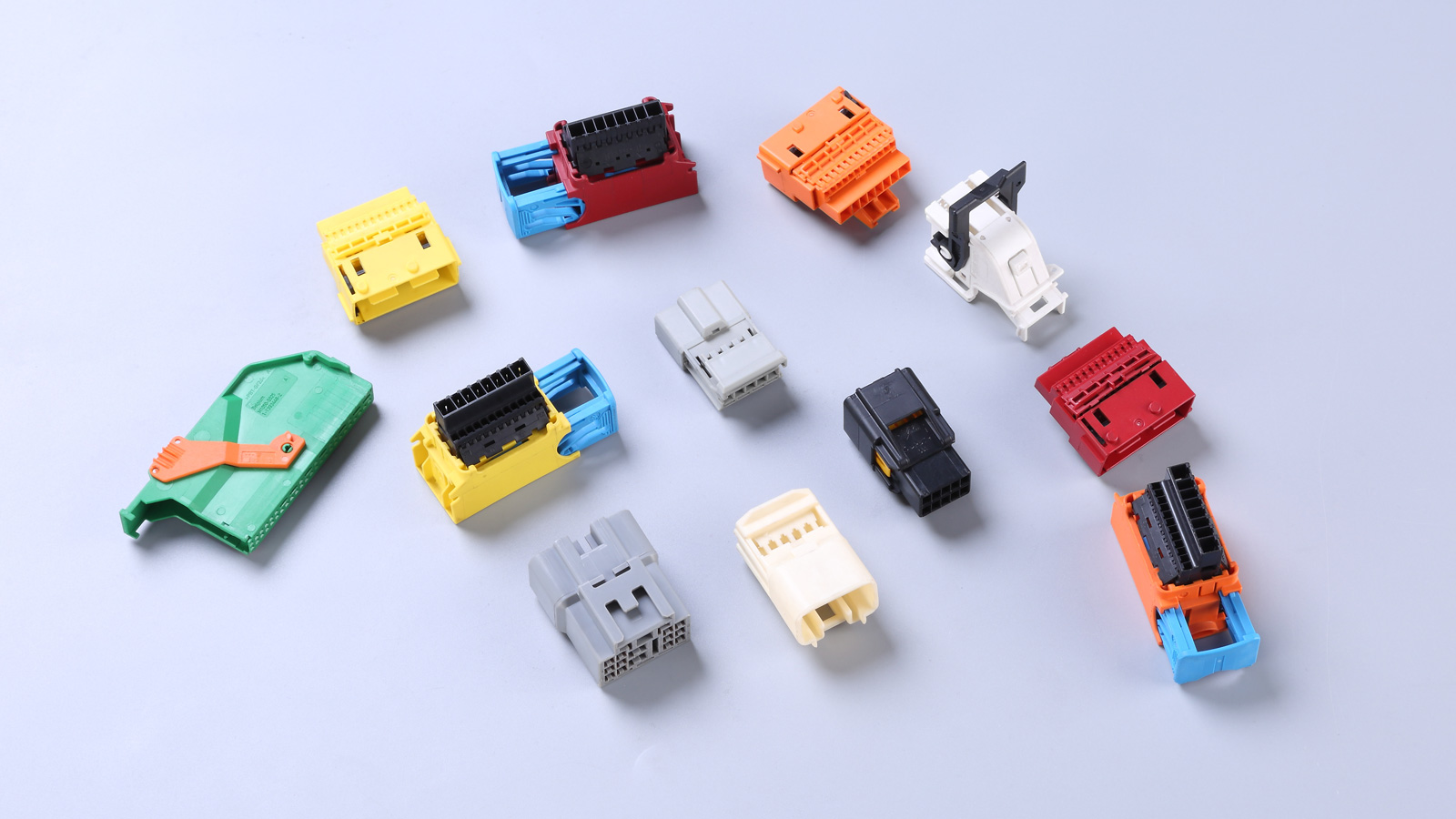
- Product ServicesOther Precision PartsVarious precision mechanical parts, Tungsten steel, carbide, mold steel, stainless steel, etc.CNC Plastic PartsVarious precision plastic mechanical parts, PC, PTFE, PEEK, ABS, POM, etc.Connector Moldincluding automotive connectors, terminal connectors, high-speed connectors, communication connectors, energy storage connectors, etc.Medical MouldMedical mould for surgical instruments, syringes, catheters, medical connectors, test kits, stents, etc.Special Plastic MoldSpecial plastic precision injection molds include: PEEK/PPSU/LCP/PLA/PEI/PA/PBT/PPO/PPS/PFA/PSU/PVDF/PSF/PI/PPA Mixed: + glass fiber + carbon fiberCustom Injection MoldsInjection molding for automobiles, electronic products, new energy, etc.PEEK Injection MoldingAerospace, medical, automotive, electrical and electronic, oil and gas, food and beverage, and industrial equipment, etc.LCP/PBT Injection MoldingHigh-performance connectors, electronic device enclosures, automotive electronic system components, optical fiber parts, industrial pump and valve components, home appliance parts, etc.PPSU/PPS Injection MoldingHigh-temperature sterilized medical devices, aircraft interiors, automotive fuel system parts, high-precision electronic connectors, industrial pumps & valves and 5G communication parts, etc.PEI/PI Injection MoldingAircraft interiors, flexible printed circuit boards, engine components, 5G equipment, pump and valve components, high-temperature electrical appliances, and optical instruments, etc.PA/PSP Injection MoldingEngine components, automotive electronic enclosures, electrical connectors, mechanical parts, medical devices, food packaging materials, and high-strength aerospace components, etc.PFA/PVDF Injection MoldingCorrosion-resistant pipes, valves, seals, cable insulation, filters, liquid transportation systems, chemical reactor components, and battery separators, etc.PFA flare fittingsPFA beaded fittingsPFA needle valvesInfusion and Respiratory SystemsIV tubing, urinary catheter, suction tube, sealing connector, stopcock, tubing connector, breathing maskSurgical & Implantable ProductsSurgical suction hoods, negative pressure drainage devices, sealing gaskets, artificial joint cushioning componentsDiagnostic & Laboratory ProductsMedical sealing gaskets, reagent bottle stoppers, microfluidic chip components, precision seals, sample bottle capsWearable Medical DevicesHousings for medical monitoring patches, smart thermometers, sealing rings for oximeters, kits for wearable rehabilitation devicesInfant and Child Care ProductsMedicine feeders, baby nasal aspirators, anti-choking valves, infant oral care products, breast pump components, breast padsMedical SuppliesBiological consumables, pathological and morphological consumables, etc.Medical DevicesSyringes, infusion devices, surgical instruments, components for in vitro diagnostic equipment, artificial joints, dental equipment, drug delivery systems, medical filters, etc.Medical LSR Molded ProductsDental instruments, Endoscope handle, Medical syringe, Infusion pump seals, Vascular catheter, Urinary catheter, etc.Metal Injection MoldingWidely applied in industries such as healthcare, automotive, electronic communications, consumer electronics, and industrial equipmentMetal Injection MoldWidely applied in industries such as healthcare, automotive, electronic communications, consumer electronics, and industrial equipment
- Solutions
- Management
- News
- About Us
- Contact Us
- ESG
- Chinese



- Home
- Product ServicesOther Precision PartsVarious precision mechanical parts, Tungsten steel, carbide, mold steel, stainless steel, etc.CNC Plastic PartsVarious precision plastic mechanical parts, PC, PTFE, PEEK, ABS, POM, etc.Connector Moldincluding automotive connectors, terminal connectors, high-speed connectors, communication connectors, energy storage connectors, etc.Medical MouldMedical mould for surgical instruments, syringes, catheters, medical connectors, test kits, stents, etc.Special Plastic MoldSpecial plastic precision injection molds include: PEEK/PPSU/LCP/PLA/PEI/PA/PBT/PPO/PPS/PFA/PSU/PVDF/PSF/PI/PPA Mixed: + glass fiber + carbon fiberCustom Injection MoldsInjection molding for automobiles, electronic products, new energy, etc.PEEK Injection MoldingAerospace, medical, automotive, electrical and electronic, oil and gas, food and beverage, and industrial equipment, etc.LCP/PBT Injection MoldingHigh-performance connectors, electronic device enclosures, automotive electronic system components, optical fiber parts, industrial pump and valve components, home appliance parts, etc.PPSU/PPS Injection MoldingHigh-temperature sterilized medical devices, aircraft interiors, automotive fuel system parts, high-precision electronic connectors, industrial pumps & valves and 5G communication parts, etc.PEI/PI Injection MoldingAircraft interiors, flexible printed circuit boards, engine components, 5G equipment, pump and valve components, high-temperature electrical appliances, and optical instruments, etc.PA/PSP Injection MoldingEngine components, automotive electronic enclosures, electrical connectors, mechanical parts, medical devices, food packaging materials, and high-strength aerospace components, etc.PFA/PVDF Injection MoldingCorrosion-resistant pipes, valves, seals, cable insulation, filters, liquid transportation systems, chemical reactor components, and battery separators, etc.PFA flare fittingsPFA beaded fittingsPFA needle valvesInfusion and Respiratory SystemsIV tubing, urinary catheter, suction tube, sealing connector, stopcock, tubing connector, breathing maskSurgical & Implantable ProductsSurgical suction hoods, negative pressure drainage devices, sealing gaskets, artificial joint cushioning componentsDiagnostic & Laboratory ProductsMedical sealing gaskets, reagent bottle stoppers, microfluidic chip components, precision seals, sample bottle capsWearable Medical DevicesHousings for medical monitoring patches, smart thermometers, sealing rings for oximeters, kits for wearable rehabilitation devicesInfant and Child Care ProductsMedicine feeders, baby nasal aspirators, anti-choking valves, infant oral care products, breast pump components, breast padsMedical SuppliesBiological consumables, pathological and morphological consumables, etc.Medical DevicesSyringes, infusion devices, surgical instruments, components for in vitro diagnostic equipment, artificial joints, dental equipment, drug delivery systems, medical filters, etc.Medical LSR Molded ProductsDental instruments, Endoscope handle, Medical syringe, Infusion pump seals, Vascular catheter, Urinary catheter, etc.Metal Injection MoldingWidely applied in industries such as healthcare, automotive, electronic communications, consumer electronics, and industrial equipmentMetal Injection MoldWidely applied in industries such as healthcare, automotive, electronic communications, consumer electronics, and industrial equipment
- Solutions
- Management
- News
- About Us
- Contact Us
- ESG
- Chinese