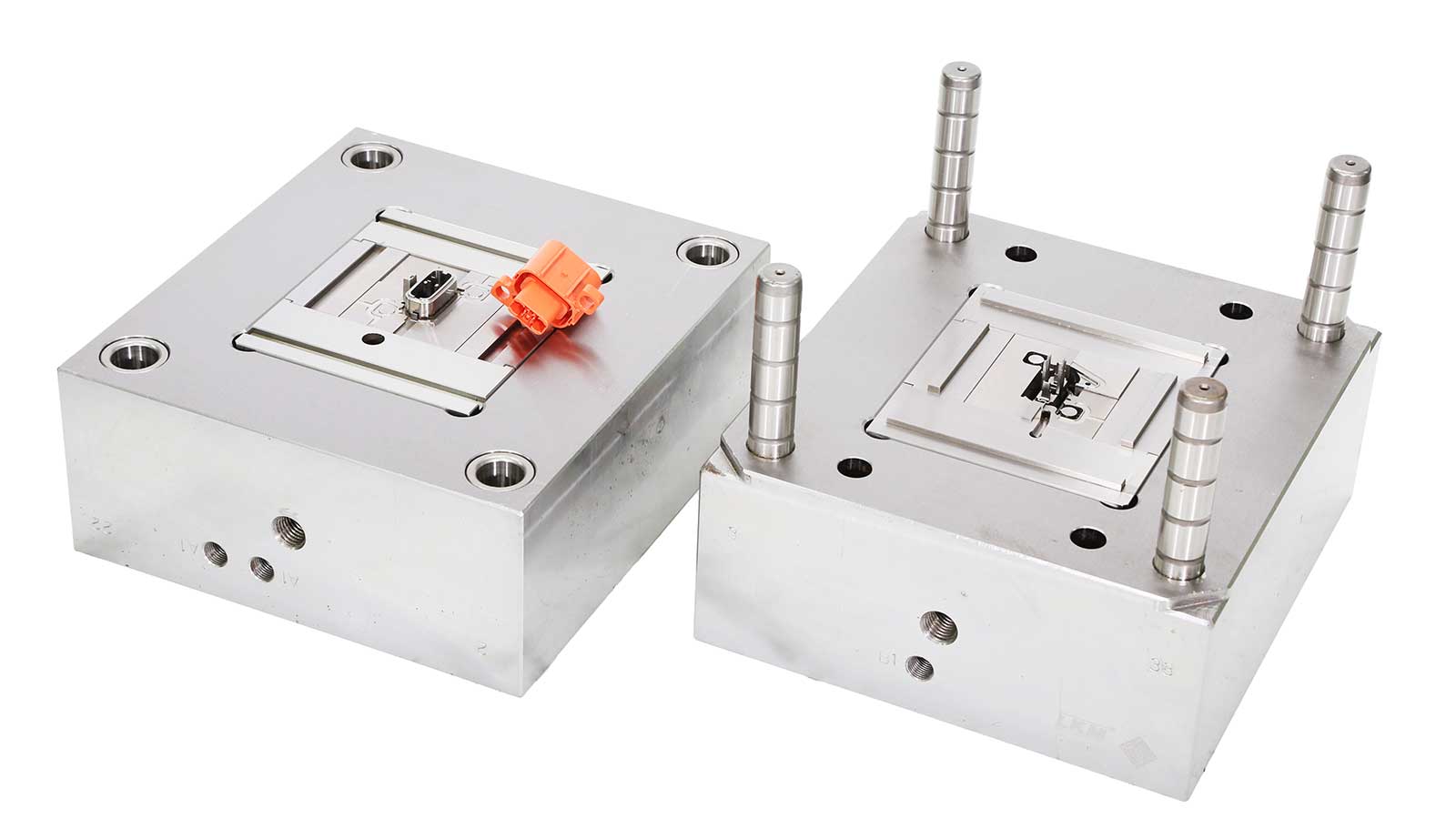
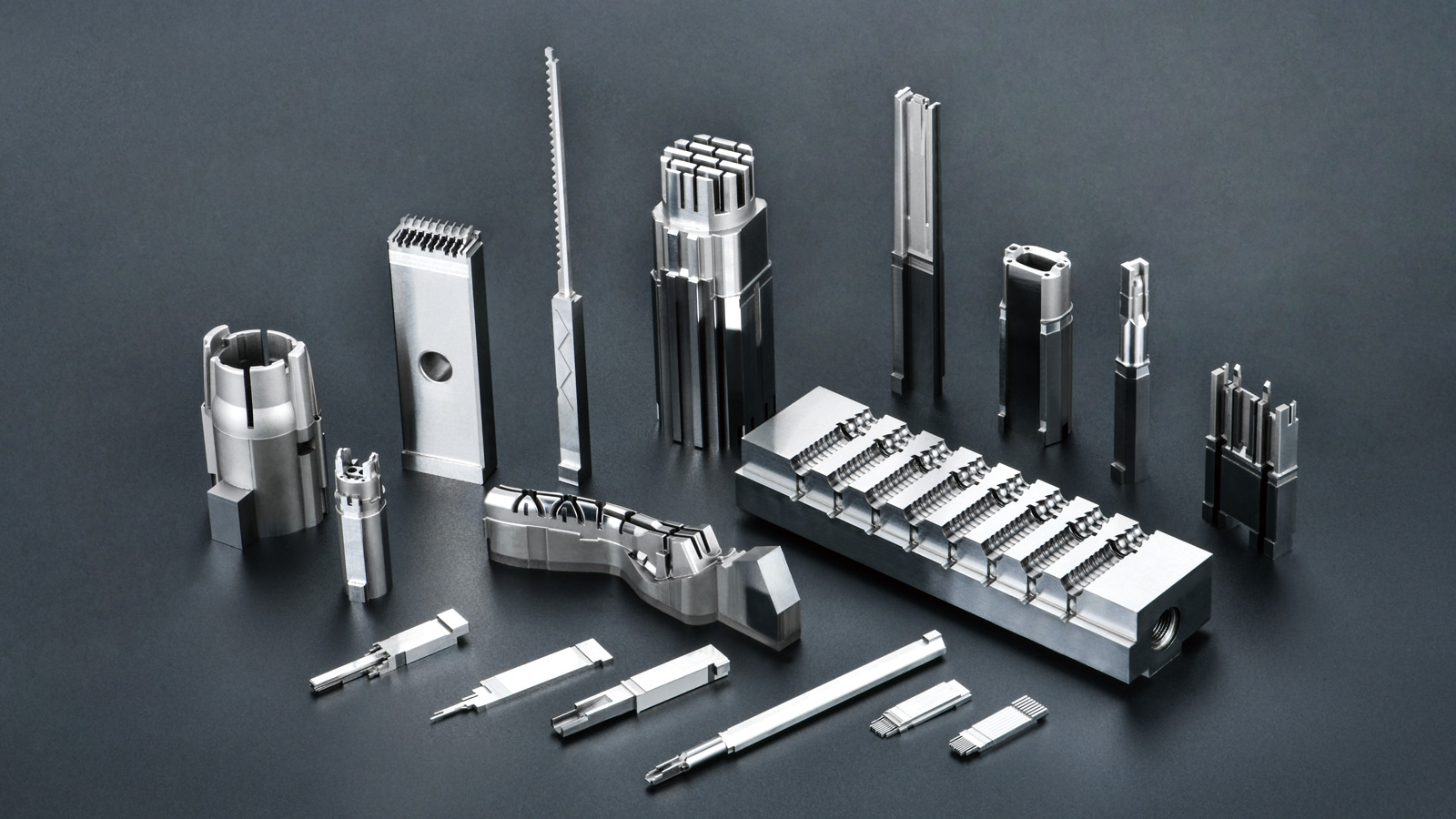
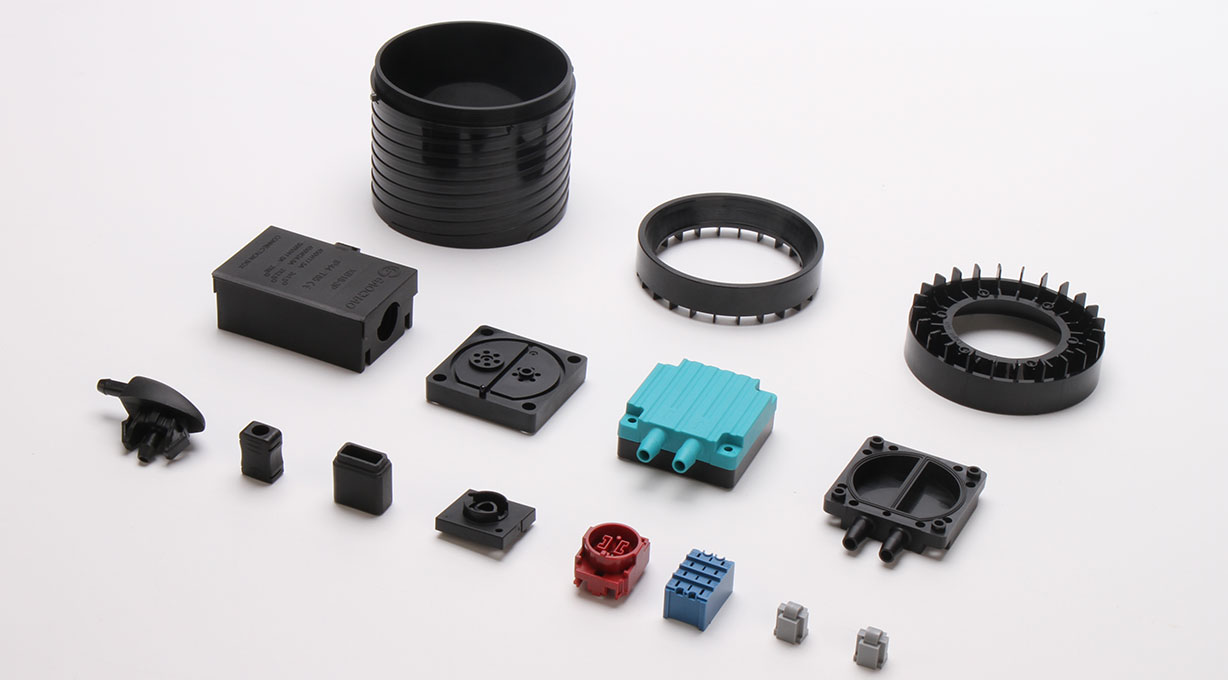





In the production and assembly process of injection-molded parts molds, every detail is crucial for the quality and performance of the final products. The following will provide an in-depth analysis of the key points in the production and assembly of injection-molded parts molds, including benchmarks, precision requirements, and repair and fitting principles, to help enterprises improve their mold production and assembly levels and ensure excellent product quality.
I. Production and Assembly Benchmarks for Injection-Molded Parts Molds
- Core Benchmark Parts Positioning: In the production and assembly process of injection-molded parts molds, core and cavity inserts and inserts are established as the core benchmark parts for assembly. All other mold parts are precisely configured and assembled around these benchmark parts. This benchmark-setting approach is like building a sturdy framework for the entire assembly process, ensuring that each part can be accurately connected in terms of spatial position and laying a solid foundation for the subsequent realization of mold functions.
- Benchmark Point Trimming and Assembly: Using guide posts and guide bushings or the side reference surfaces of the mold plates as the key benchmark points for assembly, detailed trimming and assembly operations are carried out. Guide posts and guide bushings are critical components for the motion guidance of the mold, and their precision directly affects the smoothness and accuracy of the mold’s opening and closing actions. The side reference surfaces of the mold plates provide important planar positioning references for the overall structure of the mold. By conducting assembly work based on these benchmark points, the relative positional accuracy among various mold parts can be effectively guaranteed, thereby improving the overall assembly quality of the mold.
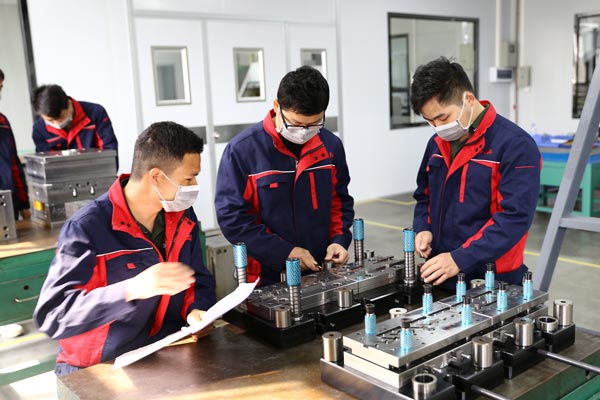
II. Production and Assembly Precision for Injection-Molded Parts Molds
- Precision Control of Part Fitting: The fitting precision of each part covers multiple key indicators such as parallelism, perpendicularity, and flatness. Parallelism ensures that parallel parts in the mold maintain an accurate parallel relationship, preventing mold motion obstruction or product molding defects caused by parallelism deviations. Perpendicularity guarantees that vertically arranged parts have an accurate perpendicular relationship, which is crucial for the stable operation of the mold and the dimensional accuracy of the product. Flatness requires the mold surface to be flat and smooth, preventing surface unevenness from affecting the product’s appearance quality and demolding performance.
- Relative Motion Precision Assurance: Relative motion precision primarily concerns the transmission system’s precision, including uniform linear and rotational motion. In the mold’s transmission system, such as the ejection mechanism and side core-pulling mechanism, the precision of uniform linear motion directly affects the smoothness and accuracy of the product’s ejection and side core-pulling actions. The precision of rotational motion is extremely important for molds with rotating parts (such as rotating demolding molds), ensuring that the rotating parts maintain a stable rotational speed and accurate rotational angle during motion, and preventing product damage or mold failure caused by insufficient motion precision.
- Fitting and Contact Precision Optimization: Fitting and contact precision include elements such as fitting clearances, interference fits, and contact conditions. A reasonable fitting clearance can ensure smooth relative motion between mold parts while preventing material leakage or product dimensional deviations caused by excessive clearances. Precise control of interference fits ensures that parts requiring a tight fit are firmly connected, transmitting sufficient power and torque. Good contact conditions ensure that all parts of the mold accurately contact each other when closed, achieving sealing and molding functions, and preventing defects such as flash and burrs on the product caused by poor contact.
- Thickness Control of Plastic Molded Parts: For the thickness dimensions of plastic molded parts, when manufacturing a new mold, the wall thickness of the molded part should tend towards the lower limit of the specification. This principle helps reduce material consumption and production costs while ensuring the basic strength and functionality of the product. It also improves the molding efficiency and quality stability of the product.
III. Repair and Fitting Principles for Injection-Molded Parts Molds
- Precise Setting of Demolding Taper: In the production of injection-molded parts molds, the setting of the demolding taper is crucial. In principle, the large end dimension of the cavity should be within the tolerance range of the product’s standard dimensions, and the small end dimension of the core should be within the tolerance range of the product’s standard dimensions. A reasonable demolding taper ensures that the product can be smoothly demolded, preventing surface scratches, deformation, and other defects on the product caused by difficult demolding, and also helping to extend the service life of the mold.
- Reasonable Selection of Corner Fillet Radii: The selection of the fillet radii at the corners should follow certain principles. The fillet radius of the cavity should be relatively small, and the fillet radius of the core should be relatively large. This design enables the plastic melt to better fill the corner areas during the molding process, reducing the risk of product cracking caused by stress concentration. It also facilitates the demolding of the product and the cleaning and maintenance of the mold.
- Skillful Adjustment of Parting Surface Clearances: When an injection-molded part mold has both a horizontal parting surface and a vertical parting surface, during the adjustment process, when the vertical parting surface contacts, the horizontal parting surface should have a slight clearance. This adjustment method can effectively prevent mold damage or product molding defects caused by friction and interference between the parting surfaces when the mold is closed. It also ensures the sealing performance of the mold and prevents material leakage.
- Reasonable Reservation of Clearance for Slope Locking Molds: For molds using slope locking, after the slope is sealed, a clearance of 0.02 – 0.03mm should be reserved at the parting surface. This reserved clearance provides a certain buffer space for the thermal expansion and pressure changes of the mold during the injection molding process, preventing the parting surface from jamming or excessive product dimensional deviations caused by mold deformation, and ensuring the normal operation of the mold and the stability of product quality.
- Smooth Connection between Arcs and Straight Lines: In the production of injection-molded part molds, the connection between arcs and straight lines must be smooth, and the surface should not have pits or other defects. The filing texture should be consistent with the demolding direction to reduce the frictional resistance on the product surface, prevent difficulties in demolding or surface scratches on the product, and improve the appearance quality and demolding performance of the product.