


In the field of injection mold manufacturing, quality inspection is a crucial link to ensure the performance and quality of molds, and various quality inspection equipment are indispensable “tools” in this link. Recently, while publishing a series of articles on quality inspection equipment in the injection mold manufacturing process, we couldn’t help but wonder: Why do we conduct mold quality inspections, and why do we do it so meticulously?
Limitations of Traditional Inspection and Breakthroughs of Imported Equipment
In the past, when inspecting mold water transport, we only relied on simple tools. It took 5 – 10 minutes to test each set of water transport to ensure that the mold didn’t leak. However, we knew nothing about the size of the water transport channels in injection mold manufacturing or how well the cooling function performed during injection molding. This traditional inspection method was like looking at things through a fog, only able to touch the surface and unable to gain an in-depth understanding of the core performance of mold water transport.
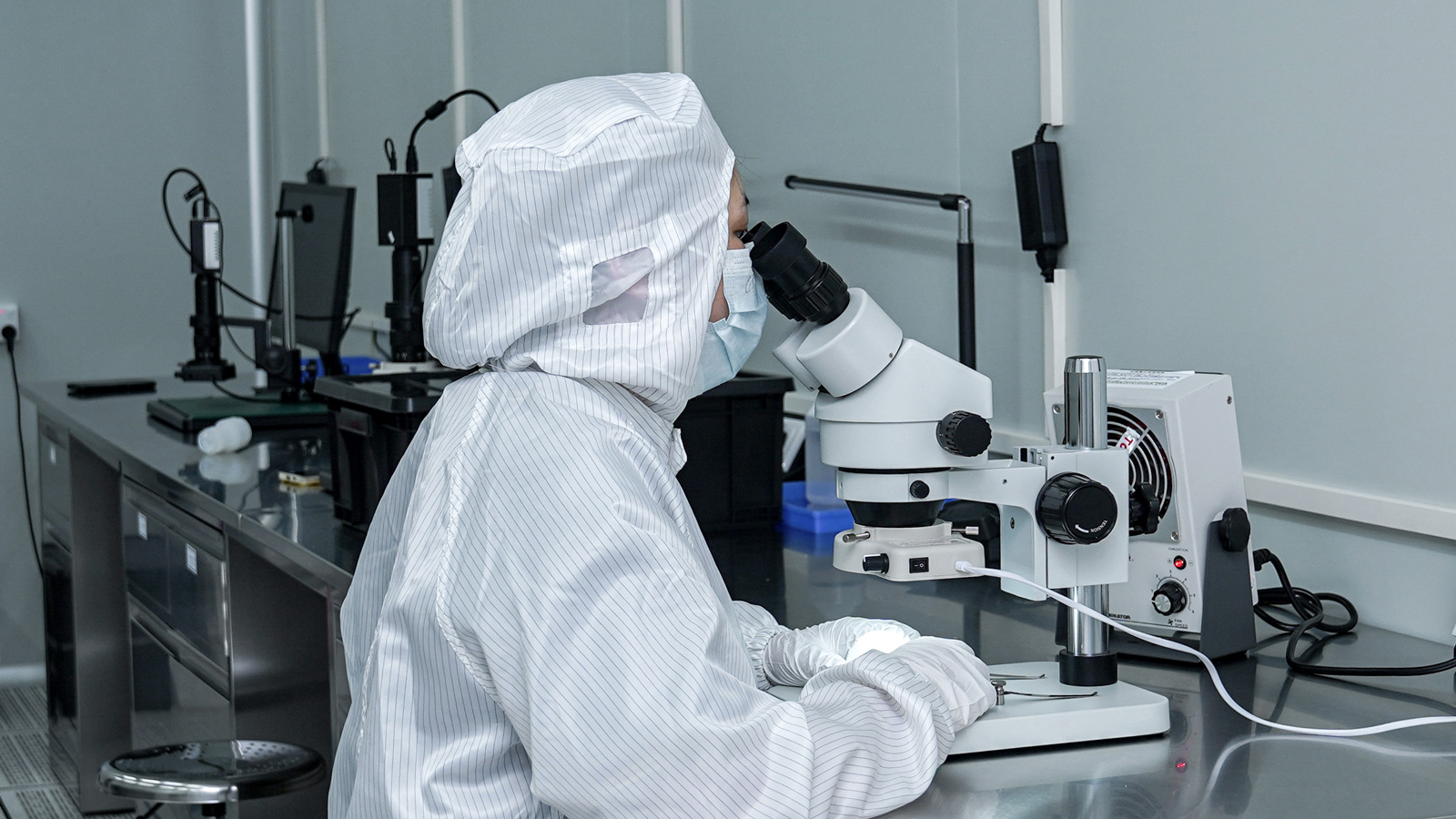
It wasn’t until the emergence of imported testers that we were able to have a more intuitive and accurate understanding of mold water transport functions. These testers can present detailed parameters of the water transport channels, allowing us to clearly know whether the cooling function meets the expected standards. Without a doubt, they are extremely practical tools for mold quality control, providing strong support for improving mold quality.

The Underlying Reasons for Choosing Imported Inspection Equipment
Some may ask, why do we have to choose imported inspection equipment? In fact, the answer is simple – because our customers are using them. In today’s fiercely competitive market environment, it is crucial to maintain a high degree of collaboration and cooperation with customers.
Using the same injection mold manufacturing standards, testing methods, and inspection equipment as our customers has many significant advantages. On the one hand, it greatly facilitates communication and understanding between the two parties. When discussing mold quality issues, based on the same inspection basis and standards, misunderstandings and differences can be avoided, making communication smoother and more efficient. On the other hand, it helps make the customer’s incoming material quality control and acceptance processes simpler and faster. Customers don’t need to spend a lot of time and energy adapting to different inspection methods and standards and can quickly and accurately complete the acceptance process. As a result, customers will naturally label the molds we produce as more “reliable,” laying a solid foundation for establishing a long-term and stable cooperative relationship between the two parties.
Helping Customers Win the Market with Quality
We are well aware that the quality of injection molds is not only related to our own reputation and development but also closely linked to our customers’ competitiveness in the market. Therefore, we have always regarded quality as our lifeline. By using advanced quality inspection equipment, we strictly control every production link to ensure that every mold has excellent quality.
We hope to become a strong backing for our customers in market competition through our high-quality products. When customers use the high-quality molds we produce for injection molding production, they can produce high-quality products, stand out in the market, and win more customers’ favor and market share.
Interactive Communication: Exploring Mold Quality Inspection Methods Together
Do you know the common quality inspection tools in injection mold manufacturing? What unique experiences and methods do you have in testing and accepting molds and injection-molded products? Welcome to leave a message in the comment section to share. Let’s explore and progress together, contributing more wisdom and strength to the development of the injection mold manufacturing industry!