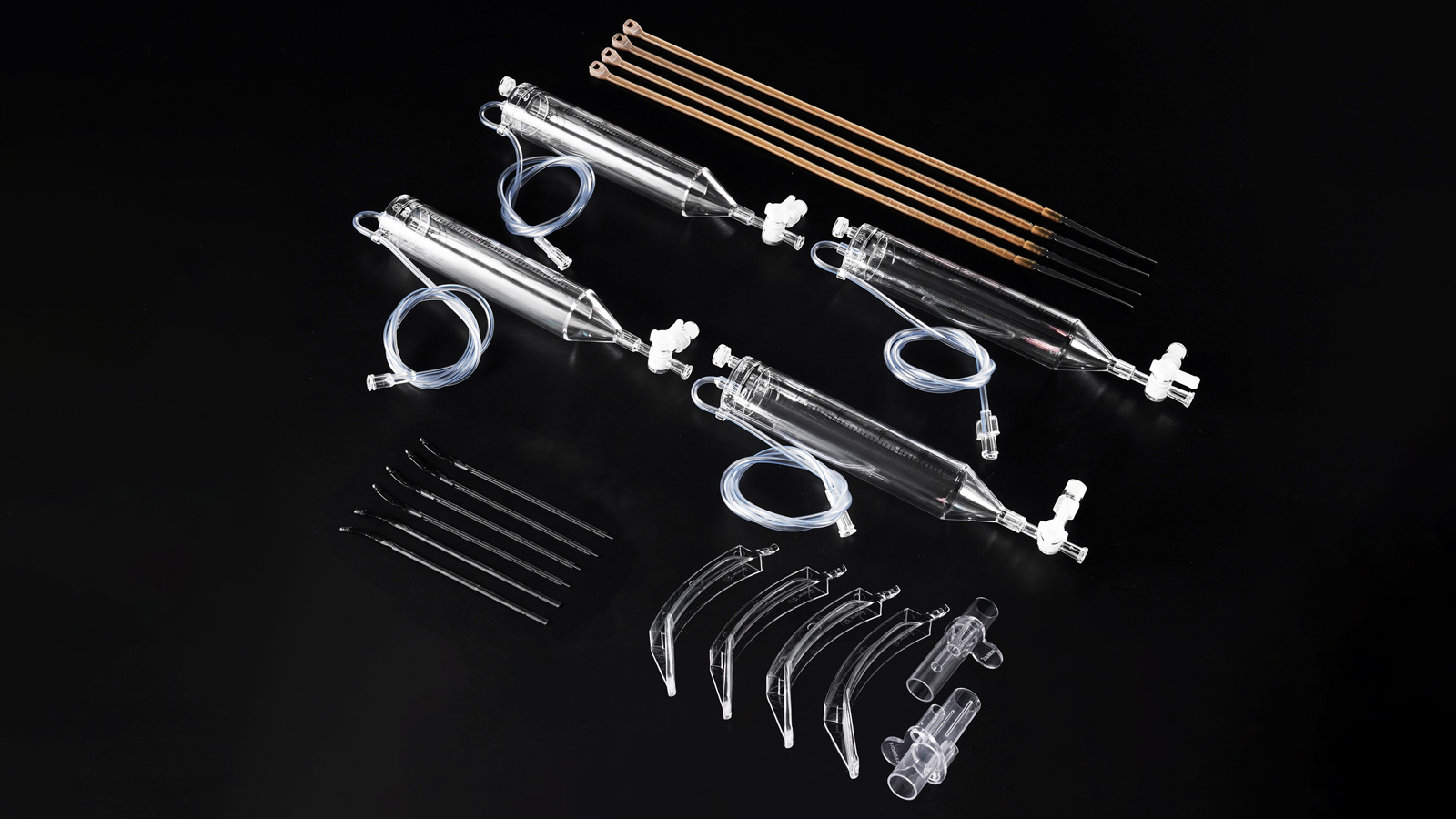
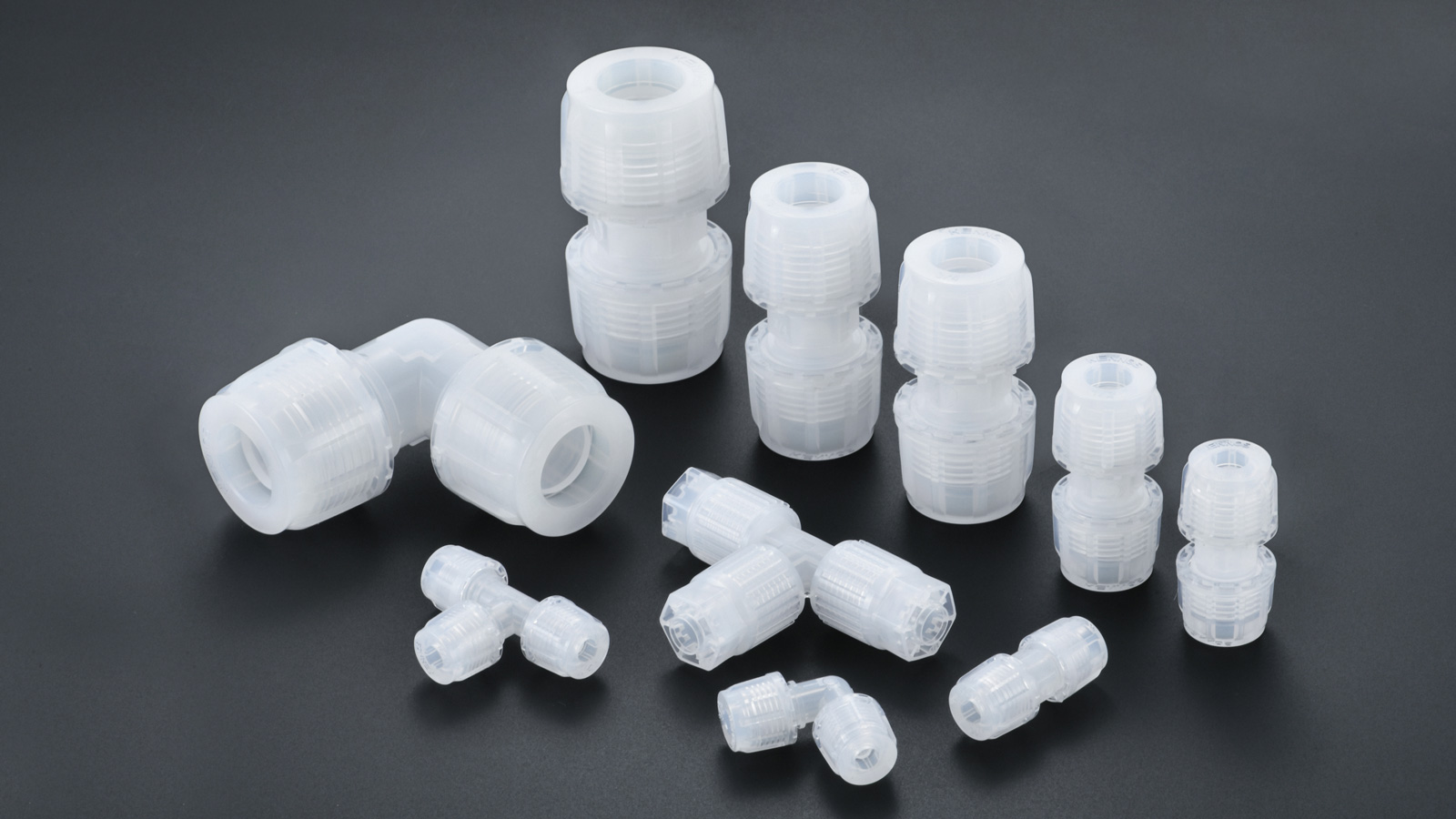
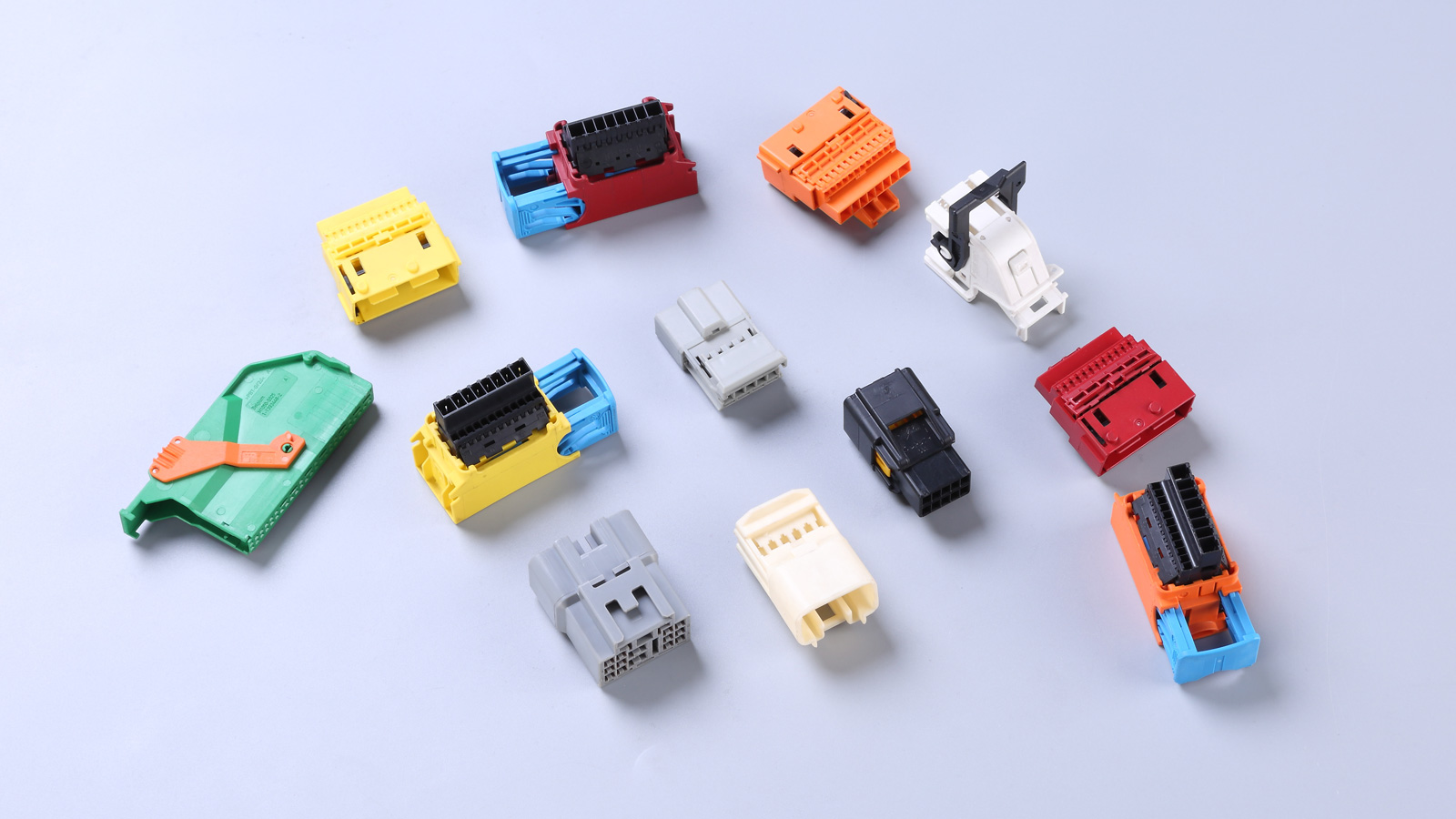
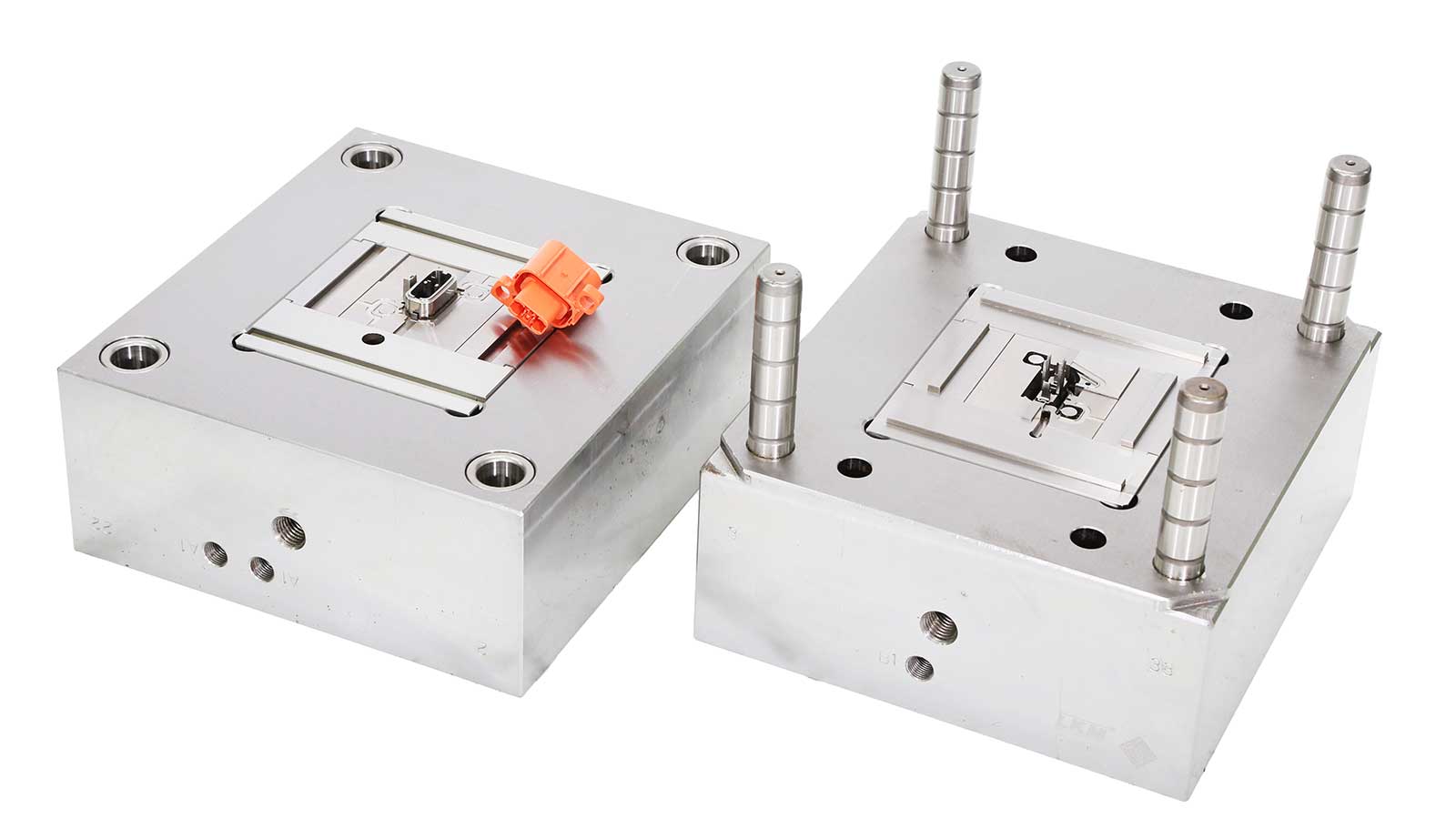
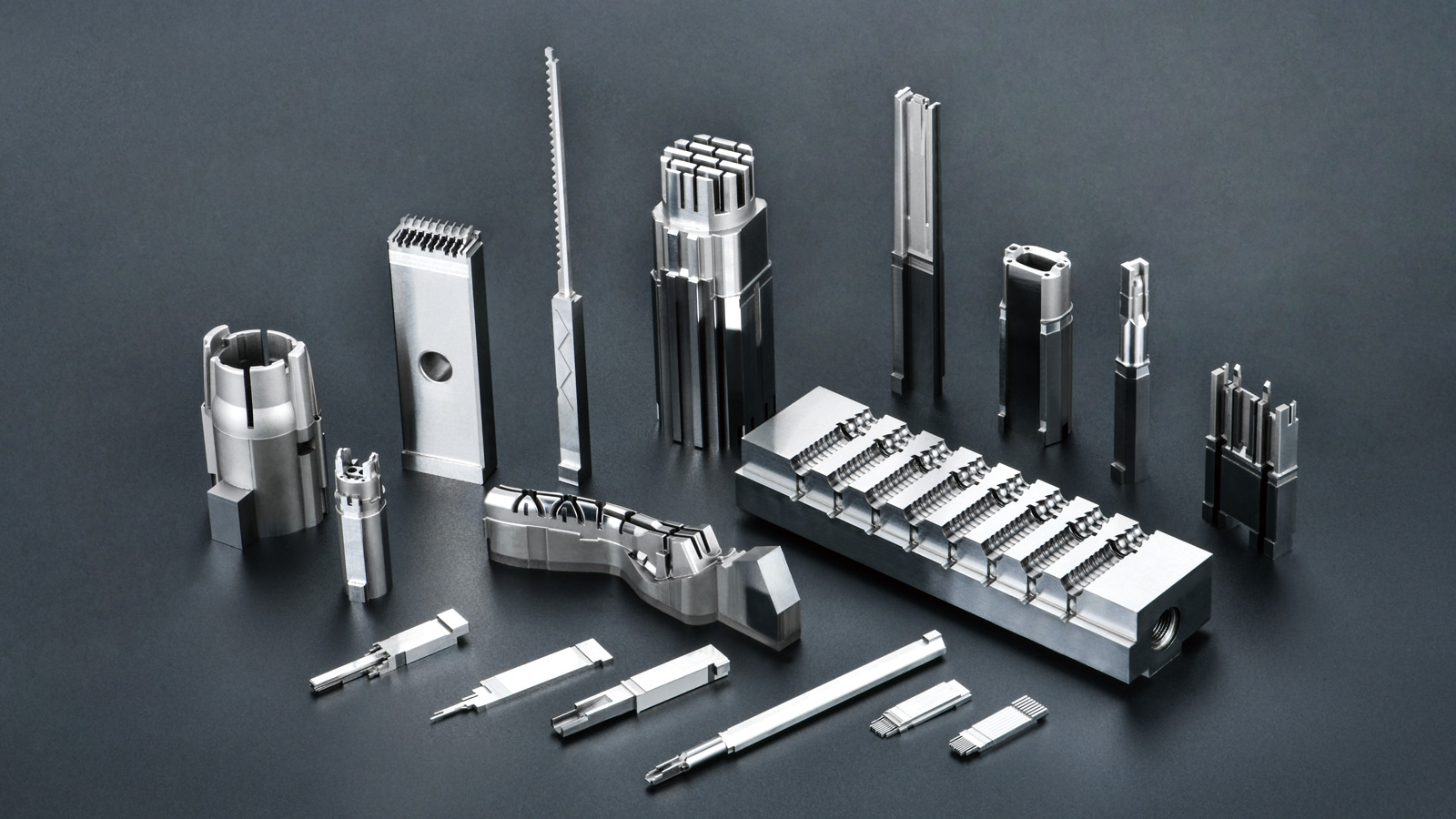
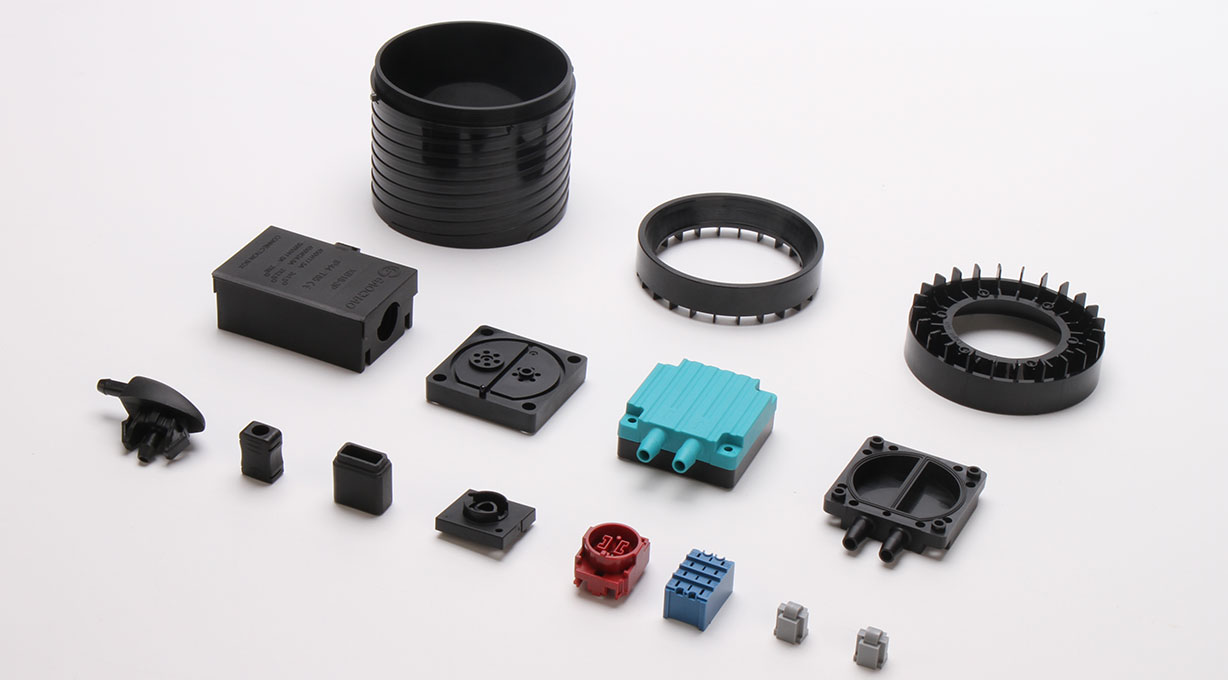
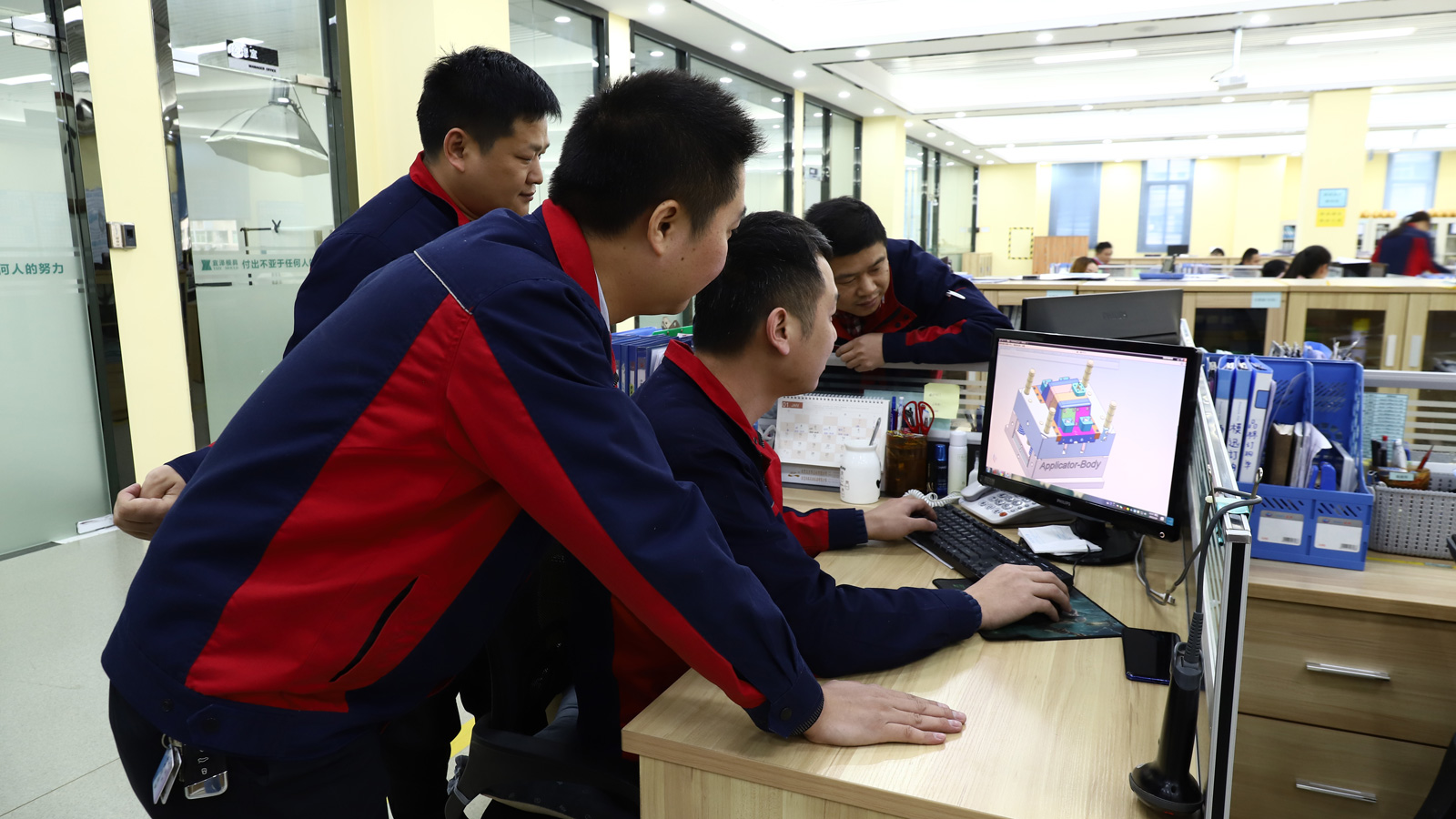
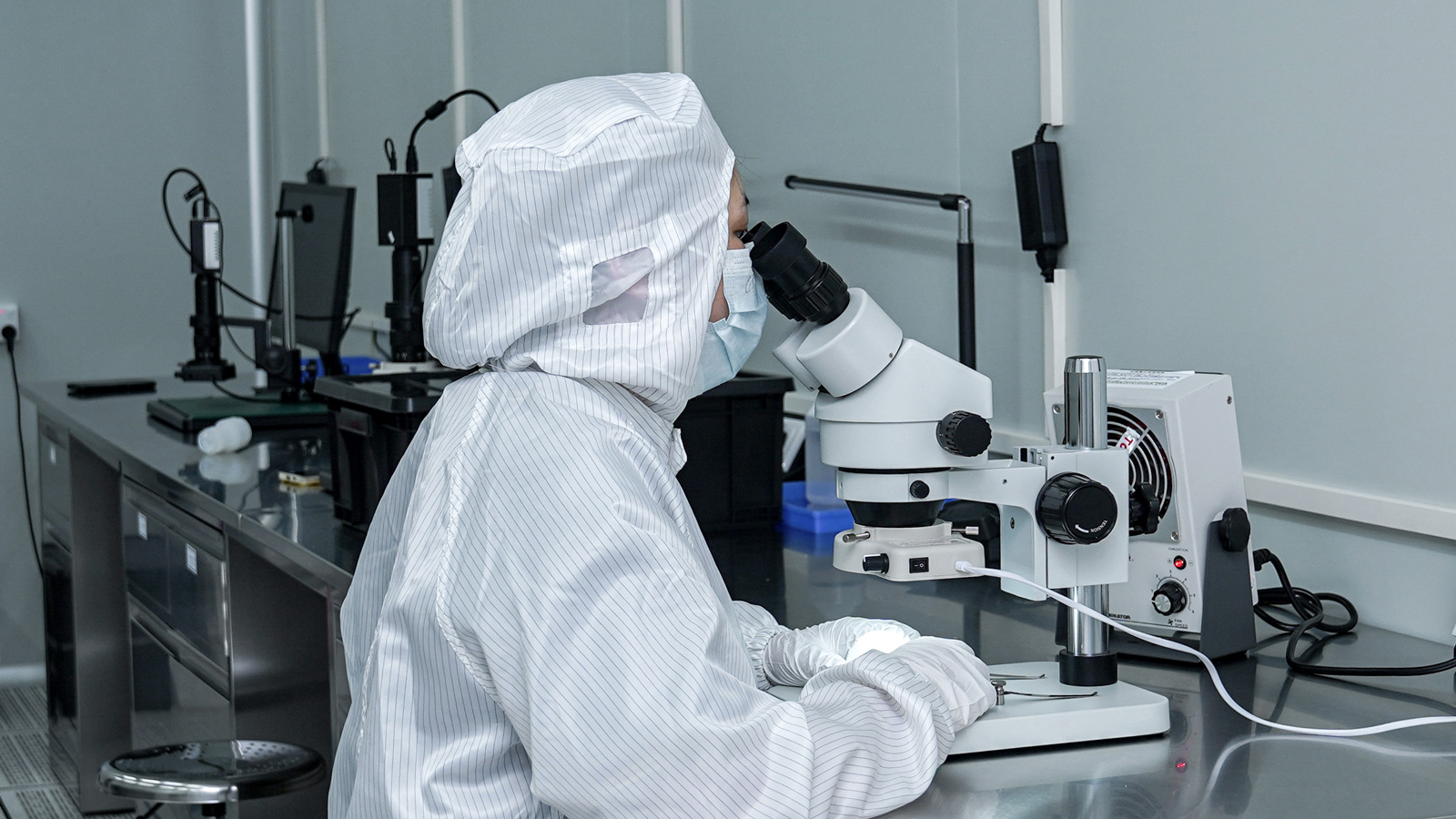


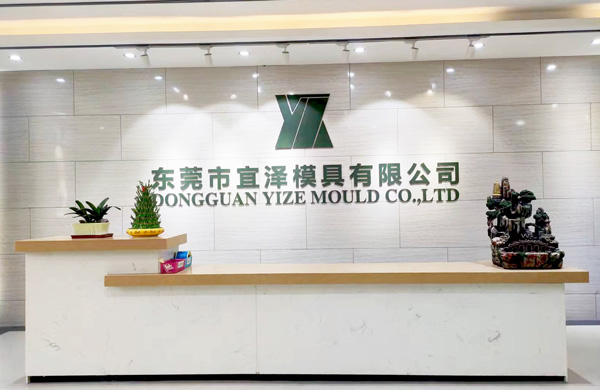
Dongguan Yize Mould, as a precision injection mold supplier certified by the ISO9001 2015 quality management system, always regards quality as the lifeblood of enterprise development, and has good quality inspection equipment. In the production of plastic parts, quality control is crucial, and in the design and manufacturing process of precision injection molds, quality is even more of a top priority, with every detail relating to the quality and performance of the final products.
In today’s increasingly competitive market, time means business opportunities. If a set of precision injection molds can quickly obtain customer approval and be put into mass production as soon as possible, the related new products will be able to seize market opportunities and gain a larger market share. Therefore, strictly controlling the quality of precision injection molds has become the key to enterprise development.
So, what are the common quality inspection equipment in the manufacturing process of precision injection molds?
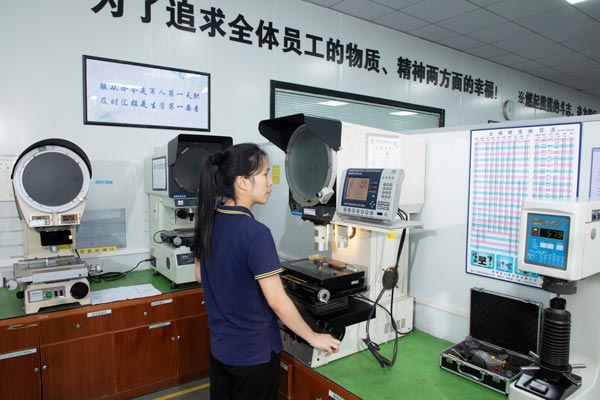
In terms of dimensional measurement, there are several practical and precise pieces of equipment. Calipers, as basic measuring tools, are easy to operate and can quickly measure the lengths, inner and outer diameters, and other dimensions of mold components, providing reliable data for preliminary quality assessments. Projectors, relying on their high-precision projection imaging technology, can accurately enlarge and project the contours of mold components onto a screen, facilitating the measurement of complex-shaped dimensions and effectively detecting whether the machining accuracy of components meets design requirements. And the coordinate measuring machine (CMM) can be regarded as the “precision master” of dimensional measurement. Through three mutually perpendicular coordinate axes, it can conduct all-round and high-precision measurements of the three-dimensional space dimensions of mold components, leaving no room for even the slightest dimensional deviations, providing extremely accurate data support for mold quality control.
In addition to the above commonly used dimensional measurement equipment, there are many other types of inspection equipment used to test different performance aspects of molds, such as steel hardness, mold water flow, electrical connection stability, and mold functionality. We will provide an in-depth analysis of these inspection equipment in subsequent content. Welcome to keep following us!