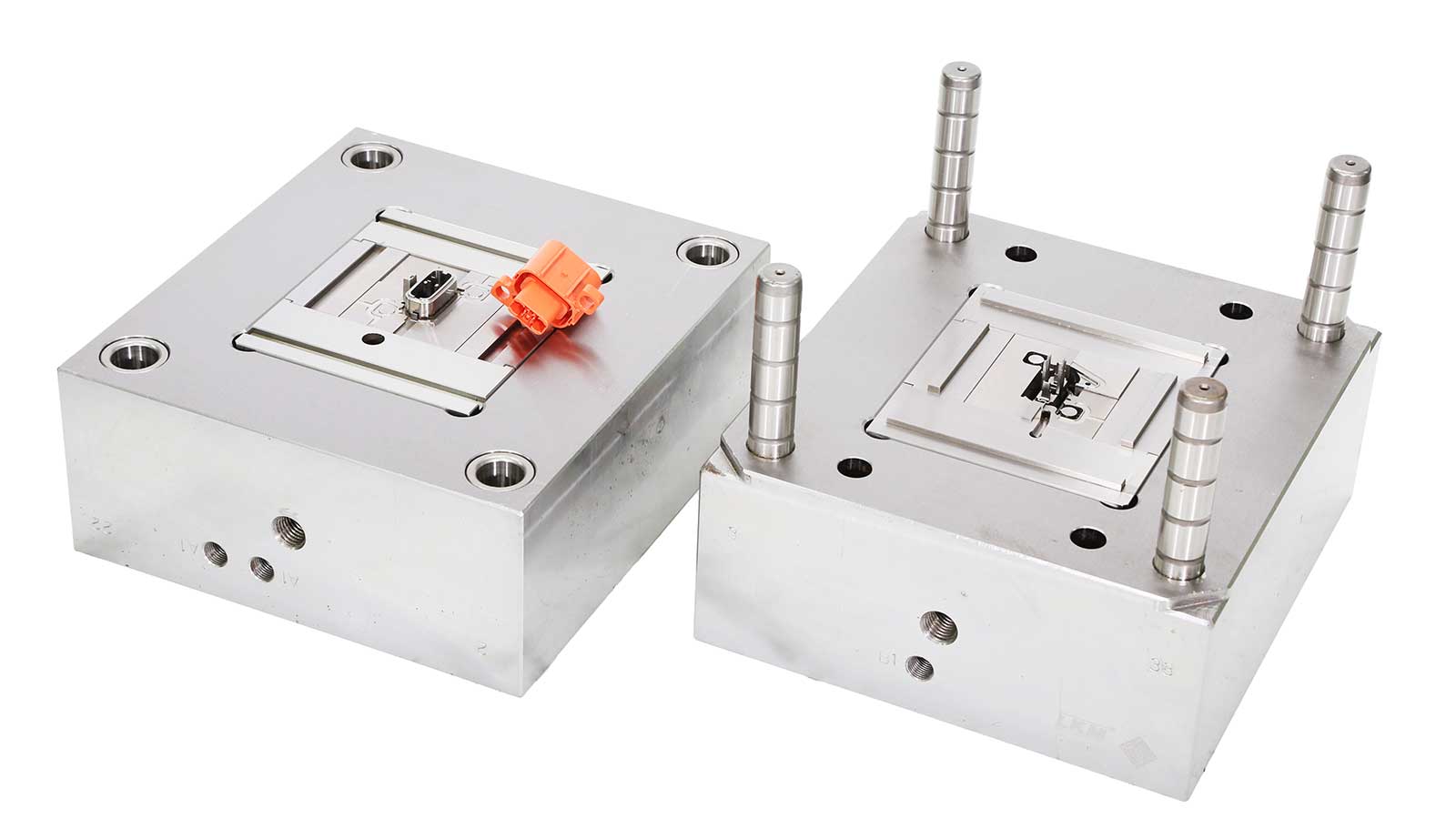


In the field of injection mold manufacturing, quality inspection is a crucial link to ensure mold performance and service life, and steel hardness testing is an indispensable part of it. The hardness of steel is of great significance as it directly reflects the steel’s ability to resist plastic deformation, penetration, and scratching.
From an engineering application perspective, the importance of steel hardness cannot be overstated. The inherent resistance of the steel surface to friction or erosion from media such as oil, steam, and water generally increases with the relative hardness of the steel. In simpler terms, the higher the hardness of the steel, the stronger its surface’s ability to withstand external erosion and wear. In the actual use of injection molds, the mold steel is required to withstand various complex stresses and harsh environments for a long time. If the hardness is insufficient, problems such as deformation and wear are prone to occur, which in turn affect the service life of the mold and the quality of injection-molded products.
For this reason, in order to ensure that the service life of injection molds meets actual usage requirements, many customers explicitly require mold manufacturers to strictly guarantee the hardness of the mold steel according to established standards. This means that during the mold processing, it is essential to conduct accurate hardness tests on the steel to safeguard the quality of injection molds.
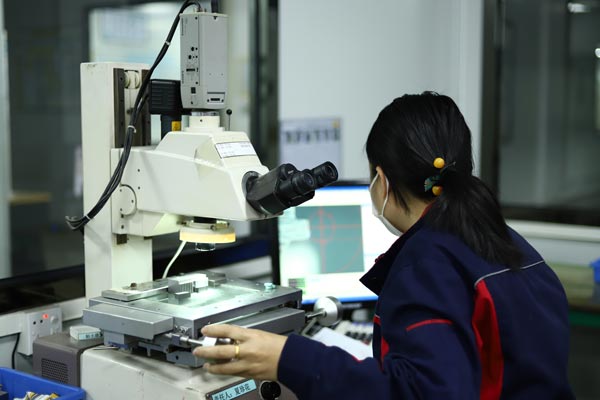
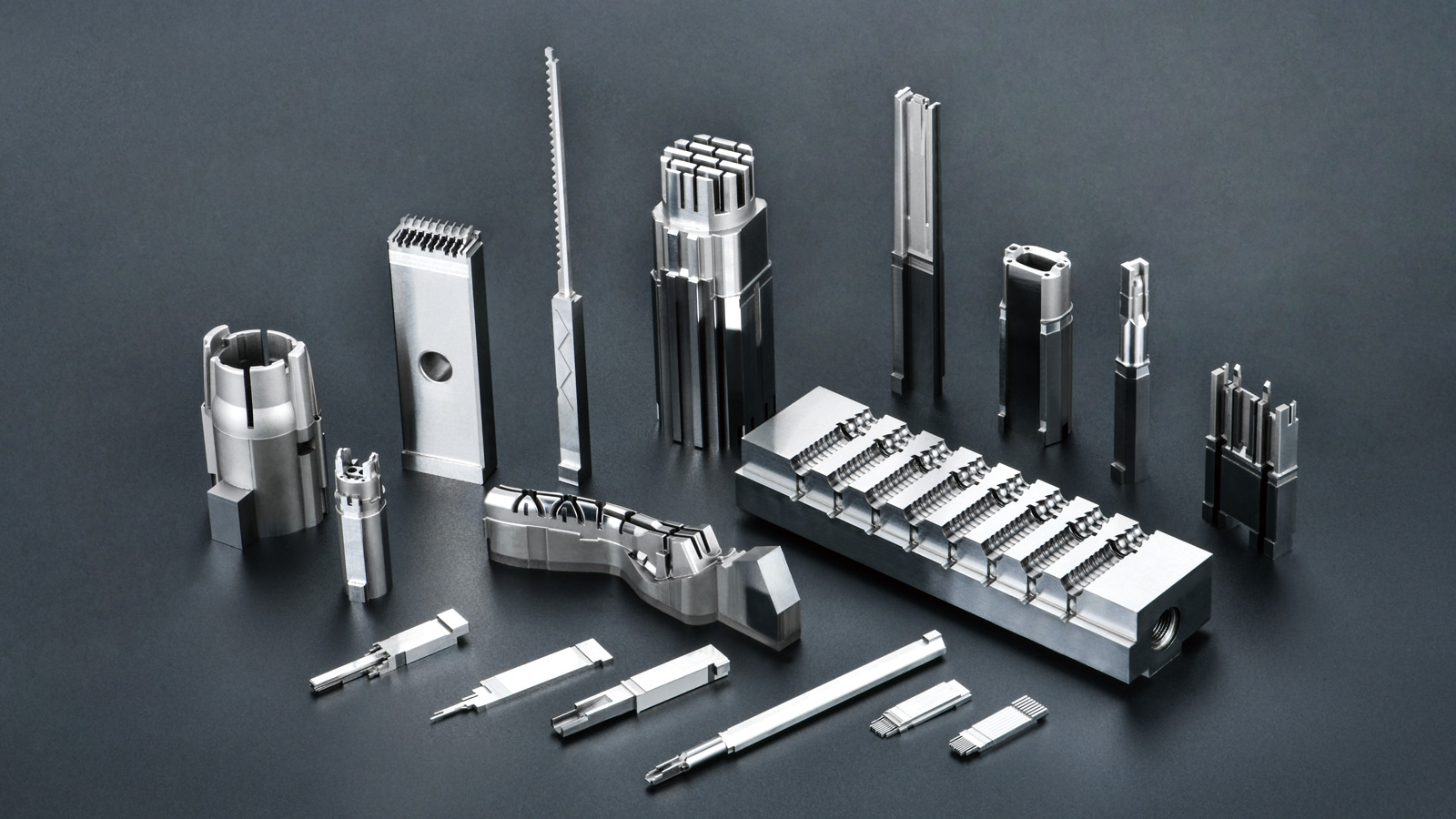
Different hardness testing equipment is used for steel materials of different sizes and shapes. For larger steel materials, such as the front and rear mold cores, main inserts, inclined tops, and slides of the mold, a portable hardness tester, as shown in the following figure, is an ideal choice. This type of hardness tester is highly flexible, and operators can easily carry it to different work scenarios to quickly complete hardness testing tasks, providing great convenience for quality control during mold processing.
For smaller mold parts, such as wear blocks, balance blocks, slide guide blocks, and small inserts, a Rockwell hardness tester is more suitable. With its precise measurement capabilities, the Rockwell hardness tester can provide reliable data for the hardness testing of small-sized mold parts, ensuring that their hardness meets design requirements.
It should be noted that the above two types of hardness testers are mainly suitable for testing steel with “flat” surfaces. When dealing with steel with circular surfaces, such as ejector pins, other specialized testing tools are required to complete the hardness testing to ensure the accuracy and comprehensiveness of the test results.
In addition to the common hardness testing equipment mentioned above, are there any other testing tools for inspecting the hardness of injection mold steel? Feel free to leave a message and share your insights, and let’s explore the mysteries of quality inspection in injection mold manufacturing together.