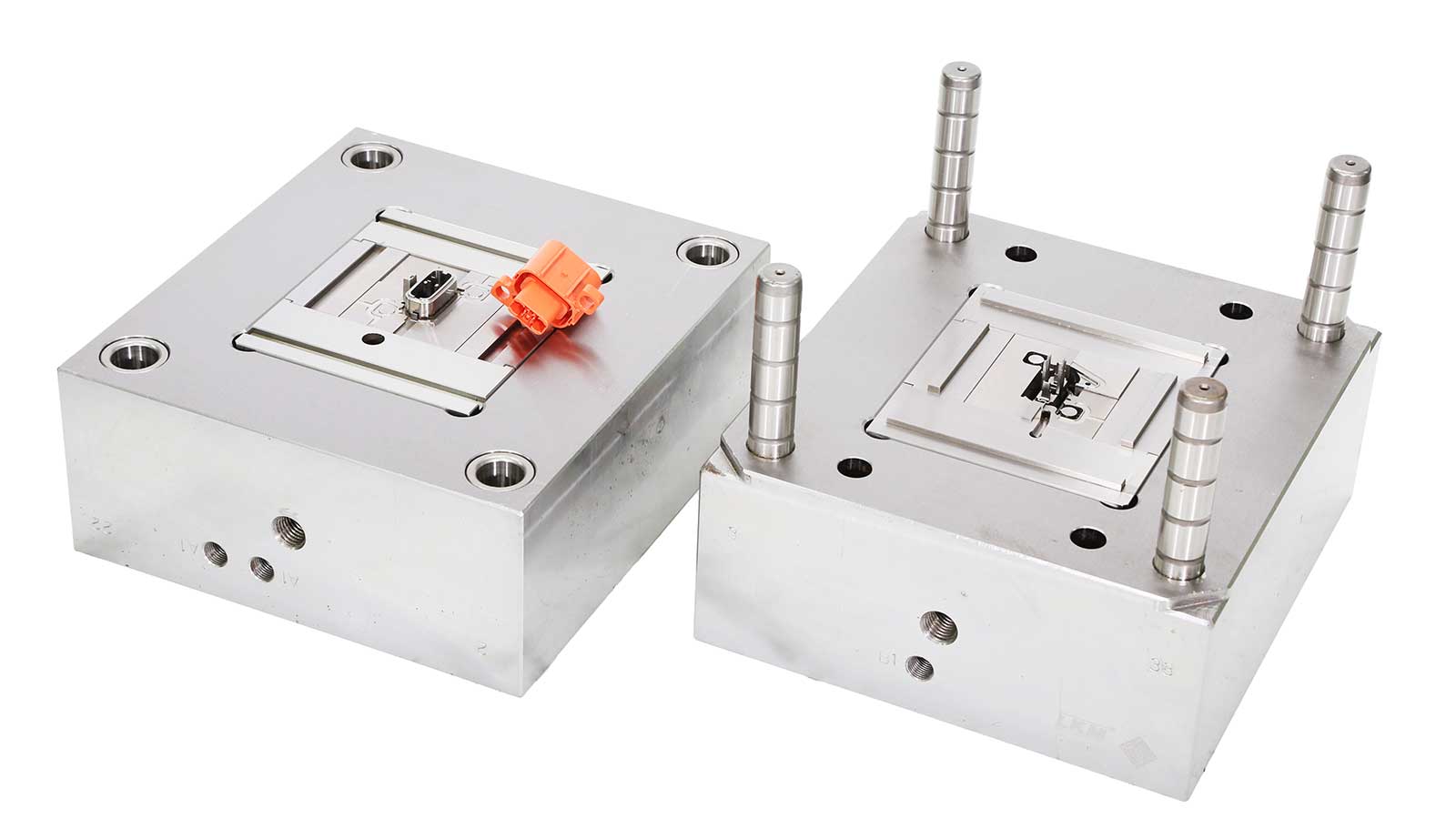

In the field of precision injection mold processing, every component is like a gear in a precision instrument, interlocking with one another to ensure the efficient operation of the mold and the high-quality production of products. Among them, springs, seemingly ordinary, actually play an indispensable role in the mold processing and manufacturing process, fulfilling multiple crucial functions. Specifically, the roles of springs are mainly reflected in the following aspects:
1. Assisting in the Automatic Reset of the Push Rod Fixed Plate
In precision injection molds, the reset function of the push rod fixed plate is of great importance, and springs play a core role in this process. They are typically installed beside the reset rods. After the mold completes the product ejection action, the springs, relying on their elastic force, quickly and accurately pull the push rods back to their original positions. This reset action not only restores the mold to its initial closed state but also, more importantly, ensures the integrity and accuracy of the cavity, preparing it adequately for the next injection molding cycle and guaranteeing the stability and consistency of product quality. For example, in the injection molds for some high-precision electronic product casings, if the push rods fail to reset accurately and timely, deviations in the size and shape of the cavity will occur, leading to problems such as non-compliant dimensions and surface defects in the produced casings, seriously affecting the performance and appearance of the products.
2. Achieving Precise Positioning of Sliders
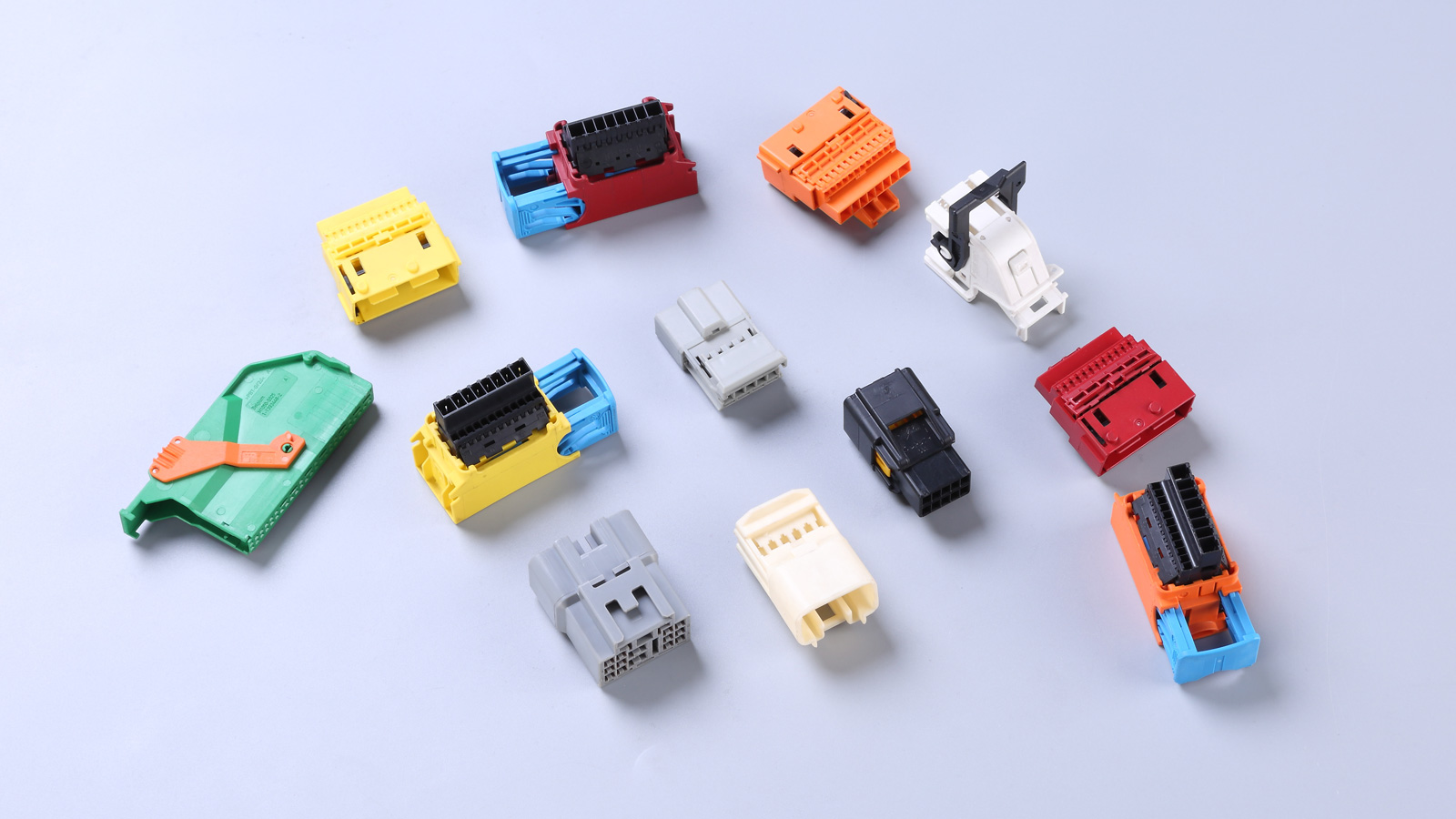
In the side-core pulling structures of precision injection molds, the positioning of sliders is a key link, and the combination of springs and stop blocks provides reliable positioning for the sliders. When the mold performs the side-core pulling action, the sliders need to stop accurately at specific positions to ensure the smooth progress of the core pulling and the integrity of the product structure. Springs exert their elastic force to press the sliders tightly against the stop blocks, keeping the sliders in stable positions during movement and preventing them from shaking or shifting. This precise positioning function is particularly crucial for producing products with complex side holes or side recesses. Take some plastic connectors in automotive components as an example. Their side structures require extremely high precision. If the sliders are not positioned accurately, deviations in the positions of the side holes in the connectors will occur, affecting their assembly accuracy with other components and even potentially causing safety hazards.
3. Providing Auxiliary Power for Moving Parts
In precision injection molds, the movement of moving parts such as moving plates and runner push plates requires certain power support, and springs provide reliable auxiliary power for these parts. During the mold opening and closing processes, the moving plates and runner push plates need to move in a predetermined sequence and speed to complete operations such as product demolding and runner cleaning. Springs, through their elastic deformation, store and release energy, providing continuous and stable power for these moving parts, enabling them to complete their respective actions smoothly. For example, in some large-scale injection molds, the moving plates are relatively heavy, and relying solely on the mold opening and closing power is insufficient to achieve their smooth movement. The auxiliary role of springs can effectively solve this problem, ensuring the accurate movement of the moving plates and improving the production efficiency and product quality of the mold.
4. Multi-Spring Combination Design Ensures Stable Mold Operation
It is worth noting that springs in precision injection molds are prone to fatigue failure in the absence of impact force. Once a spring fails, its buffering and shock-absorbing functions will be lost, which is likely to cause damage to some components of the mold during the processing, seriously affecting the normal use of the mold and product quality. To avoid this situation, adopting a multi-spring combination design has become an effective solution. By reasonably configuring multiple springs, the load can be evenly distributed, which not only improves the overall load-bearing capacity of the springs and extends their service life but also enhances the stability and reliability of the mold. For example, in some injection molds with high loads and high-frequency use, after adopting a multi-spring combination design, the failure rate of the mold has significantly decreased, and the production efficiency has been greatly improved.
In conclusion, springs play a pivotal role in precision injection mold processing. From assisting in the reset of the push rod fixed plate to achieving the positioning of sliders, from providing power support for moving parts to ensuring the stable operation of the mold through multi-spring combination design, springs fulfill indispensable functions. Therefore, in the design and manufacturing process of precision injection molds, full attention must be paid to the selection, installation, and maintenance of springs to ensure the efficient operation of the mold and the high-quality production of products.