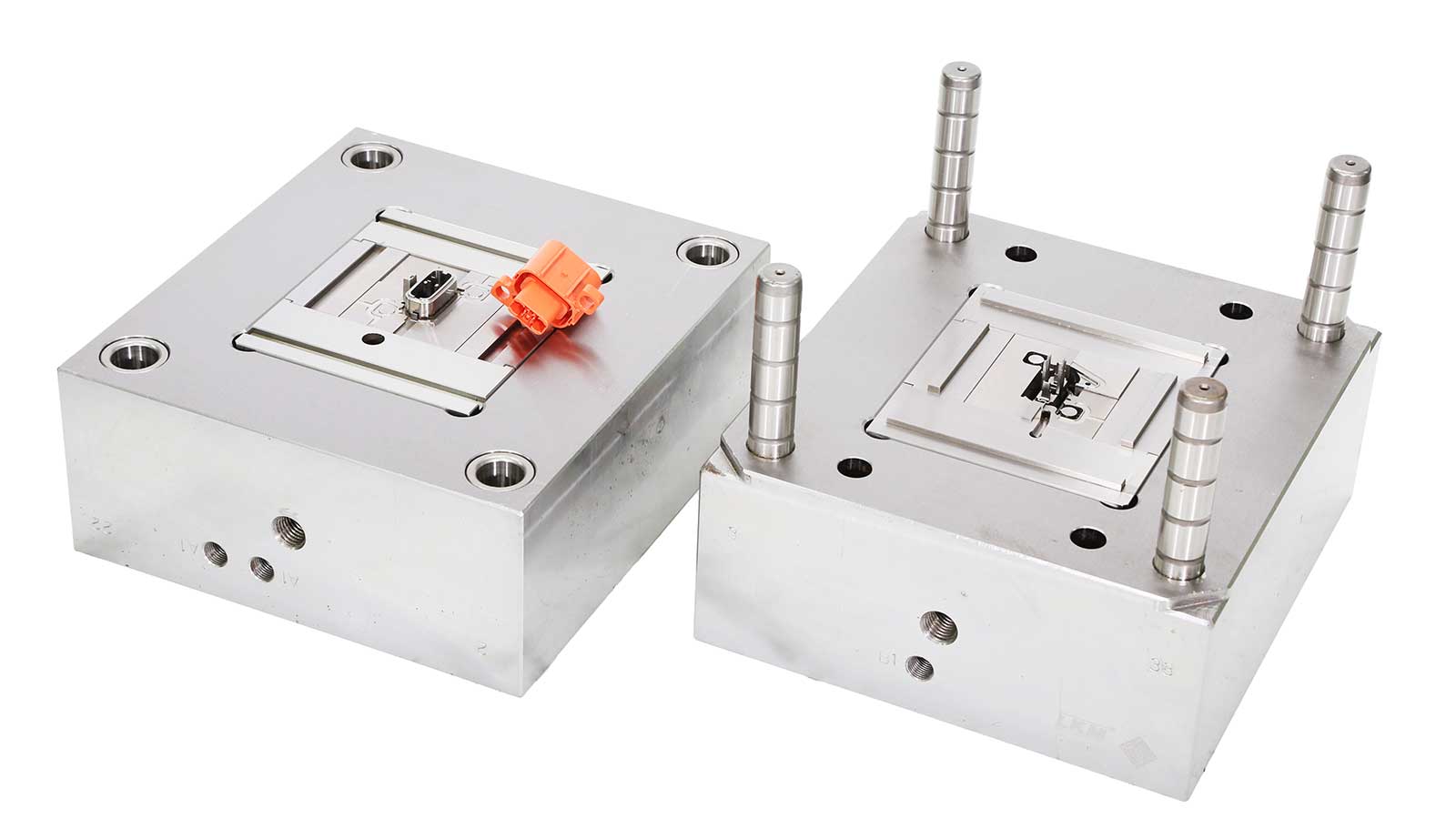



In the field of plastic injection molding processing, temperature control is a crucial and intricate process that directly impacts the molding quality, production efficiency, and product performance of the mold. Accurate and effective temperature control methods are the cornerstone for ensuring smooth mold processing. The following will elaborate in detail on the specific temperature control methods during plastic injection molding processing.
Cooling Water Hole Design: Building an Efficient Cooling Network
Rational Planning of Water Hole Parameters
The design of cooling water holes in plastic molds is of great significance. To enhance the cooling effect, the total number of cooling water holes should be as large as possible, and their diameters should be as large as feasible. Generally, the distance between the centerline of the cooling water hole and the inner wall of the mold cavity is maintained at 12 – 15 millimeters. The center distance between cooling water channels is approximately 3 – 5 times the diameter of the water holes, and the diameter of the water channels is usually above 8 millimeters. Such a design enables the cooling water to flow sufficiently inside the mold, quickly carrying away heat and achieving uniform cooling.
Ensuring Uniform Cooling
The distance from the cooling water holes to the surface of the mold cavity should be kept as consistent as possible, which is crucial for ensuring uniform cooling of different parts of the mold. When the wall thickness of the molded plastic part in the plastic mold is uneven, enhanced cooling should be carried out at the thick – walled areas. Since thick – walled areas accumulate more heat during the injection molding process, insufficient cooling can easily lead to uneven shrinkage of the product, generating internal stresses and affecting product quality. By increasing the number of cooling water holes or adjusting the cooling water flow rate in the thick – walled areas, this problem can be effectively solved.
Intensified Cooling at Key Areas
The gate is a critical area where the plastic melt enters the mold, and the temperature here is relatively high, requiring special enhanced cooling. Cooling water holes can be added near the gate or special cooling structures such as cooling rings can be used to rapidly reduce the temperature at the gate, preventing the plastic melt from overheating and decomposing at this location. At the same time, it also helps improve the filling effect and surface quality of the product.
Proper Sealing to Prevent Leakage
When the cooling water passes through inserts or their joints, proper sealing must be carried out to prevent water leakage. Water leakage not only affects the cooling effect of the mold but may also cause rust and damage to the mold, and even affect the quality of the product. Sealing materials such as sealing rings and sealing adhesives can be used to ensure the tightness of the cooling water channels.
Avoiding Water Holes at Weld Lines
Cooling water holes in the mold should avoid being set at the weld lines of the plastic parts. Weld lines are the traces formed when the plastic melts converge in the mold, and the structure here is relatively weak with lower strength. If cooling water holes are set at these locations, it will cause the temperature at the weld lines to be too low, resulting in insufficient fusion of the plastic melts and further reducing the strength and quality of the product.
Determining Water Hole Diameter Based on Wall Thickness
The diameter of the mold cooling water holes can be determined according to the average wall thickness of the product. When the average wall thickness is 3mm, the diameter of the water holes is 8 – 10mm; when the average wall thickness is 2 – 4mm, the diameter of the water holes is 10 – 12mm; when the average wall thickness is 4 – 6 millimeters, the diameter of the water holes is 10 – 14mm. It should be noted that regardless of the size of the mold, the diameter of the water holes generally does not exceed 14mm; otherwise, it is difficult to form an effective flow field, affecting the cooling effect.
Unified Position of Water Pipe Quick – Connect Fittings
The positions of the quick – connect fittings for the water pipes at the outlet of the plastic mold should be set on the same side of the mold as much as possible. This facilitates the installation and disassembly of the mold, as well as the connection and maintenance of the cooling water channels, improving production efficiency.
Hot Runner System Molds: Precise Temperature Regulation
Heating and Insulation of the Runner Plate
In plastic molds with a hot runner system, the temperature requirement of the runner plate is relatively high, and heating rods need to be installed for heating. To prevent the heat of the runner plate from being transferred to the fixed mold cavity, causing difficulties in cooling the fixed mold cavity, the contact area between the hot runner plate and the fixed mold should be minimized. This can be achieved by optimizing the mold structure design and using insulation blocks.
Flexible Regulation of Mold Temperature
Generally, the mold temperature is controlled by adjusting the temperature of the heat transfer medium, adding insulation materials, and heating elements. Heat transfer media such as water and oil are commonly used, and their channels are generally referred to as cooling water channels. When it is necessary to raise the mold temperature, hot water or hot oil (heated by a hot water machine) can be passed through the cooling water channels to enable the mold to absorb heat and achieve the purpose of temperature increase. When the temperature requirement of the plastic mold is relatively high, to reduce heat loss, insulation materials such as insulation plates and insulation cotton should be added to the control panel of the plastic mold to improve the thermal insulation performance of the mold.
Temperature control during plastic injection molding processing is a complex and delicate process that requires comprehensive consideration of multiple aspects such as cooling water hole design and hot runner system mold temperature regulation. Only by adopting scientific and reasonable temperature control methods can high – quality products be ensured from mold processing, improve production efficiency, and reduce production costs.