

In the booming manufacturing industry, high-precision injection mold processing factories are facing unprecedented opportunities and challenges. Their future development paths mainly focus on the following four key directions.
1. Precision: A Solid Step Towards International Advanced Level
For a long time, foreign enterprises have taken the lead in the precision of high-precision injection mold processing, creating numerous high-quality mold products with advanced technology and mature processes. However, after decades of unremitting efforts and industrial accumulation, China’s high-precision injection mold processing industry has gradually matured and achieved remarkable results.
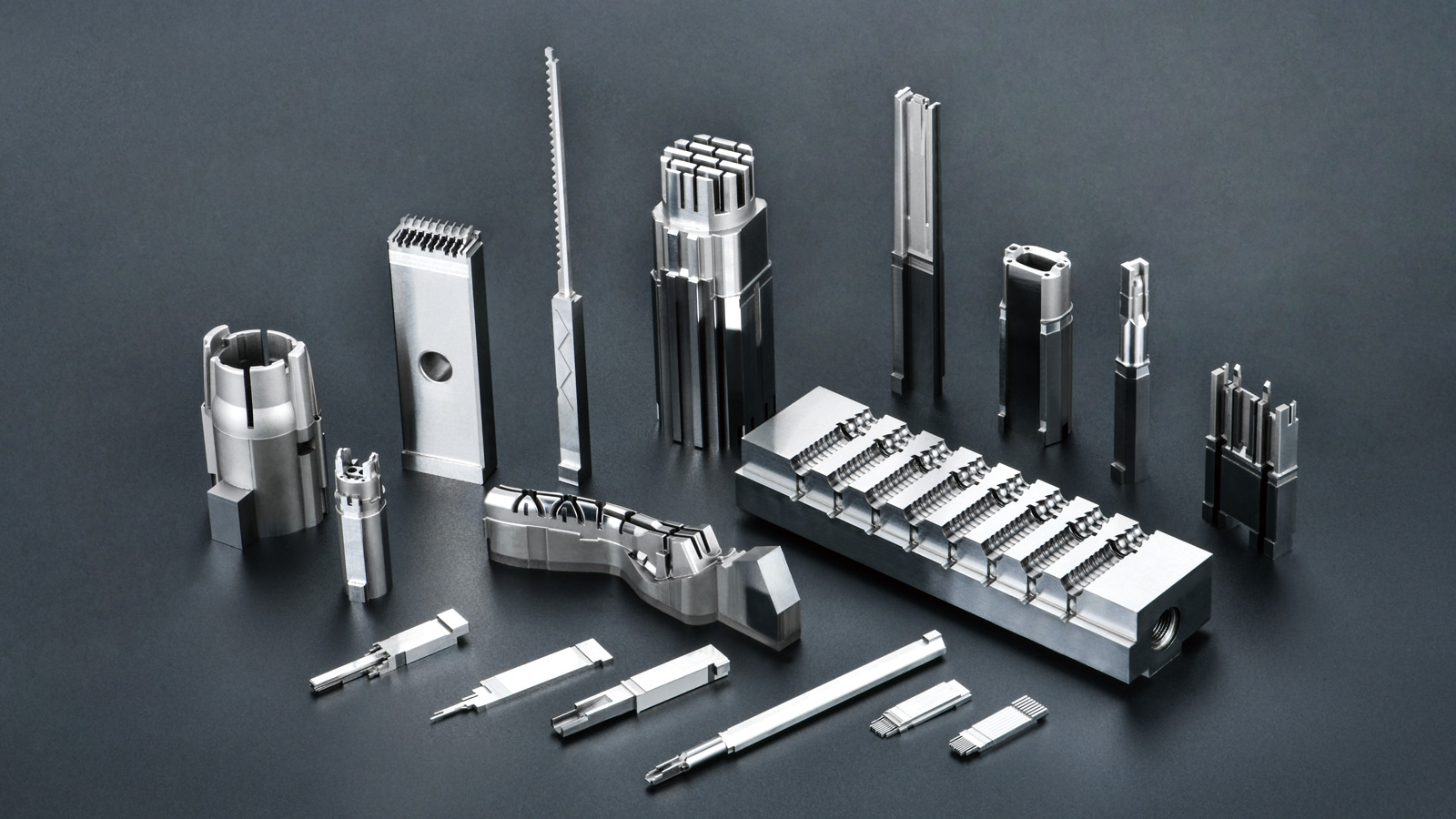
To achieve high-precision injection mold processing, processing equipment and highly skilled talents are the two core elements. Advanced processing equipment is the foundation for ensuring mold precision, providing stable and precise processing capabilities to ensure that every detail of the mold meets design requirements. Highly skilled talents are the key to fully leveraging the advantages of the equipment. With rich experience and superb skills, they can finely control the processing process and promptly solve various technical problems, thereby continuously improving mold precision. Only by the synergy of these two aspects can China’s high-precision injection mold processing industry continuously make breakthroughs in precision and gradually narrow the gap with international advanced levels.
2. High Automation: An Inevitable Path to Improve Efficiency and Quality
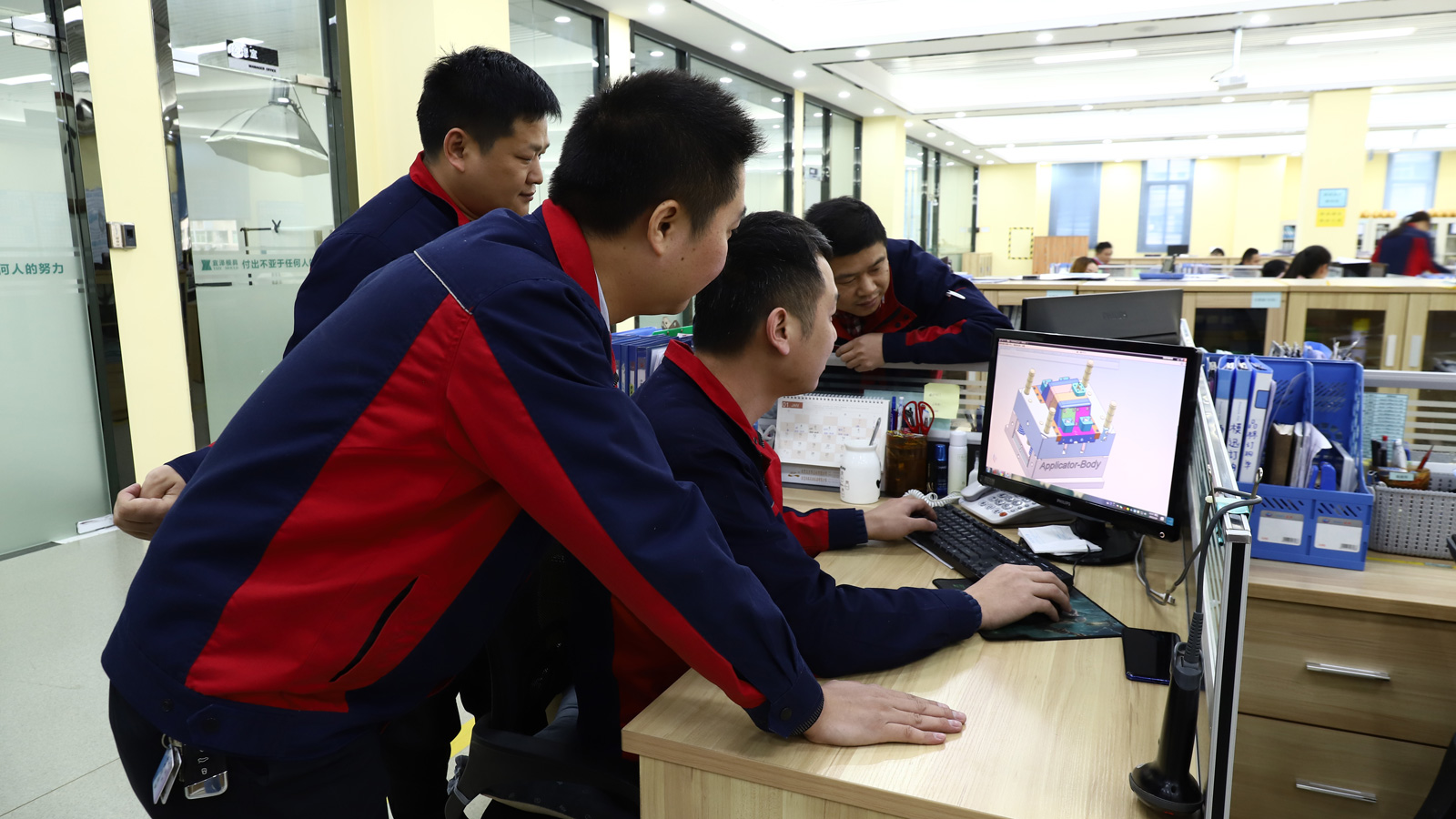
With the gradual improvement of the standardization level of high-precision injection mold processing parts, the output power of precision injection molds is also increasing. In this development process, the requirements for high-precision injection mold designers are becoming increasingly stringent. They not only need to have solid professional knowledge and rich practical experience but also be able to skillfully use advanced design software and technologies to meet the needs of automated production.
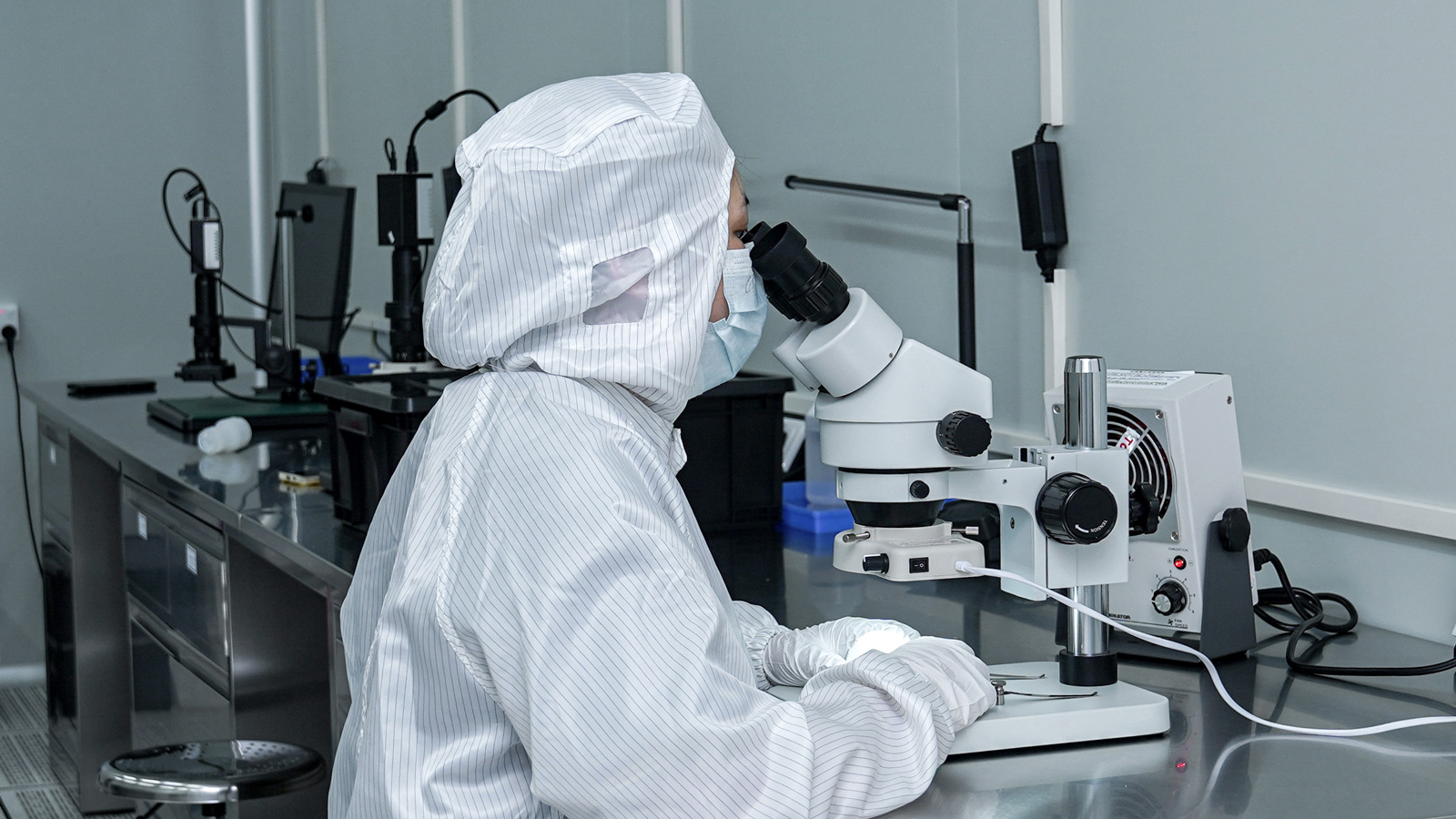
At the same time, the automation level of enterprises is also constantly improving. Automation technologies are applied throughout all links of mold processing, from mold design and manufacturing to inspection, enabling efficient and precise operations. This not only greatly improves production efficiency and shortens production cycles but also effectively reduces the impact of human factors on product quality, enhancing the consistency and stability of molds. High-automation precision mold processing technology has become an important means for high-precision injection mold processing factories to enhance their competitiveness.
3. New Technologies: Innovative Development Keeping Pace with the Times
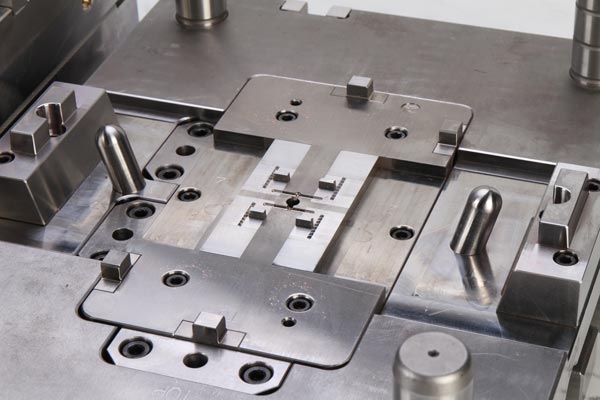
New high-precision injection mold processing technologies are continuously developing along with technological transformation projects, presenting both new opportunities and challenges for mold processing factories. For mold factories, mastering new mold design schemes and manufacturing technologies is crucial.
Those mold factories that can keenly capture industry development trends, actively invest in R&D resources, and take the lead in mastering new technologies will take the initiative in market competition. They can develop more innovative and competitive mold products with advanced technologies to meet the diverse needs of customers. At the same time, the application of new technologies will also drive mold processing factories to develop towards intelligence and greenness, enhancing their overall strength and sustainable development capabilities. The mold industry has always relied on technology and quality to establish itself. Only through continuous innovation can it remain invincible in fierce market competition.
4. Integration: An Inevitable Trend of Integrating Product R&D and Mold Processing
The integration of product R&D and mold processing has become an inevitable trend for the development of high-precision injection mold processing factories. This integration will give rise to a brand-new position. Practitioners in this position need to have comprehensive capabilities and be able to undertake a series of tasks from product appearance design, structural planning, high-precision injection mold design, mold production and processing, mold production, to product assembly.
This integrated work model breaks down the barriers between traditional R&D and production, achieving seamless information connection and optimal resource allocation. By closely integrating product R&D with mold processing, it can better control product quality and cost, improve production efficiency, and shorten the product time-to-market. At the same time, it also helps cultivate compound talents and enhance the innovation ability and comprehensive competitiveness of enterprises, making them the core force in the development of the manufacturing industry.
High-precision injection mold processing factories have clear and challenging development directions. Only by keeping pace with the times, continuously improving precision, promoting high automation, mastering new technologies, and achieving integrated development can they stand out in fierce market competition and achieve sustainable development.