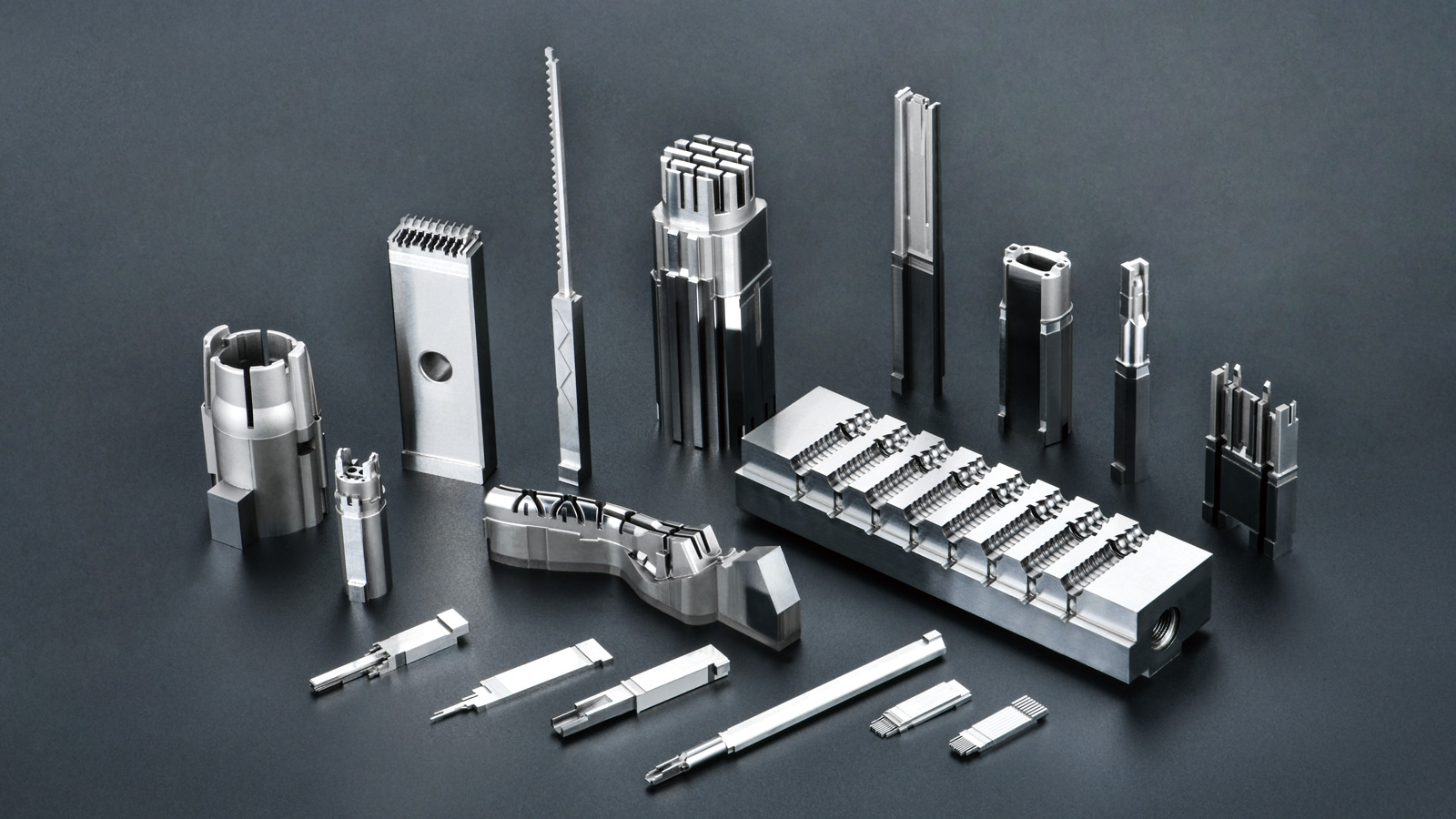
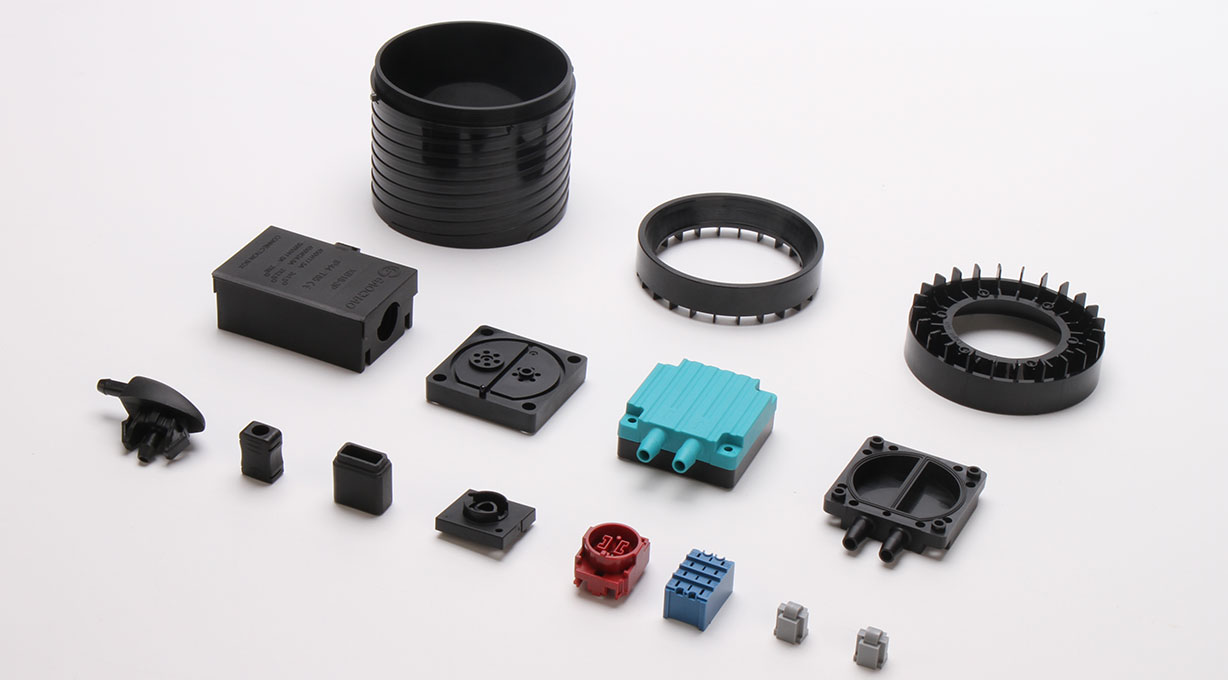




In the field of plastic product manufacturing, the processing accuracy of molds is the cornerstone of product quality. Processing accuracy, which refers to the degree of conformity between the actual geometric parameters of a part after processing and its ideal geometric parameters, directly determines the dimensional stability, shape accuracy, and functional reliability of plastic products. Although errors are inevitable during mold processing, they must be strictly controlled within an allowable range. By thoroughly analyzing the causes of errors and accurately grasping their variation patterns, targeted measures can be taken to effectively reduce processing errors and improve mold processing accuracy.
Main Causes of Errors in Mold Processing Accuracy
Measurement Errors: The First Barrier in Accuracy Control
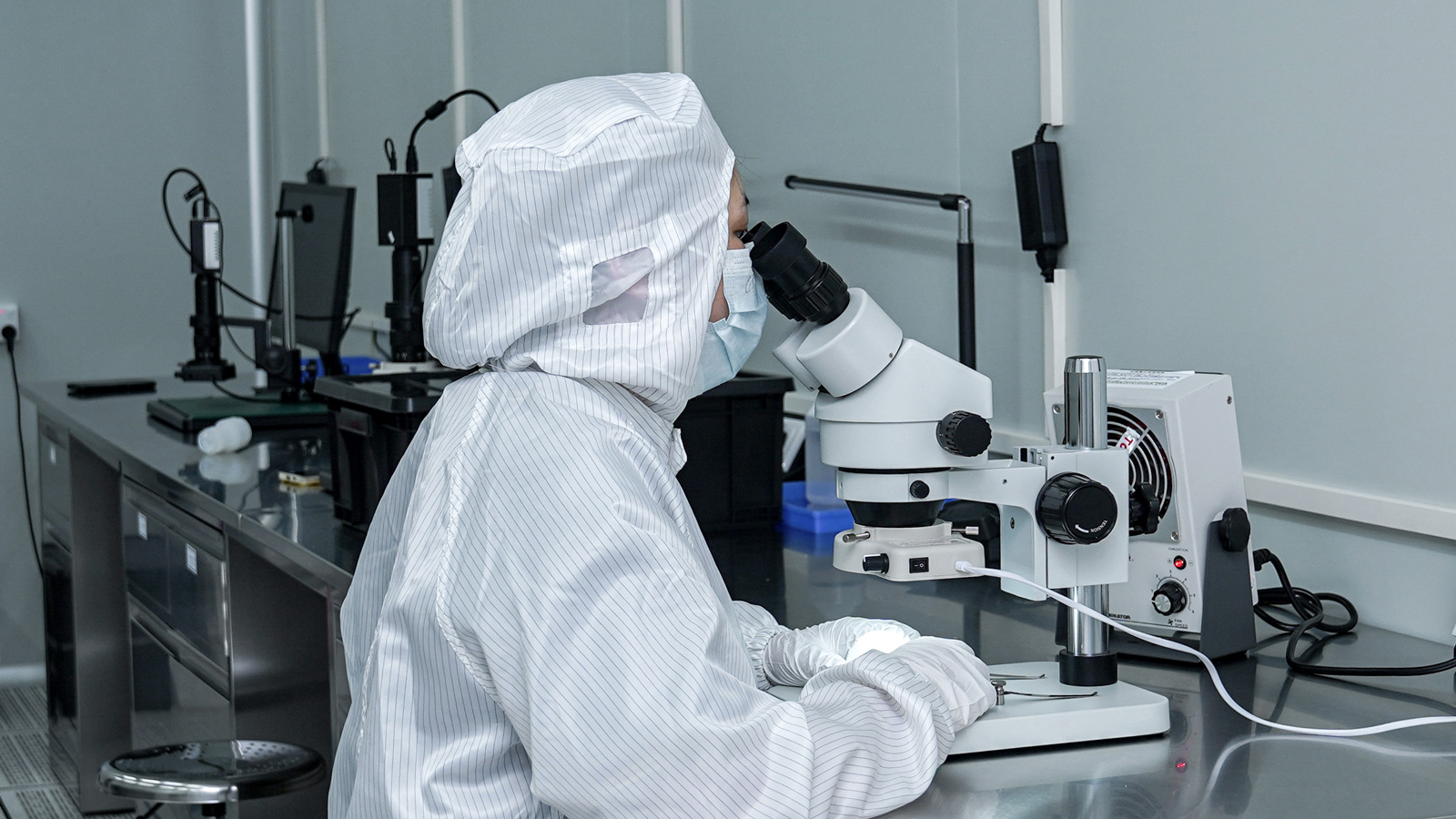
During the processing of plastic parts, whether it is real-time measurement during processing or final inspection after processing, the measurement step is of utmost importance. The selection of measurement methods, the accuracy level of measuring tools, as well as subjective and objective factors related to the workpiece and the operator, can all directly affect the accuracy of measurement results. For example, using measuring tools with insufficient accuracy for measurement or adopting improper measurement methods may lead to deviations between the measured data and the actual values, thereby influencing the judgment and control of mold processing accuracy.
Thermal Deformation Errors: The “Invisible Killer” in Precision Processing
The thermal deformation of the process system has a significant impact on processing accuracy, especially in precision processing and large-part processing scenarios. During the processing, components such as the machine tool, cutting tool, and workpiece generate temperature changes due to cutting heat and friction heat, which in turn cause thermal expansion or contraction. This thermal deformation can lead to changes in the dimensions of the workpiece, and sometimes the processing errors caused by it can account for up to 50% of the total workpiece errors, seriously threatening the mold processing accuracy.
Guide Rail Errors: Deviations in the Benchmark of Machine Tool Movement
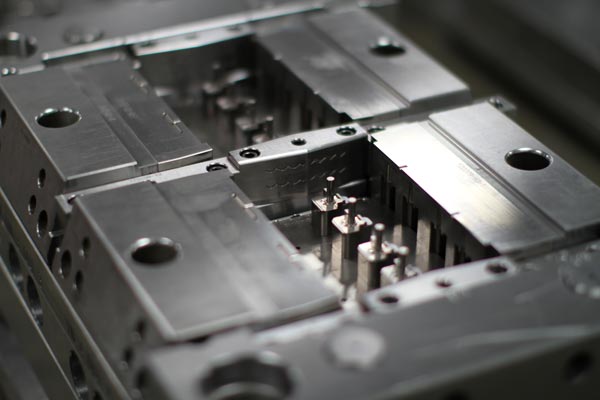
The guide rail serves as the benchmark for determining the relative positional relationships among various components on a machine tool and for the movement of the machine tool. Its accuracy directly relates to the accuracy of mold processing. Uneven wear of the guide rail can disrupt the relative positional accuracy among the machine tool components. Additionally, poor installation quality of the guide rail, such as installation inclination or excessive parallelism deviation, can also cause the movement trajectory of the machine tool to shift, resulting in processing errors in the mold.
Positioning Errors: The Chain Reaction of Non-coincident Benchmarks
Positioning errors mainly stem from non-coincident benchmarks. When processing a workpiece on a machine tool, it is necessary to select certain geometric elements on the workpiece as positioning benchmarks. If the selected positioning benchmark does not coincide with the design benchmark, a non-coincident benchmark error will occur. This error will be gradually transferred through the processing procedures, affecting the processing accuracy of the mold and causing deviations between the dimensions of the final product and the design requirements.
Process Adjustment Errors: The Key Link in Accuracy Guarantee
In the mold processing technology, the positional accuracy of the workpiece and cutting tool on the machine tool is achieved by adjusting the machine tool, cutting tool, fixture, and workpiece. When the original accuracy of the machine tool, cutting tool, fixture, and workpiece all meet the technological requirements, process adjustment errors become a key factor affecting processing accuracy. Improper adjustment methods or inaccurate adjustments can cause the position of the workpiece to shift, thereby affecting the mold processing accuracy.
Force-induced Deformation Errors: A Test of Workpiece Stiffness
The workpiece is subjected to external forces such as cutting force and clamping force during processing. If the stiffness of the workpiece is relatively low compared to that of the machine tool, cutting tool, and fixture, it is prone to deformation under these external forces. This deformation will directly lead to changes in the dimensions and shape of the workpiece, seriously affecting the mold processing accuracy, especially when processing workpieces with low stiffness such as thin-walled and slender parts.
Cutting Tool Geometric Errors: Precision Loss during the Cutting Process
As a component directly involved in cutting, the geometric shape and dimensional accuracy of the cutting tool have a significant impact on the mold processing accuracy. During the cutting process, the cutting tool will inevitably wear. As the degree of wear increases, the geometric shape and dimensions of the cutting tool will change, leading to changes in the dimensions and shape of the workpiece and becoming one of the main factors affecting mold processing errors.
FAQ
Q: How can we effectively reduce the impact of measurement errors on mold processing accuracy?
A: First, select high-precision measuring tools that have been calibrated and regularly maintain and service them. Second, choose appropriate measurement methods according to the characteristics of the workpiece and processing requirements. In addition, strengthen the training of operators to improve their measurement skills and data processing capabilities to ensure the accuracy of measurement results.
Q: What are some practical control measures for thermal deformation errors in the process system?
A: On the one hand, optimize the processing technology and reasonably arrange cutting parameters to reduce the generation of cutting heat. On the other hand, strengthen the heat dissipation design of the machine tool, such as using a cooling liquid circulation system and adding cooling fans, to timely remove heat and lower the temperature of the process system. You can also preheat the workpiece before processing to make its temperature uniform and reduce thermal deformation.
Q: How can we improve the installation quality of guide rails and reduce guide rail errors?
A: Before installing the guide rails, strictly inspect and treat the installation foundation to ensure that its flatness and strength meet the requirements. During the installation process, use high-precision measuring tools for positioning and adjustment to ensure the installation accuracy of the guide rails in terms of parallelism and perpendicularity. After installation, conduct comprehensive inspection and debugging to promptly detect and correct any problems.
Q: How can we avoid the occurrence of non-coincident benchmark errors?
A: When designing the workpiece, try to make the positioning benchmark coincide with the design benchmark. If it is impossible to achieve coincidence, compensate for the error through technological means, such as using dimension chain calculations to determine the processing dimensions and tolerances of each procedure and control the non-coincident benchmark error within an allowable range.
Q: How can we timely replace cutting tools after they are worn to ensure processing accuracy?
A: Establish a cutting tool wear monitoring mechanism, use online detection equipment or regular manual inspection to keep track of the wear status of cutting tools in real time. Formulate reasonable cutting tool replacement criteria based on factors such as cutting tool material, workpiece material, and processing technology. When the cutting tool wear reaches the replacement criteria, replace it in a timely manner to ensure that the processing accuracy is not affected.