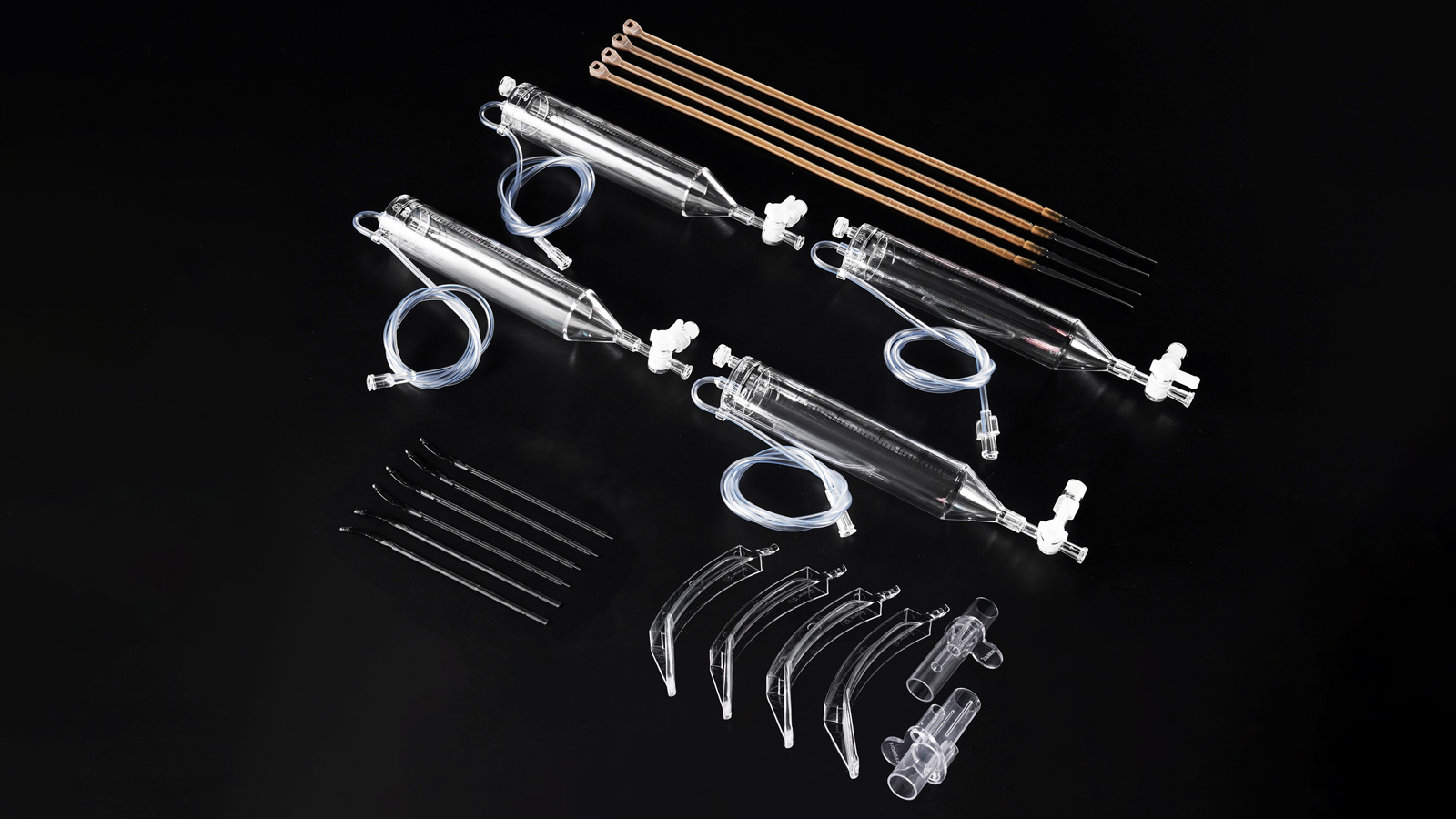
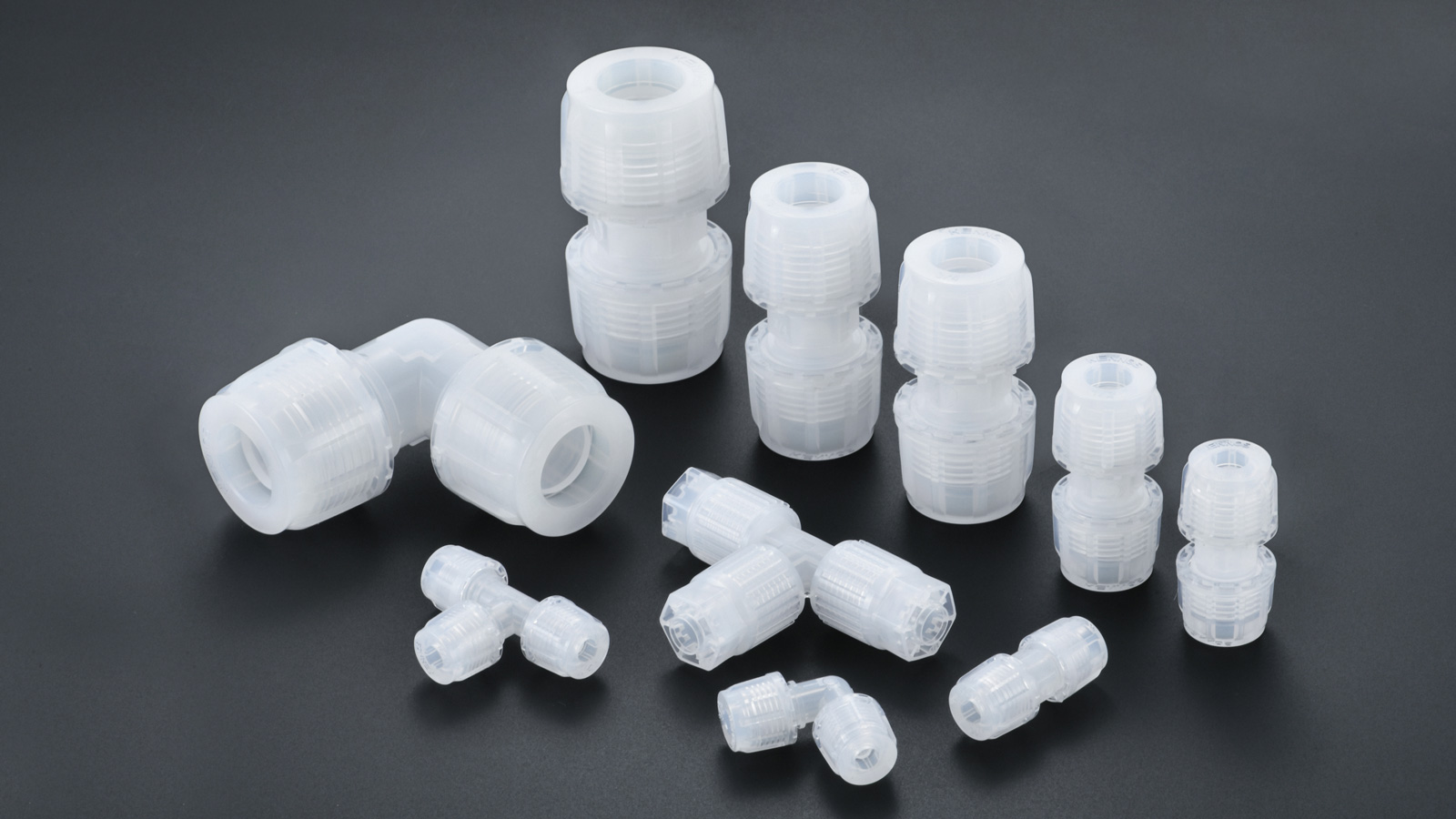
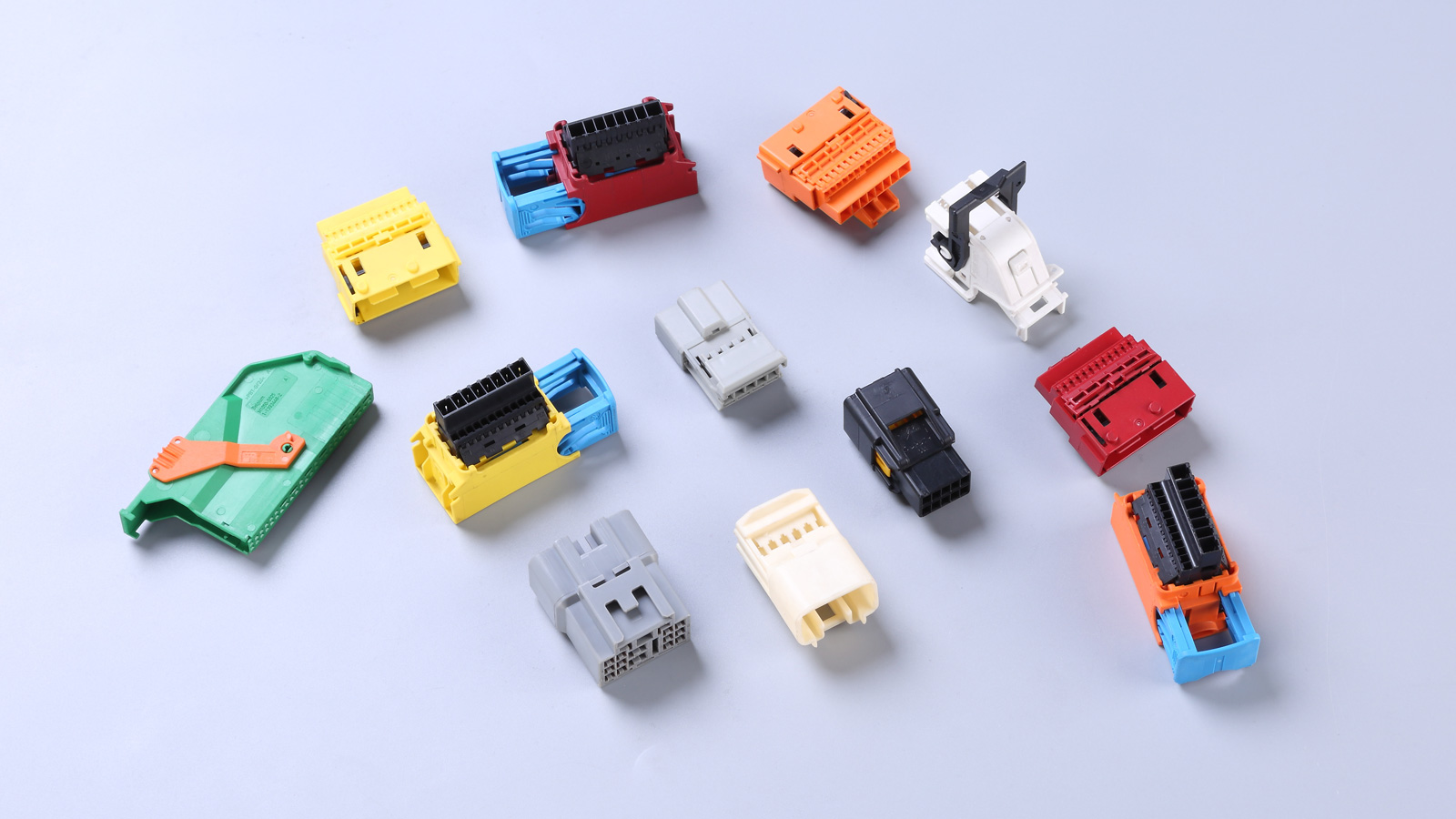
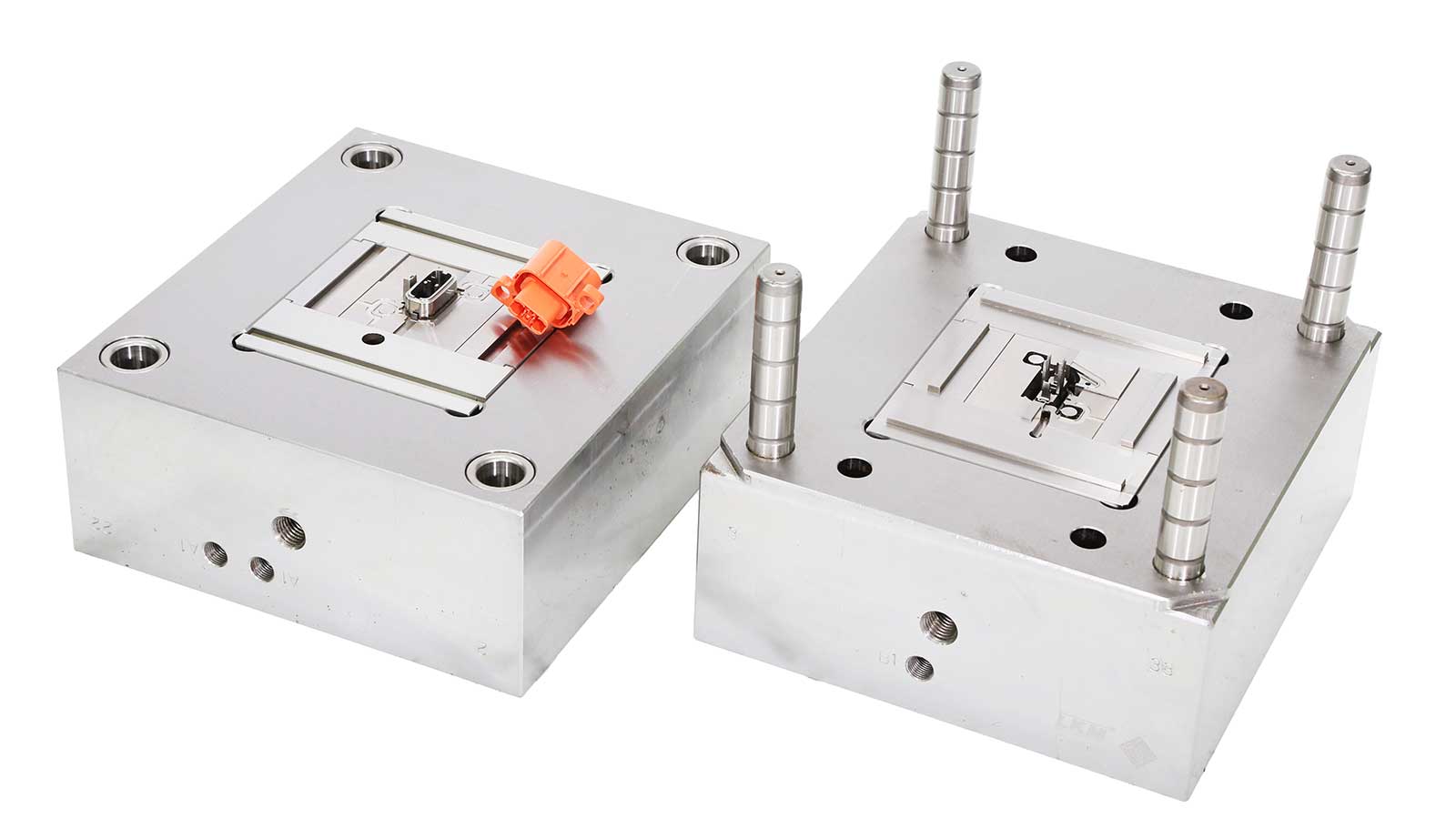
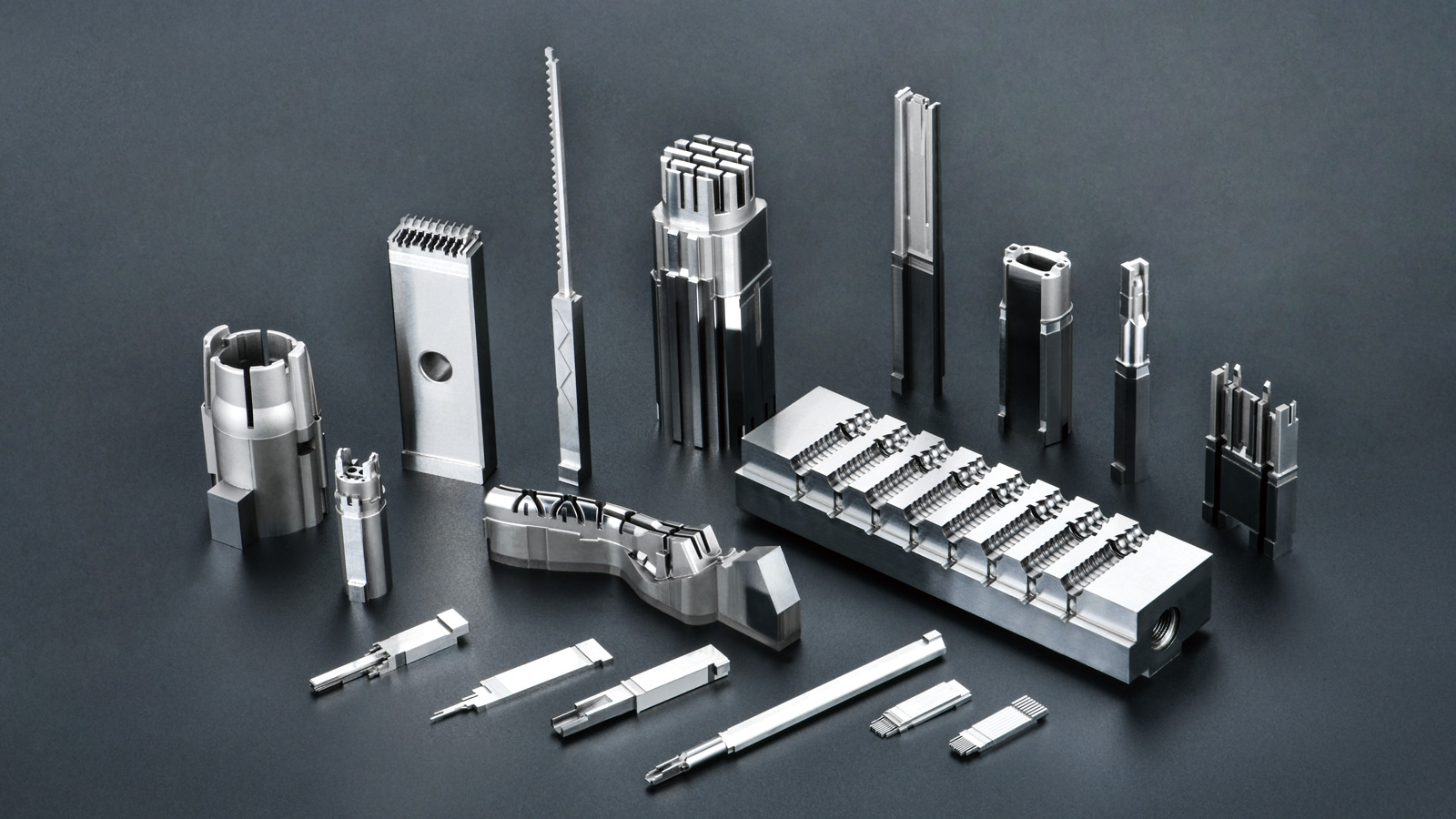
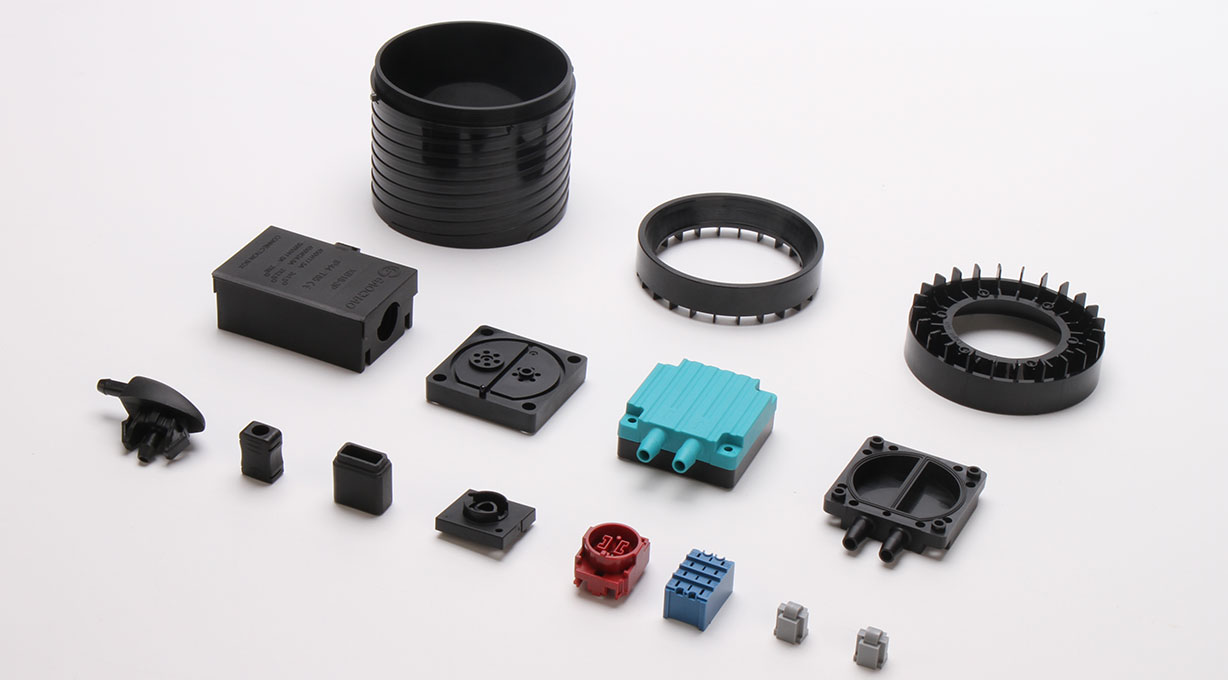




In the precision field of manufacturing, gas-assisted injection molding technology is gradually becoming a key means to enhance product quality and production efficiency due to its unique advantages. And the selection of molding materials plays a crucial role in the successful application of this technology.
Applicable Material Scope
In a broad sense, all thermosetting plastics that can be used in ordinary injection molding processes have the potential to be used in gas-assisted injection molding. This includes some filled epoxy resins and elastomer materials. However, not all thermosetting plastics can be easily adapted to gas-assisted injection molding. Some materials with extremely good fluidity and difficulty in effective filling will face challenges during the gas-assisted injection molding process. Epoxy resins with high viscosity require higher gas pressure for molding, which poses technical difficulties. Additionally, materials reinforced with glass fibers, although their hardness is significantly improved, will also cause a certain degree of wear to the molding equipment.
The Importance of Material Selection
During the gas-assisted injection molding process, the molding thickness of the part and surface defects are largely determined by the inherent properties of the raw material. Compared with adjusting various parameters during the molding process, the influence of raw material properties is more significant and difficult to fully compensate for through parameter adjustments. Therefore, carefully selecting materials suitable for gas-assisted injection molding is the key to ensuring product quality, improving production efficiency, and reducing production costs.
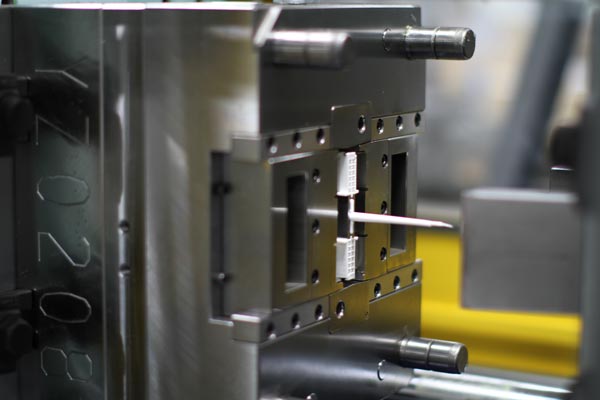
Analysis of the Properties of Commonly Used Materials
- Crystalline Stable Materials: PA (polyamide) and PBT (polybutylene terephthalate) exhibit excellent performance in gas-assisted injection molding due to their unique crystalline stability. These two materials can form uniform and dense crystal structures, effectively reducing internal stress and thus improving the dimensional stability and mechanical properties of the parts. Therefore, they are particularly suitable for gas-assisted injection molded parts with high requirements for precision and strength.
- Commonly Used Materials: PA6, PA66, and PP (polypropylene) are also commonly used materials in gas-assisted injection molding. These materials have good processing performance and mechanical properties and can meet the needs of various parts. For example, PA6 and PA66 have high strength and toughness, while PP is favored for its lightweight and chemical resistance.
- Partially Crystalline Epoxy Resins: During the molding process of partially crystalline epoxy resins, the side near the gas channel cools relatively slowly internally, and no obvious amorphous boundary layer is produced. However, on both sides of the part, due to the rapid cooling of the mold wall, an amorphous boundary layer is formed. This phenomenon may have a certain impact on the surface quality and mechanical properties of the part, so when selecting such materials, it is necessary to fully consider their molding characteristics and the usage requirements of the part.
- Glass Fiber Elastomer Materials: Glass fiber elastomer materials will produce slight molecular orientation at the mold wall. This orientation effect will affect the mechanical properties of the part to a certain extent, especially along the flow direction at a certain distance below the mold wall, where the part may reach a relatively high molding strength. For parts that require high-strength characteristics, epoxy resins with high elastic modulus can be considered, and optimized design can be carried out in combination with the characteristics of glass fiber elastomer materials.
Practical Considerations for Material Selection
In actual processing, material selection is not fixed but needs to be comprehensively considered based on the specific usage requirements of the part and the actual molding conditions. For example, for parts that need to withstand large loads, materials with high strength and toughness should be given priority. For parts with high requirements for surface quality, materials with good fluidity and easy molding should be selected. At the same time, factors such as the cost of the material, processability, and compatibility with the molding equipment also need to be considered.