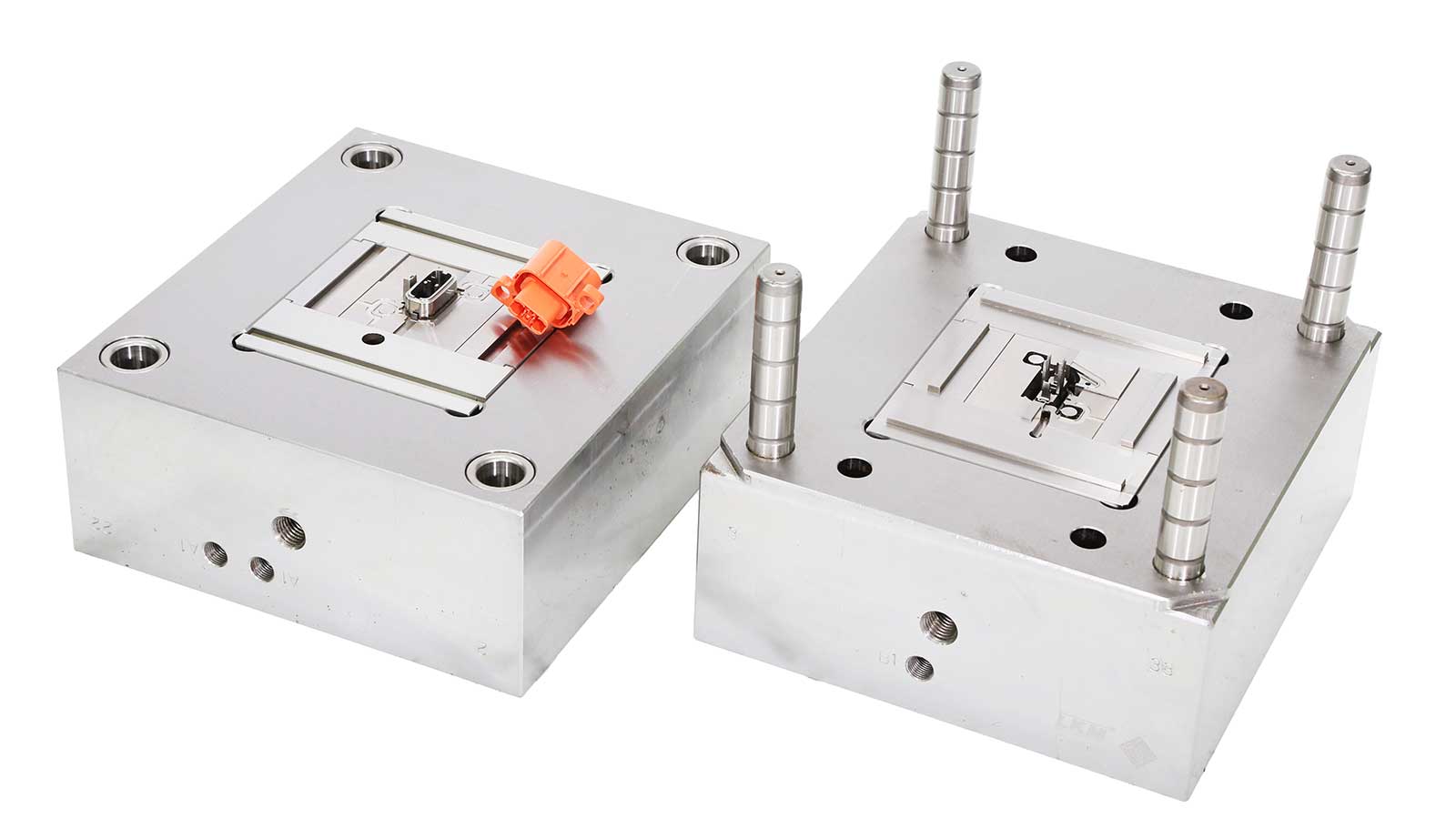
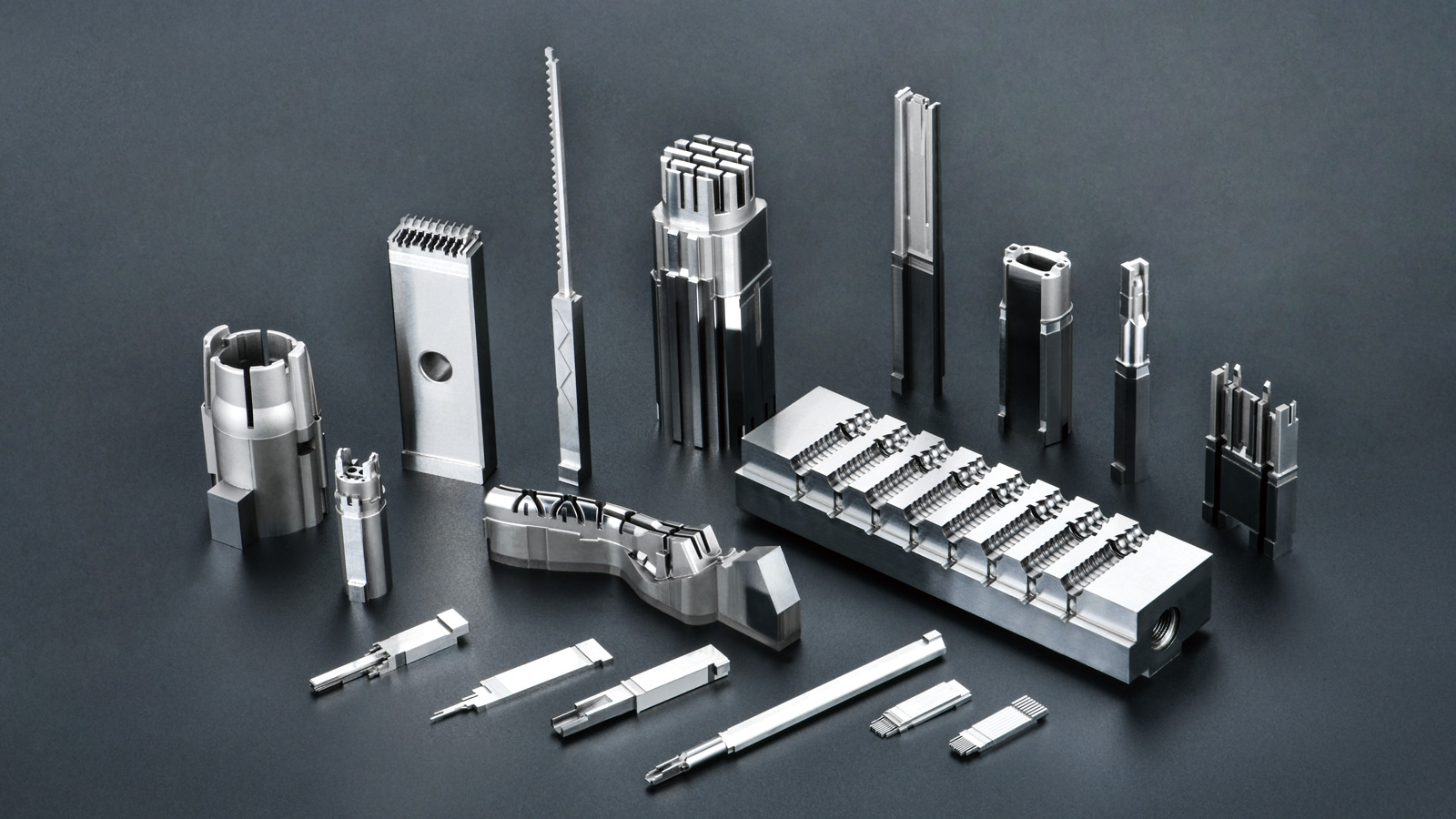
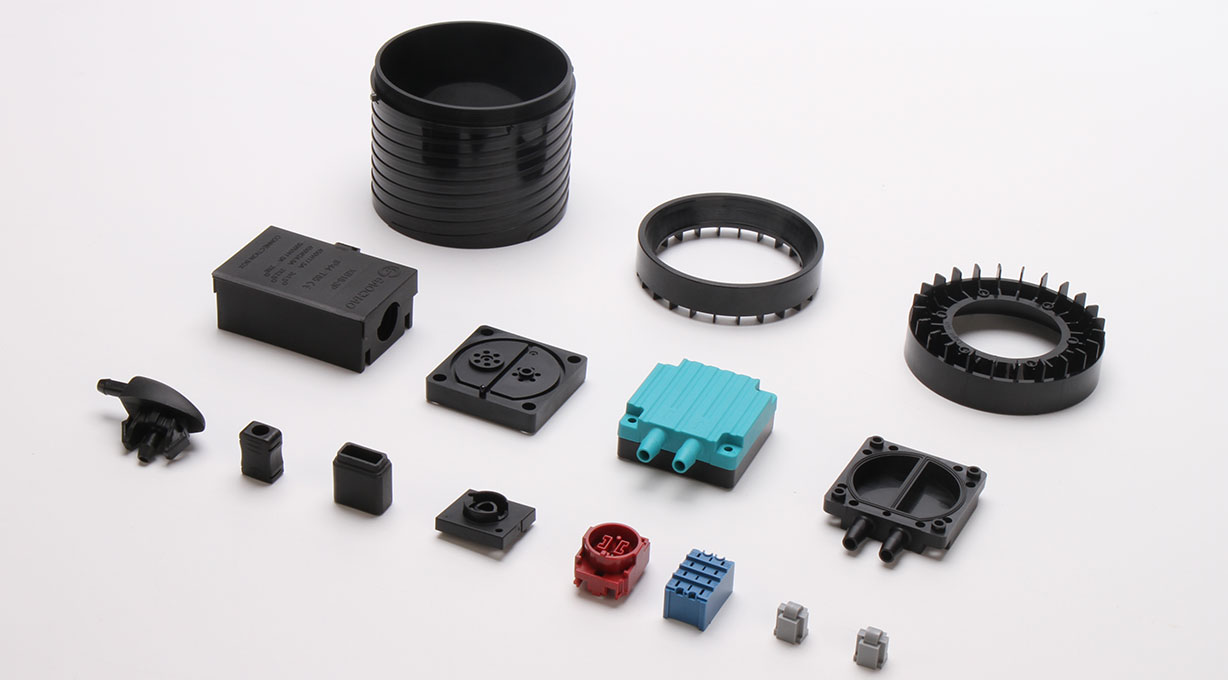
In the process of precision mold injection molding, regular and meticulous inspection and maintenance work are crucial to ensure the efficient operation and long service life of the mold. The following will elaborate on the key points during the inspection and maintenance of precision mold injection molding.
I. Inspection of Guide Posts and Guide Sleeves
Guide posts and guide sleeves are core guiding components in precision mold injection molding, and their operating status directly affects the accuracy and stability of the mold. It is necessary to carefully check whether there are signs of wear between the guide posts and guide sleeves, specifically by observing whether there are scratches. This kind of wear usually results from insufficient lubrication between the guide posts and guide sleeves. If the scratches are just in the early stage, simply increasing the lubrication frequency and providing sufficient lubrication for the guide posts and guide sleeves can effectively extend their service life. However, if the wear is severe, the relevant parts must be replaced in a timely manner to avoid further damage to the overall performance of the mold.
II. Inspection of Cooling Water Channels
Cooling water channels play a decisive role in the cooling effect of precision mold injection molding. During the inspection, connect a hose at the cooling outlet of the precision mold to allow the water to flow through the hose into a bucket. By observing the state of the outflowing water, we can determine whether there are problems with the cooling water channels. If the outflowing water is not clear or has a color, rusting has likely occurred inside the cooling water channels; if the water flow is not smooth, it means that there may be a blockage somewhere in the channels. For these problems, corresponding rust removal or unclogging measures should be taken in a timely manner to ensure the normal operation of the cooling water channels.
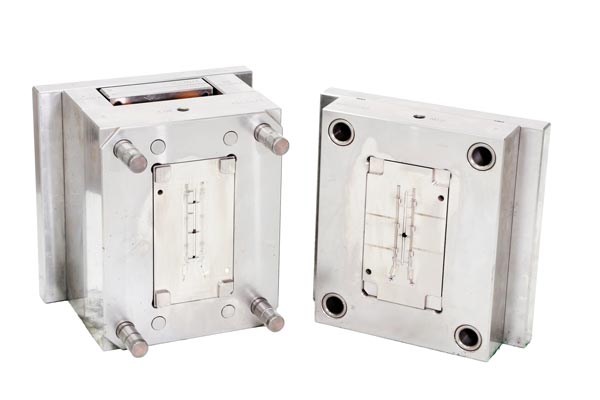
III. Cleaning and Maintenance of Ejector Pins
During the precision mold injection molding process, ejector pins will gradually accumulate gas and impurities over time, causing their surfaces to become dirty. This not only affects the normal movement of the ejector pins but may also have an adverse impact on the molding quality of the mold. Therefore, it is recommended to thoroughly clean the ejector pins every six to twelve months. During cleaning, use a professional cleaning agent to completely remove the dirt on the ejector pins, and apply an appropriate amount of lubricant after cleaning to reduce the friction during the movement of the ejector pins and extend their service life.
IV. Inspection of the Hot Nozzle Area
The hot nozzle area is one of the parts in precision mold injection molding that is prone to problems. It is necessary to focus on checking whether there are fractures in this area. Fractures are usually caused by loose and hardened plastic fragments remaining in the machine’s hot nozzle. When injecting forward, these fragments are subjected to the clamping force of the injection barrel assembly, resulting in fractures. Once fractures are found, the hot nozzle area should be cleaned and repaired in a timely manner to prevent the problem from expanding and affecting the normal use of the mold.
After the precision mold injection molding process is completed, comprehensive and meticulous maintenance and upkeep work on the mold are the key to improving the service life of the mold. Through regular inspection and timely maintenance, mold failures can be effectively prevented, ensuring that the mold is always in the best operating condition and providing a strong guarantee for the production efficiency and product quality of the enterprise.