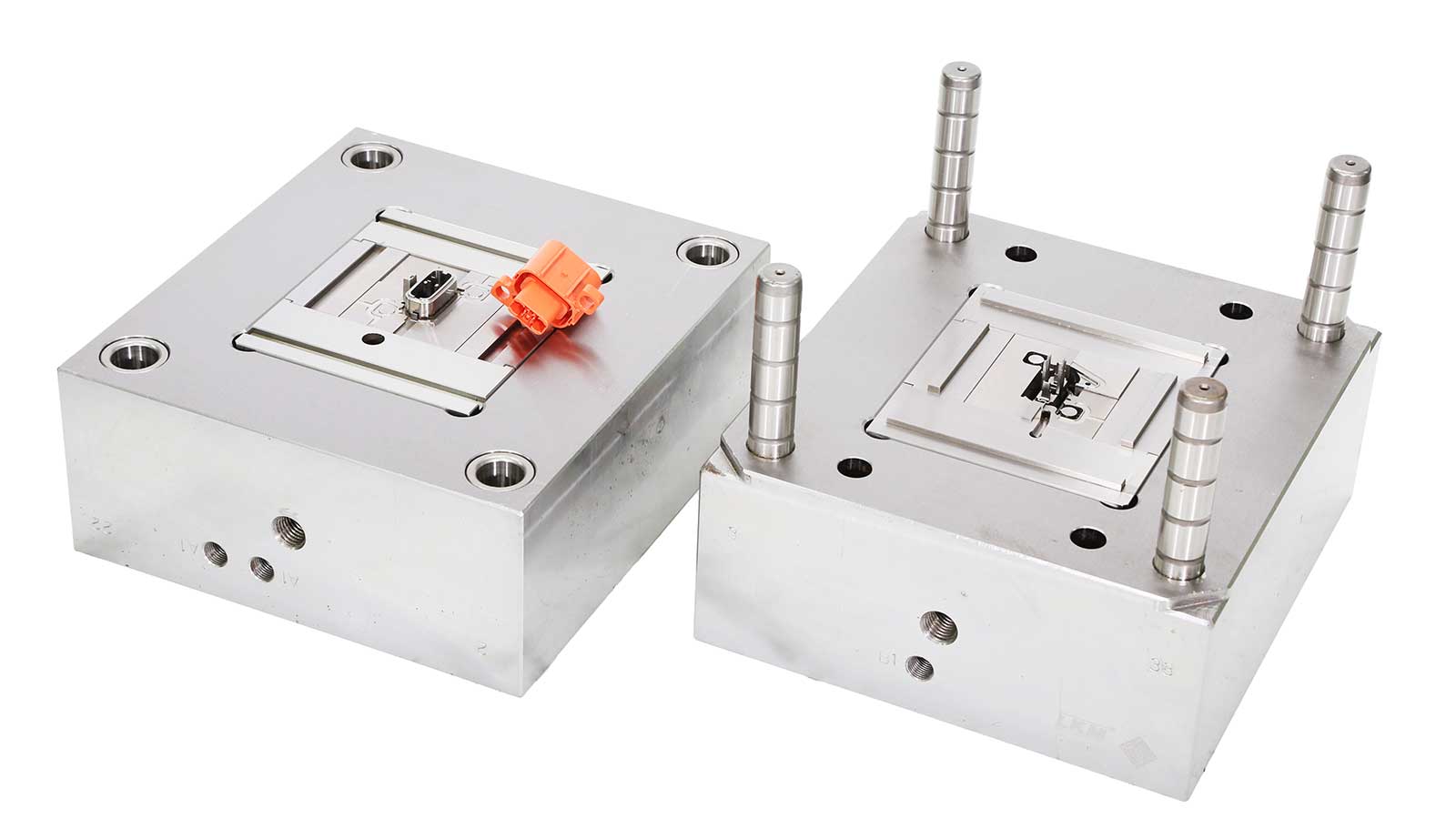
In the field of plastic injection mold processing, large-scale water grinding after the heat treatment of steel is a crucial and challenging process. Although heat treatment can enhance the performance of steel, it also brings some processing difficulties. A reasonable large-scale water grinding strategy is essential for ensuring mold quality.
Characteristics of Heat-Treated Workpieces and Processing Challenges
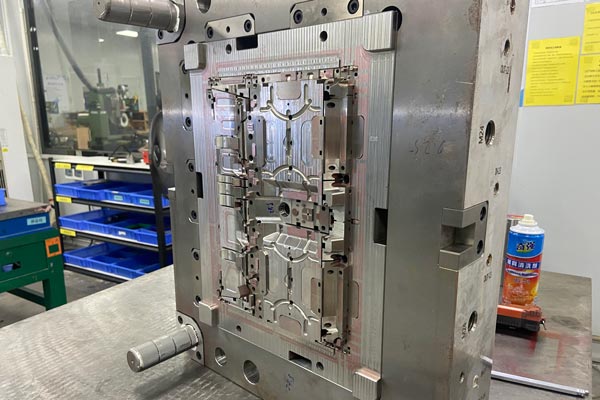
Typically, after heat treatment, workpieces in plastic injection mold processing will deform, and their hardness will significantly increase. The deformation of the inclined top is often severe, posing great difficulties for subsequent processing. However, it is worth noting that the larger and thicker the workpiece, the less its deformation, and the easier it is to process. Therefore, in actual processing, the processing method must be precisely determined according to the specific size of the workpiece to cope with the changes brought about by heat treatment.
Rough Grinding with Large-Scale Water Grinding and Allowance Control
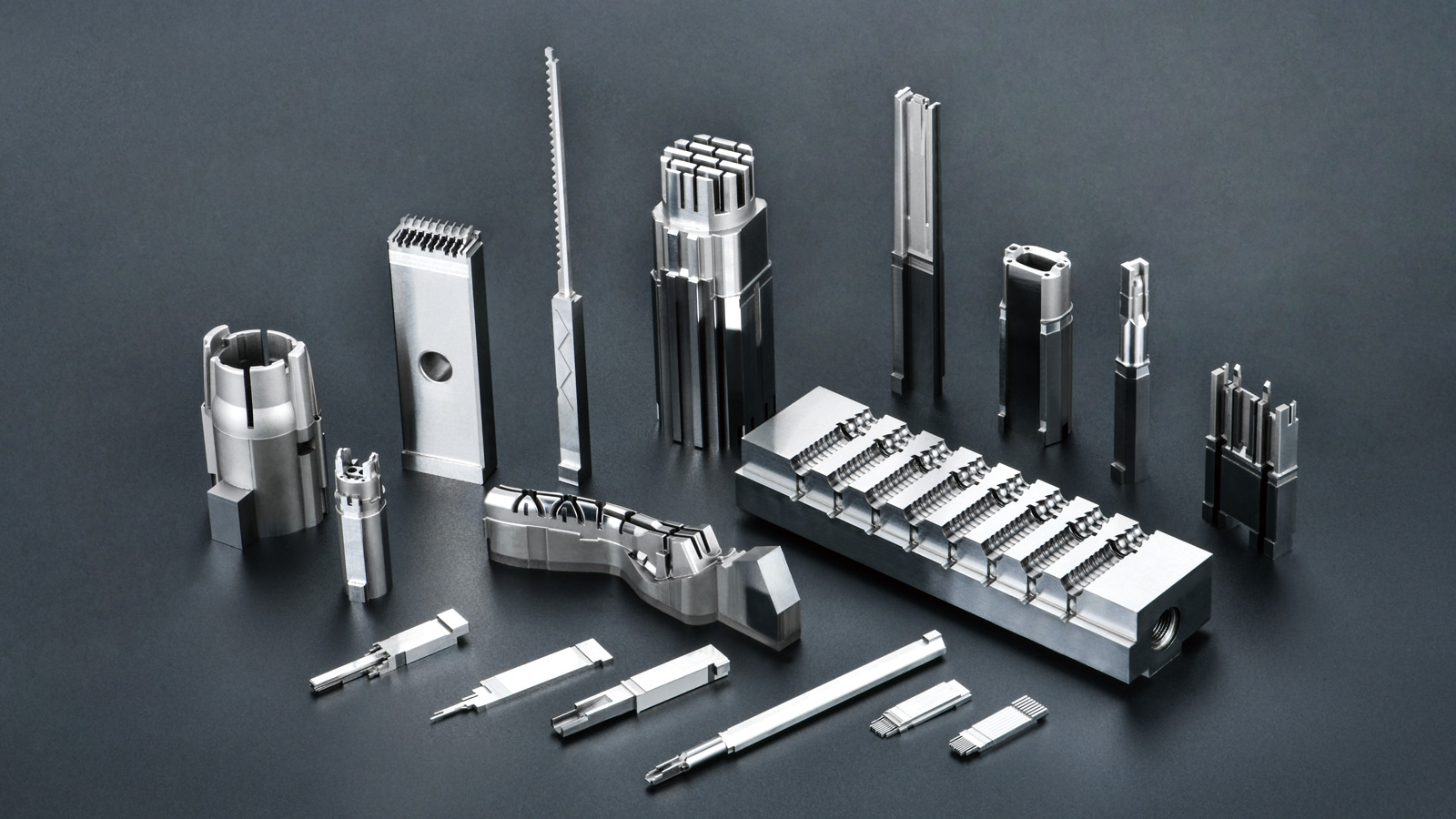
In plastic injection mold processing, for key components such as front and rear mold cores, guide rail sliders, and wear-resistant blocks, during the rough grinding stage with large-scale water grinding, a processing allowance of 50 – 60 wires is usually reserved for the steel. Given the extremely high precision requirements for mold cores and guide rail sliders, when processing workpieces, it is necessary to accurately measure the specifications of each position and carefully check whether the allowance is sufficient. Especially for workpieces with steps, extra caution is required to ensure a clear understanding of the allowance situation at each part. This step is crucial. If one face has too much allowance and is over-ground, it may lead to insufficient allowance on other faces, resulting in the direct scrapping of the workpiece and causing unnecessary losses to production.
Large-Scale Water Grinding Process and Key Points
Initial Plane Selection and Grinding
In the entire large-scale water grinding process, first, grind one plane of the workpiece. To minimize subsequent processing problems, it is advisable to select the more obviously deformed face for initial grinding. Before starting the grinding, accurately control the allowance and grind the grinding wheel flat. Note that the grinding wheel should not be trimmed too finely before rough grinding. This is because the heat-treated workpiece is relatively hard, and during the grinding process, the grinding wheel will encounter significant resistance and work very hard. If the grinding wheel is not sharp enough, it will be difficult to effectively cut the workpiece. Therefore, the grinding wheel must be continuously repaired to ensure its sharpness, enabling it to quickly and efficiently grind the workpiece surface to the desired state.
Fine Processing and Surface Treatment
After the initial grinding, use a two-pass approach with a few wires of feed per pass for light laser cutting. This operation can make the workpiece surface smoother and flatter, meeting high surface quality requirements. Then, place the well-finished face on the machine table and use this face as a reference for further grinding of this face to ensure that the processing accuracy and quality of the entire workpiece meet high standards.
Frequently Asked Questions (FAQ)
Q1: The degree of deformation of heat-treated workpieces is difficult to predict. How can it be prevented in advance?
A1: Before heat treatment, sufficient pre-treatment of the workpiece can be carried out, such as reasonable preheating and temperature equalization operations, to minimize thermal stress. At the same time, selecting appropriate heat treatment process parameters according to the material and shape of the workpiece can also reduce the risk of deformation to a certain extent. In addition, during the mold design stage, a certain amount of deformation compensation can be reserved.
Q2: Does frequent repair of the grinding wheel affect processing efficiency?
A2: Although frequent repair of the grinding wheel takes up some time, it is a necessary measure to ensure processing quality and efficiency. If the grinding wheel is not repaired on time and becomes dull, not only will the grinding speed slow down, but it may also lead to uneven cutting force, resulting in a decrease in the surface quality of the workpiece and even damage to the workpiece, which will actually reduce the overall processing efficiency.
Q3: How to determine whether the allowance at each part of the workpiece is sufficient?
A3: High-precision measuring tools such as calipers and micrometers can be used to accurately measure each part of the workpiece and compare the measured values with the design dimensions to calculate the allowance. For workpieces with complex shapes, advanced equipment such as coordinate measuring machines can also be used for comprehensive detection to ensure accurate determination of the allowance.
Q4: How to ensure the dimensional accuracy of the workpiece during large-scale water grinding?
A4: In addition to strictly controlling the allowance and selecting an appropriate grinding wheel, it is also necessary to regularly calibrate and maintain the processing equipment to ensure the stability of the equipment’s accuracy. At the same time, closely monitor the deformation of the workpiece during the processing and adjust the processing parameters on time. After processing is completed, conduct strict dimensional inspections and make corrections if there are any deviations.
By following the above large-scale water grinding guidelines and properly addressing common problems, the quality and efficiency of large-scale water grinding after heat treatment of steel in plastic injection mold processing can be effectively improved, providing a strong guarantee for producing high-quality plastic injection molds.