


Introduction
Semiconductor manufacturing is a highly sophisticated precision industry that demands ultra-high purity, extreme environmental resistance, and stable material performance for all production components. As a high-performance fluoropolymer, Perfluoroalkoxy (PFA) has become a core material for manufacturing premium semiconductor plastic parts in modern wafer fabrication and chip production lines. Its unique physical and chemical properties perfectly match the rigorous process standards of semiconductor manufacturing, helping enterprises reduce contamination risks, improve production stability, and extend equipment service life. This article elaborates on the core reasons for the widespread adoption of PFA by semiconductor companies.
1. Ultra-High Purity to Avoid Semiconductor Contamination
Contamination control is the top priority in semiconductor manufacturing, as trace metal ions, particle precipitates and organic impurities can cause wafer defects and reduce chip yield. Semiconductor-grade PFA features ultra-low extractable and outgassing characteristics, with metal precipitation content controlled below 1 PPB, fully complying with SEMI F57 and C90 industry standards.
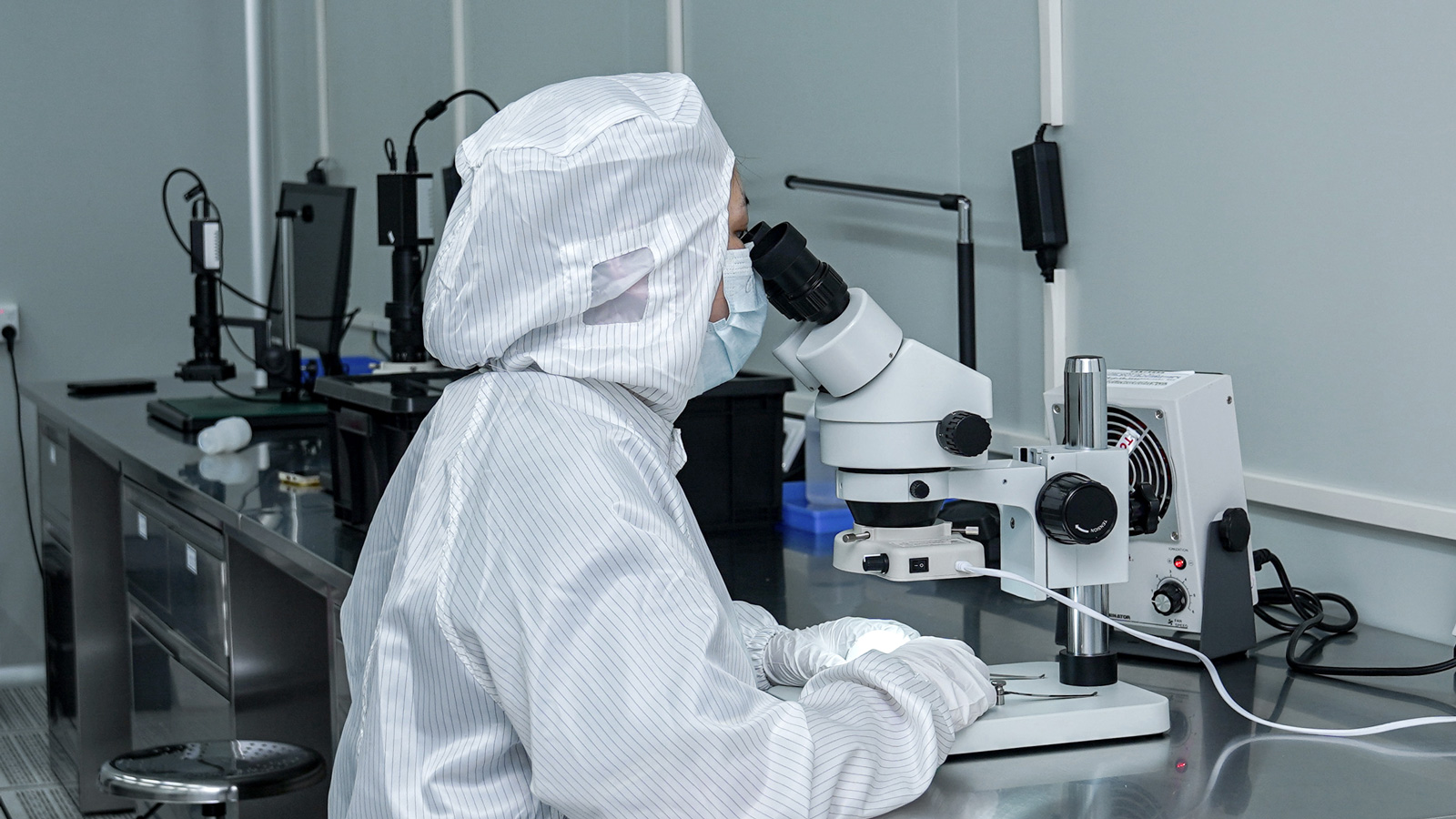
Different from ordinary engineering plastics, PFA undergoes specialized purification and cleanroom processing, with no residual additives or volatile substances. In ultra-pure water delivery, wafer cleaning and chemical transfer processes, PFA plastic parts will not release fine particles or pollute process fluids, effectively protecting the precision microstructure of chips and ensuring consistent product quality in mass production.
2. Excellent Chemical Inertness for Harsh Process Environments
Semiconductor production involves a variety of strong corrosive media, including concentrated acids, alkalis, etching solvents and special process gases, which pose severe corrosion challenges to equipment components. PFA boasts near-universal chemical inertness and can resist erosion by almost all corrosive chemicals used in semiconductor wet processes.
Semiconductor plastic parts made of PFA will not deform, crack or deteriorate after long-term contact with aggressive process media. It maintains stable structural and chemical performance throughout etching, cleaning and surface treatment processes, avoiding equipment failure and process fluctuation caused by material corrosion, and ensuring the continuity of high-precision production.
3. Superior Thermal Stability and Mechanical Processability
Semiconductor manufacturing includes high-temperature baking, thermal cycling and plasma processing procedures, requiring materials to withstand long-term high-temperature operation without performance degradation. PFA has a melting point exceeding 300°C and can stably work in a continuous high-temperature environment of 260°C, with excellent thermal stability and thermal shock resistance.
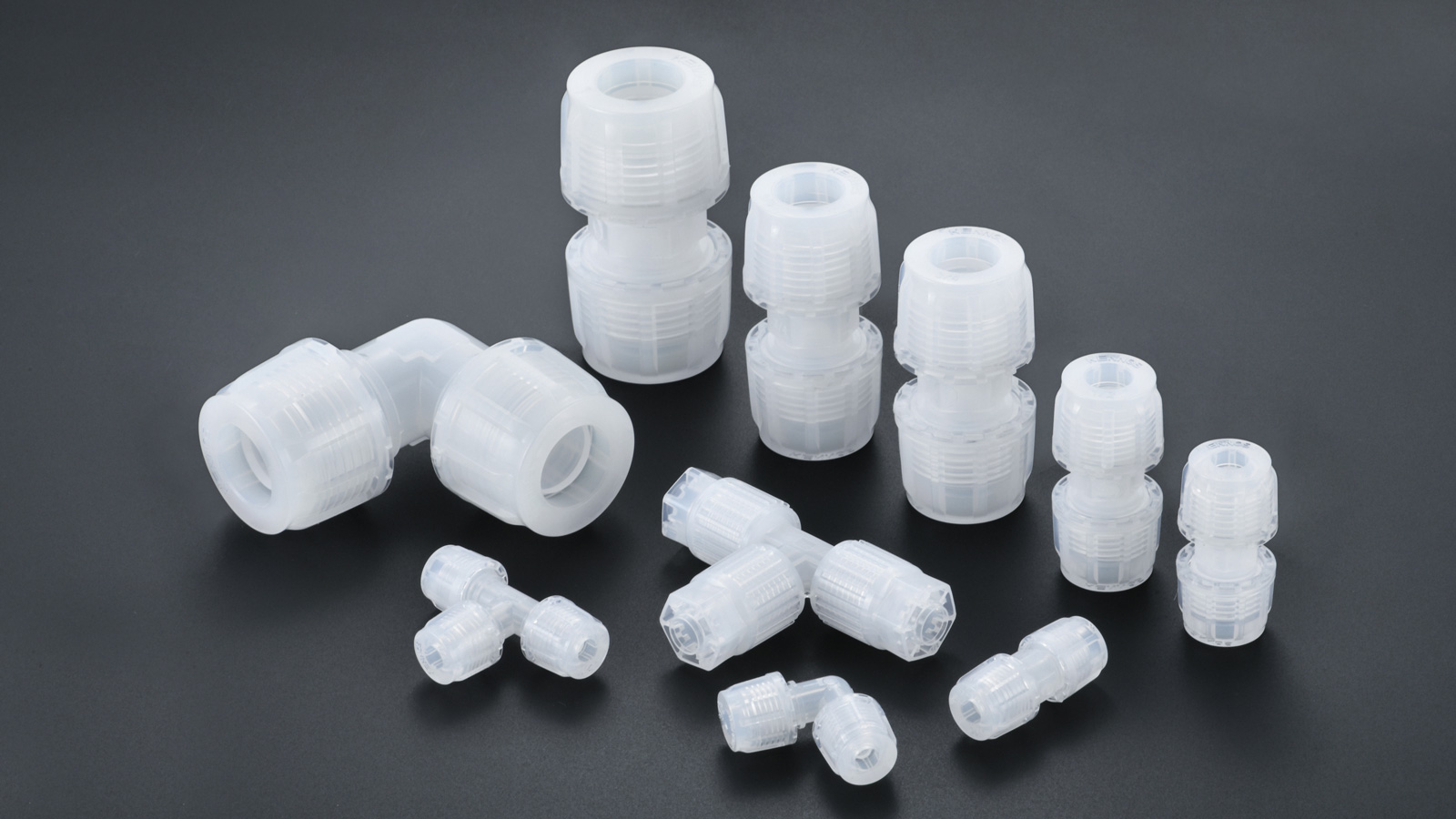
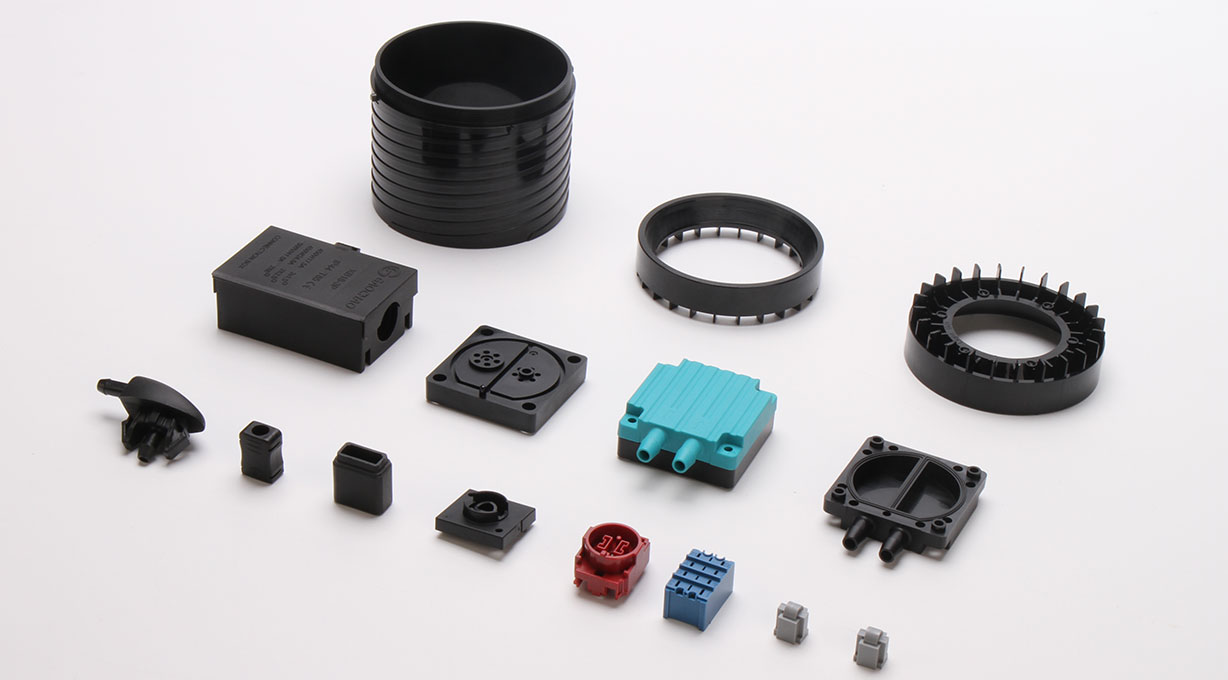
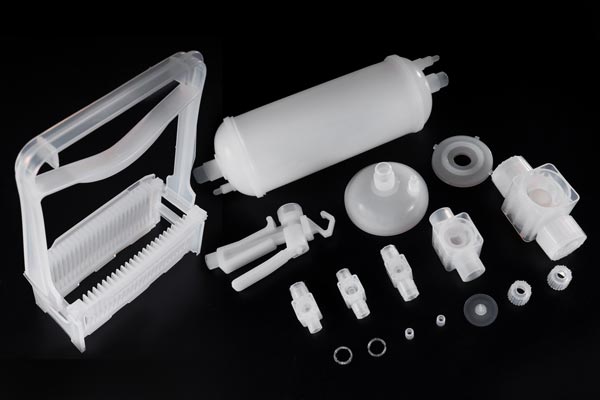
In addition, PFA has better melt processability than PTFE and other fluoroplastics. It can be processed into precision customized semiconductor plastic parts such as ultra-pure tubing, valves, chemical storage tanks and fluid connectors. It balances stable mechanical strength and flexible molding performance, adapting to the miniaturization and precision development trend of advanced semiconductor equipment.
4. Long-Term Stability Reduces Production Operating Costs
For semiconductor fabs, frequent replacement of equipment parts and production shutdown maintenance will bring huge economic losses. PFA plastic parts feature outstanding aging resistance, fatigue resistance and low friction surface characteristics, with minimal particle generation during long-term equipment operation.
Its durable performance effectively extends the service cycle of process components, reduces the frequency of equipment maintenance and part replacement, and lowers the comprehensive operating cost of production lines. Meanwhile, the stable performance of PFA avoids batch product scrap caused by material failure, greatly improving the overall production efficiency and economic benefits of semiconductor enterprises.
FAQ
Q1: What are the main PFA semiconductor plastic parts used in chip manufacturing?
A1: Common PFA parts include ultra-pure fluid tubing, precision control valves, chemical delivery connectors, cleaning tank liners and process fluid filter components, which are widely used in wet processing and high-purity fluid transmission links.
Q2: Why is PFA superior to ordinary plastics for semiconductor applications?
A2: Ordinary plastics have poor chemical resistance, high impurity precipitation and weak thermal stability, which cannot meet ultra-high purity and anti-corrosion requirements. PFA integrates ultra-low contamination, full chemical inertness and high thermal stability, fully matching semiconductor precision production standards.
Q3: Is PFA applicable for advanced semiconductor process nodes?
A3: Yes. High-purity semiconductor-grade PFA meets the strict contamination control requirements of 7nm, 5nm and other advanced process nodes, and is the mainstream material for high-end semiconductor precision plastic components.