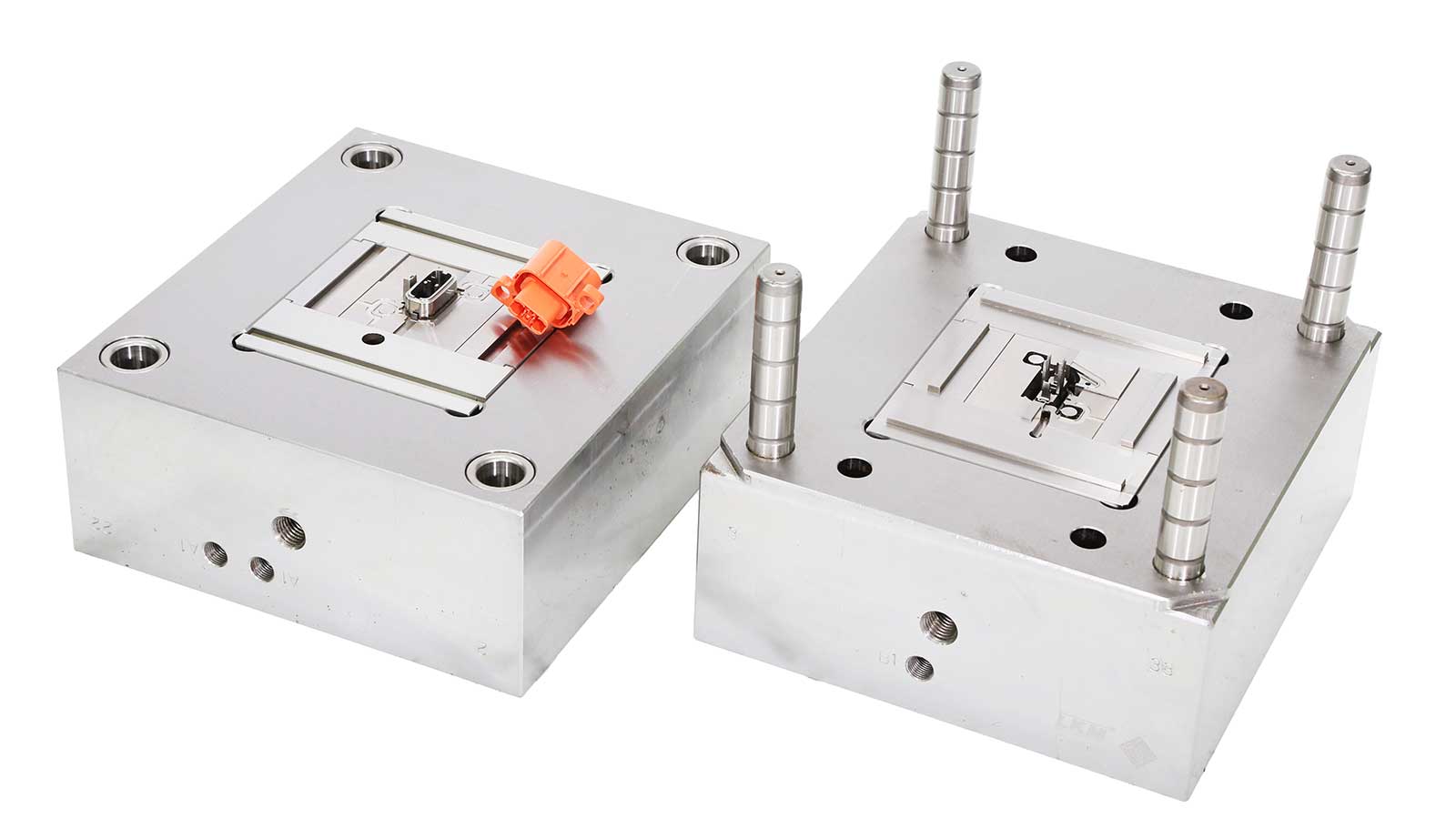
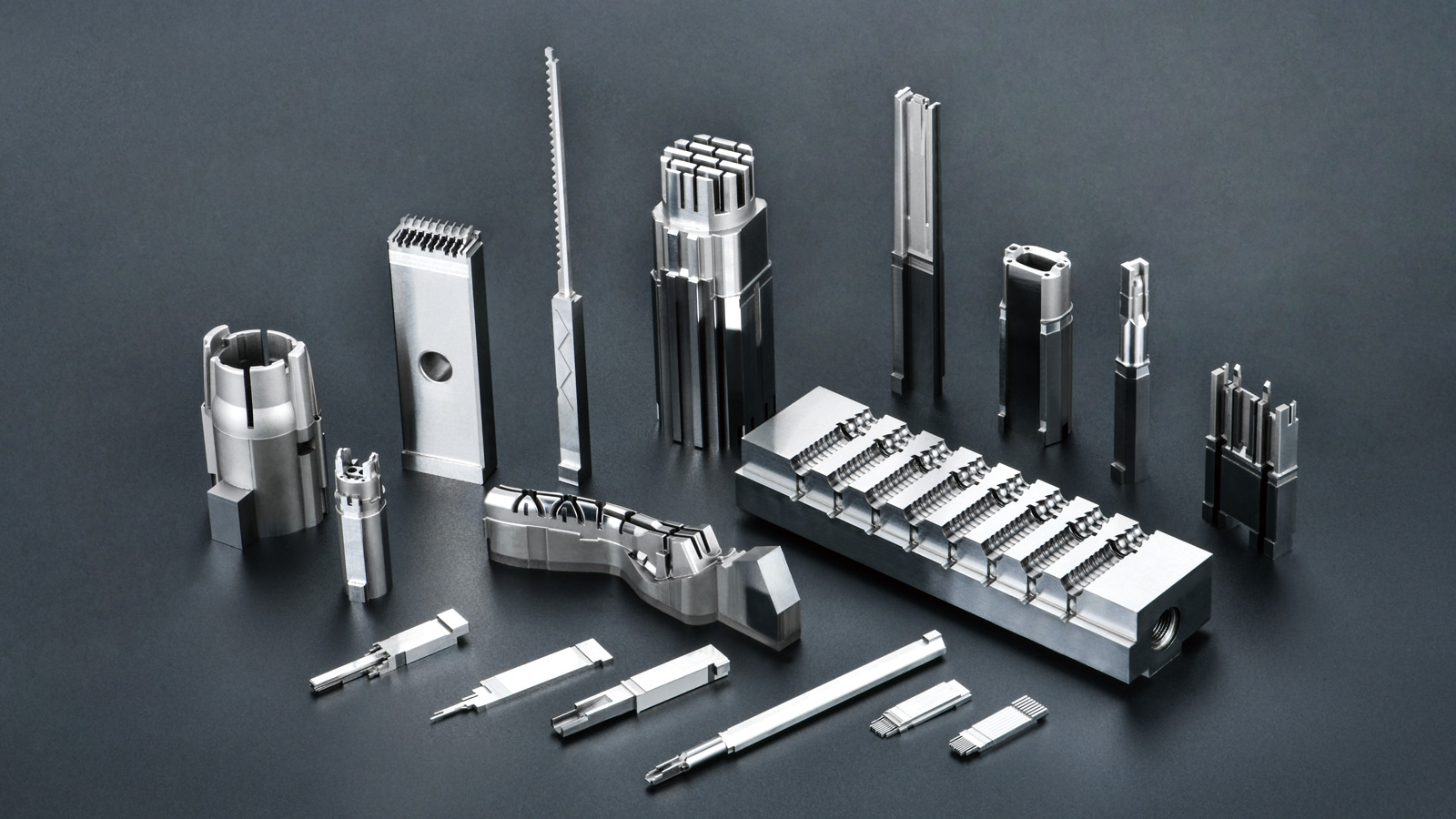
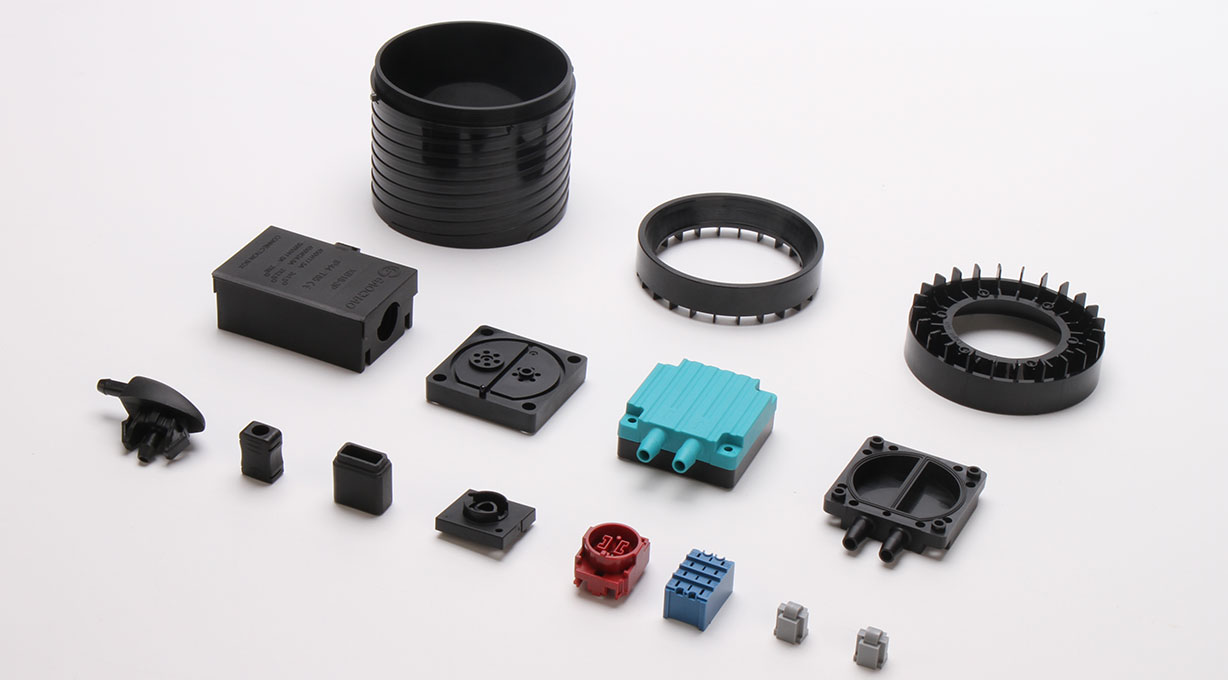


In the field of injection mold manufacturing, the quality of injection mold components directly determines the lifespan, production stability, and final product yield of molds. For injection molding workshops, selecting components is not merely a procurement activity, but a systematic decision impacting cost, efficiency, and brand reputation. Below are six critical dimensions to consider when selecting mold components.
1. Ease of Assembly and Maintenance Friendliness
High-quality mold components should offer “plug-and-play” functionality. When selecting, verify that suppliers provide clear, standardized installation instructions. Packaging should also clearly outline key maintenance procedures—such as cleaning intervals, lubrication methods, disassembly, and replacement protocols. This reduces the technical barrier for assembly personnel and effectively extends the overall service life of the mold.
2. Price Transparency and Total Cost of Ownership
Price is an important factor, but not the sole criterion. Workshops should confirm whether quotes include taxes and shipping fees to avoid hidden costs. Truly competitive components are built on genuine materials, not price undercutting. Evaluate pricing in conjunction with component lifespan and maintenance frequency to calculate total lifecycle cost.
3. Interchangeability of Critical Components
Mold designs frequently evolve due to product iterations, making component interchangeability essential. Ensure selected components are widely compatible within the industry, or that the supplier offers long-term version compatibility support. This guarantees that identical replacement parts can be sourced locally or through the original manufacturer, preventing mold obsolescence due to discontinued components.
4. Quality Consistency and Full Traceability
Component quality should not rely solely on sampling. It must be underpinned by a supplier’s comprehensive quality management system. Prioritize suppliers who provide batch-specific quality records and can trace every product from raw material to finished good. This is not only a guarantee of quality but also critical for rapid root-cause analysis and liability assignment when anomalies occur.
5. Product Range and Non-Standard Customization Capability
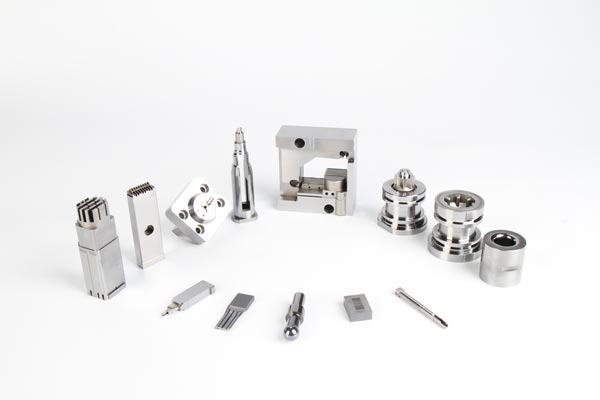
In practice, workshops often require specialized materials or non-standard dimensions. Therefore, the breadth of a supplier’s product line and their ability to deliver rapid custom solutions are key indicators of their capability. A mature supplier should offer end-to-end solutions—from standard parts to custom geometries—ensuring one-stop access to replacement components during design changes.
6. Industry Certifications and Process Standards
Certifications are vital benchmarks for evaluating supplier management standards. Components compliant with HASCO standards or certified under ISO9001 have undergone rigorous, standardized control throughout procurement, production, and assembly. Choosing such certified products ensures stable quality output,规范 delivery processes, and reliable after-sales support.
Why choose Yize Mould?
As a professional mold manufacturer and injection mold components supplier, Yize Mould understands the decisive impact of component selection on mold performance. We consistently prioritize customer needs and have established core strengths in the following areas:
- End-to-End Quality Control: Strict adherence to ISO9001 quality management systems from raw material intake to final shipment, ensuring consistent performance and batch traceability for every component.
- High Interchangeability: Designs aligned with international standards (e.g., HASCO), ensuring seamless compatibility across diverse mold systems and reducing post-installation maintenance complexity.
- Transparent Pricing Structure: All-inclusive quotes covering taxes and freight—no hidden fees—enabling clear cost forecasting.
- Flexible Non-Standard Customization: An experienced engineering team capable of rapidly responding to requests for special materials or custom dimensions, accelerating mold development cycles.
- Full Lifecycle Support: Comprehensive technical assistance—from initial selection and installation guidance to ongoing maintenance—helping clients maximize mold efficiency and uptime.
FAQ (Frequently Asked Questions)
Q1: How can I determine if a mold component supplier is reliable?
A: Evaluate based on three criteria: whether they hold authoritative certifications such as ISO9001; whether they provide batch traceability records; and their product’s compatibility and reputation within the industry.
Q2: How long does custom non-standard mold component development typically take?
A: Lead time depends on complexity and material requirements. Suppliers with strong responsiveness typically complete design and prototyping within 3–7 working days; batch production timelines require separate assessment.
Q3: What primarily causes price differences among mold components?
A: Key factors include material grade, machining precision, surface treatment, and brand premium. Customers should evaluate total cost of ownership—including lifespan and maintenance—rather than focusing solely on initial purchase price.
Q4: How can I ensure components remain compatible after mold design changes?
A: Prioritize components compliant with industry-standard specifications (e.g., HASCO, DME) and confirm with the supplier whether their product line supports version iteration and backward compatibility.