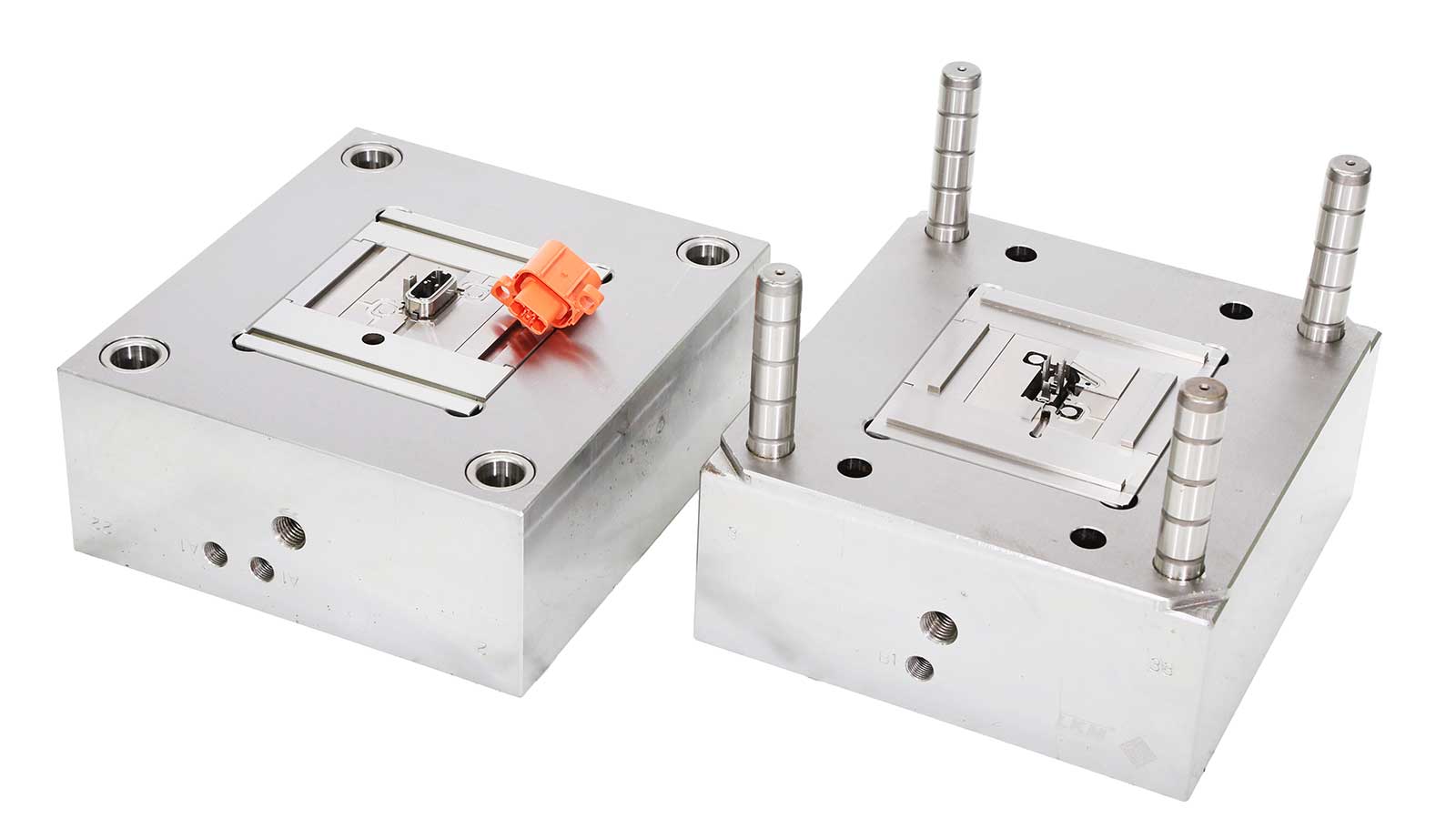
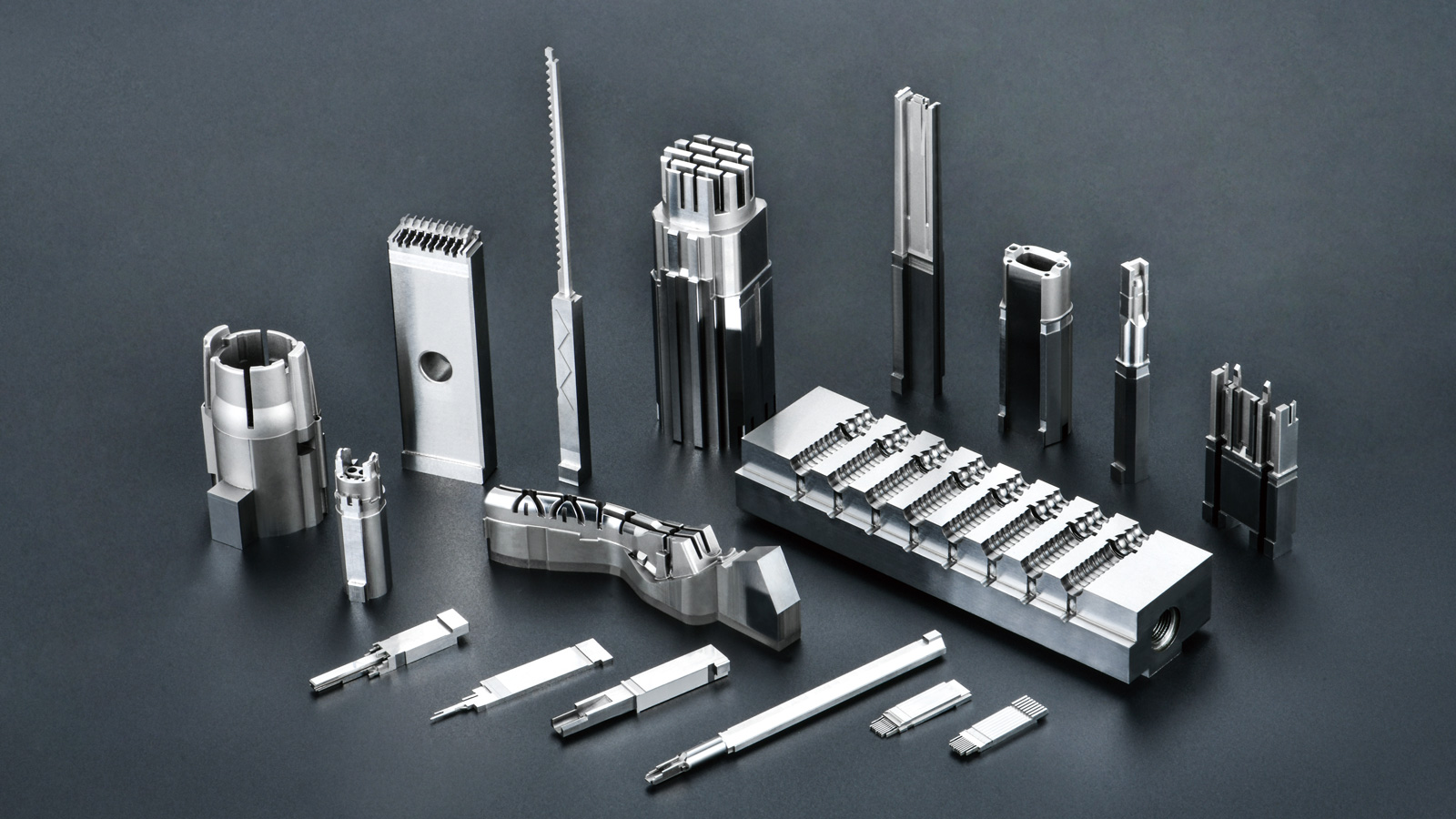
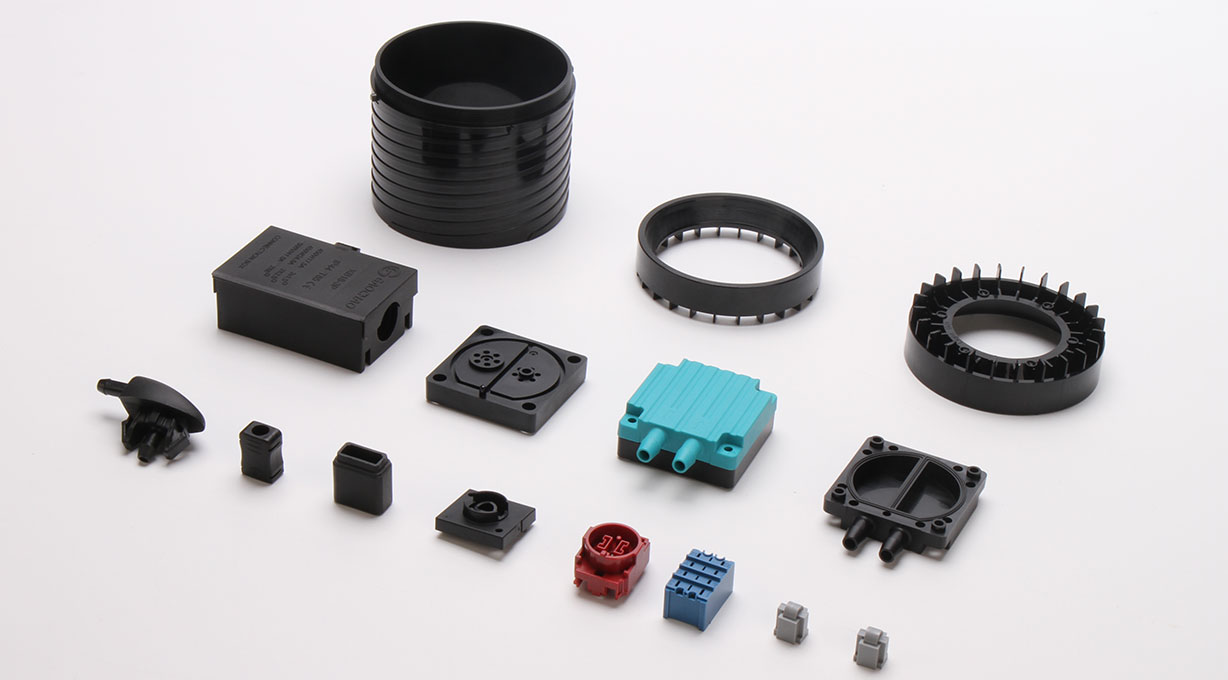
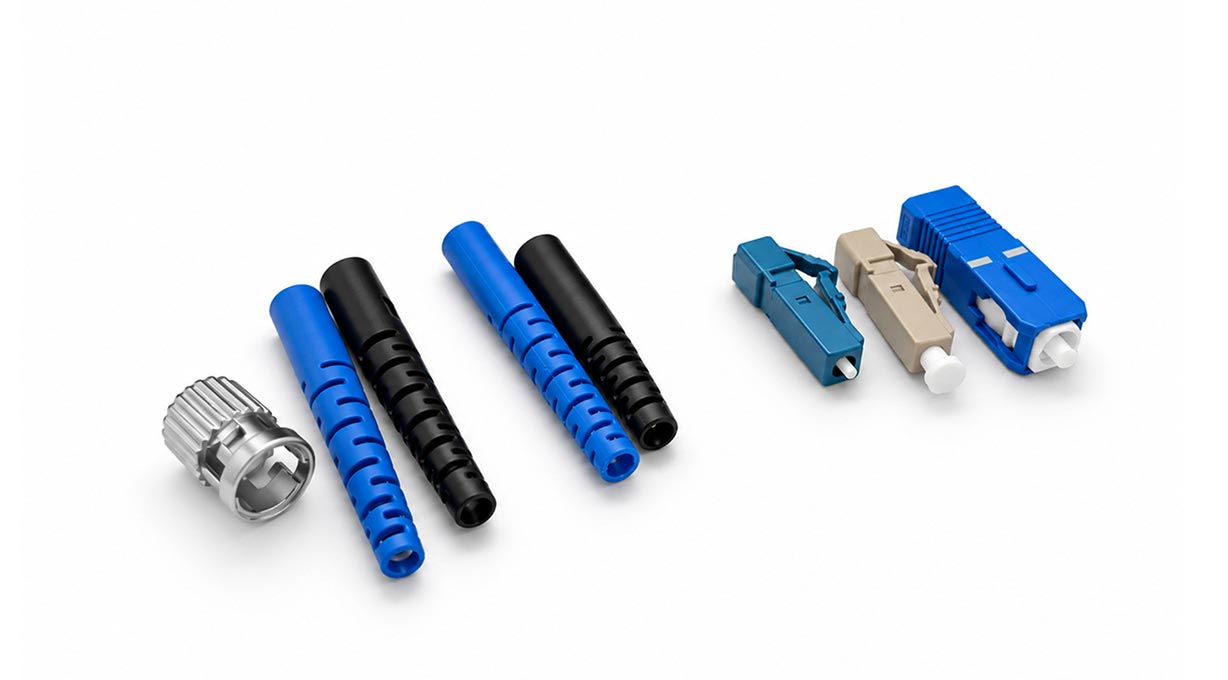



n injection molding, die casting and precision forming manufacturing, the surface condition of molds directly determines product yield, demolding stability and mold service life. Mold surface treatment technology modifies the surface layer of mold cavities through physical, chemical and thermochemical methods to achieve wear resistance, corrosion resistance, low friction and anti-sticking properties. It is an indispensable process in the manufacturing and maintenance of precision molds. Proper selection of surface treatment processes can reduce mold maintenance frequency, cut downtime losses and control the overall manufacturing cost for mass production projects.
1. Classification and Application Characteristics of Mainstream Mold Surface Treatment Processes
1.1 Thermochemical Diffusion Treatment
Nitriding is the most commonly used process in this category. At low temperature, nitrogen atoms penetrate into the surface of mold steel to form a hardened diffusion layer with high hardness. The process causes minimal workpiece deformation and strong bonding with the substrate without the risk of coating peeling. It is suitable for standard injection molds and die casting molds, improving anti-seizure and corrosion resistance for molding scenarios with corrosive raw materials such as flame-retardant plastics.
1.2 Vapor Deposition Coating Technology
PVD (Physical Vapor Deposition) deposits hard thin films in a low-temperature vacuum environment. The coating is thin with controllable workpiece deformation, making it ideal for high-precision molds in medical, optical communication and other sectors. Coatings including TiN, CrN and DLC can greatly reduce friction coefficients, optimize demolding and resist abrasive wear brought by glass fiber filled materials.
CVD (Chemical Vapor Deposition) requires higher deposition temperature. Its coating features excellent density and adhesion with outstanding wear resistance, which is widely applied to heavy-load die casting molds. The downside is that high-temperature treatment may lead to substrate deformation, and secondary finishing is often required after processing.
1.3 Traditional Electroplating and Polishing Processes
Hard chrome plating and electroless nickel plating are classic wet surface treatments. They deliver uniform coatings for complex cavity structures to enhance surface finish and corrosion resistance of molds. Mold polishing is not merely cosmetic finishing. Mirror polishing reduces surface roughness, prevents sticking and improves the appearance of molded parts, widely used in optical housings and high-end consumer product molds.
1.4 Laser Surface Strengthening Technology
Laser hardening and laser cladding use high-energy laser beams to modify local mold areas. They can repair worn cavities and chipped edges in a targeted manner for localized hardening. This process comes with a small heat-affected zone, suitable for large molds or repairing partially failed molds to avoid the cost of full mold remanufacturing.
2. Core Considerations for Mold Surface Treatment Selection
Process selection should not rely solely on hardness indicators and requires comprehensive evaluation based on molding working conditions. First, analyze molding materials. Glass fiber reinforced and mineral-filled plastics are prioritized for high-wear PVD coatings; corrosive raw materials are better matched with nitriding or electroless nickel treatment. Second, assess mold precision grades. Precision cavities prefer low-temperature, low-deformation processes to avoid dimensional out-of-tolerance risks. Meanwhile, take production volume into account. Long-run mass production molds are recommended for combined treatment solutions, such as nitriding as base treatment plus PVD coating, to balance service life and input cost. Finally, evaluate subsequent machining. Some coating processes cannot support EDM or grinding after treatment, so process sequence must be reserved in early-stage planning.
3. Quality Control Points for Mold Surface Treatment
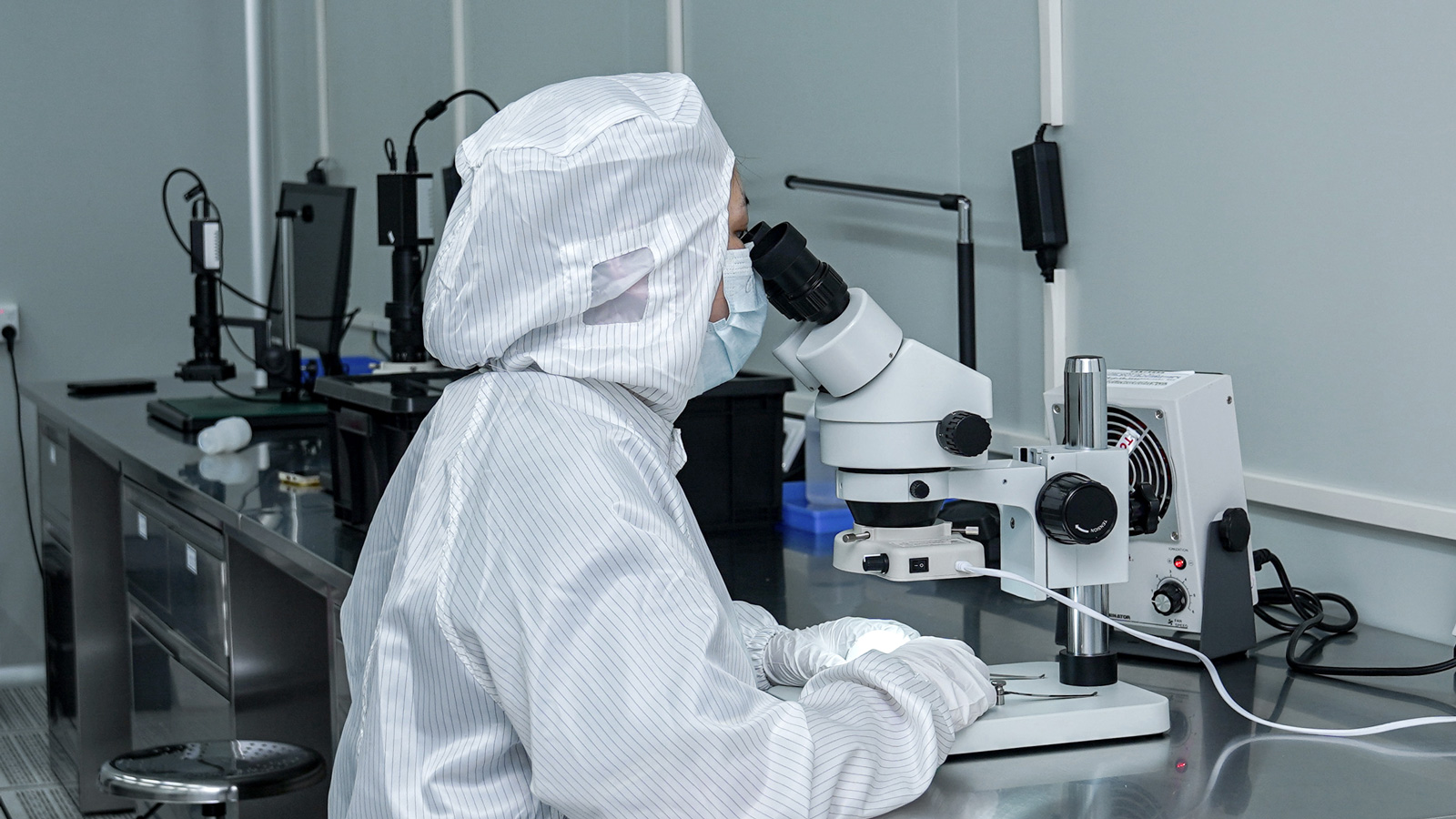
Most failures of mold surface treatment originate from inadequate pre-treatment. Before surface treatment, mold cavities must be fully degreased, oxide layers removed and microcracks cleaned, otherwise coating peeling and poor adhesion will occur. After surface treatment, tests on surface hardness, coating thickness, surface roughness and adhesion shall be conducted. Molds need standardized maintenance during service to avoid hard object scratches on cavities and regular cleaning to preserve the performance of treated layers and maximize mold service life.
FAQ
Q1: How to choose between nitriding and PVD coating? A1: Nitriding is substrate diffusion hardening with no standalone coating and low peeling risk, suited for general mass-production molds. PVD deposits thin surface films with minimal low-temperature deformation, delivering superior wear resistance and low friction for precision molds and glass fiber material molding, though its cost is higher than nitriding.
Q2: Can molds be polished after PVD coating? A2: PVD coatings are usually only several microns thick. Large-area polishing after coating is not recommended, as it may wear through the coating and lose protective performance. If mirror finish is required, mold polishing should be completed before coating.
Q3: Can surface treatment completely solve mold sticking issues? A3: Surface treatment can lower friction and reduce sticking tendency. However, mold sticking is also related to plastic formulation, molding temperature and venting design. It needs to be optimized together with mold structure instead of relying on coatings alone.
Q4: What molds are not suitable for CVD process? A4: Molds with strict dimensional tolerance and thin-wall precision molds are not recommended for CVD. High-temperature processing of this process tends to cause mold substrate deformation, and secondary machining correction is generally required after treatment.