


Introduction
In the world of engineering plastics molding, material selection directly determines product performance, production yield, and long-term cost efficiency. Among high-performance polymers, Liquid Crystal Polymer (LCP) and Polyether Ether Ketone (PEEK) consistently rank as the two most trusted choices for demanding applications in medical devices, semiconductor components, telecommunications hardware, and automotive systems. Although both materials deliver exceptional thermal and mechanical performance, their behaviors during molding and in-service conditions differ significantly. This article compares LCP and PEEK across the dimensions that matter most to design engineers, procurement teams, and precision molding partners.
What Is LCP?
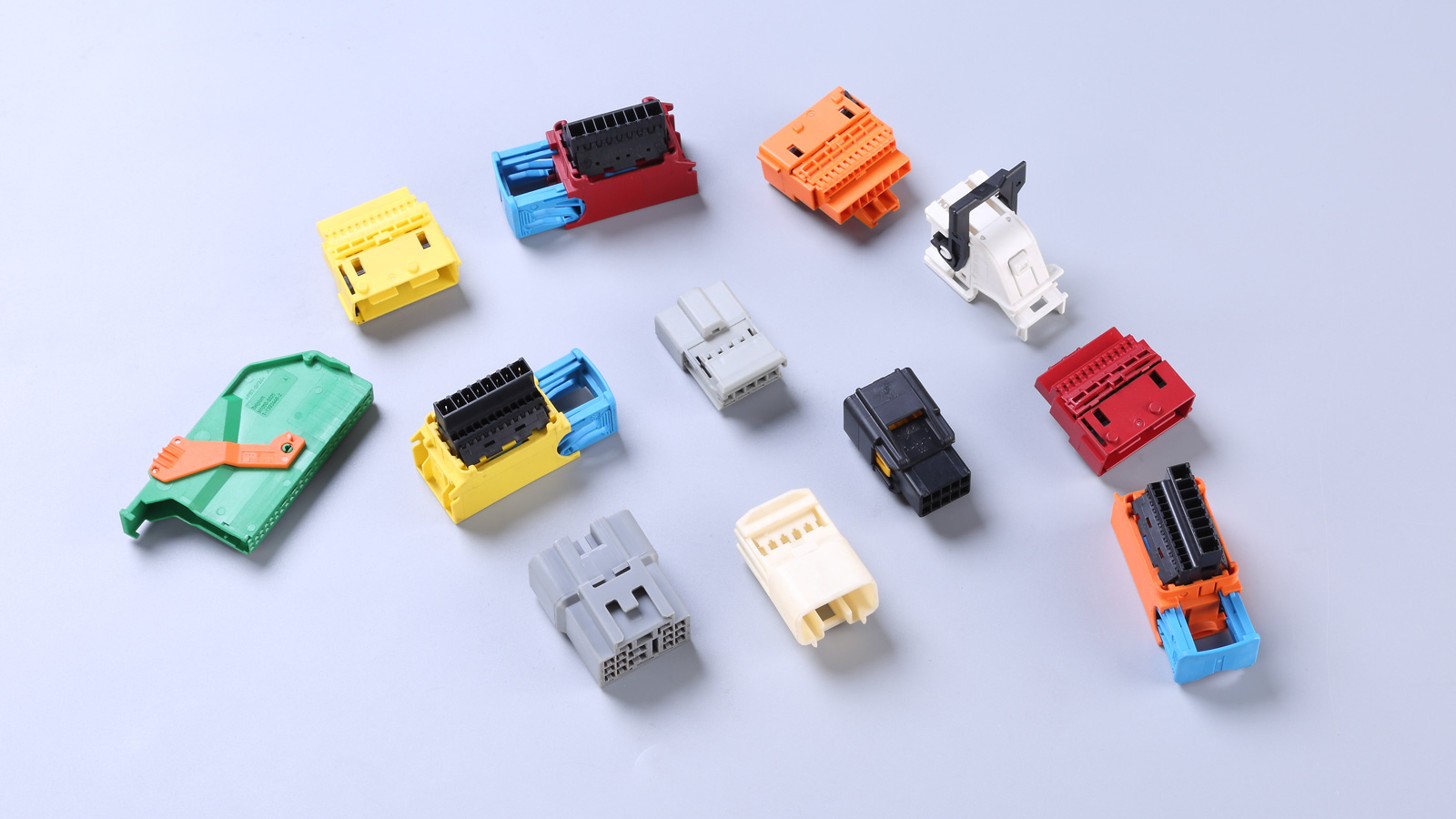
Liquid Crystal Polymer is a class of aromatic thermoplastic known for its rigid molecular chain structure, which forms liquid crystalline domains in the melt. This molecular arrangement gives LCP exceptional flow behavior, allowing it to fill extremely thin and intricate mold geometries with minimal pressure. LCP exhibits low moisture absorption, outstanding dimensional stability, and natural flame retardancy without additives. It is widely regarded as the preferred material for ultra-fine-pitch connectors, sensor housings, and miniaturized components where wall thicknesses below 0.3 millimeters are common.
What Is PEEK?
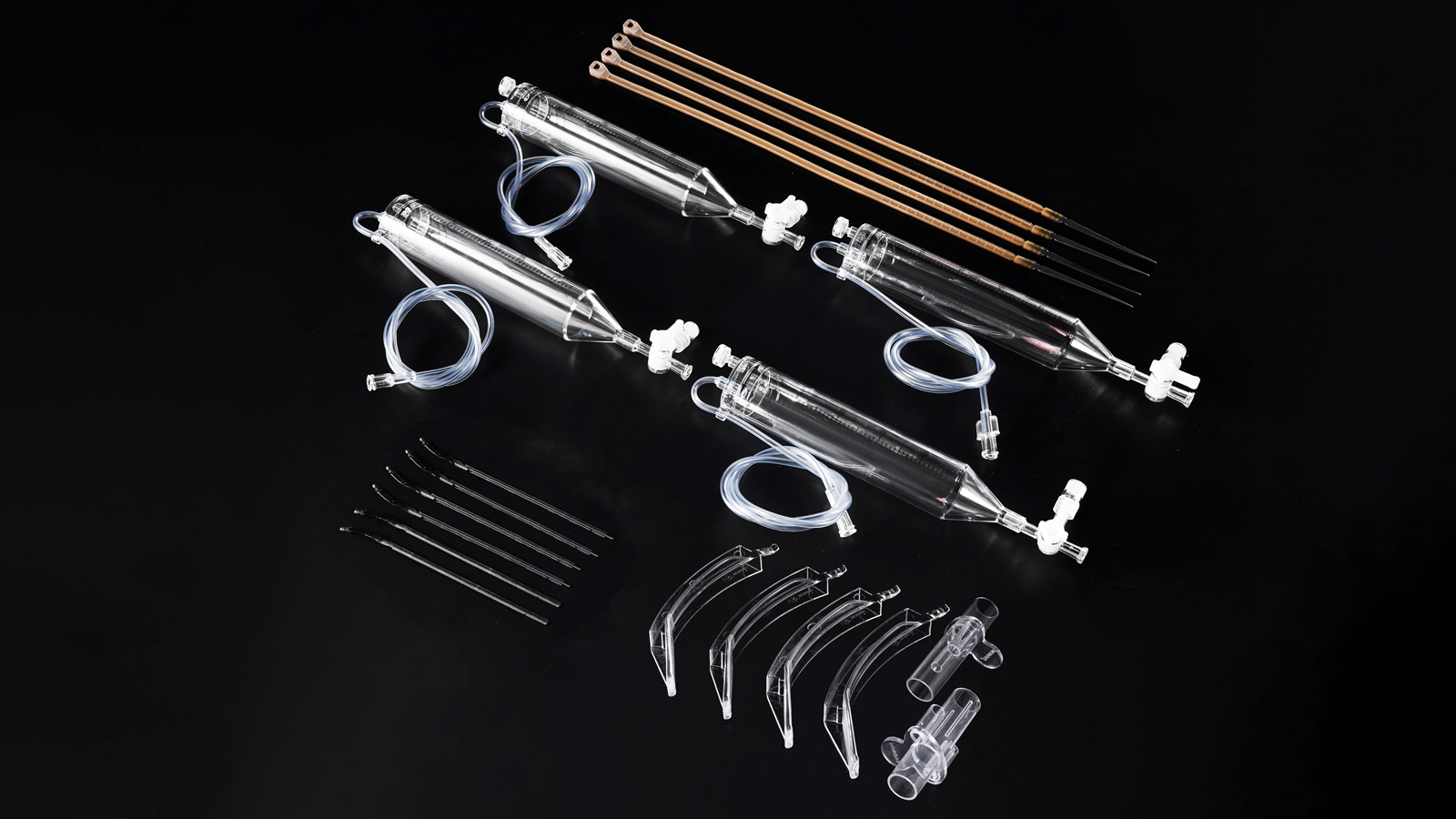
Polyether Ether Ketone belongs to the polyaryletherketone (PAEK) family and is recognized as one of the highest-performance thermoplastics commercially available. PEEK combines continuous-use temperatures above 250 degrees Celsius with outstanding tensile strength, fatigue resistance, and excellent resistance to harsh chemicals, sterilization cycles, and radiation. Its toughness and biocompatibility make it a staple in surgical instruments, implantable device components, semiconductor wafer handling parts, and downhole oil and gas equipment. PEEK is typically specified where mechanical load-bearing capability and long-term reliability under extreme environments outweigh cost concerns.
Thermal Performance
Thermal behavior is often the first differentiator in engineering plastics molding. PEEK offers a higher continuous service temperature, typically ranging from 240 to 260 degrees Celsius, and retains its mechanical properties at temperatures where most engineering thermoplastics soften or creep. LCP has a lower continuous-use ceiling, generally around 200 to 240 degrees Celsius depending on grade, but it outperforms PEEK in near-net-shape molding due to its extremely low coefficient of linear thermal expansion and minimal warpage. For connectors exposed to reflow soldering at peak temperatures above 260 degrees Celsius, specially formulated LCP grades are often selected because they can withstand the transient thermal shock without deformation.
Mechanical and Dimensional Properties
PEEK delivers superior tensile strength, flexural modulus, and impact resistance, making it suitable for structural parts that must bear static and dynamic loads over decades. LCP, by contrast, is anisotropic: its highly oriented molecular chains provide excellent strength along the flow direction but can lead to lower transverse properties if gate and flow patterns are poorly designed. In precision engineering plastics molding, LCP’s ultra-low shrinkage (often below 0.3 percent) and tight tolerance capability give it a distinct advantage for micro-sized components, gear wheels, and coil bobbins where sub-0.01 millimeter dimensional accuracy is required.
Chemical Resistance and Environmental Stability
Both materials resist a broad spectrum of solvents, fuels, acids, and bases. PEEK maintains integrity against aggressive automotive fluids, jet fuels, and sterilization media including autoclaving, gamma irradiation, and ethylene oxide. LCP performs well against most chemicals but is susceptible to stress cracking when exposed to certain halogenated solvents and strong oxidizing agents at elevated temperatures. For medical applications involving repeated autoclave cycles, PEEK is generally the safer long-term choice, while LCP remains adequate for disposable or non-sterilization-contact components.
Processing and Molding Characteristics
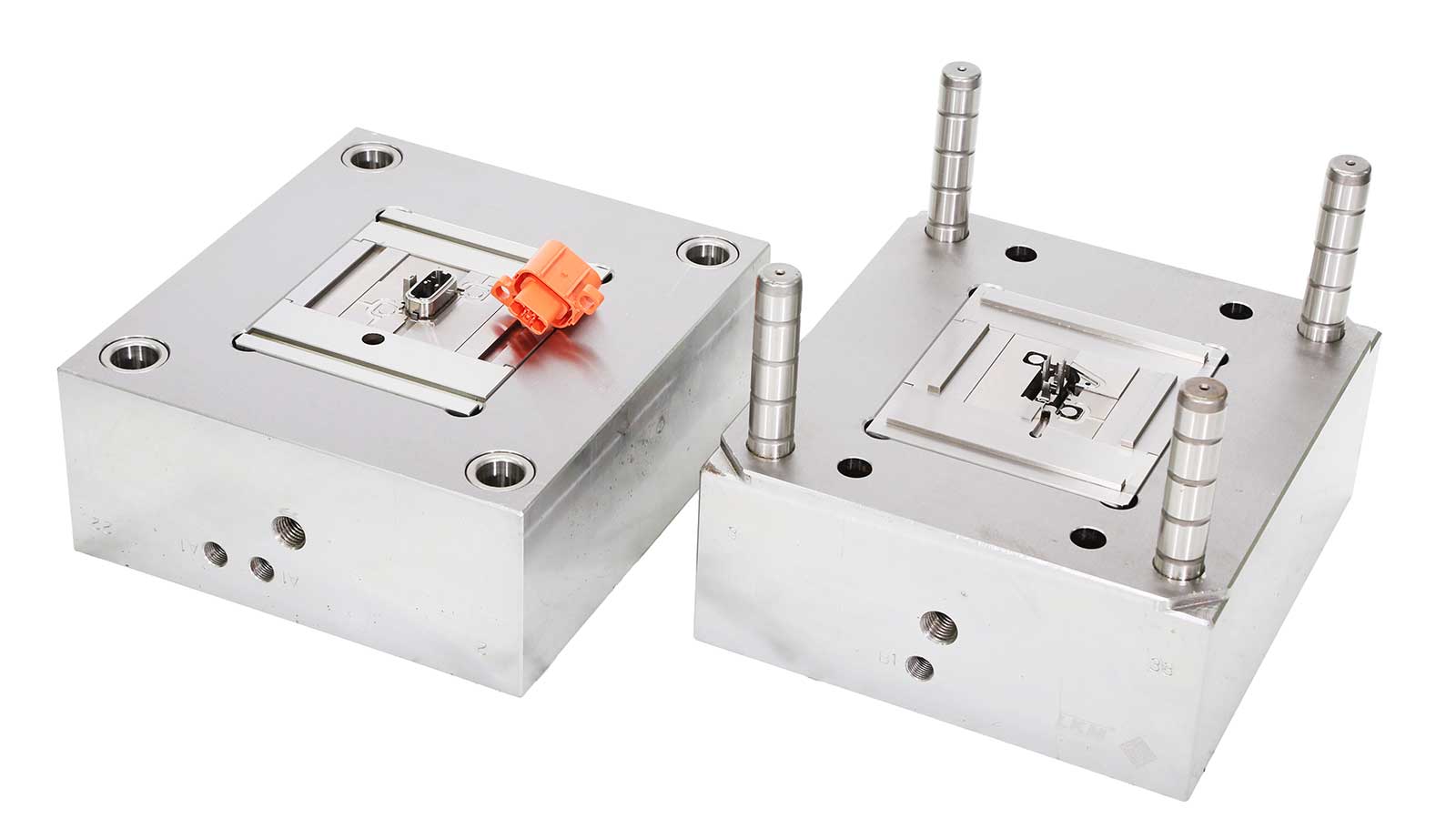
Processing differences have a direct impact on production economics. LCP has excellent flow characteristics and can be molded at relatively low injection pressures, enabling high-cavitation tooling and fast cycle times. Its low shrinkage reduces post-molding distortion, and it releases cleanly from tool surfaces. PEEK requires high melt temperatures (360 to 400 degrees Celsius) and high tool temperatures (170 to 200 degrees Celsius), demanding robust injection molding machines, hardened tooling, and longer cycle times. The drying requirement for PEEK is also more stringent, typically necessitating four hours of dehumidification drying at 150 degrees Celsius. For engineering plastics molding operations focused on micro and thin-wall parts, LCP generally offers higher throughput and lower per-part processing cost.
Cost Considerations
PEEK raw material cost is typically several times higher than LCP, and its higher processing energy demand and longer cycle times further elevate per-part expense. LCP, while still premium-priced compared to commodity engineering plastics, is more economical in high-cavitation, high-volume production scenarios. However, when PEEK’s mechanical superiority extends component lifespan or enables metal replacement in aerospace and medical applications, the total cost of ownership often favors PEEK over the product lifecycle.
Typical Application Areas
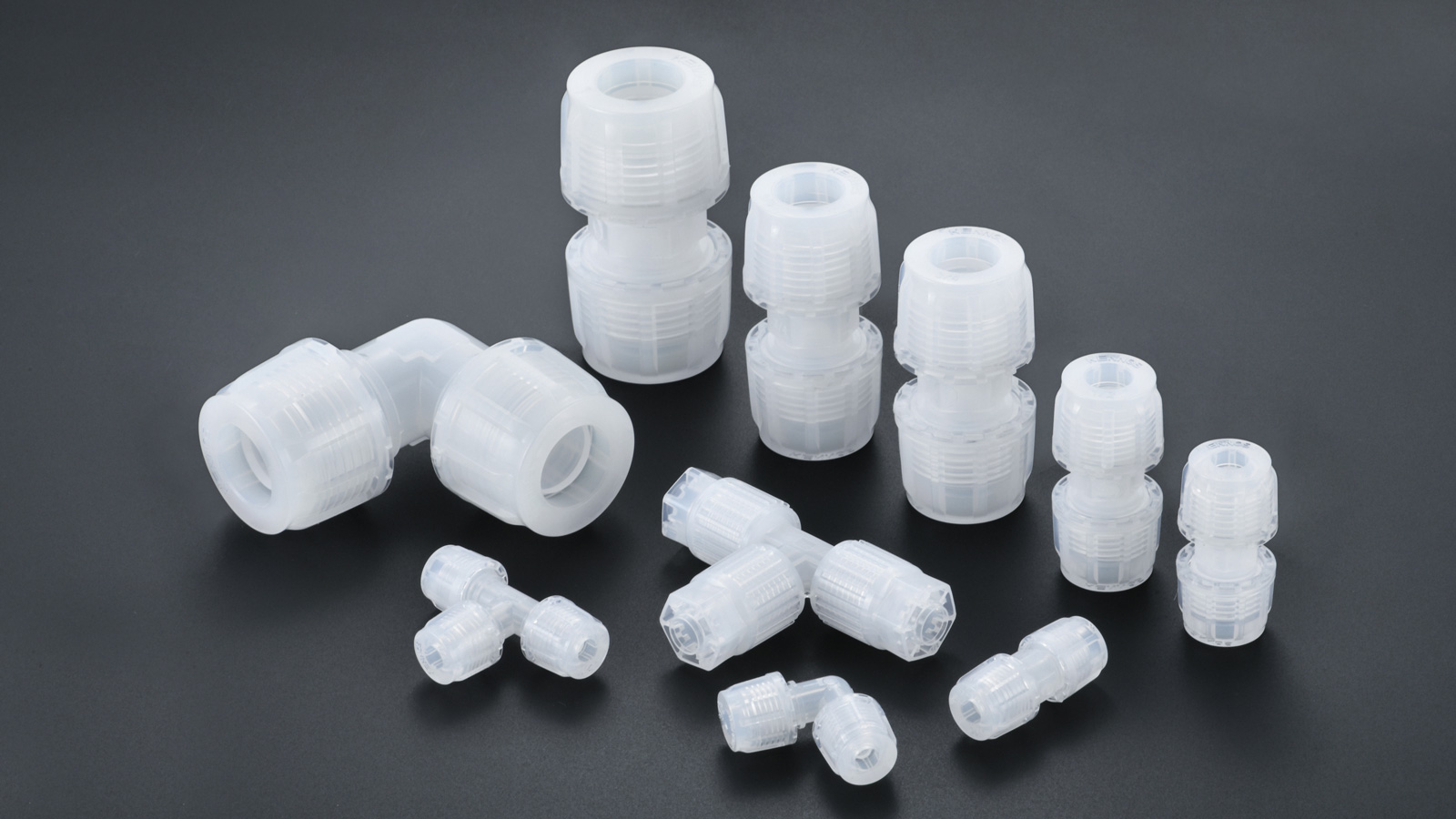
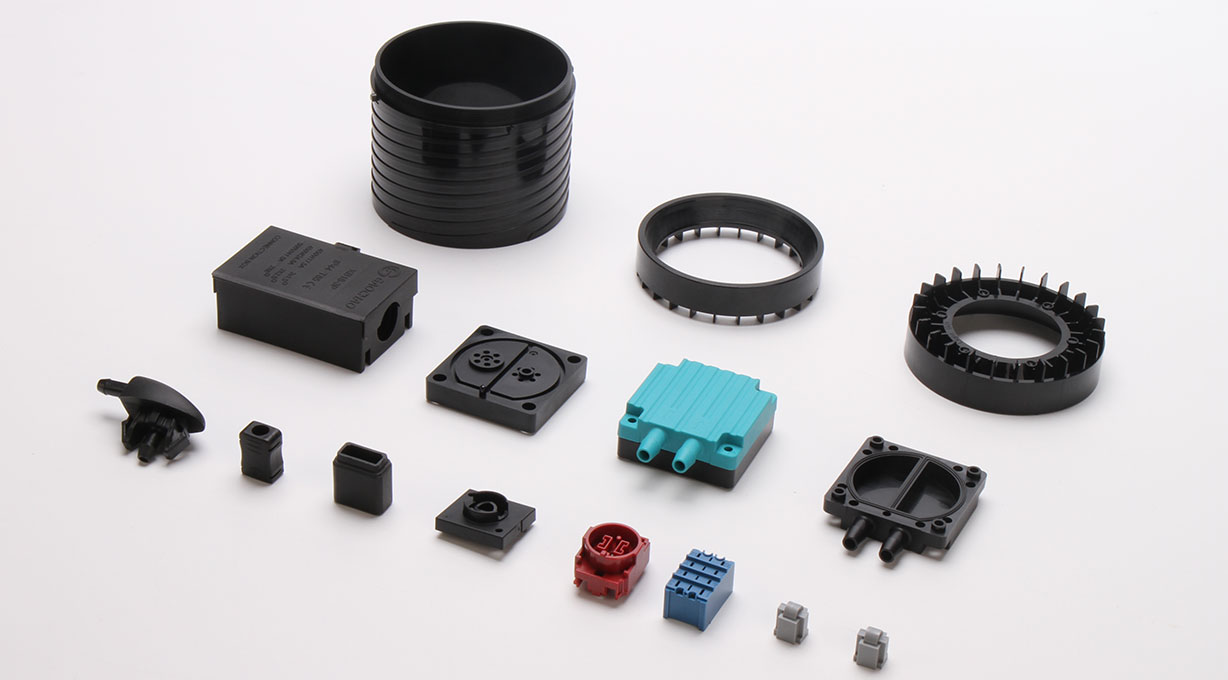
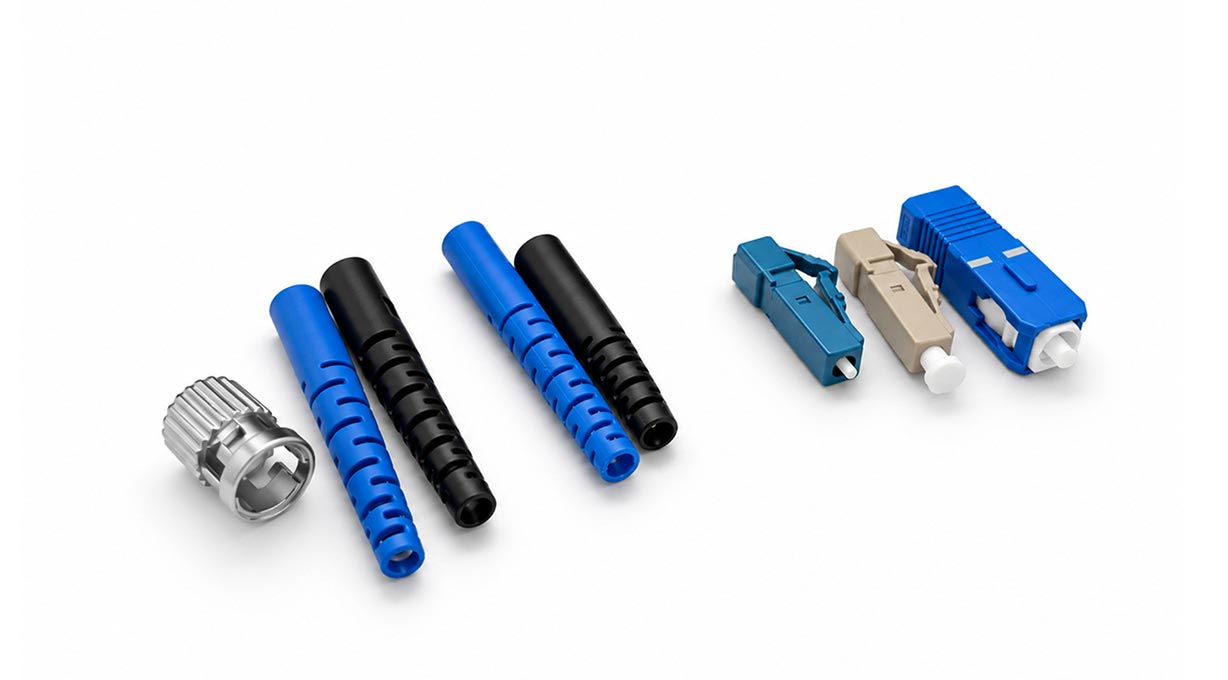
LCP dominates in high-frequency connector insulation, coil formers, BGA sockets, LED components, and microelectromechanical systems packaging where thin-wall molding and solder reflow resistance are critical. PEEK is the material of choice for orthopedic and spinal implants, semiconductor test sockets, pump components, valve seats, bearing cages, and aircraft interior structural parts. In mixed-material engineering plastics molding programs, design teams often pair LCP for intricate insulating sub-assemblies with PEEK for load-bearing structural elements, leveraging the strengths of each polymer.
Making the Right Choice
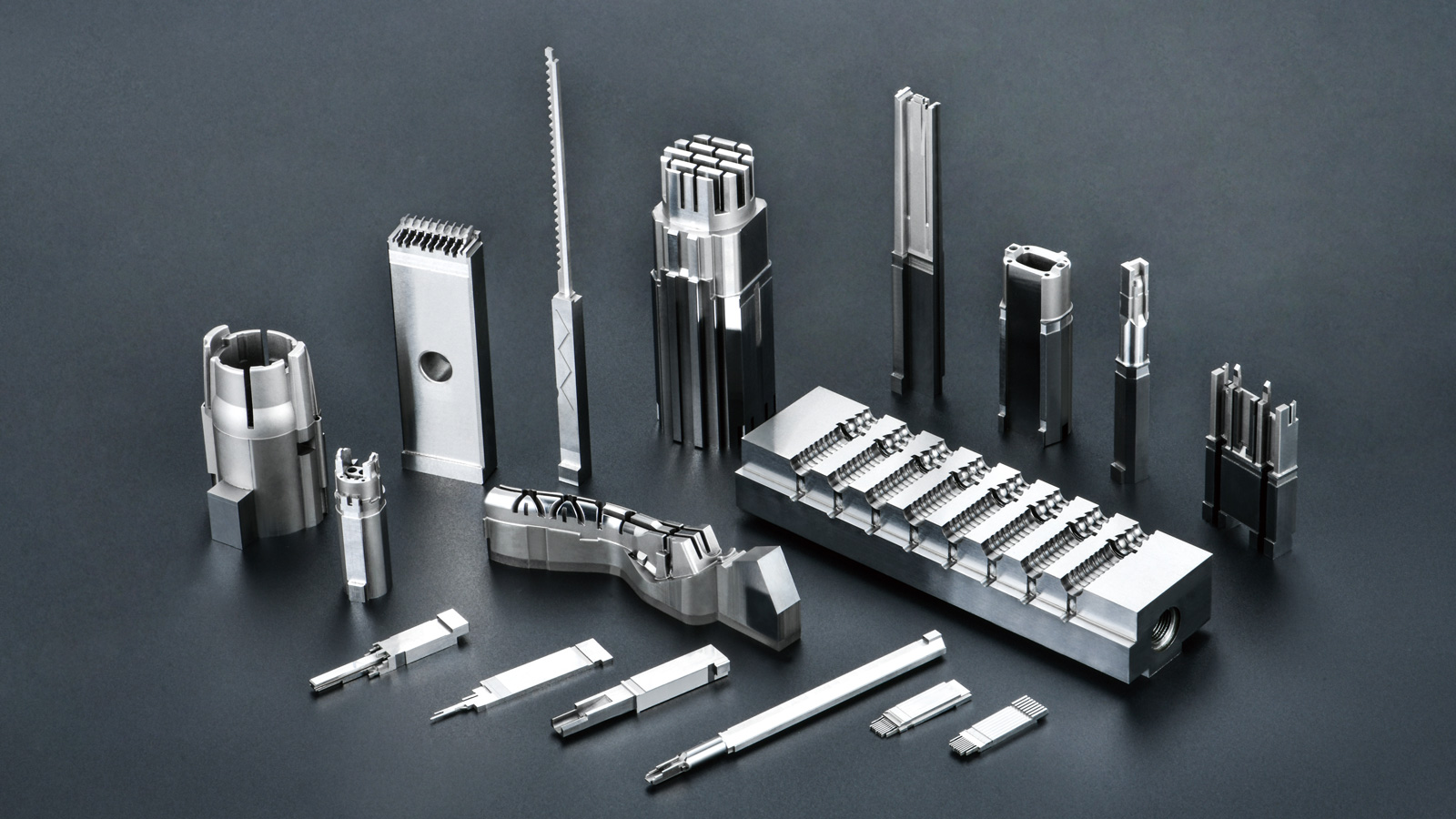
Selecting between LCP and PEEK should begin with defining the operating environment: temperature range, mechanical loads, chemical exposure, sterilization requirements, and tolerance budgets. If the application demands ultra-precision thin-wall molding, solder reflow survival, and high-volume economics, LCP is usually the more efficient solution. If the component must withstand sustained structural loads, aggressive chemical media, or repeated sterilization at elevated temperatures, PEEK delivers the reliability that engineers require. Partnering with an experienced engineering plastics molding specialist early in the design phase allows material choice, gate design, and tooling strategy to be optimized together.
Frequently Asked Questions
Can LCP replace PEEK in medical device applications?
LCP can replace PEEK in medical components that do not require permanent implant load-bearing capacity or repeated autoclave cycles, such as disposable device housings, connector insulators, and single-use surgical tooling. For long-term implants and high-cycle sterilized instruments, PEEK remains the preferred material due to its proven biocompatibility and fatigue resistance.
Which material is easier to mold for very thin-wall parts?
LCP is significantly easier to mold in thin-wall applications because its liquid crystalline melt flows readily into wall sections below 0.3 millimeters at lower injection pressures. PEEK requires higher melt and tool temperatures and greater injection pressure, making ultra-thin-wall molding more challenging and costly.
Is PEEK always more expensive than LCP?
PEEK resin is generally several times the cost of LCP per kilogram, and its longer cycle times and higher energy consumption further widen the cost gap per finished part. However, when PEEK enables metal substitution, extended service life, or simplified assembly, the total lifecycle cost can be competitive.
Can LCP withstand lead-free reflow soldering temperatures?
Many high-heat LCP grades are specifically formulated to withstand lead-free reflow peaks of 260 degrees Celsius and above, which is why LCP is the dominant material in surface-mount connector manufacturing. Standard LCP grades may deform under such conditions, so selecting the correct grade is essential.