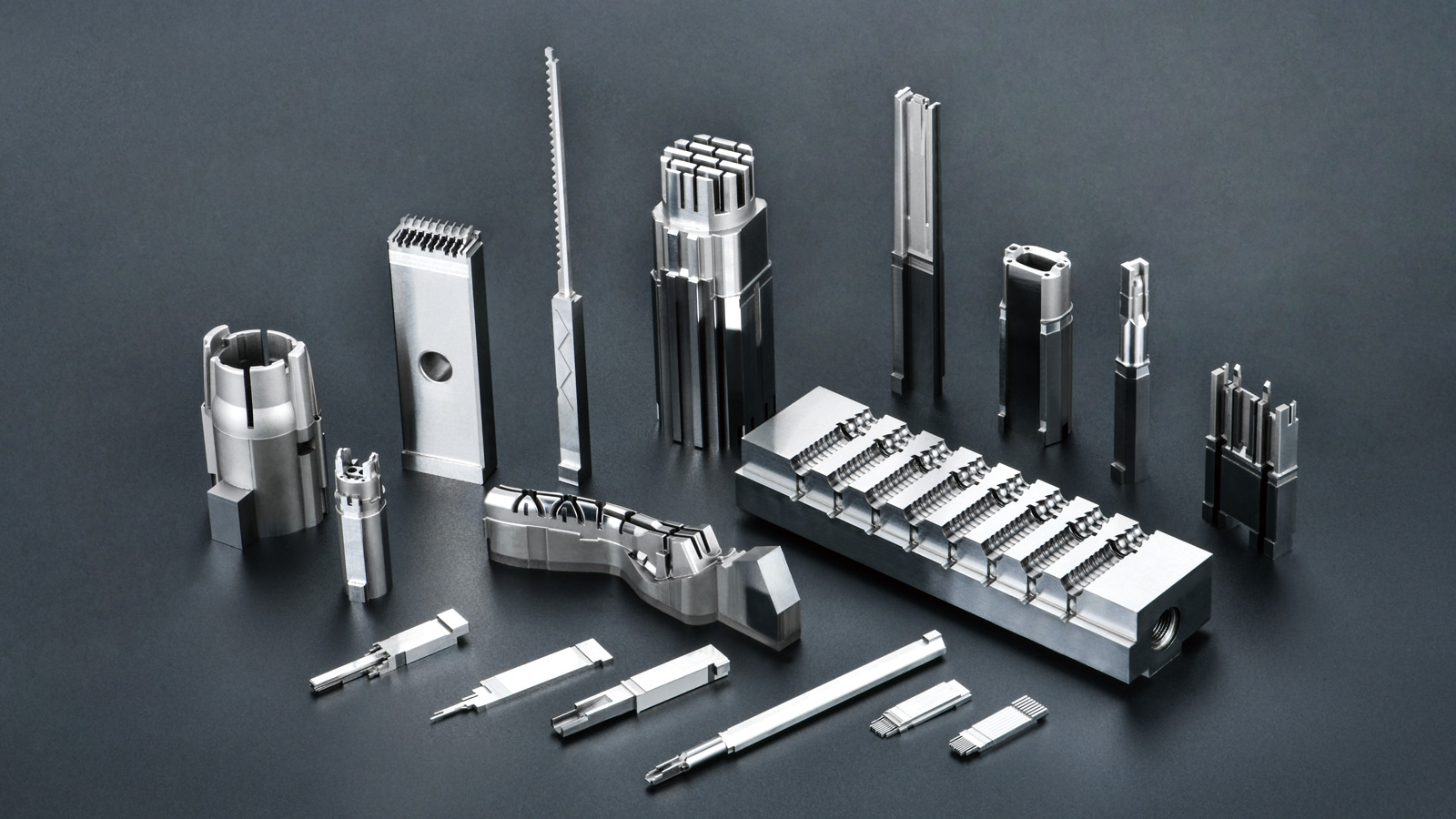
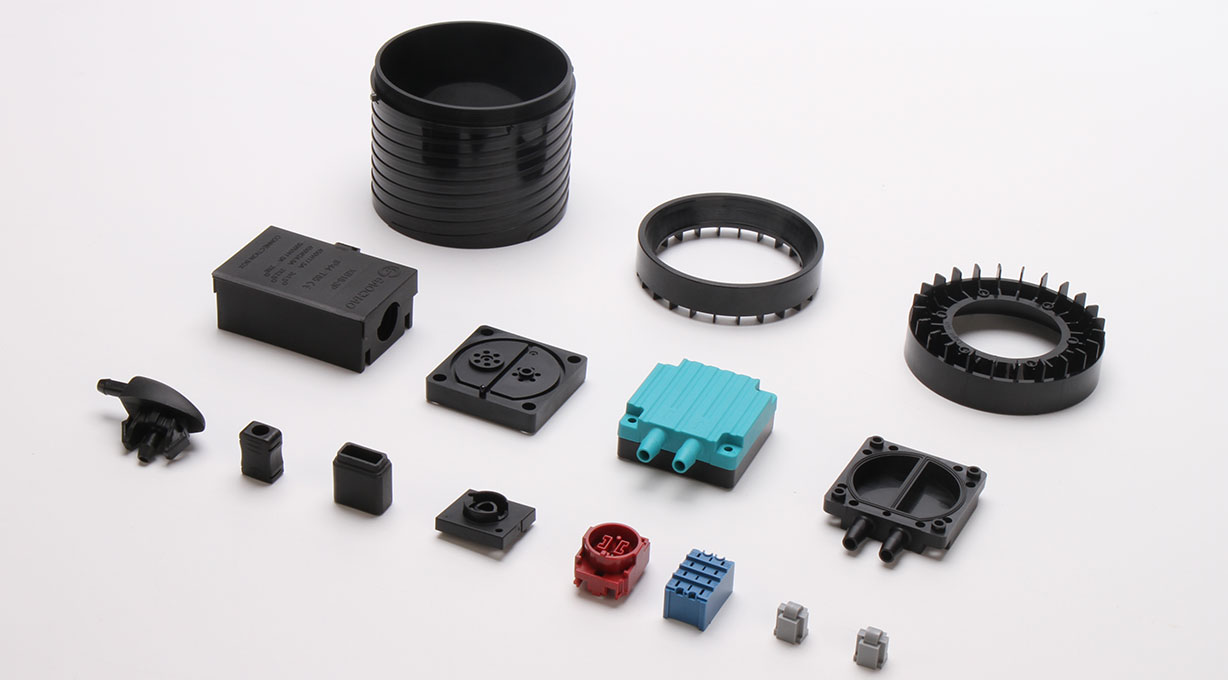




Mold injection molding is the core process carrier for mass production of plastic products. Its accuracy level directly determines the dimensional stability and surface quality of every part of the finished product. For mold injection molding, the core objective is clear: to consistently produce qualified parts that meet quality standards, while ensuring the mold has a sufficient service life.
1. What Is Mold Injection Molding Accuracy
The accuracy of mold injection molding as referred to in the industry mainly covers two dimensions: the working dimensional accuracy of all parts after mold forming, and the surface quality of the forming surfaces.
In terms of dimensional accuracy, the design and manufacturing dimensions of forming parts are generally based on the part design dimensions. Key factors such as the shrinkage of the injection molded part after forming and the sufficient wear allowance required on the forming surface after mold injection molding are comprehensively considered, and the dimensions are calculated and determined using industry-standard empirical formulas. Generally, the manufacturing tolerance of mold working dimensions should be strictly smaller than the part dimension tolerance. Taking stamping dies as an example, in addition to meeting the above basic requirements, the cumulative impact of each workpiece dimension manufacturing tolerance on the initial clearance between the front and rear dies must also be fully evaluated, ensuring that the sum of the manufacturing tolerances of the front and rear die working dimensions is smaller than the difference of the initial clearance between the front and rear dies, so as to guarantee the consistency of stamping quality.
2. Coordinated Control of Forming Surface Quality and Positioning Accuracy
The quality grade of the forming surface should be comprehensively determined based on the surface requirements of the part and the performance requirements of the mold. In addition to dimensional and surface quality, the following accuracy indicators are also key dimensions for measuring the manufacturing level of mold injection molding:
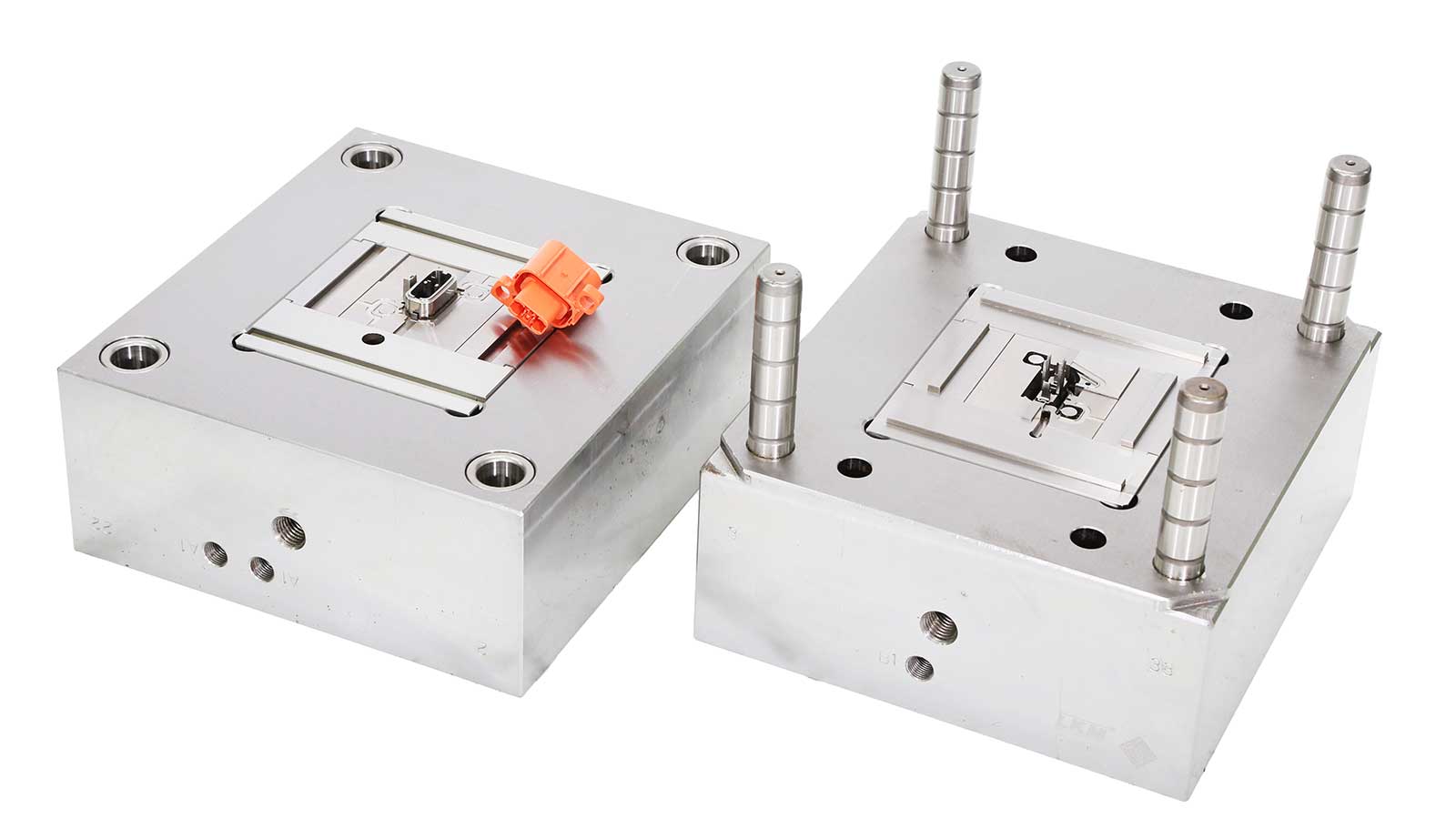
The guiding accuracy between the moving die and the fixed die directly affects the repeatability of mold closing and repositioning. The positioning accuracy of the blank in the mold determines the geometric consistency of the parts. Any deviation in either will have a significant chain effect on part quality.
3. Form Accuracy and Position Accuracy Cannot Be Overlooked
To fully ensure the accuracy level of mold injection molding, it is also necessary to strictly control the form accuracy of relevant part surfaces such as flatness and straightness, as well as position accuracy such as parallelism, perpendicularity, and coaxiality. After mold assembly, the related parallelism, perpendicularity, coaxiality, and other position errors between different components must also be included in the inspection scope. Any single item exceeding tolerance may lead to quality issues such as flash, burrs, and uneven wall thickness in the finished product.
In summary, accuracy control in mold injection molding is a systematic engineering effort that spans the entire process of design, machining, assembly, and mold trial. Only by establishing strict accuracy standards and inspection mechanisms at every stage can the goal of high-quality, highly consistent mass production truly be achieved.
Frequently Asked Questions (FAQ)
Q: What is the quantitative relationship between mold working dimension tolerance and part dimension tolerance?
A: Under general circumstances, the manufacturing tolerance of mold working dimensions should be controlled within one-third of the part dimension tolerance, to ensure that the injection molded part can consistently fall within the tolerance band.
Q: How much does mold shrinkage rate affect accuracy?
A: Shrinkage rate is one of the most critical variables affecting the final part dimensions. Different materials have significantly different shrinkage rates. For example, ABS is approximately 0.5% to 0.7%, PC is approximately 0.5% to 0.7%, while PP can reach 1.0% to 2.5%. If the shrinkage rate value is inaccurate, the part dimensions will be systematically too large or too small.
Q: How is the positional accuracy after mold assembly inspected?
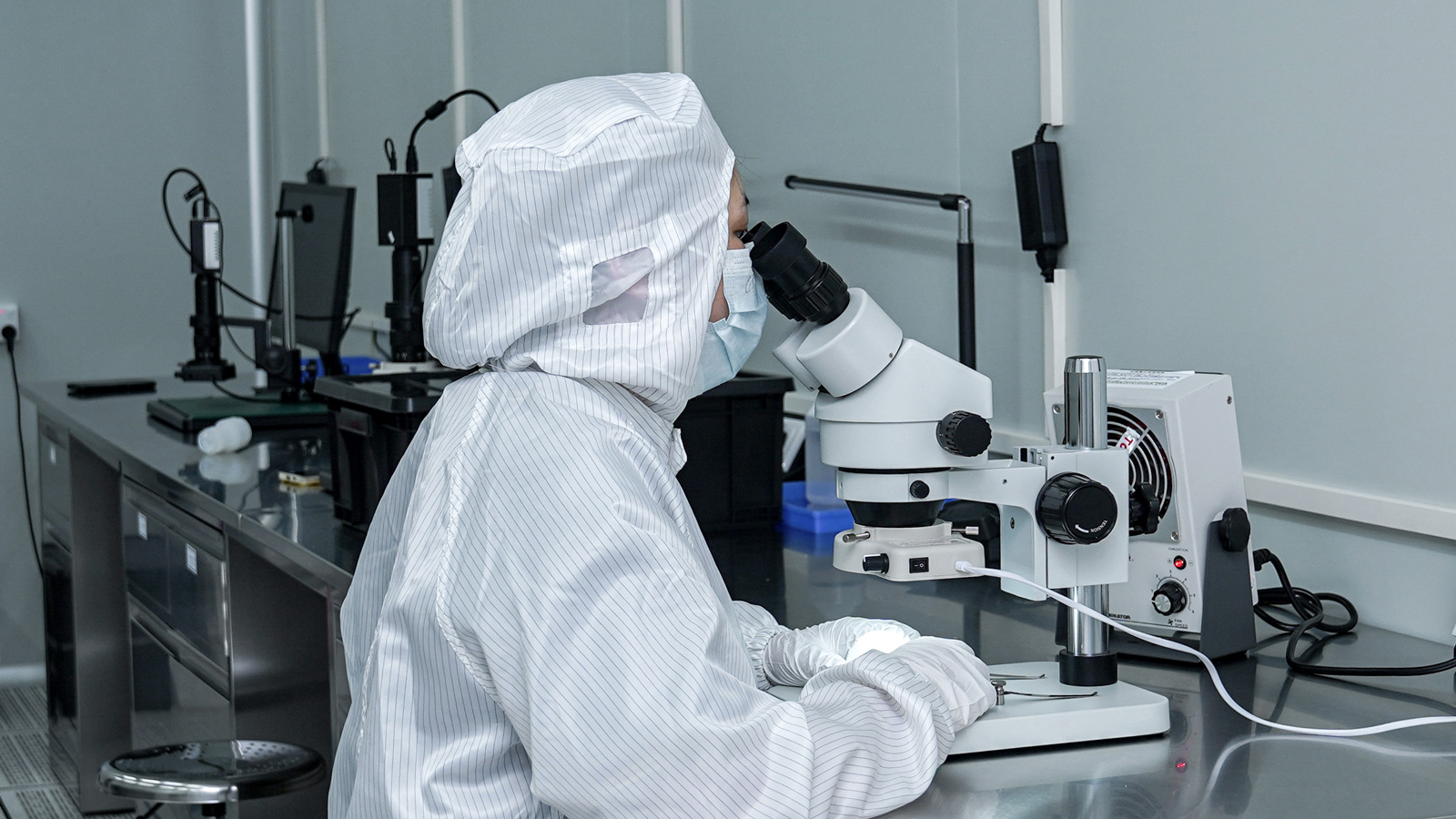
A: A coordinate measuring machine (CMM) is typically used to precisely inspect the coaxiality, parallelism, and perpendicularity of the moving and fixed dies. At the same time, feeler gauges and dial indicators are used to measure the mold closing gap point by point, ensuring that all position errors are within the allowable range.