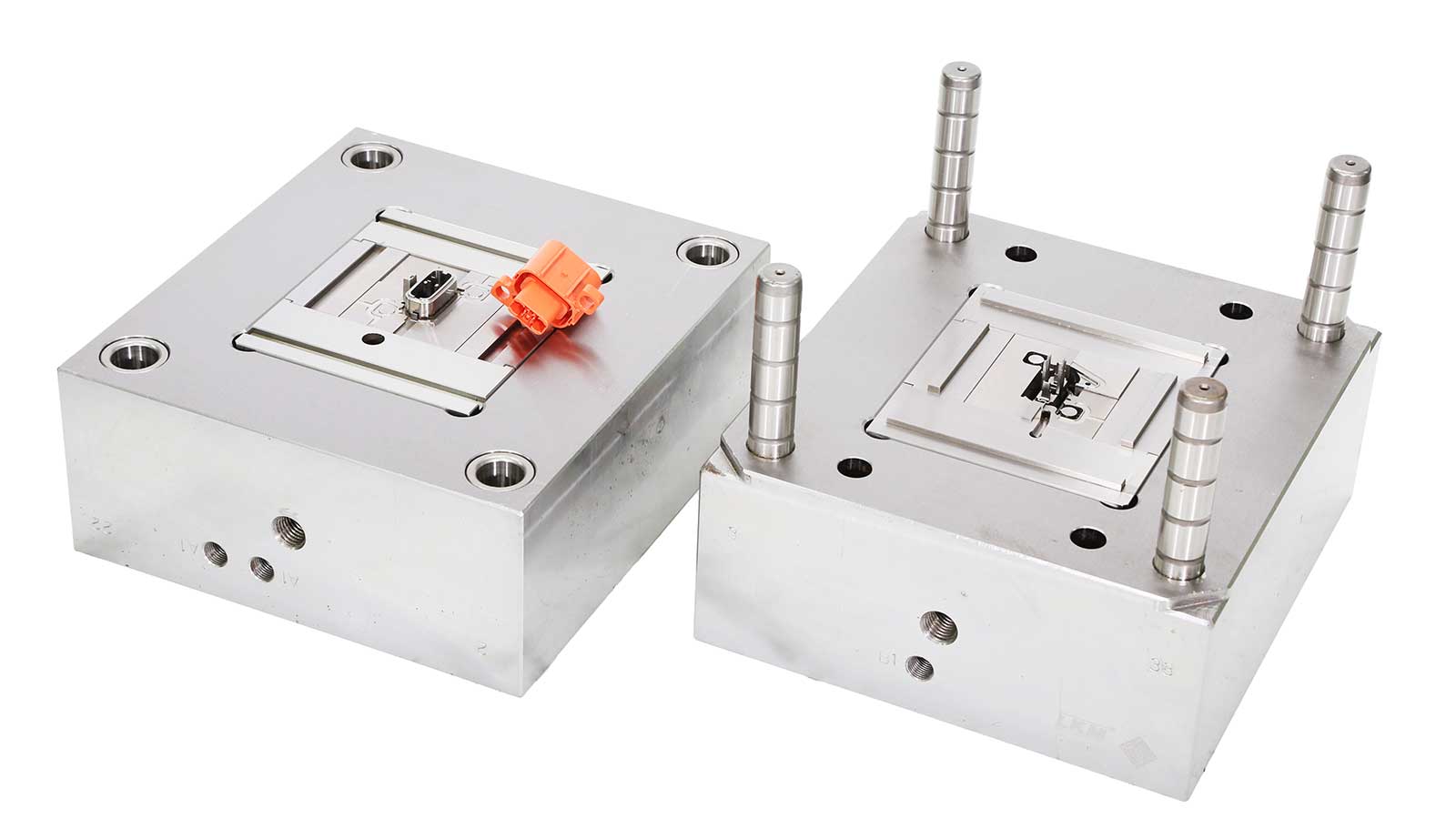




In the field of plastic product manufacturing, plastic molds are the core tools. Without them, plastic products cannot be formed precisely. Therefore, extremely strict quality requirements are imposed on plastic molds. To ensure that plastic molds achieve excellent quality, in addition to proper material selection and processing techniques, the storage environment after manufacturing also needs to be carefully chosen. So, what special requirements do plastic mold injection molding manufacturers have for the storage environment of plastic molds?
Humidity Control: The “Lifeline” of Mold Storage
Plastic mold injection molding manufacturers are well aware that the humidity of the mold storage environment is a key factor affecting mold quality. Humidity must be strictly controlled within a reasonable range to ensure that the storage space is dry. This is because if molds are placed in a humid environment for a long time, the plastic material properties of the molds are highly likely to deteriorate.
Once the mold material deteriorates, when it is used to manufacture various plastic products, a series of serious problems will arise. For example, the products may have defects such as cracking and breakage. This will not only reduce the product qualification rate and increase production costs but may also have a negative impact on the company’s reputation. Therefore, when choosing the storage environment for plastic molds, manufacturers will pay special attention to whether the environment is humid to ensure the intact performance of the molds and optimize their service life.
Temperature and Ventilation: Creating a Suitable Storage Ecosystem
In addition to humidity, temperature and ventilation conditions are also focuses of manufacturers. An appropriate temperature can maintain the stability of the physical and chemical properties of the mold material, preventing problems such as mold deformation and aging caused by excessively high or low temperatures. Generally, the temperature of the mold storage environment should be kept within a relatively stable range to avoid significant fluctuations.
Good ventilation conditions are also indispensable. Ventilation can effectively regulate the air humidity in the storage space, prevent the accumulation of moisture, and at the same time dissipate any odors and heat generated by the molds, creating a fresh and comfortable storage environment for the molds.
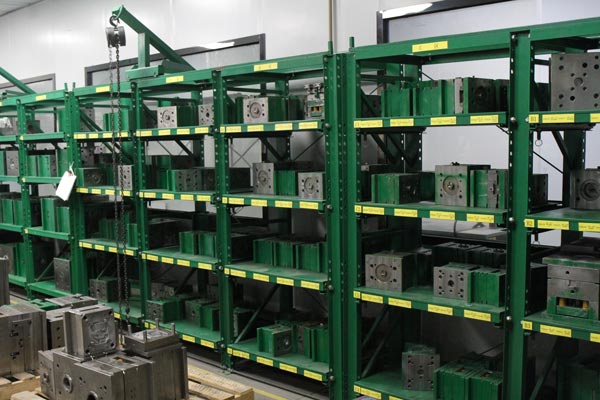
Dust and Corrosion Prevention: Comprehensive Protection for Molds
During the storage process of plastic molds, dust and corrosion prevention work also need to be carried out. If dust adheres to the surface of the molds, it may mix into the plastic products during subsequent use, affecting product quality. Moreover, dust may also enter the precision components of the molds, causing increased wear and reducing their accuracy and service life.
Corrosive substances can cause even more severe damage to the molds. Once the molds come into contact with corrosive liquids or gases, their surfaces will quickly be corroded, resulting in defects such as rust spots and pits, seriously affecting the appearance and performance of the molds. Therefore, manufacturers will take a series of measures, such as installing dust covers and using anti-corrosion coatings, to provide comprehensive protection for the molds.
Regular Inspection and Maintenance: Ensuring Good Mold Condition
To ensure that the molds remain in good condition during storage, plastic mold injection molding manufacturers will establish a comprehensive regular inspection and maintenance system. They will regularly arrange professional personnel to conduct a comprehensive inspection of the molds, checking for deformation, wear, rust, and other conditions, and promptly carry out repairs and maintenance.
At the same time, manufacturers will also regularly evaluate the mold storage environment and adjust parameters such as humidity and temperature according to the actual situation to ensure that the storage environment always meets the requirements for mold storage. Through regular inspection and maintenance, manufacturers can promptly identify and solve potential problems, ensuring the quality and performance of the molds and providing strong support for subsequent plastic product production.
FAQ
Q1: Besides causing product cracking and breakage, what other impacts will storing molds in a humid environment have?
A: In addition to product cracking and breakage, a humid environment may also cause rust on the mold surface, affecting the mold’s accuracy. This can lead to dimensional deviations in the subsequently produced products and reduce the product qualification rate.
Q2: How can I determine whether the temperature of the mold storage environment is appropriate?
A: You can use professional temperature measurement instruments, such as thermo-hygrometers, to monitor the temperature of the storage environment in real-time. Generally, the suitable temperature for mold storage is around 20 – 25℃, and significant temperature fluctuations should be avoided.
Q3: Besides using dust covers, are there other methods for mold dust prevention?
A: You can also install air filtration devices in the area where the molds are stored to reduce the dust content in the air. Regularly cleaning the storage space to keep it tidy can also effectively reduce the impact of dust on the molds.