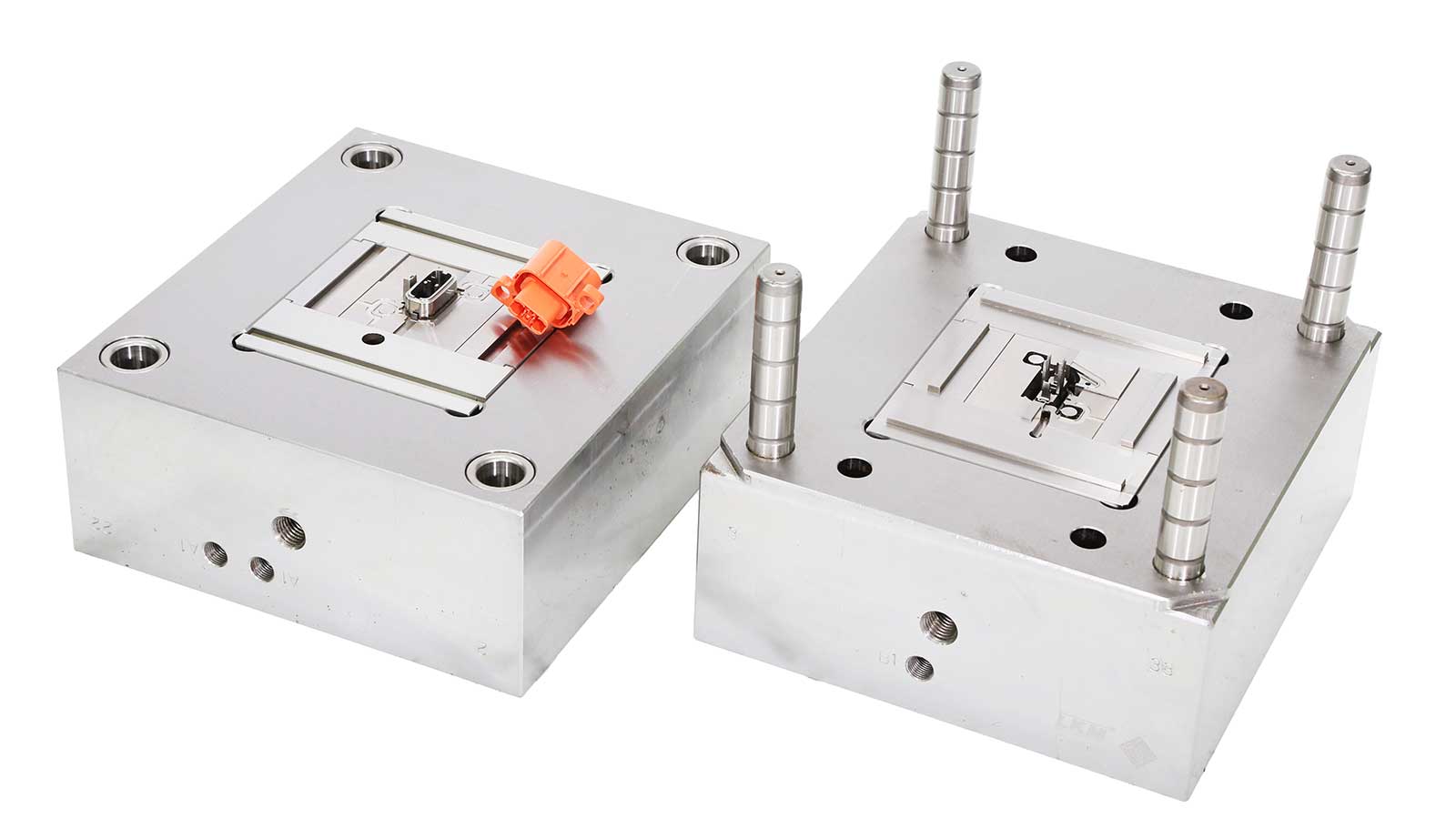



In the injection mold manufacturing industry, pre-delivery inspection and verification are core steps to ensure delivery quality. Before each set of molds is officially handed over to the customer, the manufacturer must conduct item-by-item acceptance in strict accordance with quality control procedures, ensuring that the customer receives not only a qualified mold but also a complete and reliable production solution.
1. Mold Status Confirmation Before Delivery
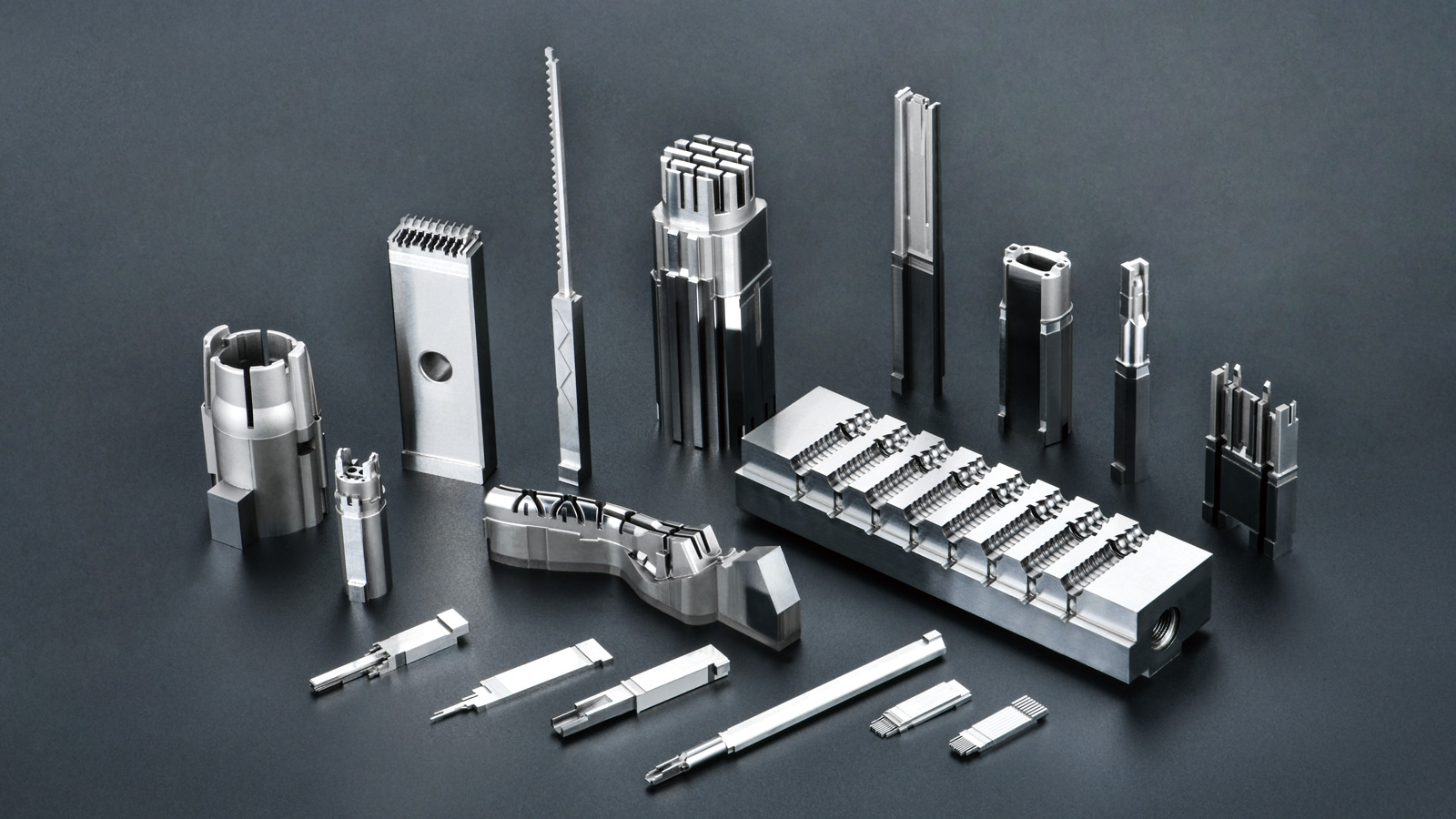
Before formal mold acceptance, the mold set should be in a condition where plastic can completely fill all cavities. Meanwhile, the overall mold must be maintained in excellent condition, and all reserved spare parts must be complete. Calibrated and modified molds and components must be accompanied by complete engineering drawings for delivery to the customer.
Since injection molding process parameters may fluctuate with different raw material characteristics, if the product has strict dimensional tolerance requirements, key parameters such as working pressure must be precisely adjusted. In addition, the original mold steel quality certificate should be obtained from the supplier before acceptance to ensure full material traceability.
2. Inspection and Management of Wearing Parts
High-frequency and easily worn injection mold components must be checked and registered one by one. It is recommended to stock spare parts sufficient for four to five weeks of anticipated consumption, and complete records should be maintained for all replaced damaged components to facilitate future maintenance management. At the same time, a comprehensive inspection of commonly used auxiliary equipment should be conducted, and detailed records of the mold installation position should be documented.
3. Cleaning and Protection Treatment Before Shipment
Before the mold is loaded for transportation, it must undergo thorough and meticulous cleaning, followed by the application of a protective film and anti-rust oil. All externally connected water pipes must be removed. The injection molding factory should prepare the raw materials required for trial molding in advance. The new injection machine and all auxiliary equipment must be inspected and calibrated before the mold can be loaded and shipped.
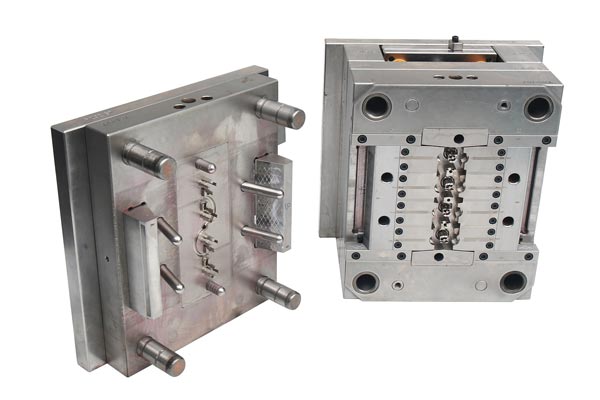
4. Receiving Process After the Mold Arrives at the Customer’s Factory
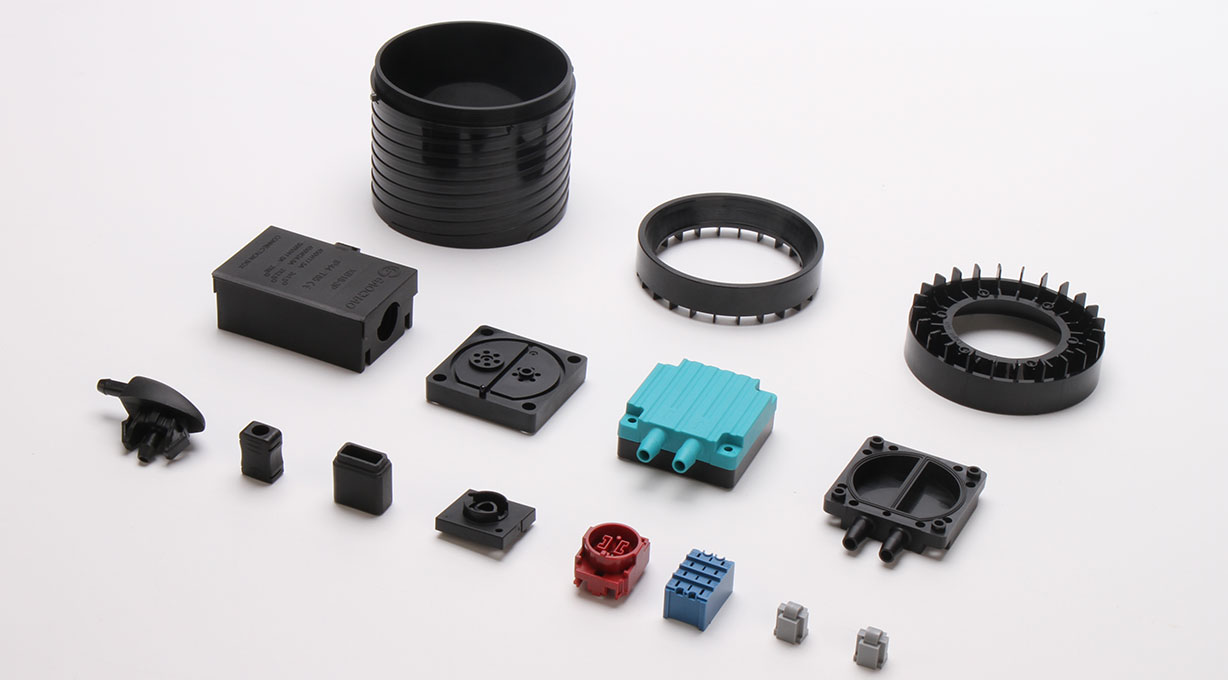
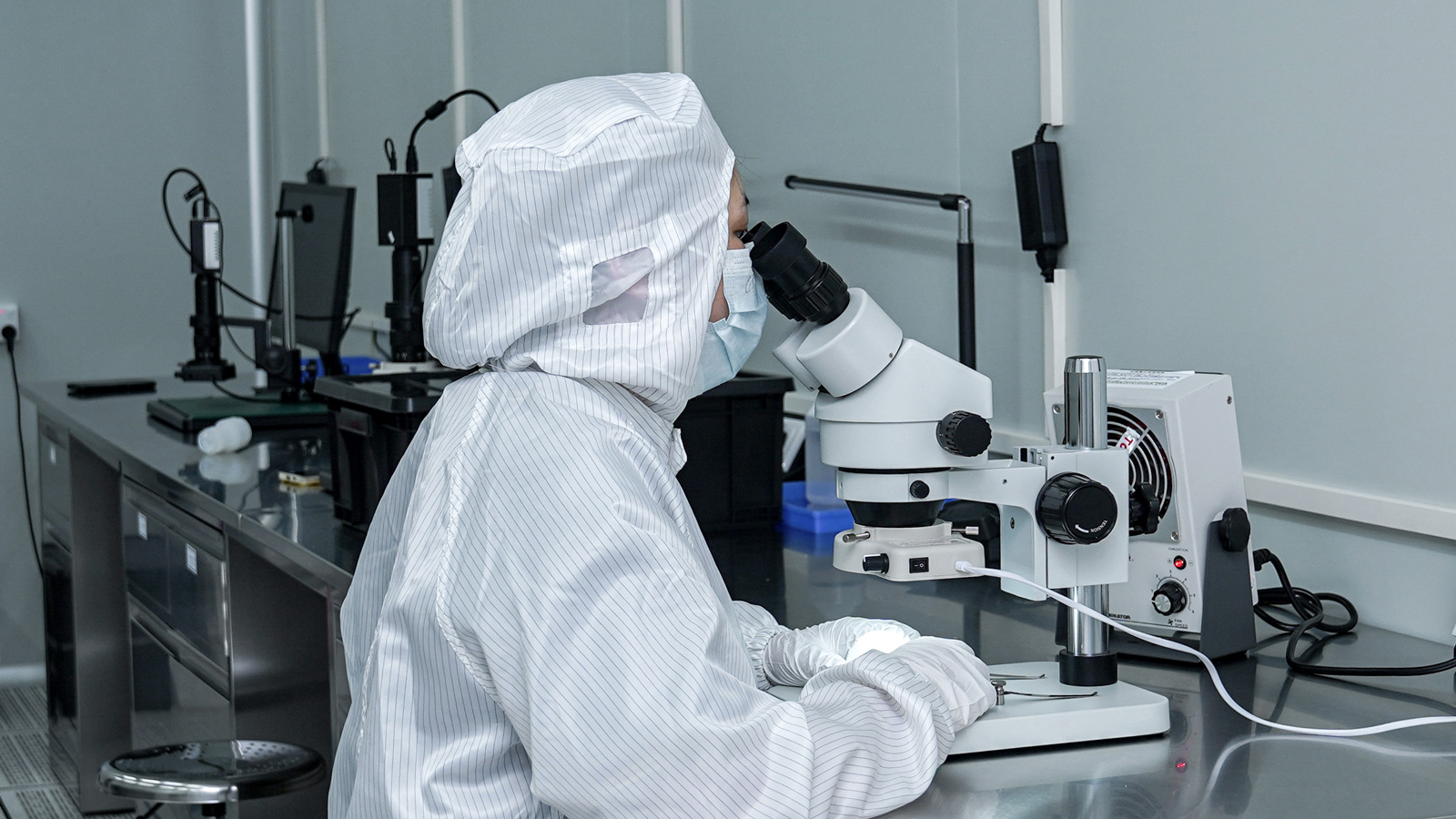
When the mold arrives at the injection molding factory, it should first be unpacked, inspected, and cleaned, then installed on the injection machine. After entering the process parameters, the mold should undergo empty cycle injection to confirm normal operation. Fully dried raw materials are then fed into the hopper, and the first injection is started. After fifteen to twenty minutes of continuous operation, the mold reaches an overall isothermal state. Empty injection is used to confirm the precise melt temperature, followed by the fine-tuning phase of the injection machine process parameters. The first qualified product must be confirmed by the quality inspector (QA) before mass production can begin.
Only after all the above procedures are completed can the customer receive a set of injection molds with fully guaranteed quality. This is not only a commitment to product responsibility but also a key factor for injection mold manufacturers to build industry reputation and market credibility.
FAQ
Q: Is it mandatory to provide the mold steel quality certificate before mold delivery?
A: Yes. The mold steel quality certificate is an important document proving that the mold material meets technical requirements, and it also serves as the basis for subsequent quality traceability. Reputable injection mold manufacturers should proactively provide this document upon delivery. Customers should carefully verify that the certificate number matches the actual mold material during acceptance.
Q: How many spare parts should be stocked to be considered reasonable?
A: It is generally recommended to stock wearing parts sufficient for four to five weeks of anticipated consumption. The specific quantity should be comprehensively evaluated based on the mold usage frequency, the type of wearing parts, and the customer’s production plan. For critical wearing parts such as ejector pins and seal rings, it is advisable to keep one to two additional sets.
Q: Why is it necessary to run the mold empty for fifteen to twenty minutes after it arrives at the customer’s factory?
A: The purpose of this step is to bring the mold to an overall isothermal state, eliminate any temperature differences caused during transportation, and confirm the stability of the melt temperature and equipment operation. Starting production directly may result in unstable product dimensions or appearance defects. Empty running is a necessary prerequisite to ensure first-article quality.